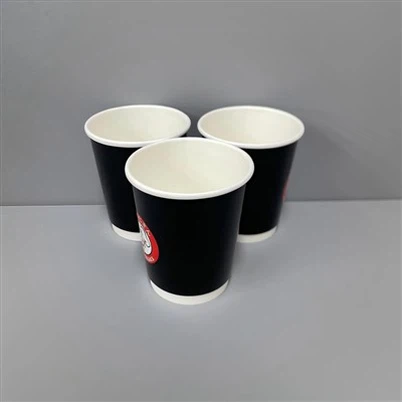
2025 Paper Cup Design Trends: Will Your Cup Become A Brand Experience Hub?
Leave a message
2025 Paper Cup Design Trends: Will Your Cup Become a Brand Experience Hub?
Is your paper cup just a container, easily forgotten after use? Many brands miss huge opportunities for connection and impact.
2025 paper cup design trends are moving beyond basic function to create interactive brand experiences. By integrating sensory elements, digital interactions like QR codes, and structural innovations, cups become powerful marketing tools that engage consumers, enhancing brand perception and fostering memorable connections, making each cup an extension of the brand's story.

At Amity Packaging, Jonh and I have accumulated "20+ years of experience" and believe that "our mission: Empower everyone who uses paper cups and bowls to truly understand paper packaging." We see that trends are not just fads; they reflect evolving consumer expectations. We are seeing paper cups evolve from simple vessels into sophisticated "brand experience hubs." This is about using "our tailor-made solutions" and "technological innovation" to meet these new demands. Let us explore "2025 Paper Cup Design Trends: Will Your Cup Become a Brand Experience Hub?"
Sensory Design: How Do Tactile Elements and Visual Effects Enhance Brand Perception and Quality?
Does your current paper cup disappear in a sea of plain white? Consumers crave engagement beyond mere utility. Missing out on sensory appeal is a lost connection.
Tactile elements like embossed textures and partial UV coatings, combined with visual effects such as metallic inks and gradient printing, profoundly enhance brand perception and quality. These sensory designs create a memorable, premium feel for the consumer, engaging multiple senses and elevating a simple cup into a distinctive brand touchpoint that communicates care and sophistication.

In my 15 years in disposable packaging, I have learned that a product's appeal often goes beyond its basic function. Jonh, with his deep understanding of "raw material selection" and "printing technology evaluation," always says that the details make the difference. At Amity, we focus on designs that enhance "product performance and brand value." We want our clients' cups to feel as good as they look. Let us dive deeper into "How Do Tactile Elements and Visual Effects Enhance Brand Perception and Quality?"
Crafting a Multi-Sensory Brand Experience
The integration of "sensory design" into paper cup aesthetics is a powerful trend. It moves the cup from a purely functional object to a multi-sensory experience. This directly influences brand perception and consumers' judgments of quality. It makes the act of holding and using the cup more memorable.
Firstly, Beyond Sight: The Power of Touch. Tactile elements engage the sense of touch, creating an immediate, personal connection with the product.
Embossed Textures: Adding raised patterns or logos gives the cup a unique feel. This can convey luxury, craftsmanship, or even mimic natural textures like wood grain. The act of feeling a distinct texture subconsciously signals a higher-quality product and a brand that pays attention to detail. This also makes the cup less slippery.
Soft-Touch Coatings: A matte, velvety finish can transform the haptic experience of holding a cup. This communicates sophistication and a premium feel. It elevates the interaction, suggesting that the brand cares about the user's comfort and experience. Jonh often advises on such finishes when clients seek to position their brand as high-end.
Secondly, Visual Feast: Colors, Finishes, and Dimension. While aesthetics are always primary, new visual effects go beyond simple printed graphics.
Metallic Inks: Gold, silver, or other metallic hues catch the light and instantly convey luxury and exclusivity. This suggests a higher-value product inside and reflects positively on the brand's perceived quality. This effect is powerful for special editions or premium offerings.
Gradient Printing: Smooth transitions between colors or shades create a modern, dynamic, and sophisticated look. It shows a brand that is current and creatively inclined. The subtle blending of colors can be visually captivating, making the cup stand out from standard flat designs.
Partial UV Coating: Applying a gloss varnish to specific areas of a matte cup creates a striking contrast. This highlights logos, key messages, or graphic elements, adding a tactile and visual pop. It draws attention and adds a layer of refinement, making the cup visually more interesting and engaging.
These sensory elements are not mere decorations. They are deliberate design choices that communicate brand values subconsciously. A cup that feels good to hold and looks premium suggests a brand that invests in overall quality, from product to packaging. This enhances customer satisfaction. Our "strict quality control" ensures that these intricate design choices are executed perfectly, translating the imagined experience into a tangible product.
| Sensory Element | How It Enhances Perception | What It Communicates About Brand | Amity's Role |
|---|---|---|---|
| Embossed Textures | Tangible depth for a premium feel | Craftsmanship, attention to detail | "Tailor-made solutions" for unique textures |
| Soft-Touch Coatings | Smooth, luxurious tactile experience | Sophistication, user comfort | Material consultation for finishes |
| Metallic Inks | Glimmering, eye-catching appeal | Exclusivity, luxury, high value | "Logo & printing customization" |
| Gradient Printing | Modern, dynamic, visually engaging | Innovation, creativity | Advanced printing technology advice |
| Partial UV Coating | Tactile and visual contrast | Refinement, highlights key elements | Precision printing capabilities |
Therefore, "sensory design" through "tactile elements" and advanced "visual effects" profoundly enhances "brand perception and quality" by creating a richer, more memorable, multi-sensory experience for the consumer. This transforms a simple paper cup into an integral part of the brand's identity and its commitment to excellence.
Interaction and Storytelling: How Do QR Codes and AR Interactions Transform Disposable Items into Brand Connection Points?
Does your paper cup tell a story, or does it simply hold a drink? In a crowded market, engagement is everything.
QR codes, AR interactions, and serialized cultural story illustrations transform disposable items into dynamic brand connection points. These elements invite consumer engagement, extending the brand experience beyond the physical product. They offer access to exclusive content, games, or narratives, fostering deeper relationships and making single-use items memorable tools for brand storytelling.

As a second-generation paper cup manufacturer, I have witnessed packaging evolve. Jonh, with his "end-to-end production" expertise, always looks for ways our products can do more. We believe "our mission: Empower everyone who uses paper cups and bowls to truly understand paper packaging," extends to understanding its marketing potential. Our "logo & printing customization" service helps clients integrate these modern features. Let us explore "How Do QR Codes and AR Interactions Transform Disposable Items into Brand Connection Points?"
From Static Design to Dynamic Engagement
The trend toward "interaction and storytelling" radically redefines the role of disposable paper cups. They are no longer passive containers but active "brand connection points" that invite consumer engagement, turning a brief moment of consumption into an immersive brand experience.
Firstly, QR Codes: The Gateway to Digital Content. QR codes provide an immediate digital bridge. A simple scan by a smartphone can:
Unlock Exclusive Content: Offer behind-the-scenes videos, special promotions, recipes, or music playlists related to the brand. This creates a sense of exclusivity and rewards engagement.
Facilitate Loyalty Programs: Allow easy sign-ups for loyalty points or direct access to customer service. This streamlines interaction and builds customer data.
Share Brand Story: Link to a brand's sustainability initiatives, origin story, or mission. For example, a coffee brand could link to the story of its farmers, fostering an emotional connection. My "sustainability commitment" and FSC-certified sourcing could easily be shared this way.
Secondly, Augmented Reality (AR) Interactions: Bringing Cups to Life. AR takes digital engagement a step further, overlaying digital content onto the physical cup when viewed through a smartphone camera.
Gamification: Turn the cup into an interactive game element, offering mini-games or challenges. This enhances the fun factor and encourages repeat purchases.
Virtual Try-Ons/Visualizations: For certain brands (e.g., cosmetics, fashion), AR could allow consumers to virtually "try on" products or visualize brand elements in their environment, creating a playful and practical experience.
Characters and Animation: Animate brand mascots or characters that pop out of the cup, telling a story or delivering a message. This is especially engaging for younger audiences. Jonh often brainstorms creative ideas like this during "logo design" discussions.
Thirdly, Serialized Cultural Story Illustrations: The Physical Narrative. Beyond digital tools, physical illustrations can tell a serial story.
Collectible Designs: A series of cups, each with a different chapter of a story or a unique design that is part of a larger theme (e.g., local landmarks, historical events). This encourages customers to collect the entire series, fostering repeat purchases and creating buzz.
Educational Content: Use illustrations to share interesting facts about the product, local culture, or environmental initiatives. This subtly educates consumers while they enjoy their drink. For us at Amity, this could be about the journey of paper from forest to cup.
These interactive elements transform a disposable cup into a valuable piece of media, extending brand messaging and creating a memorable, shareable experience that can amplify brand presence on social media.
| Interaction Type | How It Connects with Consumers | Brand Benefit | Amity's Role |
|---|---|---|---|
| QR Codes | Access to digital content, loyalty | Data collection, deeper brand info, promotions | Precision printing for scannable codes |
| AR Interactions | Gamification, virtual experiences | Immersive engagement, novelty, shareability | High-quality print for AR markers |
| Serialized Stories | Collectibility, sequential narrative | Repeat purchases, cultural connection | "Logo & printing customization" for series |
| Educational Content | Informative, conscious consumption | Transparency, value proposition | Printing intricate details accurately |
Therefore, "QR codes, AR interactions, and serialized cultural story illustrations" are transforming disposable paper cups into dynamic "brand connection points." By offering enhanced "interaction and storytelling," these innovations allow brands to engage consumers on a deeper level, foster loyalty, and convert a simple disposable item into a memorable and powerful brand experience.
Structural Innovation: Do Modular Assembly and Transformable Designs Truly Improve Engagement and Utility?
Are you still using cups that are single-purpose and quickly discarded? Imagine a cup that does more, connecting with customers in new ways.
Yes, "structural innovation," including modular assembly and transformable designs, truly improves both playful engagement and functional utility. Cups that can be reconfigured or assembled into small objects offer an extended interaction post-consumption. This not only enhances user experience through novelty and practicality but also subtly encourages responsible disposal or even reuse for a secondary purpose.

At Amity, Jonh and I always look for ways to enhance "product performance and brand value." We know that simply holding a drink is not always enough. "Our mission: Empower everyone who uses paper cups and bowls to truly understand paper packaging," and that involves understanding the evolving demands for utility and novelty. We offer "material & structure consultation" to help clients explore these cutting-edge designs. Let us assess "Do Modular Assembly and Transformable Designs Truly Improve Engagement and Utility?"
Reinventing the Cup's Form and Function
"Structural innovation" in paper cup design goes beyond a new print. It involves reimagining the cup's physical form itself. Modular assembly and transformable (e.g., foldable) designs are at the forefront of this trend. They aim to improve both "playful engagement and functional utility," offering consumers a novel experience and added value.
Firstly, Modular Assembly: Building Beyond the Drink. This concept turns the cup into a component of a larger structure.
Interlocking Designs: Cups could be designed with tabs or slots on their edges, allowing multiple empty cups to be interlocked and assembled into small models, towers, or even playful art pieces. This extends the product's lifespan beyond its initial use, offering a creative outlet. This type of engagement is particularly appealing for family-friendly brands or events, turning waste into a fun activity, often encouraging a sense of community around the brand.
Collectible Components: Each cup could feature a unique part of a larger design that encourages collection and assembly. For instance, a series of drink cups that, when combined, form a specific character or architectural model, adding a "gamification" element to consumption.
Secondly, Transformable Designs: Dual Functionality and Novelty. This focuses on cups that change shape or purpose after the beverage is consumed.
Foldable Elements: A cup might have pre-scored lines that allow it to be folded into a small planter base, a pen holder, or a smartphone stand. This transforms the single-use item into a functional object post-consumption, increasing its perceived utility and reducing immediate disposal. This resonates well with an eco-conscious consumer base, as it gives the cup a second life before recycling.
"Plant A Seed" Cups: Imagine a cup with a seed embedded in its base, designed to be planted after use. Once the drink is finished, the consumer can tear off or unfold the base, plant it, and watch something grow. This connects the brand to nature and sustainability in a tangible, memorable way. My experience with "eco-driven mindset" and "sustainable approaches" always looks for such opportunities.
These structural innovations foster deeper consumer engagement by offering an interactive or secondary use for the cup. The playful aspect can create a memorable moment. The utility aspect contributes to a sense of value. Both enhance the brand's perception as creative, innovative, and potentially more sustainable (by offering a second life). This transforms the simple act of drinking into an experience that lasts beyond the last sip.
| Structural Innovation | How It Improves Engagement | How It Improves Utility | Brand Benefit | Amity's Expertise |
|---|---|---|---|---|
| Modular Assembly | Playful building, collectibility | Creates new objects post-consumption | Enhanced fun, community, repeat purchases | "Structural design consultation", specialized cutting |
| Foldable Designs | Novelty, creative reuse | Transforms into functional items | Perceived innovation, sustainability appeal | "Material & structure consultation", precise scoring |
| Seed-Embedded Cups | Experiential, connection to nature | Grows into plants, tangible green action | Strong eco-message, memorable experience | Biodegradable materials, secure seed integration |
Therefore, "structural innovation," through "modular assembly" and "transformable designs," truly improves both "playful engagement and functional utility." By extending the cup's interaction beyond simple consumption, these designs create added value for the consumer and stronger, more positive associations with the brand.
Conclusion
2025 paper cup design trends are transforming cups into "brand experience hubs." Through "sensory design," "interaction and storytelling" via digital tools, and clever "structural innovation," cups now offer enhanced engagement and utility.