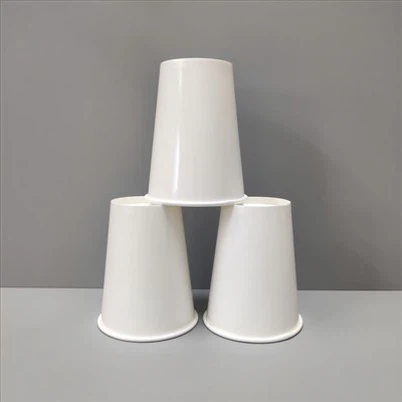
Paper Bowls In The Microwave? What Must-Know Safety Rules Should You Follow?
Leave a message
Paper Bowls in the Microwave? What Must-Know Safety Rules Should You Follow?
Cooking quickly with a microwave is convenient, but using the wrong containers can be dangerous. Are you unsure if your paper bowls are safe to microwave, or worried about unknown risks?
For safe microwave use, always check for "microwave-safe" labels on paper bowls; containers without this label can melt or leak. Strictly avoid any paper bowl with metal components, as these can cause sparks and fires. Manage cooking time by avoiding prolonged high-heat heating and always check the bowl's condition before use, ensuring it is undamaged or not greasy, to prevent accidents.

Understanding the general rules is a start, but true kitchen safety, especially with paper products, means looking closely at the details. With our "20+ years of experience" in "Mastering the Art of Disposable Paper Product Manufacturing," I have learned that clear guidelines are key. I will explain the most important rules, so you can use paper bowls in your microwave without worry, fitting our mission to "Empower everyone who uses paper cups and bowls to truly understand paper packaging."
Material Matters: Should You Only Use "Microwave-Safe" Labeled Bowls?
You grab a paper bowl for a quick microwave meal, but is it really designed for that heat? Using just any paper container could lead to a messy or even dangerous situation.
Yes, you should only use disposable paper bowls specifically labeled "microwave-safe." This label confirms the bowl's materials and coatings can withstand microwave heat without melting, leaching chemicals, or posing a fire risk. It is a crucial indicator ensuring the packaging's structural integrity and food safety during heating, providing peace of mind for users.

"Material Matters: Should You Only Use 'Microwave-Safe' Labeled Bowls?" is a question I hear often, and it is a very important one. In my "15 years in disposable packaging manufacturing," I have seen how varied paper products can be. Jonh, with his "Degree in Mechanical Engineering," always stresses that the 'microwave-safe' label is not just a suggestion; it means that the bowl has passed specific tests. It means I can confidently say that these products, developed with "strict quality control" and "raw material selection," are safe. Without that label, you are taking a risk. This advice comes from our deep knowledge of "product, material, process, and application."
Decoding the "Microwave-Safe" Standard
The term "microwave-safe" is far more than a simple marketing claim. It is a guarantee rooted in the specific composition and manufacturing process of a paper bowl. Our work in developing "high-quality, eco-friendly, and safe paper packaging solutions" means we pay close attention to such details. Understanding what makes a bowl microwave-safe helps you make informed choices in your kitchen, aligning with our goal to share "industry knowledge."
Why the Label Is Essential
A standard paper bowl, not intended for microwave use, may contain adhesives or coatings that are not heat-stable. When exposed to microwave energy, these materials could:
Melt: Leading to food contamination or leaks.
Deform: Causing the bowl to collapse and spill hot food.
Leach Chemicals: Potentially transferring harmful substances into your food.
Ignite: In rare but dangerous cases, certain materials can spark or catch fire.
A "microwave-safe" labeled bowl, on the other hand, is specifically engineered to prevent these issues. It means the materials, including the paper pulp, any internal coatings (like "PE/PLA coated" options we use), and inks, are all food-grade and tested for microwave compatibility. This "material & structure consultation" is key to product safety.
What Makes a Bowl Microwave-Safe?
Heat-Resistant Coatings: Many of our "disposable paper cups and bowls" use polypropylene (PP) or polylactic acid (PLA) coatings chosen for their ability to withstand heat without breaking down. These coatings stop liquids from soaking into the paper and provide a barrier against microwave energy. This helps to secure the "product performance."
Fiber Composition: The paper itself is often made from virgin wood pulp, which is naturally more heat-stable than recycled paper that may contain unknown impurities. Our commitment to "sourcing renewable paper from responsibly managed forests" ensures a clean and consistent raw material.
Absence of Harmful Additives: Tested microwave-safe bowls are free from dyes, adhesives, or other chemicals that could migrate into food when heated. "Strict quality control" ensures that every batch meets these standards.
My Recommendation
Always make it a habit to check for the "microwave-safe" symbol on the bottom of the bowl before use. This symbol, often resembling a microwave oven with wavy lines, is your assurance that the product has been vetted for this specific application. Using certified products helps reduce risks, saves you a messy cleanup, and gives you confidence in your safety. My dedication to the "disposable packaging sector" teaches me that clarity and safety are always worth the extra step.
| Factor | "Microwave-Safe" Bowl Feature | Risk Without Label | Benefit of Using Label |
|---|---|---|---|
| Coatings/Adhesives | Heat-stable, food-grade PP/PLA | Melting, leaching chemicals, contamination | Food safety, structural integrity |
| Paper Fiber | Virgin pulp, specific density | Uneven heating, potential ignition | Consistent heating, fire prevention |
| Inks/Dyes | Non-migrating, non-toxic | Transfer to food, chemical exposure | Pure food taste, chemical-free food |
| Overall Testing | Rigorous microwave simulations | Unpredictable reactions, damage | Reliable performance, peace of mind |
By exclusively using "microwave-safe" labeled paper bowls, you ensure that "Material Matters" works in your favor. This practice allows you to harness the convenience of your microwave safely, avoiding potential hazards and messy cleanups.
Hidden Hazard: Should You Strictly Avoid Any Paper Bowl with Metal Components?
You pick up a paper bowl, maybe with a decorative metallic rim or a stapled handle, thinking it is just paper. But could that small metal piece turn your microwave convenience into a fiery problem?
Yes, you must strictly avoid any paper bowl with metal components in the microwave. Even tiny metallic elements, like staples, foil decorations, or metallic inks, can cause arcing-sparks and electrical discharges-which can damage your microwave or, worse, ignite a fire. This hidden hazard poses a serious safety risk, making metal-free bowls a non-negotiable rule.

"Hidden Hazard: Strictly No Metal Components" is a critical safety rule, one that Jonh emphasized from my earliest days in packaging. "From raw material selection to printing technology evaluation," understanding conductive materials is essential. Even a tiny staple, used often in craft projects, or metallic ink on a product can cause arcing. This is a clear example where "technological innovation" and "strict quality control" in our products make them safe for intended use. For me, safety is paramount, and avoiding metal in the microwave applies to all disposable products.
The Danger of Metal in the Microwave
The microwave oven works by exciting water molecules within food using electromagnetic radiation. Metal, however, does not respond in the same way; it reflects these waves. This fundamental difference is why even a small piece of metal can create a dangerous situation. Think of it as how our "efficient production & delivery" requires every part to work in harmony – metal in a microwave is anything but harmonious.
The Physics of Arcing
When microwaves hit metal, they create an intense electric field around the metal object. If this field becomes strong enough, it can ionize the air around the metal, leading to a visible spark or "arcing." This arcing generates heat, which can quickly:
Damage the Microwave: The electrical discharge can harm the magnetron (the component that generates microwaves) or other internal electronics. This is a costly repair or replacement.
Cause a Fire: If the arcing occurs near flammable materials (like dry paper, food packaging, or food itself), it can quickly ignite them. A small spark can turn into a serious kitchen fire in seconds.
Melt the Metal: The intense heat can even melt the metal itself, potentially fusing it to the ceramic or glass of your microwave.
Common Hidden Metal Components
Metal components are not always obvious. You need to be extra cautious about:
Staples: Sometimes found in the seams of very cheap paper bowls or plates.
Metallic Inks/Decorations: Some decorative patterns on disposable tableware use metallic pigments that are not visible at first glance.
Foil Stickers or Logos: Even small foil elements can cause problems.
Twist Ties: Common with small food items.
Our "logo & printing customization" service always avoids metallic inks for microwave-safe products for this exact reason. We ensure our materials are consistently safe.
Always Check Before You Heat
Before placing any "disposable paper bowls" in the microwave, take a moment to inspect them thoroughly. Look for any shiny bits, staples, or unusual metallic-looking prints. If in doubt, choose a different, clearly microwave-safe container. This simple check is a key part of responsible kitchen safety, an extension of the "strict quality control" we apply to our products during "mass production & packaging."
| Metal Component Type | Risk in Microwave | Result of Arcing | Safety Precaution |
|---|---|---|---|
| Staples/Paper Clips | Direct electrical discharge | Sparks, fire, microwave damage | Visual inspection before use |
| Metallic Inks/Dyes | Reflective surfaces causing hotspots | Heating, burning, fire risk | Read product labels, avoid shiny prints |
| Foil Decals/Logos | Concentrated wave reflection | Intense sparks, burn marks | Choose plain or non-metallic decorated bowls |
| Any Metal Piece | Disrupts microwave field | Damage to appliance, food contamination | "Strictly No Metal Components" rule |
By understanding that a "Hidden Hazard" exists, you actively "Strictly Avoid Any Paper Bowl with Metal Components." This makes your microwave use much safer, protecting both your appliance and your home from potential fires.
Temperature Control: How Can You Avoid Prolonged High-Heat Heating?
You often pop food into the microwave and set it for a long period on high power. But is this the best approach for paper bowls, and could it be leading to issues you do not see?
You can avoid prolonged high-heat heating by heating food in paper bowls for shorter durations and stirring often. Paper bowls, even "microwave-safe" ones, can weaken with extended exposure to intense heat, potentially deforming, softening, or even burning if the contents get too hot. Shorter heating cycles help maintain the bowl's integrity and distribute heat more evenly within your food, preventing hot spots and ensuring safety.

"Temperature Control: How Can You Avoid Prolonged High-Heat Heating?" is a critical factor for any material in a microwave. My mechanical engineering background taught me about material limits. While our "disposable paper bowls" are designed for safe heating, every material has a threshold. Jonh, with his "15 years in disposable packaging manufacturing," always speaks about the importance of matching the product to the usage scenario. "Material & structure consultation" helps us create robust products, but even the best paper bowls are not meant for indefinite high-heat exposure. This simple practice ensures our "eco-friendly and safe" paper solutions maintain their performance without issues.
The Impact of Heat Duration on Paper Bowl Integrity
Even strong, "microwave-safe" paper bowls have limits. Microwaving for too long, especially at high power settings, can stress the materials beyond their design parameters. This leads to issues that range from inconvenient messes to potential hazards. Our goal is to "deliver high-quality, eco-friendly, and safe paper packaging solutions," which means advising on their correct use.
Why Prolonged Heating is Risky
Moisture Absorption: While coatings like "PE/PLA coated" resist liquid penetration, prolonged heating can weaken this barrier, especially if the food is very hot and liquid-heavy. The paper fibers underneath could then absorb moisture, causing the bowl to become soggy, sag, and potentially spill.
Structural Weakness: Sustained high heat can degrade the paper's structural integrity, making the bowl soft and pliable. This makes it difficult to handle, increasing the risk of drops and burns.
Localized Overheating (Hot Spots): Microwaves often create "hot spots" in food. If a part of the food becomes excessively hot, it can transfer that extreme heat directly to the corresponding part of the paper bowl, potentially scorching or even igniting the paper, especially if there are any dry areas.
Chemical Migration: Although "microwave-safe" bowls are tested, prolonged exposure to extreme heat theoretically increases the chance of any non-water materials migrating into food, even at minute levels. Our "strict quality control" minimizes this, but it is always best to minimize exposure.
Best Practices for Temperature Control
To safely use "disposable paper bowls" in the microwave:
Use Shorter Intervals: Instead of a single long heating cycle, use multiple shorter bursts (e.g., 30-60 seconds at a time).
Stir Food Frequently: Between heating intervals, stir the food. This helps to distribute heat evenly, reduces hot spots, and allows you to monitor the food's temperature and the bowl's condition.
Cover Lightly: Use a paper towel or microwave-safe cover, not a tight lid. This helps contain splatters without trapping steam excessively, which could overcook the food or destabilize the bowl.
Monitor Temperature: Always check the temperature of the food and the bowl. If the bowl feels excessively hot to touch, or if it shows any signs of weakening, stop heating.
My experience with "efficient production & delivery" teaches that control leads to better outcomes. Applying "Temperature Control" to your microwave use with paper bowls ensures consistent performance and safety.
| Heating Duration | Risk to Paper Bowl Integrity | Result on Food Safety | Recommended Action |
|---|---|---|---|
| Prolonged High Heat | Softening, warping, potential burning | Hot spots, chemical migration | Avoid |
| Medium-Length Heating | Moisture absorption, slight weakening | Possible uneven heating | Monitor closely, stir |
| Short Bursts (30-60s) | Minimal impact on integrity | Even heating, consistent results | Ideal method for safety |
| Overall Strategy | Maintains structural strength | Prevents hazards | "Temperature Control" best practice |
By adopting careful "Temperature Control" and avoiding "Prolonged High-Heat Heating," you ensure your paper bowls remain intact and your food is safely warmed. This approach fully utilizes the convenience of microwaveable "disposable paper bowls" without compromising safety or food quality.
Condition Check: Why Must You Not Use Damaged or Greasy Containers?
You are rushing to heat something up and grab the nearest paper bowl. Does it have a small rip, or some dried sauce on the side? You might think it is fine, but could this be a mistake?
You must not use damaged or greasy paper containers because their integrity is compromised, leading to safety hazards. Damaged bowls can leak or collapse when hot. Greasy residue can superheat, potentially scorching the paper or contributing to fire risk. A quick condition check ensures the bowl is structurally sound and clean, preventing spills, burns, and other microwave mishaps during heating.

"Condition Check: Do Not Use Damaged or Greasy Containers" is a rule that comes directly from quality control. I have seen how a tiny flaw in a product can impact its entire function. Jonh, an expert in "end-to-end production of paper-based food packaging," always points out that material integrity is key. Our "strict quality control" processes aim to ensure perfect products, but once they leave our facility, their condition can change. A damaged or greasy paper bowl is a safety risk because its protective barriers might be compromised, which goes against our commitment to "high-quality, eco-friendly, and safe paper packaging solutions."
The Compromised Integrity of Imperfect Bowls
The effectiveness and safety of a "disposable paper bowl" in the microwave depend heavily on its physical integrity and cleanliness. Any compromise to these factors can quickly turn a convenient tool into a liability. This principle is much like the "full-process inspections" we conduct; even a small defect can lead to a larger failure.
The Dangers of Damaged Bowls
A damaged paper bowl, even one with a minor flaw, possesses critical vulnerabilities when subjected to microwave heat:
Structural Failure: A rip, tear, or crease in the paper can act as a weak point. When the bowl heats up and its contents gain weight and temperature, this weak point is more likely to give way, causing the bowl to collapse. This results in spilled, hot food and potential burns for the user.
Coating Compromise: Many "disposable paper bowls" rely on coatings (like "PE/PLA coated") for liquid resistance and heat stability. A tear or puncture can break this coating, allowing the paper fibers to directly absorb moisture from the food. This leads to immediate softening and failure of the bowl.
Hot Spot Initiation: Any raw, unprotected paper exposed by damage can be more prone to overheating in the microwave, potentially leading to scorching or igniting.
The Risks of Greasy Bowls
Grease on the outside or inside of a paper bowl also poses several specific hazards:
Superheating: Oils and fats can heat to much higher temperatures than water-based foods in a microwave. Greasy residue, particularly if dry or baked onto the bowl, can become extremely hot.
Fire Hazard: These superheated greasy spots can reach ignition temperatures more easily than the paper itself, creating a significant fire risk inside the microwave.
Accelerated Degradation: Grease can further break down the paper fibers and coatings, weakening the bowl's overall structure during heating.
The Importance of a Quick Visual Check
Before microwaving any "disposable paper bowls," always perform a quick visual inspection:
Check for Tears: Look for any rips, tears, or significant creases, especially near the bottom or seams.
Inspect for Stains: Ensure there are no old food stains, especially greasy ones, on either the inside or outside of the bowl.
Assess Rigidity: Give the bowl a gentle squeeze. It should feel firm and stable. If it feels flimsy or soft before heating, it will only get worse.
My experience with "tailor-made solutions" means I understand that a product needs to be in its best form to perform optimally. A clean, intact bowl supports our commitment to providing "safe paper packaging solutions."
| Bowl Condition Feature | Risk in Microwave | Potential Outcome | Best Practice for Safety |
|---|---|---|---|
| Rips/Tears | Loss of structural integrity | Collapse, spills, burns | Discard damaged bowls immediately |
| Creases/Bends | Weak points in material | Deformity, reduced stability while hot | Only use bowls with full structural integrity |
| Greasy Residue | Superheating, potential ignition | Scorching, fire risk, impaired performance | Ensure bowls are clean and free of residue |
| All Imperfections | Compromised safety barriers | Unpredictable and unsafe outcome | "Condition Check" before every use |
By making a simple "Condition Check" a regular habit, you effectively "Do Not Use Damaged or Greasy Containers." This small effort significantly reduces safety risks and ensures that your "disposable paper bowls" serve you reliably and safely in the microwave.
Conclusion
Microwaving paper bowls safely is possible with a few key rules. Always choose "microwave-safe" labels, avoid all metal, use proper temperature control, and check for damage or grease.