Structural Mechanics: How Does A Cup's Curves And Reinforced Base Balance The Weight And Grip Comfort Of A Hot Drink? — A Complete Analysis Of Heat, Slip, And Deformation Prevention Design
Leave a message
Structural Mechanics: How Does a Cup's Curves and Reinforced Base Balance the Weight and Grip Comfort of a Hot Drink? - A Complete Analysis of Heat, Slip, and Deformation Prevention Design
Ever burned your hand or spilled a hot drink because of a weak cup? Flimsy cups can collapse, slip, or deform. We engineer cups to feel secure and comfortable in your hand.
A cup's curves and reinforced base balance weight and grip comfort through a combination of engineering principles. Its tapered shape distributes load efficiently from the liquid to the hand, preventing deformation. A thickened, heat-insulated base adds stability. Surface textures enhance grip, while sidewall stiffness and seam technology create a pressure-resistant "closed loop" preventing collapses.
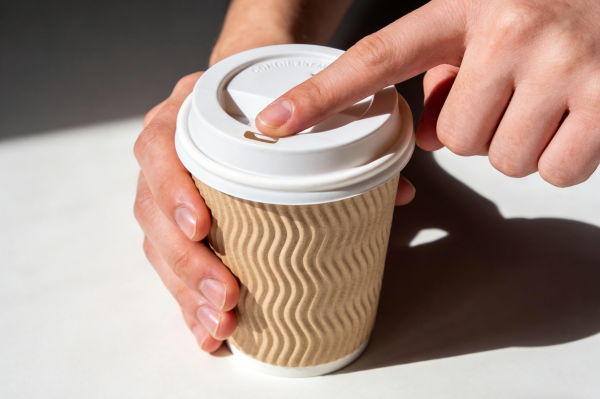
At Amity Packaging, Jonh and I don't just see a cup as a container. We see it as a small marvel of engineering. For "20+ years," my work has involved understanding every curve, every fold, and every material choice. It is about balancing different forces and user needs. This ensures your hot drink is safe and comfortable to hold. Let's explore the science behind these daily-use items.
Load-Bearing Triangle: How Do Cup Curves and Palm Fit Distribute the Weight of a Hot Drink?
Holding a hot drink can feel precarious. A full cup feels heavy. The right design prevents discomfort or spills. Our cups are designed for a secure, ergonomic hold.
Cup curves create a "load-bearing triangle" by matching the natural contours of the average palm. This ergonomic design distributes the weight of a hot drink effectively across multiple strong contact points of the hand, rather than concentrating it at a single weak point. This enhances grip security and comfort, reducing strain and the risk of spills.
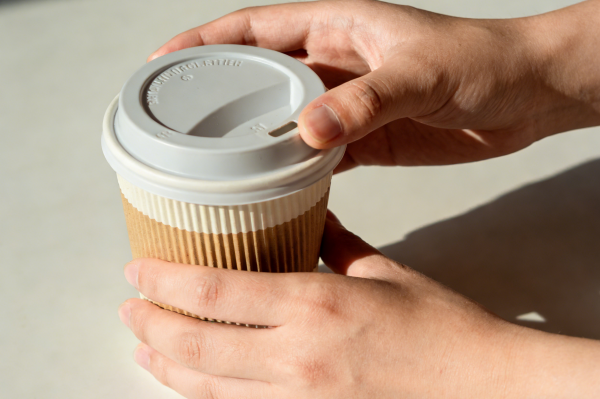
"I learned this early in my career." The shape of a paper cup is not random. The question, "Load-Bearing Triangle: How Do Cup Curves and Palm Fit Distribute the Weight of a Hot Drink?" addresses a core principle of good design. My "Mechanical Engineering degree" taught me about force distribution. Applied to a cup, this means the tapering shape and slight curvature aren't just for looks. They are functional. At Amity, we focus on how the cup interacts with the hand. This creates a natural "load-bearing triangle." Your fingers wrap around the body. Your palm supports the base. This ergonomic fit prevents the cup from feeling top-heavy. It stops the load from focusing on just one point. This significantly improves comfort and stability. This design makes even a full, hot drink feel secure. It reduces the chance of slips and spills.
Principles of Ergonomic Load Distribution
The concept of the "Load-Bearing Triangle" describes how a cup's geometry interacts with the human hand. This interaction is designed to effectively distribute the weight of a hot drink. This ensures both stability and comfort for the user. It is a key aspect of preventing accidental spills and enhancing the user experience.
1. The Natural Ergonomics of the Hand:
The human hand is naturally designed to grip. It forms a 'C' shape when holding cylindrical objects. This grip involves:
Fingers: Primarily the thumb, index, and middle fingers provide grasping force. They apply pressure from the sides.
Palm: The lower part of the palm and the base of the thumb provide crucial support from below. They act as a base. A cup's curves are specifically tapered. This taper allows the fingers to naturally nest. It allows the palm to cradle the lower part of the cup. This creates multiple stable contact points, rather than a single point of pressure. It forms a stable "triangle" of support. My "15 years in disposable packaging manufacturing" has shown me countless designs. The best ones always consider this natural fit.
2. Distributing the Weight Load:
When a cup is held, the weight of the liquid inside creates a downward force. If this force is concentrated on a small area or a weak grip, the cup can deform, slip, or feel unstable. The "load-bearing triangle" addresses this by distributing the weight:
Side Walls: The taper of the cup allows the fingers to apply pressure along a larger surface area of the sidewalls. This distributes the stress.
Base Support: The narrowing base allows the palm to provide direct support to the bottom of the cup. This takes vertical load.
Reduced Stress Points: This multi-point contact reduces localized stress on the paperboard. This minimizes the chance of buckling or bending. It maintains the cup's form. This design helps even Amity's "disposable paper cups" withstand the pressure of a full hot drink.
3. Enhancing Grip Security and Comfort:
A well-distributed load also improves the user's perception of security.
Increased Friction: More contact area between the hand and the cup means more friction. This prevents slipping.
Reduced Hand Fatigue: The weight is spread across the hand. This reduces the strain on individual fingers or muscles. This makes the cup more comfortable to hold for longer periods.
Thermal Comfort: The ability to hold the cup securely also allows the user to adjust their grip. This allows them to avoid direct contact with the hottest parts. This contributes to better thermal comfort.
| Element | Role in Load-Bearing Triangle | Impact on User Experience |
|---|---|---|
| Cup Taper | Adapts to hand's natural contours, broadens contact | Secure finger wrap, reduces slipping |
| Sidewall Curvature | Distributes horizontal gripping pressure evenly | Prevents localized deformation, enhances stability |
| Base Fit with Palm | Provides crucial vertical support, cradles weight | Reduces bottom sagging, increases overall security |
| Multiple Contact Points | Spreads load across hand's stronger areas | Minimizes strain, improves grip comfort for hot items |
Therefore, the "Load-Bearing Triangle" is a critical aspect of paper cup design. Through careful consideration of "Cup Curves and Palm Fit," it effectively "Distributes the Weight" of a hot drink. It ensures an intuitive, secure, and comfortable holding experience for the end-user.
Foundation Reinforcement: How Does the Stabilizing Design of a Thickened Base and Heat-Insulating Ring Prevent Spills?
A wobbly cup means a spilled drink. The strongest buildings need strong foundations. How does a cup's base achieve this crucial stability?
The "foundation reinforcement" of a cup's "thickened base and heat-insulating ring" prevents spills by significantly enhancing stability. The extra material at the base creates a wider, more rigid platform, resisting tipping. The "heat-insulating ring" not only protects the user from heat but also adds structural integrity, increasing resistance to deformation under load and preventing base detachment.

"Jonh and I always emphasize" that stability starts from the bottom. The question, "Foundation Reinforcement: How Does the Stabilizing Design of a Thickened Base and Heat-Insulating Ring Prevent Spills?" highlights this often-overlooked area. My "20+ years of experience" designing paper products has taught me that the base is critical. It supports the entire structure and contents. We achieve "foundation reinforcement" through a layered approach. A "thickened base" provides a broad, stable platform. This resists tipping. It also allows for stronger sealing. The "heat-insulating ring," often found in double-wall cups, is more than just a thermal barrier. It acts as an additional structural band. This ring stiffens the lower part of the cup. It distributes stress. This prevents deformation where the base meets the sidewalls. This combined design ensures the cup stands firm. It reduces the risk of spills, even when full and hot.
Engineering Stability and Heat Protection at the Base
The "Foundation Reinforcement" of a cup's "Thickened Base and Heat-Insulating Ring" is essential for its overall stability and user safety. This area is subjected to significant stress. It must resist both the weight of the liquid and potential thermal deformation.
1. The Role of the Thickened Base:
The base of most paper cups is not a single layer of paper. It is typically a folded, crimped, and sealed multi-layered structure.
Increased Rigidity: Folding the paper several times at the base creates additional layers. This significantly increases the bending stiffness and overall rigidity of the base. It makes it much harder for the base to sag or deform under the weight of the liquid.
Wider Footprint: The crimping process often results in a slightly wider base diameter. This increases the cup's footprint. A wider base provides better resistance to tipping. This is crucial for preventing spills, especially on uneven surfaces.
Stronger Seal: The multiple layers and compression during the sealing process create a robust, leak-proof bond between the base and the sidewalls. This prevents the base from detaching, which would lead to catastrophic spills. My time at Amity has involved perfecting this sealing technology. We use advanced machines.
2. The Structural Function of the Heat-Insulating Ring:
Many cups designed for hot beverages feature a separate outer wall or a structured "heat-insulating ring" (common in double-wall cups). This ring serves a dual purpose:
Thermal Barrier: Its primary function is to create an air gap. This gap traps stagnant air. It protects the user's hand from the heat of the liquid inside. This was covered in the previous blog post.
Structural Reinforcement: The outer wall or ring adds a significant layer of material to the lower part of the cup. This creates a "collar" of increased stiffness. This collar prevents the lower sidewalls from bulging or collapsing under the pressure of the liquid or external gripping forces. It provides an extra layer of defense against mechanical stress. This contributes significantly to the cup's overall structural integrity.
3. Synergy for Spill Prevention:
The combined effect of the thickened base and the insulating ring is a powerfully stable structure.
Enhanced Tipping Resistance: The wider, rigid base works with the stiffened lower sidewalls. This creates a low center of gravity. It maximizes resistance to accidental bumps or movements.
Deformation Prevention: Both elements reinforce the critical junction where the liquid's weight is transferred to the cup structure. This prevents local weakening or buckling, which could lead to instability or leaks. This synergy is what makes our cups at Amity reliable for hot liquids.
| Base Element | Primary Function | Secondary Structural Benefit | Overall Impact on Stability |
|---|---|---|---|
| Thickened Base Paper | Weight support, leak seal | Inc. rigidity, wider footprint | High resistance to tipping |
| Heat-Insulating Ring | Thermal protection for user | Reinforces lower sidewalls, distributes stress | Prevents bulging, enhances structural integrity |
| Strong Base Seal | Contains liquid effectively | Prevents catastrophic base failure | Ensures sustained containment |
Through this sophisticated "Foundation Reinforcement," the "Thickened Base and Heat-Insulating Ring" work together. They effectively "Prevent Spills" by providing robust stability and resisting deformation. This ensures a safe and secure experience for the user.
Tactile Defense: What Anti-Slip Strategies Are Used Through Surface Texture and Materials?
Is your cup often slippery, especially when condensation forms? This can be dangerous with hot drinks. How do modern cups prevent this?
"Tactile defense" employs "anti-slip strategies" through "surface texture and materials" to enhance grip for paper cups, especially with hot liquids that can cause condensation. Embossed patterns, matte finishes, or specialized coatings increase friction between the hand and the cup. This reduces slipperiness and improves holding security, providing a safer and more comfortable user experience.

Slippery hands and hot drinks are a recipe for disaster. This is a common problem client's mention to me. The question, "Tactile Defense: What Anti-Slip Strategies Are Used Through Surface Texture and Materials?" gets at this safety concern. My "20+ years of experience" has taught me that the feel of a cup is as important as its strength. At Amity, we develop "tactile defense" solutions. We use various "anti-slip strategies." One simple way is through surface texture. Some cups have subtle embossed patterns. These patterns increase friction points. They create a drier feeling surface, even with condensation. We might also use specialized materials or coatings. These give a slightly matte finish. This finish provides more grip than a glossy one. These small design choices make a big difference. They make the cup secure in your hand. This helps prevent dangerous slips.
Enhancing Grip Security Through Surface Engineering
"Tactile Defense" through "Anti-Slip Strategies" involving "Surface Texture and Materials" is a critical aspect of paper cup design. It directly addresses the challenge of maintaining a secure grip. This is especially true when handling hot liquids, which can cause condensation on the cup's exterior.
1. The Physics of Friction and Grip:
Grip security depends largely on the friction between the hand and the cup surface. This friction can be reduced by:
Smooth Surfaces: A perfectly smooth surface offers minimal frictional resistance.
Moisture (Condensation): Condensation from hot drinks or moisture on the hand acts as a lubricant. It drastically reduces friction. "Anti-slip strategies" aim to increase this friction. They do this by modifying the surface. They also aim to manage moisture at the contact interface.
2. Surface Texture for Enhanced Friction:
Embossed Patterns: Many double-wall or specially designed cups feature subtle embossed patterns. This can be lines, dots, or a random texture. These patterns act in several ways:
Increased Surface Area: They create more physical contact points with the hand's micro-ridges. This boosts overall friction.
Micro-Channels for Moisture: The raised texture creates tiny channels. These channels can help dissipate or capture small amounts of condensation. This keeps the immediate contact points drier.
Perceptual Grip: Even subtle textures provide a tactile sensation of increased grip. This gives the user more confidence.
Matte Finishes: Compared to glossy surfaces, matte finishes are inherently less smooth at a microscopic level. They create more points of mechanical interlocking with the skin. This leads to higher friction coefficients. Our "logo & printing customization" can incorporate matte coatings.
3. Material Properties and Coatings:
The type of paperboard and any external coatings also play a role:
Uncoated Paperboard: Generally offers better natural friction than heavily coated, glossy paper.
Specialized Coatings: Some cups may use external coatings designed to be hygroscopic (to absorb moisture) or to provide a slightly rubberized feel. These enhance grip, even when damp.
Dual-Layer Design: Double-wall cups naturally provide an air gap. This reduces external condensation. This keeps the outer surface drier. It thus maintains better grip. Jonh, with his "15 years in disposable packaging manufacturing," is very specific about these material selections.
| Anti-Slip Strategy | Mechanism of Action | Benefit |
|---|---|---|
| Embossed Patterns | Creates micro-texture, channels moisture | Increased friction, drier feel, perceptual security |
| Matte Finishes | Microscopic roughness, more contact points | Higher friction coefficient, less slippery |
| Dual-Wall Design | Minimizes condensation on outer surface | Keeps cup exterior drier, maintains natural grip |
| Specialized Coatings | Hygroscopic or rubberized feel | Enhanced friction, particularly when damp |
Through these "anti-slip strategies," "Tactile Defense" ensures that "Surface Texture and Materials" work together. They create a safe and comfortable grip. This is critical for preventing slips and guaranteeing user satisfaction with hot beverages.
Pressure-Resistant Closed Loop: How Does Deformation Prevention Work Via Sidewall Stiffness and Seam Technology?
Ever squeezed a hot cup only for it to buckle or leak at the seam? A weak cup means a messy accident. How do we build in resilience?
"Deformation prevention" works via a cup's "pressure-resistant closed loop." This combines robust "sidewall stiffness" and advanced "seam technology." High-quality paperboard and optimized wall thickness enhance rigidity, resisting external squeeze forces. Secure, continuous seam seals, formed by heat and pressure, create an unbroken, leak-proof cylinder, ensuring the cup maintains its structural integrity against internal liquid pressure and external handling.
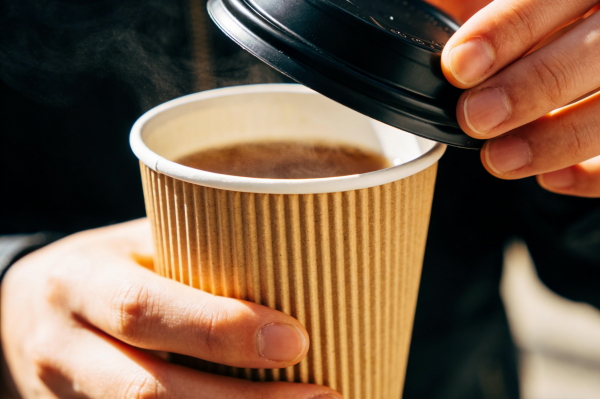
Preventing a cup from buckling or leaking under pressure is a core engineering challenge. The question, "Pressure-Resistant Closed Loop: How Does Deformation Prevention Work Via Sidewall Stiffness and Seam Technology?" gets into the details of this integrity. My "Mechanical Engineering degree" focused on structural integrity. Applying this to paper cups is complex. At Amity, we build a "pressure-resistant closed loop." It all starts with "sidewall stiffness." We use high-quality paperboard. We optimize its thickness. This resists external squeeze. But a stiff wall is only as good as its weakest link. That link is often the seam. Our "seam technology" is advanced. It creates a continuous, strong bond from top to bottom. This transforms the cup into a single, cohesive cylinder. This "closed loop" means the cup resists deformation. It prevents leaks when you grip it, even with a hot, full drink inside.
The Interplay of Materials and Manufacturing for Cup Integrity
"Deformation Prevention" is achieved through a "Pressure-Resistant Closed Loop." This structural integrity relies on the effective combination of "Sidewall Stiffness" and sophisticated "Seam Technology." These elements work synergistically to ensure the cup maintains its shape and integrity under the various forces it encounters.
1. Sidewall Stiffness: The Body of Resistance:
The cylinder that forms the main body of the cup is its primary defense against deformation.
Paperboard Quality: The intrinsic stiffness of the paperboard itself is crucial. We select specific grades of paperboard for our disposable paper cups. They provide optimal strength-to-weight ratios. This minimizes material while maximizing rigidity.
Wall Thickness: A thicker wall, achieved through higher basis weight paperboard or multi-wall construction (e.g., double-wall cups), naturally offers greater resistance to buckling. This is due to increased moment of inertia.
Coatings: Internal (e.g., PE, PLA) and sometimes external coatings not only make the cup liquid-proof. They also contribute to the overall stiffness of the paper fibers. This prevents them from softening. This helps maintain shape, especially when exposed to heat and moisture. My "20+ years of experience" selecting and sourcing materials ensures we get the right balance.
2. Seam Technology: Completing the Loop:
The side seam, where the paperboard edges are joined, is a critical structural element. A weak seam is a point of failure.
Continuous Sealing: Modern seam technology creates a continuous, uninterrupted bond along the entire length of the sidewall. This is typically achieved through specialized ultrasonic or thermal sealing processes. These processes melt and fuse the PE or PLA coatings on the paper. This creates a homogeneous bond.
Overlap Design: The edges are usually overlapped and sealed. This creates a double-layered section. This increases the local stiffness at the seam. It acts as a reinforcing rib.
Base Seam Integration: The strong sidewall seam then connects seamlessly with the reinforced base seam. This completes the "closed loop" of structural integrity. This prevents any weak points where the cup could unravel or leak when subjected to pressure, such as handling or sitting on an uneven surface. Amity's "advanced production lines" are key to achieving these precise, strong seams consistently.
3. The "Pressure-Resistant Closed Loop" in Action:
When you hold a cup with a hot drink, several forces are at play:
Internal Hydrostatic Pressure: The liquid pushes outwards on the sidewalls.
External Gripping Pressure: Your hand squeezes the cup inwards.
Vertical Load: The weight of the liquid pushing downwards. The "pressure-resistant closed loop" formed by the stiff sidewalls and robust seams allows the cup to evenly distribute and resist these forces. It prevents localized deformation (such as bulging or caving in). It ensures that the cup maintains its shape and contains the liquid effectively without leaking.
| Structural Element | Contribution to Deformation Prevention | Risk if Element Fails |
|---|---|---|
| Sidewall Stiffness | Resists buckling from external and internal forces | Cup collapses inward/outward |
| Seam Technology | Creates continuous, strong structural cylinder | Leakage, unravelling, catastrophic failure |
| High-Quality Paperboard | Provides intrinsic strength and rigidity | Softening, tearing, poor shape retention |
| Internal Coatings (PE/PLA) | Strengthens paper fibers, liquid barrier | Softening, material degradation |
Thus, "Deformation Prevention" is not just about one feature. It is about a "Pressure-Resistant Closed Loop" formed by the careful combination of superior "Sidewall Stiffness" and advanced "Seam Technology." This ensures that a paper cup can reliably contain and deliver your hot beverage without unexpected mishaps.
Conclusion
The structural mechanics of a cup are complex. The "load-bearing triangle," "foundation reinforcement," "tactile defense," and "pressure-resistant closed loop" all balance weight, grip, and heat. This prevents slip and deformation, ensuring an optimal experience.