

The Future Path Of Plastic Cups: Striking A Balance Between Convenience And Sustainability?
Leave a message
The Future Path of Plastic Cups: Striking a Balance Between Convenience and Sustainability?
Are you, like me, constantly grappling with the paradox of disposable cups – their undeniable convenience versus their environmental impact? Is there a future for plastic cups that truly embraces sustainability?
The future path of plastic cups is about striking a delicate balance between convenience and sustainability. This involves significant material innovation towards bio-based alternatives, the establishment of circular economic systems for their lifecycle, model innovation that shifts from products to services, and broad multi-stakeholder collaboration to build a truly sustainable ecosystem for essential disposables.
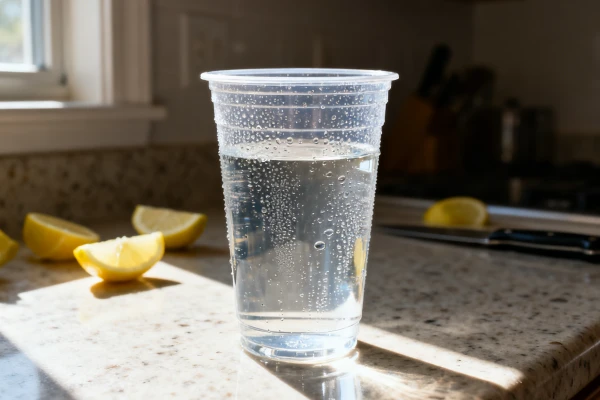
As a co-founder of Amity Packaging, with "20+ years of experience" in making disposable paper products, my mission is to "empower everyone who uses paper cups and bowls to truly understand paper packaging." But to genuinely understand our industry, we must also look at where plastic cups are headed. While our "Eco-Driven Mindset" focuses on paper, I recognize the ongoing role of plastic, and therefore the critical need to guide its "Future Path" toward sustainability.
Will Material Innovation Lead to a Breakthrough from Petroleum-Based to Bio-Based?
Plastic's environmental impact, especially its reliance on fossil fuels, is a huge concern for many. Are we truly stuck with petroleum-derived plastic cups forever, or is there a greener alternative emerging?
Yes, "Material Innovation" is actively pushing plastic cups beyond petroleum, leading to a "Breakthrough from Petroleum-Based to Bio-Based" alternatives. These new plastics, derived from renewable resources like corn starch, sugar cane, or cellulose, offer a promising path to reduce our reliance on fossil fuels, decrease carbon footprints, and potentially improve biodegradability or compostability, aligning convenience with crucial sustainability goals.

At Amity, our commitment to "using renewable and biodegradable materials" means I'm always watching these developments closely. Jonh, with his "Degree in Mechanical Engineering" and focus on "latest innovations in eco-friendly materials," often discusses the potential. I believe this "Breakthrough from Petroleum-Based to Bio-Based" materials is not just a trend; it's a necessary evolution for the disposable packaging industry.
The Green Chemistry of Bio-Plastics
"Material Innovation" is fundamentally reshaping the future of disposable cups, ushering in a significant "Breakthrough from Petroleum-Based to Bio-Based" plastics. This transition promises to alleviate many of the environmental concerns associated with traditional fossil-fuel plastics by leveraging renewable resources and often offering improved end-of-life options.
Firstly, Understanding Bio-based Plastic Types. The most common bio-based plastic making inroads into the disposable cup market is Polylactic Acid (PLA). PLA is typically derived from fermented plant starch, such as corn, cassava, or sugarcane. It boasts clarity and performance characteristics similar to PET (#1) plastic, making it suitable for cold beverage cups. Other emerging bio-based polymers include Polyhydroxyalkanoates (PHAs), which are produced by bacteria and are often lauded for their high biodegradability in various environments, and Polybutylene Succinate (PBS), which offers good thermal stability. These materials reduce the dependency on finite fossil resources, thus lowering the carbon footprint from raw material extraction. My company, Amity Packaging, already uses "biodegradable coatings (PLA bio-based)" for paper cups, showing our commitment to this direction.
Secondly, Navigating End-of-Life Options: Compostability vs. Biodegradability. Not all bio-based plastics are created equal when it comes to their disposal. PLA, for example, is commercially compostable, meaning it breaks down in industrial composting facilities under specific conditions (high heat, humidity, and microbial activity). It generally requires these specialized facilities and will not readily degrade in a home compost bin or landfill within a short timeframe. PHAs, by contrast, are often more broadly biodegradable, capable of breaking down in marine environments or soil. This distinction is crucial for consumers and businesses alike; a cup labeled bio-based isn't automatically a universally disposable solution. The success of these materials hinges on the development of corresponding infrastructure.
Finally, Challenges and Future Outlook. Despite their promise, bio-based plastics face challenges. Their production costs can be higher than traditional plastics, impacting the "Extreme Unit Cost" advantage petroleum-based plastics currently hold. Performance parity, especially for hot applications, is also an area of ongoing research and development. Furthermore, the existing recycling infrastructure is largely not equipped to sort and process bio-plastics effectively, meaning many bio-based cups might still end up in landfills, defeating part of their purpose. However, as demand for sustainable options grows, investment in R&D and infrastructure for bio-based and compostable plastics is increasing. This continuous "Material Innovation" will lead to more robust and economical solutions, eventually making the "Breakthrough from Petroleum-Based to Bio-Based" universally viable for disposable cups.
| Bio-Based Plastic | Raw Material Source | Key Properties | End-of-Life Option | Current Challenges |
|---|---|---|---|---|
| PLA | Corn starch, sugarcane | Clear, rigid, good for cold drinks | Industrial composting | Requires specific facilities, not home compostable, less heat resistant than PP |
| PHA | Bacteria/microorganisms | Versatile, some are highly biodegradable (soil/marine) | Varies (compostable/biodegradable) | Higher cost, less common, performance can vary |
| PBS | Fermented sugars | Good thermal processability, some biodegradability | Industrial composting | Higher cost, requires specific infrastructure |
| Cellulose-based | Wood pulp, plant fibers | Strong, sometimes translucent, can be compostable | Varies (compostable/recyclable) | Production complexity, cost |
Therefore, "Material Innovation" driving a "Breakthrough from Petroleum-Based to Bio-Based" plastics is not just a scientific endeavor; it's a critical strategic shift that will define the future of sustainable disposable cups, provided we also invest in the necessary end-of-life infrastructure.
Can Circular Systems Build a Full Life Cycle Closed Loop for Plastic Cups?
Recycling plastic cups often feels like a broken promise, with many ending up in landfills regardless of the chasing-arrows symbol. Is true circularity for these disposables just a pipe dream, or a reachable goal?
Yes, "Circular Systems" aim to transform how plastic cups are managed, seeking to build a "Full Life Cycle Closed Loop." This goal involves designing cups for recyclability, vastly improving collection and sorting, employing advanced reprocessing technologies, and fostering strong market demand for recycled content. It's a complex endeavor that strives to keep materials in use, minimize waste, and prevent pollution.

My "Eco-Driven Mindset" at Amity constantly pushes us towards more sustainable practices. Jonh often says, "Recycling isn't just a bin; it's an entire ecosystem." I know that "Circular Systems" and building a "Full Life Cycle Closed Loop" is the ultimate goal, not just for paper, but for all packaging materials, including plastic cups.
Reimagining the Life of a Plastic Cup
The concept of "Circular Systems" offers a transformative vision, aiming to build a "Full Life Cycle Closed Loop" for plastic cups, moving away from current linear "take-make-waste" models. This shift requires fundamental changes across the entire value chain, from design to end-of-life management.
Firstly, Designing for Recyclability. The journey towards circularity begins at the design stage. Engineers and product developers must create cups made from single-polymer plastics (like 100% PET or 100% PP), which are easier to sort and reprocess. Multi-layer constructions or cups with complex additives often complicate or prevent recycling. The design must also consider ease of cleaning and minimal contamination. This focus on "design for recyclability" ensures that the product doesn't just bear a recycling symbol, but is actually compatible with existing or emerging recycling technologies. Jonh, with his "15 years in disposable packaging manufacturing," continually evaluates materials and structures with this in mind, even for paper products to ensure they are recyclable or compostable.
Secondly, Improving Collection and Advanced Sorting Infrastructure. A significant barrier to circularity is the inconsistent collection and sorting of plastic cups. Many cups, especially those used away from home, end up in general waste. Building robust "reverse logistics" systems-deposit-return schemes, public collection bins, and commercial take-back programs-is vital. Furthermore, traditional material recovery facilities (MRFs) struggle with sorting small, lightweight, or flexible plastics. "Advanced sorting infrastructure," utilizing AI, robotics, and optical sorters, is necessary to accurately identify and separate different plastic types, ensuring high-quality feedstock for reprocessing.
Finally, Reprocessing Technologies and Market Demand. Once collected and sorted, the plastics need to be reprocessed. Mechanical recycling processes clean, shred, melt, and pelletize the plastic for reuse. However, for contaminated or mixed plastics, "advanced recycling technologies" like chemical recycling (depolymerization, pyrolysis, gasification) can break plastics down to their molecular building blocks, yielding virgin-quality raw materials. The final piece of the closed loop is "market demand for recycled content." Brands, including packaging manufacturers like Amity, must commit to using recycled materials in their new products. This creates the economic incentive for collection and reprocessing, thereby "ensuring that the loop truly closes" and plastic cups don't merely get recycled once, but can be part of an ongoing cycle.
| Stage in Circular System | Key Actions | Impact on Sustainability | Challenges |
|---|---|---|---|
| Design | Mono-material, minimal additives, ease of separation | Maximizes material purity for recycling | Requires product redesign, industry consensus |
| Collection | Deposit-return schemes, widespread public/commercial bins | Increases capture rates, reduces litter | Infrastructure investment, consumer participation |
| Sorting | AI, robotics, optical sorters for precise identification | Improves purity of recycled streams | Investment in technology, scalability |
| Reprocessing | Mechanical recycling, chemical recycling | Turns waste into valuable raw materials | Energy intensity, cost, regulatory approval for chemical recycling |
| Market Demand | Brands commit to using recycled content | Creates economic incentive, closes the loop | Quality consistency, cost-effectiveness of recycled content |
By establishing robust "Circular Systems" that address design, collection, sorting, reprocessing, and market demand, we can realistically aspire to build a "Full Life Cycle Closed Loop" for plastic cups, making them a more sustainable element within the food service industry.
Will Model Innovation Lead to a Transition from Products to Services?
We've long been accustomed to buying and discarding plastic cups as single-use items. But what if we didn't "own" the cup at all, and instead simply borrowed its function?
Yes, "Model Innovation" is driving a "Transition from Products to Services" for disposable cups. This involves shifting from customers purchasing and disposing of cups to a system where cups are reused, returned to a service provider, professionally washed and sanitized, and then recirculated. This approach keeps materials in use for longer, reduces waste, and decentralizes the responsibility for end-of-life management.

This idea of responsibility for the product's entire life cycle deeply resonates with my "Eco-Driven Mindset" at Amity. Jonh often says, "Real sustainability is about reducing waste, not just making better waste." I believe this "Transition from Products to Services" through "Model Innovation" could fundamentally change how we think about disposable cups, whether plastic or paper.
The Rise of Reusable Systems
"Model Innovation" is fostering a significant "Transition from Products to Services" within the disposable cup market, particularly evident in the growing prevalence of reusable cup schemes. This paradigm shift repositions the cup from a consumable item to a piece of infrastructure that provides a service-the containment of a beverage-and is then returned and reused. My "20+ years of industry expertise" has taught me that bold changes are needed to truly move the needle on sustainability.
Firstly, How Cup-as-a-Service Models Work. In these systems, consumers typically pay a small deposit for a reusable cup or pay a subscription fee to access a network of reusable cups. After use, the cup is returned to a designated collection point (a store, a smart bin, or a cafe). A dedicated logistics and washing service collects these cups, transports them to a centralized facility where they undergo industrial-scale cleaning and sanitization, meeting strict hygiene standards. Once clean, the cups are redistributed to participating locations, ready for their next use. This model significantly extends the lifespan of each cup, reducing the number of disposables needed and the associated waste.
Secondly, Benefits for Businesses and Consumers. For consumers, it offers a sustainable alternative without the hassle of washing their own cups or remembering to bring them. For food service businesses, participating in such a scheme reduces their procurement costs for single-use disposables, minimizes their waste disposal fees, and enhances their green credentials, attracting environmentally conscious customers. It also simplifies local regulations regarding single-use plastics. Amity's commitment to "partnering with global clients to promote eco-friendly paper products" aligns with the spirit of reducing reliance on virgin materials, whether by reuse or compostability.
Finally, Challenges and Scalability. Implementing a successful "cup-as-a-service" model requires overcoming several challenges. It needs widespread consumer adoption and behavioral change, robust logistics for collection and redistribution, significant investment in industrial washing infrastructure, and standardized cup designs that are durable and universally accepted. Hygiene assurance is also paramount and requires strict protocols. Despite these hurdles, as cities and countries enact bans on single-use items, these "Model Innovation" solutions are becoming increasingly viable and necessary, proving that products can indeed evolve into services for a more sustainable future.
| Aspect of Service Model | How it Operates (Product to Service) | Sustainability Benefit | Implementation Challenges |
|---|---|---|---|
| Ownership | Cup owned by service provider, not consumer | Shifts waste management burden | Requires capital investment for inventory |
| Usage Pattern | Return and reuse (deposit or subscription) | Reduces single-use consumption, conserves resources | Consumer behavioral change, incentives |
| End-of-Life | Service provider manages cleaning, repair, recycling | Minimizes waste, maximizes material lifespan | Industrial washing infrastructure, logistics |
| Hygiene | Professional, centralized sanitization | Ensures high safety standards for reuse | Regulatory compliance, robust QC |
| Logistics | Reverse logistics for collection/redistribution | Optimizes resource flow | Network density, cost-efficiency |
Through "Model Innovation" leading to a "Transition from Products to Services," the future of plastic cups (or indeed, any disposable item) can move towards a more sustainable paradigm where convenience is retained, but the environmental impact is significantly reduced through systematic reuse and responsibility.
Will Multi-Stakeholder Collaboration Be Key to Building a Sustainable Development Ecosystem?
The complexities of plastic waste seem too big for any one company or government to solve alone. Is genuinely sustainable packaging possible without everyone working together?
No, "Multi-Stakeholder Collaboration" is absolutely key to "Building a Sustainable Development Ecosystem" for plastic cups, and all packaging. It requires governments, manufacturers, retailers, consumers, and recyclers to work together. This shared responsibility and collective action are essential for driving policy, fostering innovation, creating infrastructure, and changing consumer behavior to achieve true sustainability across the entire value chain.

My personal journey at Amity, creating "eco-friendly, high-quality, and safe paper packaging solutions," has reinforced this belief. Jonh often says, "No amount of individual effort can fix a broken system; you need everyone on board." I know that "Multi-Stakeholder Collaboration" is not just an ideal; it's the only practical way to build a "Sustainable Development Ecosystem" for plastic cups, and truly, for the entire disposable packaging industry.
The Power of Collective Action
"Multi-Stakeholder Collaboration" is not merely beneficial; it is absolutely indispensable for "Building a Sustainable Development Ecosystem" for plastic cups and indeed for all types of packaging. The intricate web of challenges-technical, logistical, economic, and behavioral-cannot be untangled by any single entity. It demands a coordinated effort across various sectors and actors.
Firstly, The Role of Policy and Regulation. Governments and regulatory bodies are crucial for setting the framework. This includes implementing extended producer responsibility (EPR) schemes, which hold producers accountable for the entire life cycle of their products, incentivizing sustainable design. Policies can also drive investment in recycling infrastructure, mandate recycled content targets, or restrict problematic single-use plastics. Without these top-down drivers, manufacturers may lack the incentive to innovate or invest. For instance, my company thrives on innovation partly because governments are increasingly favoring paper over plastic for certain applications.
Secondly, Manufacturers, Innovators, and Retailers. Producers like those in the plastic cup industry must actively invest in "Material Innovation" (bio-based plastics) and "Circular Systems" (design for recyclability). They need to develop and scale sustainable alternatives and integrate recycled content into their products. Retailers, as the interface with consumers, play a vital role. They can preferentially stock sustainable options, participate in reusable cup schemes, and educate their customers. Manufacturers develop the solutions, but retailers make them accessible and visible. This "Multi-Stakeholder Collaboration" ensures that the supply side meets the demand for sustainable options.
Finally, Consumers, Recyclers, and Research Institutions. Consumers are not passive recipients; their choices drive demand, and their active participation in collection and return schemes is fundamental to "Circular Systems." Recyclers are the linchpin, turning waste into resources; they need consistent, clean feedstock and robust markets for their output. Research institutions provide the foundational science and technological breakthroughs. Universities and research institutes drive the "Material Innovation" and develop advanced recycling techniques. This collaborative ecosystem ensures that challenges are collectively addressed, resources are efficiently utilized, and the path to genuine sustainability for disposable cups, whether plastic or paper, becomes a shared journey.
| Stakeholder Group | Key Contributions to Sustainability Ecosystem | Impact on Plastic Cup Future | Interdependencies |
|---|---|---|---|
| Governments/Regulators | Policy, EPR, infrastructure investment, standards | Sets the rules, creates incentives | Needs industry compliance, consumer adoption |
| Manufacturers | Product design, material innovation, production | Develops sustainable products, uses recycled content | Needs policy support, market demand, recycler capabilities |
| Retailers/Food Service | Consumer access, participate in reuse schemes, education | Promotes sustainable choices, facilitates collection | Needs manufacturer supply, consumer participation |
| Consumers | Demand for sustainable products, participate in collection | Fuels market change, closes the loop | Needs accessible options, clear guidelines |
| Recyclers/Waste Mgmt. | Collection, sorting, reprocessing | Converts waste into resources, provides feedstock | Needs robust infrastructure, market demand, clean input |
| Research Institutions | Material science, technology development | Drives innovation for new materials/processes | Needs funding, industry collaboration |
The challenge of plastic waste demands holistic "Multi-Stakeholder Collaboration." By working together, these diverse groups can effectively "Build a Sustainable Development Ecosystem" that transforms the future of plastic cups from a problem to a part of a circular, responsible economy.
Conclusion
The future of plastic cups balances convenience with sustainability through material innovation to bio-based alternatives, adopting circular systems, shifting to product-as-a-service models, and fostering multi-stakeholder collaboration for a truly sustainable ecosystem.


