The Golden Temperature Range For Paper Cups: The Optimal Guide For Different Beverages?
Leave a message
The Golden Temperature Range for Paper Cups: The Optimal Guide for Different Beverages?
Ever noticed how your coffee tastes best when it is hot, but not scalding? Or how a cold drink is ruined by a soggy cup? Temperature control is vital for beverage enjoyment, and the paper cup plays a bigger role than you might think. Without understanding these limits, your favorite drink might disappoint.
The "golden temperature range" for paper cups balances the thermodynamic limits of the materials, the optimal flavor release of the beverage, and the cup's structural integrity. Ensuring beverages stay within this range prevents the cup from failing, preserves the drink's intended taste and aroma, and enhances the overall user experience, whether hot or iced. This guide helps balance safety, flavor, and feel.
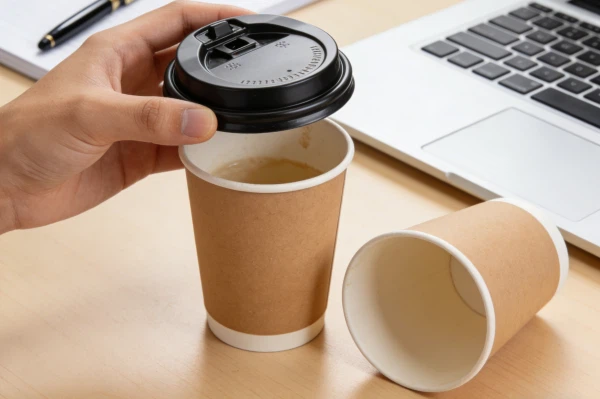
At Amity, Jonh and I have been "Mastering the Art of Disposable Paper Product Manufacturing" for "20+ years." We know that a great drink experience depends heavily on the cup. Our "mission: Empower everyone who uses paper cups and bowls to truly understand paper packaging" means diving into details like temperature. From "raw material selection" to "tailor-made solutions," every choice we make is to ensure your cup is perfect for its contents. Let me share how we navigate the complex science of temperature and paper cups.
Thermodynamic Limits: What's the "Maximum Tolerance" of Coatings and Paper Bases?
Have you ever worried your hot coffee might melt through its cup? Or perhaps noticed a cup wilting under extreme heat? Understanding the physical boundaries of a paper cup is key to preventing mishaps and ensuring safety. What exactly can these materials endure?
"Thermodynamic Limits" define the "maximum tolerance" of paper cup coatings and paper bases. Polyethylene (PE) coated cups typically handle up to 100°C (212°F), while Polylactic Acid (PLA) coated cups are generally stable up to 80-90°C (176-194°F) before softening. The paper base itself can withstand hotter temperatures but relies on the coating for liquid containment, making coating integrity paramount for safety.

Jonh, with his "Degree in Mechanical Engineering" and "15 years in disposable packaging manufacturing," is particularly meticulous about "Thermodynamic Limits." He always stresses that our "strict quality control" starts with understanding how materials behave under stress. For instance, early in my career, I remember a client who wanted to serve extremely hot soup in a standard PLA-coated bowl. Jonh quickly advised them against it, explaining the PLA would soften and compromise the integrity. This taught us that balancing "eco-friendly" with functional is critical. We use this knowledge to provide "material & structure consultation" for our "disposable paper cups and bowls," ensuring they perform safely.
Decoding the Material Science Behind Temperature Thresholds
Understanding "Thermodynamic Limits: What's the 'Maximum Tolerance' of Coatings and Paper Bases?" is fundamental to safe and effective paper cup design. The interaction between the paperboard and its coating under varying temperatures directly dictates a cup's performance and prevents leaks or structural failure.
The Role of Coatings: PE vs. PLA
The internal lining is crucial for liquid containment, and its thermal stability defines the cup's maximum safe temperature.
Polyethylene (PE) Coating: This is the traditional plastic lining. PE is known for its excellent performance with a wide range of temperatures. It maintains its structural integrity and barrier properties well, even when exposed to boiling water. Its melting point is typically around 105-115°C (221-239°F), meaning it remains stable for most hot beverages. This is why many "disposable paper cups (hot & cold)" are PE-coated.
Polylactic Acid (PLA) Coating: As part of our "eco-driven mindset," Amity offers "PLA bio-based" coatings. PLA is derived from renewable resources like corn starch. While PLA is excellent for cold drinks and moderately hot beverages, its softening point is lower than PE, typically around 80-90°C (176-194°F). Beyond this, the coating can begin to soften, potentially compromising the liquid barrier, especially if held for extended periods. This is a critical factor for clients serving very hot teas or soups.
The Paper Base: Structural Backbone
The paperboard itself, while not directly touching the liquid, provides the cup's primary structural support.
Heat Resistance: "High-quality" paperboard made from cellulose fibers can withstand temperatures well above the softening points of both PE and PLA without combusting or significantly degrading. However, prolonged exposure to extremely hot liquids (especially if the coating is compromised) can cause the paper fibers to absorb moisture, leading to softening and weakening of the cup structure.
Insulation: The paperboard, particularly when "double-wall" construction is used, also provides crucial insulation, protecting the user's hand from the heat or cold of the beverage. This indirect thermal property helps maintain the integrity of both the contents and the cup itself.
My "experience in end-to-end production" has shown me countless times that getting the right material for the right temperature is non-negotiable. Our "tailor-made solutions" always factor in the client's specific beverage and serving temperatures. This ensures our cups deliver both safety and performance.
| Material Component | Key Thermodynamic Property | Typical Max Safe Temp (Approx.) | Impact if Exceeded | Amity's Solution/Feature |
|---|---|---|---|---|
| PE Coating | High melting point | 100°C (212°F) | Coating softens, potential leaks, structural integrity compromised | Used for standard hot/cold cups, reliable for boiling items |
| PLA Coating | Lower softening point | 80-90°C (176-194°F) | Coating softens, higher risk of leaks for very hot liquids | "Eco-friendly" option, recommended for less extreme heat |
| Paper Base | Fiber integrity, insulation | >100°C (212°F) | Softening, loss of rigidity if wet, heat transfer increased | "FSC-certified paper," optimized grammage, "double-wall" option |
By meticulously managing these "Thermodynamic Limits: What's the 'Maximum Tolerance' of Coatings and Paper Bases'," Amity ensures that each cup is not only "eco-friendly" but also robustly designed to keep drinks safe and contained within their intended temperature ranges.
The Lock on Flavor: What's the "Optimum Carrier Temperature" for Different Drinks?
Have you ever had a coffee that was too cold to really taste? Or soup so hot it numbed your tongue? A drink's temperature dramatically impacts its taste and aroma. How can a simple paper cup help unlock these sensory experiences?
"The Lock on Flavor" refers to exploring the "optimum carrier temperature" for different drinks, which directly influences their taste and aroma profiles. Paper cups, particularly insulated and double-wall designs, help maintain these ideal temperatures. This ensures a consistent and pleasurable drinking experience, as many beverages, like coffee, rely on a specific heat range to release their full spectrum of flavors.
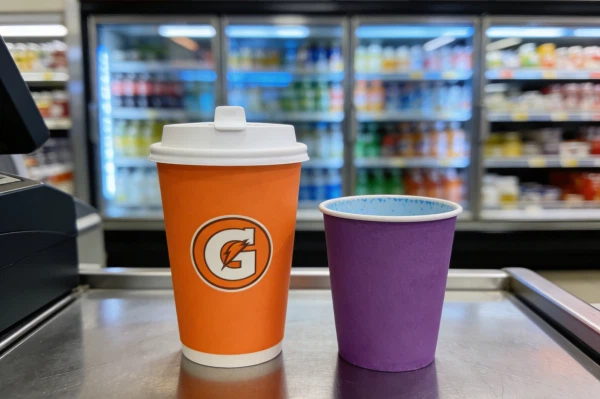
"The Lock on Flavor: What's the 'Optimum Carrier Temperature' for Different Drinks?" is a vital conversation to have with clients. I have always pushed for "solutions that enhance product performance and brand value," and taste is a huge part of that. I once worked with a barista who swore his coffee tasted inferior in cups that cooled too quickly. We found that switching to "double-wall" cups made a noticeable difference, retaining heat and preserving the intricate flavors for longer. Jonh's "material & structure consultation" helps us engineer cups that keep those precious flavors locked in.
Preserving Sensory Experience Through Thermal Design
"The Lock on Flavor" is about more than just keeping a drink cold or hot. It is about understanding how temperature acts as an "optimum carrier" for the complex flavors and aromas of various beverages. Our paper cup designs at Amity are crafted to help maintain these specific temperature ranges.
Hot Beverages: Unlocking Aromatics and Taste
For drinks like coffee, tea, and hot chocolate, a specific temperature range is crucial for optimal flavor perception.
Coffee: Generally, coffee is best enjoyed between 55-65°C (130-150°F). If it is too hot, it can scald the tongue, masking delicate flavors. If it cools too much, the aroma diminishes, and the coffee can taste bitter or stale. Paper cups help maintain this heat. Our "disposable paper cups" are designed with this in mind, with options like "double-wall" construction to provide extra insulation.
Tea: Similar to coffee, tea needs to be hot enough to release its compounds but not so hot that it becomes undrinkable. Herbal teas, in particular, often have nuanced flavors that are best expressed within a specific temperature window.
Soups and Other Hot Food: For "disposable paper bowls (soups, noodles, salads)," maintaining serving temperature is key for both enjoyment and food safety. The cup's insulation prevents rapid cooling, keeping the food appetizing until consumed.
Cold Beverages: Crispness and Refreshment
For cold drinks, the goal is to keep them chilled for as long as possible.
Soft Drinks and Iced Coffees: These beverages rely on their low temperature for their refreshing qualities. A cup that provides good insulation (such as a thicker paperboard or specialty cold cup designs) prevents rapid heat transfer from the environment, ensuring the drink stays crisp.
Juices: Fruit juices are most palatable when cold, preserving their freshness and taste.
How Paper Cups Provide Thermal Stability
Insulation: The paperboard itself is a natural insulator. Our "double-wall" paper cups build on this, creating an air gap between two layers of paper, which significantly reduces heat transfer. This keeps hot drinks hotter and cold drinks colder for longer.
Lids: Pairing the cup with an appropriate lid further enhances thermal retention by preventing heat (or cold) from escaping through the top opening. This helps "Lock on Flavor" and aroma for longer periods.
Material Selection: While focused on safety (as per Thermodynamic Limits), the choice of coating also impacts how quickly heat is lost or gained.
My mission is to "Empower everyone who uses paper cups and bowls to truly understand paper packaging." Part of this is educating customers that the right cup can elevate their beverage experience. It is not just a container; it is an active partner in enjoying the taste.
| Beverage Type | Optimal Serving Temperature (Approx.) | How Temp Affects Flavor | Amity's Cup Solution |
|---|---|---|---|
| Hot Coffee/Tea | 55-65°C (130-150°F) | Releases full aroma and flavor without scalding tongue | "Double-wall paper cups" for insulation, appropriate lids |
| Hot Soups/Noodles | 65-75°C (150-167°F) | Warm, comforting, prevents rapid cooling | "Disposable paper bowls" with sturdy insulation |
| Iced Drinks/Juices | 0-10°C (32-50°F) | Crisp, refreshing, prevents dilution | Cold cups ("PE/PLA coated") with condensation management |
| Hot Chocolate | 60-70°C (140-158°F) | Rich, creamy texture, full sweetness and chocolate notes | Insulated cups, preventing quick cooling |
Through this understanding of "The Lock on Flavor" and the "Optimum Carrier Temperature" for various drinks, we ensure our "paper-based food service products" enhance the sensory experience, making every sip more enjoyable.
Challenges Below Zero: How Do We Balance Condensation and Cup Strength for Iced Beverages?
Have you ever had a cold drink in a paper cup that ended up a soggy, frustrating mess? The battle against moisture on the outside of the cup is as crucial as containing the liquid inside. How can a paper cup stand up to the challenge of ice-cold beverages?
"Challenges Below Zero" involves balancing external condensation with cup strength for iced beverages. When cold drinks meet warmer air, condensation forms, which can weaken the paper fibers and compromise the cup's integrity. Effective solutions include specialized coatings, thicker paperboard for added rigidity, and external features like textured surfaces or sleeves to manage moisture and maintain cup strength.

"Challenges Below Zero: The Balance Between Condensation and Cup Strength for Iced Beverages" is where many paper cups falter. I have seen countless soggy cups collapse. The goal is to avoid that. It is always a priority in our "tailor-made solutions" for cold items. Jonh, our "Mechanical Engineer," has personally overseen the development of our cold cups to combat this issue. He knows that maintaining "strict quality control" for both the coating and the paper itself is paramount to preventing those frustrating leaks and collapses.
Engineering Against External Moisture
The "Challenges Below Zero" for paper cups are distinct from those for hot beverages, primarily dealing with external moisture from condensation. This requires deliberate design choices in "disposable paper cups" and "disposable paper bowls" to maintain structural integrity and a positive user experience.
The Problem of Condensation
Formation: When an ice-cold beverage is placed in a cup, the cup's exterior temperature drops significantly. If the surrounding air is warmer and humid, water vapor in the air condenses onto the cooler cup surface, forming droplets.
Weakening Effect: These external water droplets, if not managed, can slowly be absorbed by the outer layer of the paperboard. Paper fibers, when saturated, lose their inherent stiffness and strength, leading to the cup becoming soft, flimsy, and potentially collapsing or tearing, often impacting the "user experience baseline."
Mess and Discomfort: Excess condensation also makes the cup wet and slippery to hold, leading to discomfort and potential spills.
Engineered Solutions for Cold Cups
At Amity, we employ several strategies to tackle these "Challenges Below Zero":
Specialized Coatings: While the internal coating (PE or PLA) primarily prevents the liquid from penetrating the paper from the inside, a robust outer coating or a specialized paper stock for cold cups can also resist external moisture absorption, helping to keep the cup stronger for longer.
Thicker Paperboard (Higher Grammage): Cold cups often utilize a slightly higher "grammage" paperboard than basic hot cups. This provides increased rigidity and a greater resistance to softening even if some external moisture is absorbed, extending the cup's usable life.
"Double-Wall" Construction: For premium cold beverages, "double-wall" designs can be employed. The air gap between the two walls helps insulate the outer surface from the cold inner layer, significantly reducing condensation formation on the very outer surface. This keeps the hand dry and the cup sturdy.
Texturized Surfaces: Sometimes, a subtle texture on the outer surface can disrupt the continuous film of condensation, making the cup less slippery and improving grip, contributing to "squeezable satisfaction" without compromising sturdiness.
Lids and Sleeves: While not part of the cup itself, complementary products like tight-fitting lids (which can reduce evaporation and thus less internal temperature drop causing condensation) and paper sleeves (for an additional absorbent layer) help manage condensation, particularly for very long-lasting iced drinks.
My experiences with "product applications in multiple markets" highlight that a cup's performance in cold conditions is as critical as its performance with hot drinks. We rigorously test our cold cups to ensure they stand up to real-world "Challenges Below Zero," offering "high-quality, eco-friendly, and safe paper packaging solutions."
| Condensation Challenge | Problem Solved | Amity's Design Solution | Benefit for User |
|---|---|---|---|
| External Moisture | Softens paper, weakens structure, makes cup slippery | Specialized outer paperboard treatment, robust coatings | Cup remains strong, dry to touch, reliable |
| Loss of Rigidity | Cup collapses or becomes flimsy under handling | "Higher grammage" paperboard, "structural ingenuity" | Maintains form, prevents spills, enhances perceived quality |
| Poor Insulation | Drink warms quickly, condensation forms rapidly | "Double-wall" options, thicker paper | Drinks stay colder longer, less external moisture |
| User Discomfort | Wet, slippery cup, cold to hold | "Double-wall" cups, optional sleeves | Comfortable grip, dry hands, enjoyable experience |
By addressing "Challenges Below Zero: The Balance Between Condensation and Cup Strength for Iced Beverages," Amity ensures our cups perform optimally. This helps deliver both refreshing drinks and a confident, comfortable user experience, even for the coldest items.
Practical Guide: A Quick-Reference Chart Covering "Safety, Flavor, and Feel"
Navigating the best practices for serving beverages in paper cups can be complex. To simplify, here is a concise guide covering the key factors for a perfect drink.
This quick-reference chart provides a practical guide, integrating considerations for "safety, flavor, and feel" across various beverage types. It helps ensure that drinks are served at optimal temperatures, preventing cup failure, maximizing taste, and enhancing user satisfaction, making informed choices for paper cup usage straightforward.

At Amity, we develop "tailor-made solutions" and offer "material & structure consultation" based on these principles. My goal is always to equip our clients with the knowledge to make smart choices. This "Practical Guide: A Quick-Reference Chart Covering 'Safety, Flavor, and Feel'" is the distilled essence of what Jonh and I have learned over "20+ years" of "Mastering the Art of Disposable Paper Product Manufacturing." It is all about delivering "high-quality, eco-friendly, and safe paper packaging solutions."
These guidelines ensure your paper cups perform well, enhancing the entire drinking experience, from beginning to end.
| Beverage Type | Temperature Range (Approx.) | Key Safety Consideration | Flavor Enhancement | Feel/User Experience Goal | Recommended Amity Cup Feature |
|---|---|---|---|---|---|
| Hot Coffee | 55-65°C (130-150°F) | Coating integrity (no leaks) | Maintained aroma, balanced taste | Warm hands, sturdy feel, good grip | Double-wall paper cups (PE or PLA) |
| Hot Tea | 60-70°C (140-158°F) | Coating integrity, heat transfer | Full release of botanicals, no scalding | Comfortable to hold | Double-wall paper cups (PE or PLA) |
| Boiling Water | 100°C (212°F) | PE coating required | N/A (as base liquid) | Hand protection (very hot) | High-grammage PE-coated paper cups |
| Hot Soup | 65-75°C (150-167°F) | Coating integrity, structural rigidity | Retain warmth, appetizing flavors | Sturdy without excessive heat transfer | Disposable paper bowls (PE or PLA) |
| Iced Drinks | 0-10°C (32-50°F) | Condensation management | Crisp, refreshing, undiluted taste | Dry exterior, firm cup, no slippage | Cold cups (PE/PLA coated), thicker paper |
| Non-refrigerated | 15-25°C (59-77°F) | Minimal; basic barrier | Natural taste | Comfortable, sturdy | Standard single-wall paper cups |
This "Practical Guide: A Quick-Reference Chart Covering 'Safety, Flavor, and Feel'" simplifies complex interactions. It ensures that businesses and consumers can confidently choose and use paper cups, optimizing both product performance and user satisfaction for every beverage type.
Conclusion
The "golden temperature range" for paper cups is crucial for safety, flavor, and comfort. By understanding material limits, respecting optimal flavor temperatures, fighting condensation, and using practical guidance, we ensure every cup perfectly suits its drink.