What Are The New Tea Drink Packaging Trends: From 'Visual Appeal Economy' To 'Environmental Responsibility'?
Leave a message
What Are the New Tea Drink Packaging Trends: From 'Visual Appeal Economy' to 'Environmental Responsibility'?
Tea drink sales are booming, but how does your packaging stand out in a crowded market? Generic packaging risks your brand becoming invisible. Understand the latest trends to capture attention and customer loyalty.
New tea drink packaging trends focus on high 'shareability' aesthetics, cutting-edge eco-materials like PLA and plastic-free solutions, interactive functional experiences, and strategic sustainable design aligning with ESG principles. These innovations elevate brand value and meet evolving consumer demands.

Jonh and I at Amity have "20+ years" in packaging. We have seen how quickly packaging trends change, especially in dynamic markets like tea drinks. Our "mission: Empower everyone who uses paper cups and bowls to truly understand paper packaging" means we watch these shifts closely. It is about more than just holding a drink; it is about making a statement and meeting customer expectations, whether through stunning visuals or eco-friendly materials. As a professional manufacturer, we offer "tailor-made solutions" precisely to help clients navigate these evolving landscapes. Let me share what I am seeing in the industry.
How Do We Design Packaging for High 'Shareability' to Create Social Currency?
In today's visual world, a great tea drink often does not just taste good-it looks good too. Plain packaging loses out on free social media marketing. Let us make your packaging an Instagram hit and a brand builder.
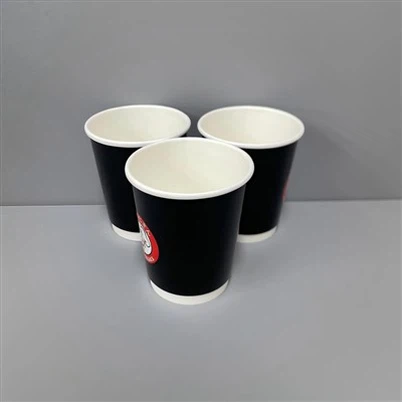
Designing for high 'shareability' involves bold, unique aesthetics, engaging graphics, and photo-ready elements that encourage customers to post their drinks online. This creates "social currency" by making the packaging an extension of personal style and a talking point, boosting organic brand visibility.

I have always been fascinated by how design can influence people. In the tea drink market, a fantastic flavor explosion is only half the battle. The other half is how that drink looks and, crucially, how it makes the customer feel-especially on social media. I recall working with a new bubble tea shop. They had amazing recipes but generic cups. After our "logo & printing customization," featuring bright, playful illustrations and a unique cup silhouette, their sales exploded, largely due to customers sharing photos online. This is the essence of "Visual Appeal Economy" and "Creating Social Currency." It is about making the packaging an experience in itself. Jonh, with his "creative yet practical logo design ideas," always emphasizes this balance. Let me explain "How Do We Design Packaging for High 'Shareability' to Create Social Currency?"
Crafting the Aesthetic Experience for Social Engagement
In the "Visual Appeal Economy," packaging for tea drinks is no longer just a container; it is a canvas for self-expression and a tool for "social currency." My approach to designing for high 'shareability' is rooted in understanding consumer psychology and digital culture. I ask: "Will someone be proud to hold this cup?" and "Does it invite a photo?"
Here are the key elements I consider:
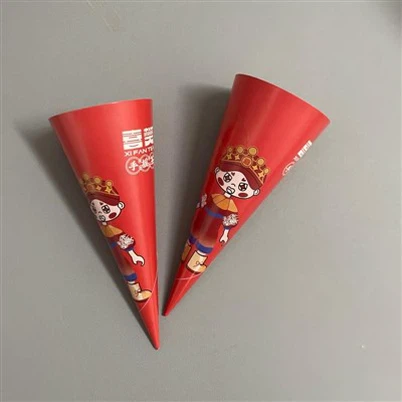
Bold and Unique Graphics: Generic logos and standard layouts simply disappear in the social media feed. I push for vibrant colors, intricate illustrations, or minimalist yet striking typography that instantly grabs attention. Think about patterns that wrap around the cup, telling a story as the customer turns it. Amity's "logo & printing customization" allows for high-fidelity reproduction of even complex designs.
Irresistible Textures and Finishes: Beyond visual, tactile experiences matter. A matte finish can feel luxurious, while a glossy one makes colors pop. Sometimes, a subtle embossed pattern adds a premium touch that customers notice and appreciate. These details elevate the overall "unboxing" or un-cupping experience.
Photo-Ready Elements: This means considering the entire "shot." Does the cup look good from multiple angles? Is there a designated space for the brand logo that won't be covered by a hand? Are there playful elements, like a custom-designed straw hole or a quirky message, that encourage sharing? Transparency windows, showcasing colorful drink layers, are also powerful.
Storytelling Through Design: Packaging can tell a story about the brand's values, ingredients, or origin. This could be through subtle hints in the artwork or a short, engaging phrase printed on the side. When people connect with a story, they are more likely to share it. This aligns with our mission to "Empower everyone who uses paper cups and bowls to truly understand paper packaging" – including the brand's narrative.
Consistency Across the Brand Experience: The packaging design must be consistent with the brand's overall identity, from the store's interior to its online presence. This creates a cohesive and immersive experience that reinforces brand recognition and loyalty. Jonh, with his "15 years in disposable packaging manufacturing," constantly reminds me to ensure design concepts are scalable across all packaging formats, from cups to "lids, paper straws, and packaging bags."
| Shareability Element | Design Implementation | Impact on Social Currency | Amity's Role |
|---|---|---|---|
| Visual Appeal | Bold colors, unique illustrations, striking typography | Grabs attention, makes the product shareable | "Logo & printing customization," high-quality print |
| Tactile Experience | Matte/glossy finishes, embossed patterns | Adds premium feel, enhances physical interaction | Material consultation, diverse coating options |
| Photo-Readiness | Optimal logo placement, unique cup shapes, transparent elements | Encourages user-generated content, free marketing | "Tailor-made solutions," innovative structures |
| Storytelling | Subtle narratives in artwork, engaging phrases | Builds emotional connection, sparks conversation | Branding integration, custom text printing |
| Brand Consistency | Aligns with overall brand identity across all touchpoints | Reinforces brand recognition and loyalty | End-to-end customization, comprehensive solutions |
By deeply considering these factors, my goal is to design packaging that is not just functional but inherently shareable. This transforms each tea drink into a viral marketing opportunity, driving organic growth and making the brand a part of the customer's digital and real-world story.
Are PLA, Plastic-Free, and Recycled Materials the Future for Tea Drink Packaging?
Are you still using packaging that screams "plastic waste," alienating environmentally conscious customers and falling behind industry standards? Traditional materials are no longer cutting it.
PLA, plastic-free, and recycled materials represent the future of tea drink packaging by offering cutting-edge eco-solutions. These trends meet consumer demand for sustainability, reduce environmental impact, and help brands align with "Environmental Responsibility" through biodegradable, compostable, or circular economy options.

This is one of the most significant shifts I have seen in my "20+ years of experience." The market is moving, and fast. Consumers are not just asking for sustainability; they are demanding it. I remember the early days when "eco-friendly" options were niche and expensive. Today, solutions like PLA and "plastic-free" paper are becoming mainstream, driven by both consumer pressure and corporate responsibility. Our "Sustainability Commitment" at Amity is not just a marketing slogan; it is a core part of our mission: "Through every cup and bowl we produce, we promote a green, healthy, and sustainable lifestyle worldwide." Jonh, always ahead of the curve, constantly researches "the latest innovations in eco-friendly materials." Let us explore "Are PLA, Plastic-Free, and Recycled Materials the Future for Tea Drink Packaging?"
Navigating the Landscape of Cutting-Edge Eco-Solutions
The "Material Trend: PLA, Plastic-Free & Recycled" is defining the future of tea drink packaging. As consumer awareness of environmental issues grows, brands that invest in these "cutting-edge eco-solutions" stand to gain significant market advantage and align with their values. My role involves guiding clients through these options to find the best fit for their brand and product.
Here is a comprehensive analysis of these key material trends:
PLA (Polylactic Acid) Coated Paper:
What it is: PLA is a bioplastic derived from renewable resources like corn starch. It provides a similar barrier to traditional PE plastic, making paper cups and bowls liquid-resistant for both hot and cold beverages.
Benefits: It is industrially compostable, meaning it can break down under specific conditions, leaving no microplastics. It significantly reduces reliance on fossil fuels. Amity actively promotes "using biodegradable coatings (PLA bio-based) instead of traditional plastic lining."
Considerations: Requires industrial composting facilities, which are not universally available.
Plastic-Free Coated Paper:
What it is: This category includes paperboard coated with innovative dispersion barriers or water-based coatings that contain no plastic. These coatings are designed to be repulpable and compostable (often home compostable), making the entire cup truly "plastic-free."
Benefits: Offers excellent environmental credentials, often certified for home compostability, broader end-of-life options. It offers a clear advantage for brands wanting to avoid plastic entirely.
Considerations: Performance can vary by coating type and might be slightly less durable than PE for very long exposure to hot liquids, though technology is rapidly improving.
Recycled Materials:
What it is: Using paperboard made from post-consumer recycled (PCR) content. This closes the loop in the material lifecycle, reducing demand for virgin pulp. For beverage packaging, this often applies to outer sleeves or takeaway carriers.
Benefits: Reduces landfill waste, conserves natural resources, lowers energy consumption in manufacturing. Our "sustainability commitment" includes "optimizing production to reduce energy consumption and waste."
Considerations: Direct food contact regulations for PCR can be strict; often used for secondary packaging or sleeves around the primary cup.
My team, keeping up with "the latest innovations," often recommends a combination. For example, a "disposable paper cup" can be PLA-coated. Its outer "packaging bags" could be made from recycled content. We emphasize that "sourcing renewable paper from responsibly managed forests and FSC-certified suppliers" is the foundation, regardless of the coating used. This strategic material selection not only meets market demands for "Environmental Responsibility" but also aligns with corporate ESG (Environmental, Social, and Governance) goals, building a strong, future-proof brand image.
| Material Type | Source Material | Primary Benefit | Key Consideration | Amity's Application |
|---|---|---|---|---|
| PLA Coated Paper | Renewable plant starch | Industrially compostable | Requires specific facilities | "PLA bio-based" coated cups/bowls |
| Plastic-Free Paper | Cellulose, water-based coatings | Home compostable, no plastic | Performance can vary, rapid innovation | Experimental; emerging in our "tailor-made solutions" |
| Recycled Content | Post-consumer paper/fiber | Circular economy, resource saving | Best for secondary packaging | "Packaging bags" and sleeves |
| FSC-Certified Paper | Sustainably managed forests | Responsible sourcing, forest protection | Foundational for all paper products | Core material for all our "disposable paper products" |
By understanding these "Material Trends," brands can consciously choose packaging that not only protects their tea drinks but also embodies a strong commitment to environmental stewardship. This choice is increasingly non-negotiable for success in the modern market.
Has Packaging Functionally Evolved from a Drinking Vessel to an Interactive Medium?
Are your tea drink cups still just basic containers, missing opportunities to engage customers beyond a simple sip? The age of passive packaging is over.
Packaging has functionally evolved from a mere drinking vessel to an interactive medium, enhancing the "Experience Trend." Innovative designs now incorporate QR codes for digital content, personalization elements, and sensory features. This transforms passive consumption into an engaging, interactive journey, deepening customer connection and brand loyalty.

This trend excites me a lot because it makes packaging truly come alive. Growing up with basic paper cups, I would have never imagined what is possible today. Our "mission: Empower everyone who uses paper cups and bowls to truly understand paper packaging" includes appreciating how packaging can offer more than containment. It is no longer just a static object. It is a touchpoint for dynamic engagement. I have seen clients transform a simple tea cup into a mini-game or a portal to exclusive content. This is the "Functional Evolution from Drinking Vessel to Interactive Medium." Jonh, with his "Degree in Mechanical Engineering," appreciates the cleverness behind these innovations, seeing packaging as an engineering design for experience. Let us dive into "Has Packaging Functionally Evolved from a Drinking Vessel to an Interactive Medium?"
Transforming Packaging into a Dynamic Engagement Platform
The "Experience Trend" in tea drink packaging fundamentally redefines what a cup or box can do. It moves beyond passive containing to active engagement, turning each interaction into an opportunity for brand connection. For me, this is about elevating the simple act of drinking tea into a memorable, multi-sensory journey.
Here is how packaging is evolving into an interactive medium:
Digital Connectivity via QR Codes and NFC:
Implementation: Brands print QR codes or embed NFC (Near Field Communication) tags directly onto cups or lids.
Interaction: Scanning these opens a gateway to rich digital content: loyalty programs, exclusive promotions, nutritional information, brand stories, interactive games, or even personalized playlists.
Impact: This extends the brand experience beyond the physical product, offering a deeper, more personalized interaction. It also provides valuable data for the brand on customer engagement.
Personalization and Customization Elements:
Implementation: Packaging designed with blank spaces for customer names, or even interactive elements like peel-off stickers or collectible designs.
Interaction: Customers can personalize their cup, making it uniquely theirs. Collectible series encourage repeat purchases.
Impact: Fosters a sense of ownership and fun, reinforcing a personal connection to the brand. Our "logo & printing customization" can incorporate these features.
Sensory Enhancements Beyond Taste:
Implementation: Special inks that change color with temperature, tactile finishes that add texture, or scented elements within the packaging that add another dimension to the aroma.
Interaction: These features engage multiple senses, creating a more holistic and surprising experience for the customer.
Impact: Differentiates the product, creates delight, and makes the experience more memorable.
Gamification and Augmented Reality (AR):
Implementation: Packaging designs that serve as triggers for AR filters on social media, or small games printed on the cup that can be played while waiting or drinking.
Interaction: Turning consumption into a playful activity, encouraging social sharing and extended engagement with the brand.
Impact: Highly engaging, especially for younger demographics, generating viral content and fostering a sense of community around the brand.
At Amity, we offer "logo & printing customization" and "tailor-made solutions" that enable these interactive designs. Jonh constantly explores "technological innovation" to ensure our capabilities keep pace with these creative demands. The shift means that the role of a "disposable paper cup" is far more complex than it used to be. It is now a canvas for a dynamic, evolving brand narrative that captures and holds customer attention.
| Interactive Feature | How it Works on Packaging | Impact on Customer Experience | Amity's Support for Integration |
|---|---|---|---|
| QR Codes/NFC | Scannable codes link to digital content | Extended brand engagement, loyalty programs | High-resolution printing, integration consultation |
| Personalization Elements | Write-on spaces, custom stickers, collectible series | Fosters personal connection, encourages repeat purchases | "Logo & printing customization," diverse structural options |
| Sensory Enhancements | Thermochromic inks, tactile coatings, subtle scents | Multi-sensory delight, memorable interaction | Specialty material consultation, advanced printing techniques |
| Gamification/AR | AR triggers, printed games, puzzles | Playful engagement, social sharing, community building | Custom graphics, design adaptability on different products |
By implementing these interactive elements, tea drink packaging transforms from a simple container into a proactive brand ambassador. This evolution significantly deepens customer engagement, drives brand loyalty, and positions the brand as innovative and customer-centric.
What is the Strategic Path for Brand Sustainable Packaging in the ESG Era?
Is your brand's commitment to sustainability merely lip service, or do you have a truly strategic plan for eco-friendly packaging? Partial efforts now risk future irrelevance.
The strategic path for brand sustainable packaging in the ESG Era involves a holistic approach. This spans responsible sourcing, material innovation, transparent messaging, and end-of-life solutions. This commitment builds trust, attracts conscious consumers, and future-proofs the brand against evolving regulatory and market demands.

This is perhaps the most important trend, touching every aspect of our business and our clients' brands. In this "ESG Era," simple greenwashing is no longer acceptable. Brands need a genuine, well-articulated "Strategic Path for Brand Sustainable Packaging." At Amity, this is at the core of our identity. Our "Sustainability Commitment" is clear: "We firmly believe that business growth must align with environmental protection." Jonh and I have personally overseen the shift towards "sourcing renewable paper from responsibly managed forests and FSC-certified suppliers" and "using biodegradable coatings (PLA bio-based)." This is not just a trend; it is a fundamental shift in how brands must operate. Let us explore "What is the Strategic Path for Brand Sustainable Packaging in the ESG Era?"
Charting a Holistic Course for Environmental Responsibility
The "Responsibility Trend: The Strategic Path for Brand Sustainable Packaging in the ESG Era" demands a comprehensive, integrated approach. It moves beyond individual eco-friendly choices to a full system-wide commitment that impacts every stage of the packaging lifecycle. My role involves helping brands not just adopt eco-friendly products but build a credible and compelling sustainability narrative.
Here are the critical components of a strategic path:
Responsible Sourcing and Material Transparency:
Strategy: Brands must ensure their paper comes from "responsibly managed forests" (e.g., FSC-certified). They should demand transparency from suppliers about material origins and production practices.
Impact: Reduces deforestation, protects biodiversity, and ensures ethical supply chains. This builds foundational trust with consumers and meets ESG investor expectations. Amity exclusively sources from "FSC-certified suppliers."
Material Innovation and Circularity:
Strategy: Moving towards recyclable, compostable (like PLA and plastic-free options), or reusable packaging. This involves continuous research into new materials and design for circularity.
Impact: Minimizes waste, reduces dependence on virgin resources, and lowers the brand's environmental footprint. Our "Eco-Driven Mindset" pushes for adopting "renewable and biodegradable materials."
Eco-Design and Optimization:
Strategy: Designing packaging to minimize material usage, reduce weight, optimize space for transport (reducing emissions), and facilitate easier recycling/composting for the end-user.
Impact: Reduces greenhouse gas emissions, conserves resources, and lowers logistical costs. Jonh, with his engineering degree, continuously works on "optimizing production to reduce energy consumption and waste."
Clear Consumer Communication and Education:
Strategy: Brands must clearly communicate their sustainability efforts on packaging. This includes accurate labeling for recycling/composting instructions and sharing their environmental goals. Avoid "greenwashing."
Impact: Empowers consumers to make responsible disposal choices, builds brand trust, and highlights the brand's genuine commitment. This aligns with our mission to truly "understand paper packaging."
Partnerships and Advocacy:
Strategy: Collaborating with industry partners, waste management facilities, and advocacy groups to build infrastructure for recycling and composting. Participating in industry initiatives.
Impact: Drives systemic change, contributes to a broader sustainable economy, and enhances the brand's reputation as a responsible leader. Amity actively "partner[s] with global clients to promote eco-friendly paper products."
This multi-faceted approach transforms sustainability from a compliance issue into a powerful brand differentiator. It resonates with the growing segment of "conscious consumers" and builds long-term brand equity, securing the brand's place in the evolving ESG landscape.
| Strategic Component | Key Actions for Brands | Impact on ESG Profile & Brand Value | Amity's Role |
|---|---|---|---|
| Responsible Sourcing | Use FSC-certified paper, ensure ethical supply chains | Improved environmental record, ethical brand image | "Sourcing renewable paper from responsibly managed forests" |
| Material Innovation | Adopt PLA, plastic-free, recycled content; design for circularity | Reduced environmental footprint, innovation leadership | "Using biodegradable coatings (PLA bio-based)," R&D into new materials |
| Eco-Design Optimization | Minimize material, reduce weight, optimize transport, aid recycling | Lower carbon footprint, reduced waste, cost efficiency | "Optimizing production to reduce energy consumption and waste" |
| Consumer Education | Clear recycling/composting labels, transparent messaging | Increased consumer trust, responsible disposal | Providing clear product information, "material & structure consultation" |
| Industry Partnerships | Collaborate for infrastructure, join sustainability initiatives | Drive systemic change, enhance brand reputation | "Partnering with global clients to promote eco-friendly paper products" |
By embracing these strategic components, brands can move beyond simple eco-friendly packaging choices and establish a credible, impactful "Strategic Path" that aligns with the demands of the "ESG Era" and deeply resonates with modern consumers.
Conclusion
New tea drink packaging trends highlight visual 'shareability', advanced eco-materials, interactive utility, and a holistic approach to "Environmental Responsibility" in the "ESG Era." Embracing these innovations is crucial for brand growth and customer loyalty.