

Are Plastic Disposable Cups Really Safe To Use?
Leave a message
Are Plastic Disposable Cups Really Safe to Use?
Plastic cups are a staple of modern life, but news about chemical leaching can make anyone nervous. Are you unknowingly sipping harmful substances with your daily coffee or soda?
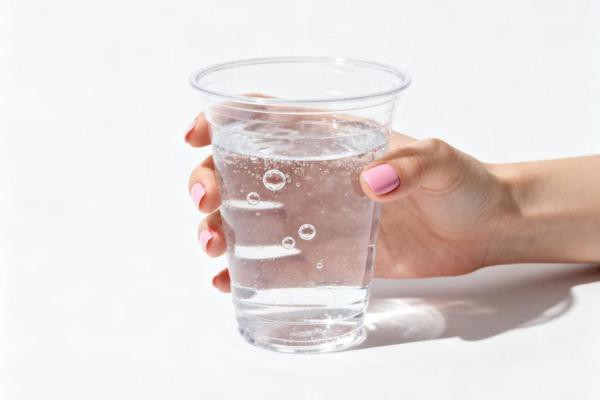
Generally, plastic disposable cups are safe when used as intended. The key is using the right type of plastic for the right beverage temperature. Cups made from Polypropylene (PP) are designed for hot drinks, while PET cups are perfect for cold ones. Most are BPA-free, adding another layer of safety.
As someone who has been in the packaging industry for over 15 years, I've seen this confusion firsthand. The world of plastics can seem complicated, but understanding a few basics will give you confidence in the products you use and sell. It's all about matching the material to the use. Let's dig into the details.
What type of plastic is used for disposable cups?
You've probably seen the numbers inside the recycling symbol on the bottom of a cup, but what do they actually mean? Picking the wrong cup for a drink can be risky or just result in a melted mess.
Disposable cups are typically made from one of three plastics: PET, PP, or PS. PET is the crystal-clear plastic used for most cold drinks, while PP is the go-to for hot beverages because it won't warp from heat.

I always advise clients to think about function first. A beautiful, clear PET cup is perfect for showing off a colorful smoothie, but it's the wrong choice for a hot latte. Understanding these materials is the first step to choosing the perfect, and safest, cup for your needs.
The "Big Three" Plastics for Cups
Each type of plastic has unique properties that make it suitable for different jobs. Knowing the difference between them is crucial for any food or beverage business.
PET: This is the most common plastic for clear disposable cups. It's known for being lightweight, shatter-resistant, and having excellent clarity, making it perfect for cold beverages like soda, iced coffee, and smoothies where presentation matters. However, PET has low heat resistance and should not be used for hot liquids, as it can deform. It is BPA-free and considered safe for food and drink contact.
PP : This plastic is tougher, more flexible, and has a high heat tolerance. Its high melting point makes it the safest choice for hot drinks like coffee and tea, as it won't warp or leach chemicals when heated. Many PP cups are also microwave-safe. While often translucent rather than crystal-clear, it's a versatile and durable option.
PS : Polystyrene can be found in two forms: a rigid, brittle clear plastic or as expanded polystyrene foam (EPS). While it's cost-effective, its use has declined due to environmental concerns and its low melting point, which makes it less suitable for hot drinks.
| Plastic Type | Resin Code | Common Uses | Heat Tolerance | Key Features |
|---|---|---|---|---|
| PET | Cold drinks (soda, water, iced coffee) | Low (Avoid hot liquids) | Crystal clear, durable, lightweight | |
| PP | Hot & cold drinks, food containers | High (Up to 212°F / 100°C) | Heat-resistant, microwave-safe, flexible | |
| PS | Cold drink cups, disposable cutlery | Low | Rigid but brittle, inexpensive |
Do plastic plates leach chemicals into food?
The convenience of plastic plates at a picnic or party is great, but there's always that nagging worry. Could harmful chemicals be seeping from the plate into the food you're about to eat?
Yes, plastic can leach chemicals, but the risk is very low if you use food-grade plates as intended. Leaching increases with heat and contact with oily or acidic foods. To stay safe, only microwave plates explicitly labeled "microwave-safe" and avoid putting very hot food on plastics not designed for it.

I've learned that the term "microwave-safe" often means the plate won't melt, not that it's 100% free from leaching.That's why it's so important to follow the rules: don't heat food on plastic unless it's specifically approved for that purpose. Using Polypropylene is generally the safest bet for hot foods and reheating.
Understanding and Minimizing Leaching
Chemical migration, or leaching, is the transfer of substances from packaging into food. All food contact materials have this potential, but products labeled "food-safe" are regulated to ensure any transfer is well below harmful levels. However, certain conditions can increase the rate of leaching.
The main factors that cause chemicals to leach are:
Heat: This is the biggest concern. Microwaving a plastic container that isn't designed for it can cause chemicals like BPA and phthalates to migrate into your food up to 55 times faster. Always check for a "microwave-safe" label.
Type of Food: Fatty, oily, and acidic foods can break down plastics more quickly, which can increase the potential for leaching.
Physical Condition: Old, scratched, or damaged plastic containers are more likely to leach chemicals as their structure has been compromised. It's best to discard any disposable plates that are visibly worn.
To minimize risk, always use the right plastic for the job. For hot foods or microwaving, stick to Polypropylene, which is heat-resistant and widely considered one of the safest plastics for food contact. Avoid plastics like Polystyrene and PVC for hot food, as they are more likely to leach unwanted chemicals.
What is the best material for disposable cutlery?
Nothing ruins a meal faster than a flimsy fork that snaps in half. When choosing disposable cutlery, you need something that is both functional and suits your needs, whether for a casual picnic or a catered event.
The best material depends on a balance of strength, heat resistance, and eco-friendliness. Polypropylene (PP) is a great all-rounder, offering flexibility and heat resistance. For tougher foods like steak, more rigid Polystyrene (PS) is stronger. For an eco-friendly option, CPLA (a crystallized bioplastic) and wood are excellent choices.

Over the years, I've seen a huge shift towards sustainable options. While plastic has been the standard for its low cost, many of my clients are now opting for wooden or CPLA cutlery. They find it not only performs well but also enhances their brand's green image.
A Guide to Cutlery Materials
Choosing the right disposable cutlery is key to a good customer experience. Here's a breakdown of the most common materials to help you decide.
Polypropylene (PP): This is your flexible friend. PP cutlery bends before it breaks, making it a reliable choice for general use with salads, pastas, and other lighter foods. It also has a good heat tolerance, so it won't melt in hot soup. It's a versatile and affordable workhorse.
Polystyrene (PS): This is the strong, rigid option. PS cutlery is much harder than PP and its knives can be made sharper, making it the best choice for cutting tougher foods like steak or dense chicken.However, it is more brittle and will snap under too much pressure.
CPLA (Crystallized Polylactic Acid): This is a bioplastic made from plant resources like cornstarch. It's a fantastic eco-friendly alternative that is strong, heat-resistant up to 185°F (85°C), and commercially compostable. ] It performs like traditional plastic but with a much smaller environmental footprint.
Wood: Typically made from birch, wooden cutlery is strong, stylish, and fully compostable.It can handle hot and cold foods without warping or imparting any taste. It has a great rustic appeal and is an excellent choice for any brand focused on sustainability.
Here's a comparison to help you choose:
| Material | Strength/Flexibility | Heat Resistance | Best For | Eco-Friendliness |
|---|---|---|---|---|
| Polypropylene (PP) | Flexible, bends before breaking | Good (up to 250°F) | General use, hot/cold foods | Recyclable depending on local facilities |
| Polystyrene (PS) | Rigid and strong, but brittle | Moderate (up to 180°F) | Cutting tough meats | Not easily recycled, non-biodegradable |
| CPLA | Strong and durable | Good (up to 185°F) | Hot/cold foods, eco-conscious brands | Industrially compostable |
| Wood (Birch) | Sturdy and shatterproof | Excellent | Hot/cold foods, rustic branding | Fully compostable and biodegradable |
Conclusion
Choosing the right plastic tableware means understanding the materials. Use heat-resistant PP for hot foods and clear PET for cold drinks to ensure safety and performance. When possible, opt for eco-friendly alternatives to support sustainability.


