

How Big Is A 12oz Paper Cup?
Leave a message
How Big Is a 12oz Paper Cup?
You see "12oz" on the menu board, but it's hard to visualize. Is that a small, medium, or large? You just want a regular coffee without getting a size you didn't expect.
A 12oz paper cup typically stands about 4.3 inches (110mm) tall, with a top diameter of 3.5 inches (90mm). It holds 355 milliliters and is the most common size for a "medium" or "regular" coffee at cafes worldwide.
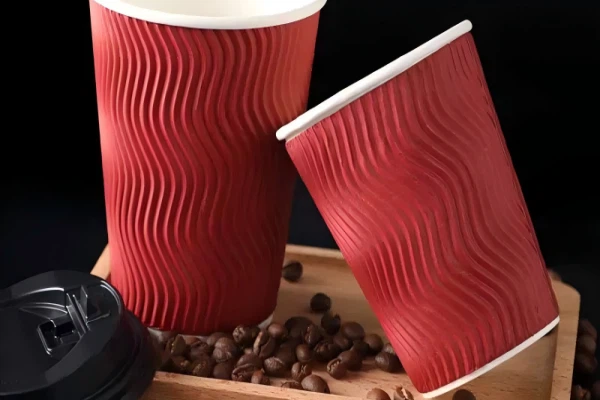
From my experience manufacturing millions of paper cups at Amity Packaging, the 12oz size is king. It's the versatile workhorse of the coffee world. It's large enough for a satisfying drink but fits perfectly in car cup holders and feels comfortable in your hand. It has become the unspoken standard for a "normal" cup of coffee. Let's dive deeper into why this size is so popular and answer some other common questions about paper cups.
Why does coffee taste better out of a paper cup?
You notice that your coffee from a cafe just tastes cleaner than the coffee you have in your reusable travel mug. That travel mug sometimes gives the coffee a strange, slightly metallic or plastic-like flavor.
Coffee can taste better in a paper cup because paper is a neutral material that doesn't hold onto old flavors or impart new ones. The food-safe lining prevents a papery taste, offering a pure coffee experience every time.
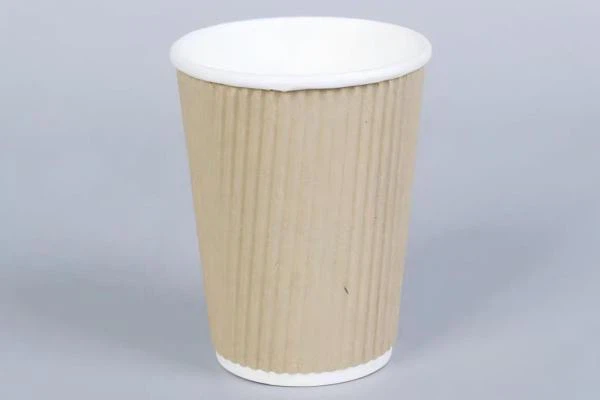
As someone who is obsessed with the details of packaging, the topic of taste is incredibly important. The container your drink is in absolutely affects its flavor. A high-quality paper cup is designed to be a blank canvas. The virgin wood pulp we use has no taste, and the thin PE or PLA lining is completely inert, meaning it doesn't react with the coffee.
Contrast this with other materials. Ceramic mugs, if not washed perfectly, can retain oils from old coffee, making your fresh brew taste stale. Stainless steel travel mugs can impart a subtle metallic taste that some people are very sensitive to. Reusable plastic mugs can absorb odors and flavors over time, leading to a strange aftertaste. With a fresh paper cup, you get a clean start every single time. It delivers the taste the roaster intended, without any interference from the container itself.
| Material | Potential Taste Impact | Why? |
|---|---|---|
| Paper Cup | Neutral, clean taste. | Virgin paper and an inert lining do not impart flavor. |
| Ceramic Mug | Can taste stale or bitter. | Porous surface can trap old coffee oils if not perfectly clean. |
| Stainless Steel | Can have a slight metallic taste. | Minor reaction between the metal and the acidic coffee. |
| Plastic Travel Mug | Can have a plastic or "off" taste. | Can absorb odors and leach flavors over time. |
Are paper coffee cups healthy?
You see headlines about chemicals in food packaging, and it makes you pause. You wonder if your daily paper cup is leaching anything harmful into your hot coffee, creating a sense of unease.
Yes, modern paper coffee cups are safe and healthy to use. They are made from hygienic, food-grade virgin paper and lined with a stable, inert material (PE or PLA) that is specifically approved for contact with hot liquids.
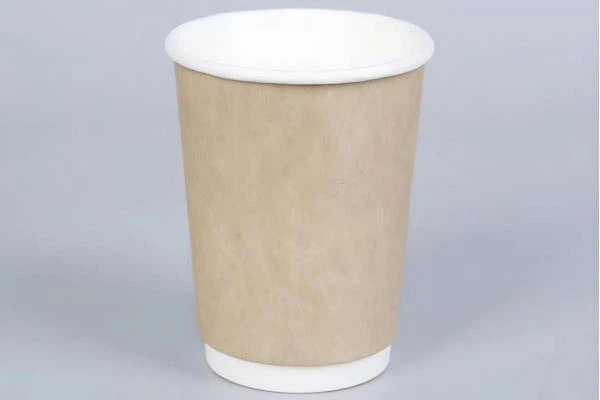
Ensuring product safety is the most important part of my job. The term "food-grade" isn't a marketing slogan; it's a strict standard we must meet. The paperboard we use is always virgin pulp-never recycled-to eliminate any risk of contaminants like inks or glues being present. The inner lining is the most critical component for safety. For decades, this has been polyethylene (PE), a very stable plastic that does not leach chemicals at the temperatures coffee is served. It is the same material trusted for milk cartons and countless other food containers.
The newer, eco-friendly option is polylactic acid (PLA), a bioplastic made from corn starch. It is also completely food-safe and inert. Reputable manufacturers like us adhere to strict regulations set by bodies like the FDA in the United States and the European Food Safety Authority. We conduct rigorous testing to ensure that our cups are safe for you and your family, giving you peace of mind with every sip.
| Component | Material | Safety Feature |
|---|---|---|
| Paper | 100% Virgin Wood Pulp | Hygienic and free from contaminants found in recycled paper. |
| Lining | PE (Polyethylene) or PLA (Polylactic Acid) | Inert and stable; approved for food contact by global agencies. |
| Inks | Low-Odor, Food-Safe Inks | Applied to the outside only, preventing any contact with the drink. |
How big is a normal paper coffee cup?
You walk into a new coffee shop and ask for a "regular" coffee. The barista asks, "Small, medium, or large?" The term "normal" seems to have no universal meaning, leaving you confused.
While sizes vary by shop, a "normal" or "medium" coffee cup is most commonly 12oz (355ml). An 8oz (240ml) cup is typically a "small," and a 16oz (473ml) cup is a "large." The 12oz size is the global favorite.

In the world of coffee, ounces are the true measure of size, not ambiguous words like "regular." While cafes have their own naming conventions, the underlying cup sizes are standardized across the manufacturing industry. Here's a quick guide to what you can generally expect:
Small (8oz / 240ml): Perfect for a classic cappuccino or a flat white. It's a very traditional European size.
Medium (12oz / 355ml): The all-around champion. It's the standard for a drip coffee or Americano in most places. This is the size that feels "just right" for most people.
Large (16oz / 473ml): A substantial serving, great for your morning commute when you need your coffee to last. This is the "grande" at Starbucks.
Extra Large (20oz / 591ml): For those who need a very large dose of caffeine. This is the "venti" size.
Over my years in the business, I've seen the 12oz consistently be the top seller for our clients around the world. It hits the perfect balance of volume, comfort, and cost.
How many ml is a paper coffee cup?
You see coffee cup sizes listed in ounces (oz) in some countries and milliliters (ml) in others. This makes it difficult to compare sizes when you are traveling or ordering products online.
To convert fluid ounces (oz) to milliliters (ml), you multiply by approximately 29.57. A standard 12oz coffee cup holds about 355ml. An 8oz cup is about 240ml, and a 16oz cup is about 473ml.

Converting between imperial ounces and the metric system can be confusing, but there is a simple rule of thumb that works well for coffee cups: 1 fluid ounce is roughly equal to 30 milliliters. This makes quick mental calculations very easy. While the exact conversion is 29.57, using 30 is close enough for any practical purpose.
As a manufacturer who exports globally, we work in both units every single day. We produce cups based on these standard ounce measurements because they are the recognized sizes in the international food service industry. However, we list the milliliter equivalent on all our specifications to make it clear for our clients in countries that use the metric system. It's essential for everyone to be on the same page about volume. Here is a quick reference table I always use.
| Ounces (oz) | Quick Conversion (x30) | Precise Milliliters (ml) | Common Name |
|---|---|---|---|
| 8 oz | 240 ml | 237 ml | Small |
| 12 oz | 360 ml | 355 ml | Medium |
| 16 oz | 480 ml | 473 ml | Large |
| 20 oz | 600 ml | 591 ml | Extra Large |
Conclusion
A 12oz (355ml) paper cup is the safe, healthy, and neutral-tasting industry standard for a "medium" coffee, offering the perfect balance of size, comfort, and performance for drinkers worldwide.


