How Long Do Disposable Paper Containers Hold Liquids?
Leave a message
How Long Do Disposable Paper Containers Hold Liquids?
Worried about your disposable paper cup softening or leaking? It's frustrating when your drink ends up on your lap instead of in your mouth. Understanding material science can prevent those soggy disasters.
Disposable paper containers hold liquids for varying durations, typically from 30 minutes to several hours, depending on material, coating type (e.g., PE, PLA), liquid temperature, and container construction. High-quality coated paperboard or bagasse cups can handle hot liquids for extended periods, maintaining integrity and preventing leaks.

In my two decades at Amity Packaging, specializing in paper cups and bowls, Jonh and I have personally overseen countless tests to understand exactly how long these containers can truly perform. It's more than just a guess; it's a science that directly impacts user experience and brand reputation, and we want to share our insights with you.
The liquid holding duration of disposable paper containers made of different materials?
Got liquids to hold, but unsure which cup can last? Different materials offer wildly different holding times. Let's explore what each type brings to the table.
The liquid holding duration varies significantly by material. Standard PE-coated paper cups typically hold liquids for 1-4 hours. PLA-coated cups offer similar performance, while high-barrier paperboard, often used for hot foods, can securely hold liquids for several hours, sometimes even overnight, especially with cold contents.

Jonh always emphasizes that the material is the heart of the product. My team at Amity has spent years refining our "material & structure consultation" to ensure clients get containers that perform exactly as needed. From basic coffee cups to bowls for hot soup, the choice of material directly dictates how long your liquid stays inside the cup, not on the table.
Material Matters for Lasting Liquid Retention
The ability of a disposable paper container to hold liquid without softening or leaking is overwhelmingly dependent on its material composition, particularly the type and quality of its barrier coating or inherent structure. Understanding these differences allows for informed choices that prevent common liquid-holding failures.
PE (Polyethylene)-Coated Paperboard: The Traditional Standard.
This is the most common lining in disposable paper cups. PE is a petroleum-based plastic film applied to the inside of the paperboard. It creates an excellent moisture barrier, preventing the liquid from soaking into the paper fibers. For typical hot beverages (like coffee or tea around 80-90°C), a good quality PE-coated cup will reliably hold liquids for 1 to 4 hours without significant softening or leakage. For cold liquids, the duration can extend much longer, often 6-8 hours or even overnight, as moisture penetration is slower and less aggressive at lower temperatures. Over time, heat can degrade the PE film, or continuous pressure might stress the seams, eventually leading to issues.
PLA (Polylactic Acid)-Coated Paperboard: The Bio-Based Alternative.
PLA is a bioplastic derived from renewable resources like corn starch. When used as a coating, it functions similarly to PE, providing a robust liquid barrier. Its liquid-holding duration is generally comparable to PE-coated cups: reliable for 1 to 4 hours with hot liquids and significantly longer for cold. However, PLA can be more sensitive to very high temperatures, sometimes showing slight softening at temperatures above 90°C if the coating is not specifically engineered for extreme heat. Our "sustainability commitment" means we often guide clients towards optimized PLA solutions.
Bagasse (Sugarcane Fibers): The Pulp-Free Performer.
Bagasse cups are made from the fibrous residue of sugarcane. Unlike coated paperboard, bagasse is inherently moisture-resistant due to its dense, intertwined fiber structure and often pressed-molded form. While they may not always have a separate coating, some premium bagasse products can also feature a thin, plant-based lining for extra reassurance. For hot liquids, bagasse containers demonstrate excellent structural integrity and can hold liquids for several hours (3-6 hours). For cold liquids or thicker, heavier foods, their robust nature allows for even longer holding times, often 4-8 hours or more, as the material itself is less prone to breakdown from prolonged contact.
High-Barrier Paperboard / Wax-Coated Options: The Heavy-Duty Choice.
These materials are often designed for demanding applications like hot soups, stews, or frozen desserts. High-barrier paperboard has enhanced internal sizing or multi-layered coatings for superior resistance. Wax-coated cups, less common for hot liquids today, were traditionally used for cold and provided excellent, durable water resistance. These heavy-duty options can reliably hold hot liquids for 4 hours or more, and cold/room temperature liquids potentially overnight or even longer, depending on the specific barrier technology.
| Material Type | Hot Liquid Duration (Avg.) | Cold Liquid Duration (Avg.) | Key Performance |
|---|---|---|---|
| PE-Coated Paperboard | 1-4 hours | 6-8+ hours | Standard barrier, versatile. |
| PLA-Coated Paperboard | 1-4 hours | 6-8+ hours | Bio-based barrier, versatile. |
| Bagasse | 3-6 hours | 4-8+ hours | Pulp-free, rigid, naturally resistant. |
| High-Barrier / Wax-Coated | 4+ hours | Overnight (12+ hours) | Heavy-duty, superior resistance. |
Understanding these specific material properties ensures you select the correct container for its intended use, maximizing both performance and customer satisfaction.
Core factors affecting the liquid holding durability of paper containers?
Ever wonder why some cups survive and others fail fast? It's not just the material. Many hidden factors impact how long your paper container holds up.
The liquid holding durability of paper containers is primarily affected by liquid temperature, internal coatings (PE, PLA), paperboard density and strength, seam integrity, and external environmental humidity. Higher temperatures, thinner coatings, weaker paperboard, and poor seams all reduce holding time and increase leakage risk.

Jonh and I have seen firsthand how neglecting even one of these factors can turn a seemingly good product into a disaster. Our "strict quality control" isn't just about inspections; it's about understanding these core factors and optimizing them in our "mass production & packaging." It's about preventing the soggy bottom before it ever reaches the customer.
The Science of Breakdown and Resilience
The longevity of a paper container's liquid retention capacity is a complex interplay of several interconnected factors. A breakdown in any one of these can compromise the container's integrity, leading to softening, weakening, or outright leakage.
Liquid Temperature: The Primary Stressor.
Hot liquids accelerate the degradation process significantly more than cold liquids. Heat causes the paper fibers to swell and soften faster, weakening their structural bonds. It also increases the permeability of coatings, making them more susceptible to moisture attack. Furthermore, hot liquids create steam, which can condense and cause internal pressure against the coating and seams. For PE and PLA coatings, prolonged high heat can also stress the polymer, causing it to become less effective as a barrier. Jonh's mechanical engineering background always reminds us that thermal stress is a major enemy.
Coating Type and Thickness: The Barrier's Strength.
The internal coating (PE, PLA, or other bio-coatings) is the primary defense against liquid penetration. The type of coating dictates its barrier properties and thermal resistance, as discussed earlier. Critically, the thickness and uniform application of this coating are paramount. A thin or inconsistent coating can have microscopic pinholes or weak spots that allow liquid to seep through, even if the overall material is strong. A robust, evenly applied coating provides a continuous, impermeable layer.
Paperboard Quality and Density: The Foundation's Integrity.
Below the coating lies the paperboard itself. Its quality-its pulp composition (e.g., virgin fiber vs. recycled), fiber length, and density-significantly influences the cup's overall strength and resilience. Denser, higher-quality paperboard with longer fibers provides a stronger, more rigid structure that is less prone to deformation and has better internal resistance to moisture wicking, even if the coating is slightly compromised. We source "renewable paper from responsibly managed forests" to ensure this foundational strength.
Seam Integrity: The Weakest Link.
Every paper cup has seams (side seam and bottom seam) where the paperboard is joined. These are critical stress points. If the sealing process (heat and pressure) is not perfect, these seams can be weak spots. A compromised seam allows liquid to escape directly, bypassing the coating. High-quality cups have strong, consistent seals that can withstand both internal liquid pressure and external handling stresses. Our "full-process inspections" at Amity specifically check for this
Environmental Factors: The External Influence.
External humidity and ambient temperature can also play a role. Very high humidity can cause the external paperboard to absorb moisture, potentially weakening the cup from the outside in. Conversely, very dry conditions can sometimes make paper more brittle, though less common as a direct cause of leakage. Handling and transportation also stress cups; a perfectly made cup can fail if dropped or subjected to rough treatment.
| Factor | Impact on Durability | Example of Compromise |
|---|---|---|
| Liquid Temperature | Accelerates fiber softening, increases coating permeability. | Hot coffee causing rapid softening vs. iced coffee lasting hours. |
| Coating Type/Thickness | Primary barrier against absorption; thicker is better. | Thin, uneven coating leading to early liquid seepage. |
| Paperboard Density/Quality | Provides structural support, resists deformation. | Weak, low-density paper buckling under moderate weight. |
| Seam Integrity | Critical seal against direct leakage. | Poorly sealed side seam allowing drips from the start. |
| External Humidity/Handling | Affects external paper strength; physical stress. | High humidity causing external softening; cup dropped and leaking. |
By meticulously managing these core factors, we can significantly extend the liquid-holding durability and overall reliability of paper containers.
Reference to the actual scene duration of liquid holding for paper containers?
We've talked theory, but what about real life? How long can you expect a cup to hold up in common scenarios like a quick coffee break, a long meeting, or during takeout?
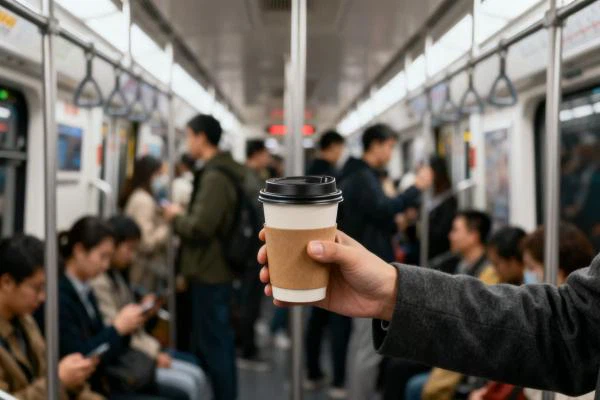
The actual liquid holding duration for paper containers in real-world scenes varies. For a quick coffee break, 15-30 minutes are usually fine. During a long meeting, expect up to 1-2 hours. For takeout, especially hot drinks, 30-60 minutes is reliable, depending on the cup quality. Cold drinks can last several hours in most good quality cups.
This is where the rubber meets the road. Our clients tell us about their specific uses, and my knowledge helps them match the right product. Jonh and I understand that a cup used for a quick transaction needs different properties than one meant for a long journey. Our "tailor-made solutions" are all about optimizing for these specific "product applications in multiple markets."
Real-World Resilience in Everyday Settings
Translating theoretical liquid holding durations into practical, real-world expectations requires considering the typical use case scenarios. While a lab test might show a cup lasting for hours, the demands of actual consumption and handling can be quite different.
The Coffee Break/Commute (15-45 minutes):
For quick consumption scenarios, such as grabbing a coffee on the way to work, during a short break, or walking to a meeting, most standard PE or PLA-coated paper cups perform admirably. The liquid, although hot, is consumed relatively quickly. Within this timeframe, softening is typically minimal, and leakage is highly unlikely with a quality cup. The primary concern might be the external heat from very hot liquids, which our double-wall cups mitigate. This rapid consumption also means that even cups with slightly thinner coatings will often suffice.
The Office Desk/Long Meeting (1-2 hours):
When a beverage sits on a desk during a longer work session, a meeting, or during extended remote work, the cup experiences prolonged contact with the liquid. Here, the quality of the coating and the base paperboard become more critical. Good PE or PLA-coated cups will usually hold up well for 1 to 2 hours with hot liquids, with noticeable but manageable softening around the rim or base towards the later end of this period. For cold drinks, the duration is much longer, often 3-5 hours, with condensation being the main external factor for single-wall cups. For this scenario, a robust cup is preferred.
Takeout and Delivery (30-90 minutes):
Takeout puts several stresses on a cup: not just holding the liquid, but also enduring movement, potential jostling in a bag, and maintaining temperature. For hot takeout beverages, a high-quality PE or PLA-coated cup designed for hot drinks should reliably hold contents for 30 to 60 minutes without issue. Cups with superior coatings or double-wall construction will extend this to 90 minutes or more, also providing better insulation. For cold drinks, the duration can be much longer, often several hours (4-6 hours), as the material is under less thermal stress. Bagasse containers shine here for hot foods like soup, offering excellent resilience during transport. Our "international export & logistics support" helps clients choose cups that survive the journey.
Specialty Applications (e.g., Hot Food Bowls - 1-4 hours+):
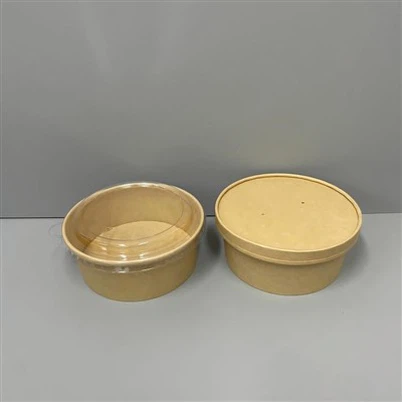
For specialty applications, such as holding hot soups, noodles, or stews in paper bowls, the expectation for liquid holding is even higher due to the volume, weight, and fat content. High-barrier paperboard and robust bagasse bowls are essential here. They are designed to hold these contents securely for 1 to 4 hours or more, allowing for transport and comfortable consumption without softening or leaks. These often involve thicker paperboard and more advanced barrier technologies.
| Scenario | Typical Duration of Use | Recommended Cup Performance | Key Consideration (Hot Liquid) |
|---|---|---|---|
| Coffee Break/Commute | 15-45 minutes | Basic (Good quality PE/PLA) | Quick consumption, minimal softening. |
| Office Desk/Long Meeting | 1-2 hours | Mid to Premium (PE/PLA) | Prolonged contact, moderate softening towards end. |
| Takeout/Delivery (Hot) | 30-90 minutes | Premium (PE/PLA, Double-Wall) | Movement, insulation, structural integrity. |
| Hot Food Bowls | 1-4 hours+ | High-Barrier / Bagasse | Volume, weight, fat content, sustained heat. |
By aligning chosen cup materials and construction with these real-world use expectations, businesses can ensure consistent product delivery and customer satisfaction for our "disposable paper bowls."
Practical tips?
Want your paper container to last longer? Small changes can make a big difference, protecting your drink and your hands. What simple, practical tips can extend the life of your disposable paper container?
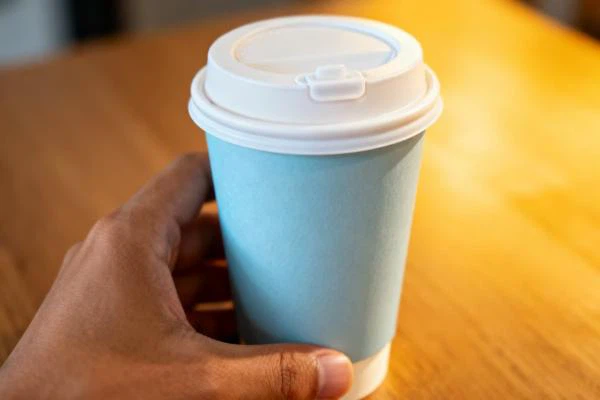
To extend paper container life, use double-wall cups for hot liquids to reduce external softening. Always ensure the lid is properly secured to minimize heat loss and prevent spills. Avoid overfilling, especially with hot contents, and handle the cup by its base to reduce stress on side walls and seams.
Through all my years, I've seen countless ways to accidentally shorten a cup's life. But I've also learned the simple tricks that make them incredibly resilient. Jonh always stressed that good design includes user education. So, here are some "practical tips" I share with anyone wanting to get the most out of their paper cups, benefiting both "newcomers and industry veterans."
Maximizing Container Life Through Thoughtful Use and Selection
While the inherent material properties are crucial, several practical measures, both in cup selection and usage, can significantly extend the effective liquid-holding duration and overall performance of disposable paper containers. These tips focus on minimizing stress on the container and optimizing its designed capabilities.
Choose the Right Cup for the Right Liquid: This is fundamental. For hot beverages, especially those intended to be sipped over a long period or taken out, always opt for double-wall paper cups or cups specifically labeled as "hot cup" with a robust coating. Double-wall construction reduces external heat transfer, which in turn minimizes the softening of the outer paper layer and improves insulation, keeping the drink hot and the cup sturdy for longer. For very cold drinks with expected heavy condensation, selecting a cup with an optimized coating and a slightly thicker paperboard can help maintain integrity. Our team can help you with these selections through "material & structure consultation."
Secure the Lid Properly: A well-fitted, correctly applied lid does more than just prevent spills; it creates a partial seal that stabilizes the cup's rim and minimizes direct evaporation from the liquid surface. This reduces heat loss (for hot drinks) and helps maintain the internal thermal environment, contributing to the cup's longevity. Always press firmly around the entire circumference of the lid to ensure it snaps into place perfectly.
Avoid Overfilling: Overfilling a cup, particularly with hot liquids, puts unnecessary stress on the upper portion of the paperboard and the rim. This accelerates softening in the most handled area and increases the risk of liquid sloshing over, further degrading the rim or causing spills. Leave adequate headroom (about 1-2 cm from the brim) to allow the lid to fit securely and reduce direct liquid contact with the exposed rim.
Handle with Care, Especially the Base: When carrying a cup, especially if it contains heavy or hot liquid, support it from the base whenever possible, rather than solely by the upper sides or rim. This disperses the weight more evenly and reduces localized stress on the side seams and the cup's structure, preventing potential buckling or the bottom falling out. For take-out, use a cup carrier for multiple drinks if available.
Minimize Prolonged Storage of Liquid: While quality cups can hold liquids for hours, it's always best practice to consume the contents within the recommended timeframe for optimal taste and safety, not just cup integrity. Avoid leaving liquids in disposable cups overnight unless the cup is specifically designed for such extended use (e.g., some high-barrier food containers).
| Practical Tip | How It Extends Life | Benefit Achieved |
|---|---|---|
| Use Double-Wall for Hot | Reduces external softening, improves insulation. | Cup stays sturdy, drink stays hot, comfortable to hold. |
| Secure Lid Properly | Stabilizes rim, reduces evaporation and heat loss. | Prevents spills, maintains thermal environment, slows degradation. |
| Avoid Overfilling | Reduces stress on rim/sides, prevents splash-overs. | Minimizes pre-emptive softening, allows secure lid fit. |
| Handle by Base | Distributes weight, reduces stress on seams and structure. | Prevents buckling, reduces risk of bottom falling out. |
| Timely Consumption | Less prolonged exposure to liquid, retains quality. | Ensures cup performs within its peak limits, best taste. |
By applying these practical tips, users can significantly enhance the functional lifespan and reliability of their disposable paper containers, ensuring a better experience with every sip or spoonful.
Conclusion
Disposable paper containers' liquid-holding duration is highly variable, depending on material, temperature, and construction. By understanding these factors and applying practical tips, you can ensure your cup performs reliably, preventing leaks and maximizing satisfaction.