How To Prevent Paper Cups From Leaking?
Leave a message
How to Prevent Paper Cups from Leaking?
You've just poured your favorite drink into a paper cup, only to feel that dreaded dampness. A leaking paper cup can ruin your day, waste your beverage, and make a mess. But what really causes this soggy frustration?
Preventing paper cups from leaking relies on high-quality food-grade paperboard and effective barrier coatings, primarily polyethylene (PE) or plant-based PLA. Proper manufacturing, including strong heat-sealed seams and a tightly rolled rim, ensures a leak-proof design, coupled with careful handling and storage to maintain cup integrity.

As someone who has spent over two decades in paper packaging, I have seen countless innovations dedicated to this very problem. Jonh, our expert, often reminds us: a paper cup's fundamental promise is to hold liquid. When it fails, it undermines everything. Let me share my insights with you on how we prevent such frustrations.
Why Do Paper Cups Leak, Anyway?
You trust your paper cup to hold your drink, but sometimes it lets you down. What causes this frustrating failure, often at the worst possible moment? Understanding the root causes is the first step in ensuring your cup stays dry.
Paper cups typically leak due to defects in the barrier coating, weak or incomplete heat-sealed seams (side or bottom), damage during handling, or prolonged exposure to liquids that eventually degrade the paperboard. Inadequate material quality or improper storage can also compromise their integrity.

My 20+ years of manufacturing experience has shown me that leaks are rarely random; they are usually a symptom of a deeper issue. Jonh, with his keen eye for process flaws, has guided our team to identify and rectify these weak points. Learning why cups leak helps us build better ones. Let me break down the most common culprits.
The Many Faces of a Leaky Cup
A leaky paper cup is incredibly frustrating, and often the blame falls squarely on the cup itself. However, the reasons behind leakage are varied and can stem from issues with the material, the manufacturing process, or even how the cup is used and handled. Understanding these points allows for better prevention.
The Material Flaw: Inconsistent Barrier Coating
The core reason paper cups can hold liquid is the impermeable barrier coating (typically PE or PLA). If this coating is too thin in certain areas, has tiny pinholes, scratches, or is unevenly applied, it will fail. These imperfections allow the liquid to gradually penetrate the paperboard, making it soggy and eventually leading to a leak. Sometimes, the quality of the base paperboard itself might be a factor if it is not dense or strong enough to support the coating effectively. We ensure all our materials undergo strict quality control to prevent this.
The Manufacturing Mishap: Faulty Sealing
The most common point of failure for cups is at the seams. Cups have two primary heat-sealed seams:
Side Seam: Where the two ends of the cup blank are joined to form the conical body.
Bottom Seam: Where the circular bottom piece is attached to the body.
If the heat, pressure, or dwell time during the heat-sealing process is not perfectly calibrated, the coating might not properly melt and fuse, leading to a weak or incomplete seal. Machine wear or improper maintenance can also cause inconsistent seals. A minute gap, invisible to the naked eye, can expand over time, especially with hot liquids, leading to catastrophic leaks. My team, with 20+ years of experience, meticulously monitors these sealing points.
The Handling Hazard: Damage During Transport or Storage
Even a perfectly manufactured cup can be compromised if not handled correctly. Rough handling during packaging, transportation, or even stacking can cause punctures, creases, or micro-cracks in the cup's structure or coating. If cups are stored in damp conditions, moisture can slowly penetrate and weaken the paperboard, making it more susceptible to leaks when filled. Proper logistics and storage are crucial to maintaining integrity.
The Consumer Factor: Exceeding Design Limits
While less common for manufacturing defects, how a cup is used by a consumer can also contribute to leakage.
Overfilling: Exceeding the cup's designed capacity puts undue stress on the seams and can cause spillage.
Prolonged Exposure: Leaving liquids in cups for excessively long periods (e.g., hours or overnight) can eventually test the limits of even the best coatings, especially if the paperboard experiences significant thermal cycling or degradation.
| Leakage Cause | Description | Impact on Cup Performance | Role in Leak Prevention ( Amity) |
|---|---|---|---|
| Inconsistent Barrier Coating | Uneven, thin spots, or microscopic damage to PE/PLA layer. | Liquid seeps through paper fibers, leading to softening. | Strict raw material quality control, consistent coating application. |
| Weak / Incomplete Sealing | Insufficient fusing of side or bottom seams during production. | Allows liquid to escape directly through unsealed gaps. | Precise machine calibration, in-process quality checks for seal strength. |
| Material Degradation | Poor quality paperboard or coating breaks down over time/use. | Structural integrity loss, leading to tears or seeps. | Using virgin wood pulp, high-grade PE/PLA, material consultation. |
| Damage During Handling/Storage | Punctures, creases, or moisture absorption before use. | Compromises cup structure and coating before liquid contact. | Robust packaging, recommended storage guidelines, logistics support. |
| Excessive Usage Conditions | Overfilling or leaving liquids for extended periods. | Puts undue stress on seams, degrades materials over time. | Clear usage recommendations, designing for intended scenarios. |
By meticulously addressing each of these potential failure points, we strive to make paper cups that reliably contain your beverages, sip after sip.
What Do Manufacturers Put on Cups to Seal and Waterproof Them?
You know paper is not waterproof, yet your cups manage to hold liquid. What magical shield do manufacturers apply to keep your beverages contained? It's not magic, but smart material science and precision engineering.
Manufacturers waterproof paper cups primarily using a thin layer of polyethylene (PE) plastic, heat-applied to the paperboard. Increasingly, eco-friendly alternatives like polylactic acid (PLA), derived from plant starches, or specialized water-based dispersion coatings are also used to create an impermeable barrier.

My founder story began with a desire to truly understand materials and processes. Jonh always says that the coating is the unsung hero of the paper cup. My 20 years have shown that without this crucial layer, a paper cup is just a paper shape. Let me explain these vital waterproofing materials.
The Essential Barrier for Liquid Containment
The ability of a paper cup to hold liquid is entirely dependent on its barrier coating. Without this layer, the highly absorbent paper fibers would quickly soak up any beverage. Manufacturers employ specific materials and application techniques to create this essential waterproof shield.
Polyethylene (PE) Coating: The Industry Standard
What it is: Polyethylene is a ubiquitous thermoplastic polymer, a type of plastic, derived from petroleum. It is the most common coating used for paper cups due to its excellent waterproofing properties, heat resistance, flexibility, and cost-effectiveness. Food-grade PE is specifically chosen for this application to ensure safety.
How it works: A very thin layer of molten PE is extruded onto one or both sides of the paperboard. When the cups are formed, these PE layers are heat-sealed together at the side and bottom seams using high heat and pressure. The PE melts and fuses, creating a continuous, impermeable plastic barrier that prevents liquid from reaching the paper fibers. For hot cups, the inner layer of PE prevents absorbency and maintains cup rigidity; the outer layer can protect the print from condensation for cold cups.
Our Advantage: We have perfected the application of PE to ensure robust, consistent sealing and maximum cup performance under various temperatures.
Polylactic Acid (PLA) Coating: The Eco-Friendly Alternative
What it is: PLA is a bioplastic derived from renewable resources such as corn starch, sugarcane, or tapioca. It offers a plant-based, industrially compostable alternative to fossil-fuel-derived PE.
How it works: Similar to PE, PLA is extruded as a thin layer onto the paperboard. It also functions by heat-sealing during cup formation, creating a waterproof barrier. PLA-coated cups are designed to break down in industrial composting facilities, helping to reduce plastic waste.
Our Commitment: Amity is an eco-driven manufacturer. We actively use and promote PLA bio-based coatings, partnering with clients to offer sustainable solutions that align with environmental protection and a green, healthy lifestyle.
Water-Based Dispersion Coatings: The Recyclable Challenger
What it is: These are newer barrier coatings that consist of water and a dispersion of polymers (often synthetic, but some are bio-based). They are designed to create a functional barrier while also being more easily separable from paper fibers during the recycling process.
How it works: Applied as a liquid, these coatings dry to form a continuous, water-resistant film. The key innovation is their ability to dissolve or disperse more readily in repulping processes compared to PE, theoretically allowing the paper fibers to be recycled more effectively in standard paper recycling streams.
Our Perspective: While promising for recyclability, effectiveness varies, and acceptance by recycling facilities depends on the specific formulation and local infrastructure. We stay updated on these innovations to improve quality and reduce production costs, aligning with our mission of empowering everyone to understand paper packaging.
Other Specialized Coatings: Sometimes, specific applications might call for other specialized coatings, such as those that provide enhanced grease resistance, or barrier properties optimized for very particular products.
| Coating Material | Source / Composition | Key Waterproofing Mechanism | Environmental Aspect | Amity's Application / Insight |
|---|---|---|---|---|
| Polyethylene (PE) | Petroleum-based plastic polymer | Heat-sealed, impermeable plastic film | Non-biodegradable, recyclable in specialized streams | Widely used, robust, strict quality control |
| Polylactic Acid (PLA) | Plant-based bioplastic (corn starch, sugarcane) | Heat-sealed, impermeable bioplastic film | Industrially compostable, renewable source | Promoted for sustainability, aligns with eco-driven mindset |
| Water-Based Dispersion | Water with specialized polymers | Forms water-resistant film after drying | Potentially easier to recycle with paper | Explored for innovation, constantly keeping up with trends |
Beyond the choice of material, the application process is equally critical. These coatings are typically applied via extrusion or calendering, ensuring a uniform, defect-free layer across the entire paper surface before cup formation. This precision is what makes the final cup truly waterproof.
How Can We Stop Our Cups from Leaking at the Point of Use?
Even with the best manufacturing, human factors and environmental conditions can threaten your cup's integrity. What simple, practical steps can you take to ensure your paper cup performs as intended and avoids any embarrassing leaks?
To stop paper cups from leaking at the point of use, handle them gently to prevent damage, store them in a dry place away from moisture, avoid overfilling, and select the correct type of cup for your beverage (hot vs. cold). Always check for visible defects before use, and use lids properly to add stability and prevent splashes.
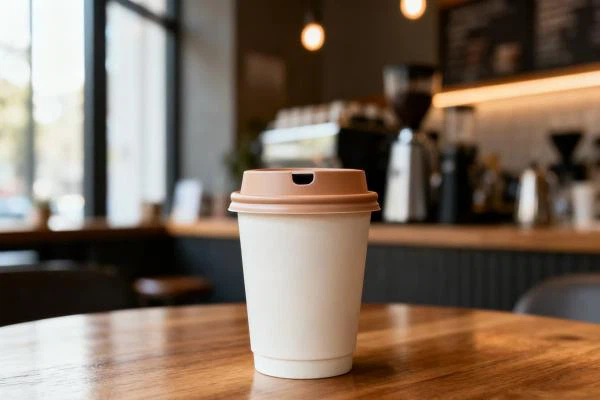
While we at Amity focus on building quality from the ground up, the journey does not end when the cups leave our factory. Jonh often reminds clients that proper usage extends the product's life and prevents issues. My aim here is to arm you with practical advice for maximizing your cup's leak-proof performance.
Practical Tips for Leak Prevention
Even the highest quality paper cup, perfectly manufactured at our facility, can fail if not handled or used correctly. Here are practical steps that end-users and businesses can follow to significantly reduce the chances of a paper cup leaking.
1. Gentle Handling is Key:
Paper cups, especially when empty, are susceptible to physical damage. Avoid squeezing, dropping, or applying excessive pressure to the cups. Punctures, creases, or dents can compromise the internal barrier coating, creating weak points where liquid can penetrate. When dispensing cups from a sleeve, do so gently. This seems basic, but it is often overlooked.
2. Proper Storage Conditions:
Moisture is the enemy of paper products. Store paper cups in a cool, dry place, away from direct sunlight, high humidity, and any potential sources of water (e.g., leaky pipes, condensation). Keep them in their original packaging until ready for use to protect them from environmental damage and dust. Damp storage can pre-weaken the paperboard and its seals. We emphasize this in our material and structure consultations.
3. Select the Right Cup for the Beverage:
Not all paper cups are created equal.
Hot Beverages: Require cups with a heat-resistant coating (like thicker PE or PLA) and often come in double-wall or ripple-wall designs for insulation against heat transfer, which also adds structural stability and reduces the risk of thermal shock to the coating.
Cold Beverages: Are typically sufficient with a single PE-coated layer, but condensation can affect the outer paper layer if left long enough; double-wall options also exist for better insulation.
Using a single-wall cup for a very hot drink, or for extended periods, can sometimes challenge its structural limits.
4. Avoid Overfilling:
Always fill the cup to a reasonable level, leaving sufficient headspace from the rim. Overfilling puts unnecessary stress on the side and bottom seams, potentially causing a leak. It also increases the risk of splashing, which can damage the rim and outer paper layer, especially near the lid.
5. Inspect Before You Pour:
Quickly glance at the cup before filling it. Check for any obvious defects like visible tears, creases, or gaps in the seams. While rare with quality manufacturing, it is a simple precaution. If a cup feels unusually flimsy or has a strange texture, it is better to discard it.
6. Use Lids Correctly:
A properly fitted lid does more than prevent splashes; it adds structural integrity to the top rim of the cup. Ensure the lid is securely snapped into place all around the rim. A crooked or improperly seated lid can lead to liquid escaping through the gap, potentially compromising the rim's seal.
| Prevention Tip | Action | Why it Helps Prevent Leaks | Amity's Contribution |
|---|---|---|---|
| Gentle Handling | Avoid squeezing, dropping, puncturing cups. | Prevents physical damage to coating and structure. | Robust packaging for transport, awareness through insights. |
| Proper Storage | Store cups in dry, cool conditions, in original packaging. | Protects paperboard from moisture and environmental degradation. | Clear storage guidelines, quality control from factory to client. |
| Correct Cup Selection | Match cup type (single/double-wall, coating) to beverage temperature. | Ensures material compatibility with liquid, prevents stress. | Tailor-made solutions, material & structure consultation. |
| Avoid Overfilling | Leave adequate headspace; do not fill to the brim. | Reduces stress on seams, prevents splashing and rim damage. | Education through industry knowledge sharing platform. |
| Pre-Use Inspection | Quickly check cups for visible defects or damage. | Catches rare manufacturing flaws or handling damage before use. | Strict quality control during production to minimize flaws. |
| Proper Lid Placement | Ensure lids are securely snapped onto the rim. | Adds stability, prevents liquid escaping through the top gap. | Design cups for optimal lid fit, consistent dimensions. |
By adopting these simple practices, everyone can contribute to ensuring that paper cups perform their function flawlessly, keeping your beverages contained and your experiences leak-free.
Conclusion
Preventing paper cup leaks involves a combination of meticulous manufacturing, from robust waterproofing coatings like PE or PLA to perfectly sealed seams. Additionally, proper handling, storage, and selecting the correct cup type for your beverage are crucial. Together, these steps guarantee a reliable, leak-free experience for every sip.