

Family Stock-Up Guide: How To Choose The Right Paper Bowl Sizes For The Best Value?
Leave a message
Family Stock-Up Guide: How to Choose the Right Paper Bowl Sizes for the Best Value?
Are you drowning in a sea of mismatched paper bowls, always running out of the right size, or buying too many of the wrong ones? It is time to get smart about your family's stock-up strategy.
To choose the right paper bowl sizes for the best value, first analyze your family's high-frequency usage scenarios to plan needs. Understand bowl specifications like ounces and shapes to buy correctly. Then, create gold-standard sizing combos matching your activities and maximize savings by choosing smart buying channels and proper storage.
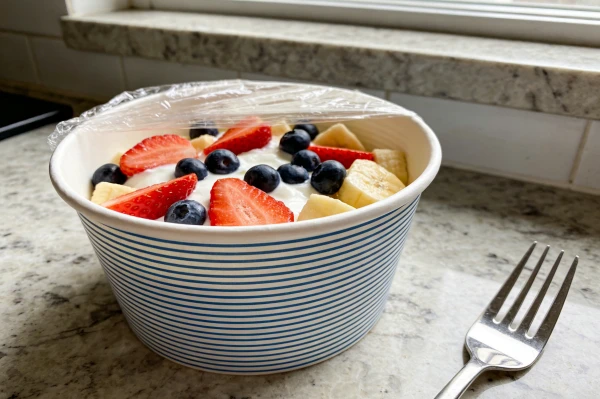
From my "20+ years of experience" at Amity Packaging, I have seen families struggle with this. Our mission is to "Empower everyone who uses paper cups and bowls to truly understand paper packaging." I want to help you make informed choices, so you save money and reduce waste, turning your kitchen into an efficient, clutter-free zone. I will share insights from our "strict quality control" and "technological innovation" to help you choose wisely.
Plan Based on Needs: How Can Reviewing High-Frequency Usage Scenarios Avoid Buying the Wrong Size?
Do you find yourself always running out of salad bowls but overflowing with tiny snack bowls? Buying without a clear plan leads to wasted money and pantry chaos.
Reviewing high-frequency usage scenarios is crucial to avoid buying the wrong size paper bowls. This means observing when and for what purpose your family most often uses bowls. By defining these regular needs-like daily breakfasts or weekly meal preps-you can precisely stock up on the sizes you truly require, preventing overspending and ensuring you always have the right bowl.
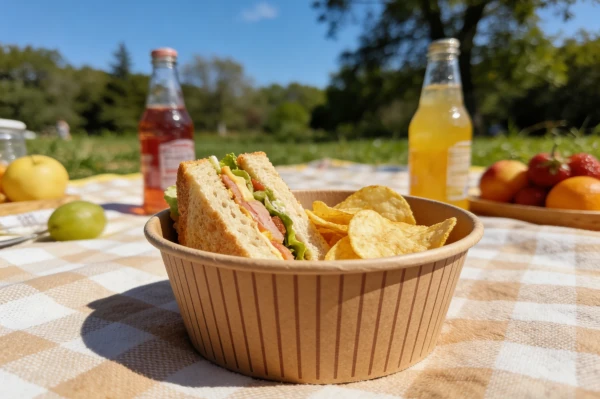
"Plan Based on Needs: How Can Reviewing High-Frequency Usage Scenarios Avoid Buying the Wrong Size?" is the first thing I tell people about smart buying. Jonh often says that knowing your customer's "product applications" is the key to recommending the "best material and structure." The same applies here, but for your home. My own experience with "mass production & packaging" has shown me that accurate forecasting of demand prevents waste. This approach ensures you get the "tailor-made solutions" that fit your family, rather than a generic purchase that is not useful.
Conducting Your Family's "Usage Audit"
To truly get the "best value" from your paper bowl purchases, you need to understand your family's unique consumption patterns. This "usage audit" is a practical, data-driven approach, similar to how we analyze market trends for our customers. It is designed to reveal your actual needs, allowing for smart, targeted buying that avoids both shortages and excess inventory.
Identifying Your Family's Eating Habits
Start by observing your daily routines.
Does your family eat a lot of cereal in the morning?
Do you frequently pack individual portions of leftovers for lunch or dinner?
Are weekend movie nights a regular event, demanding snack bowls?
Do you have young children who need smaller, easy-to-handle portions for snacks or purees, or teenagers who need larger bowls for pasta or big salads? Answering these questions gives you a clearer picture of your general requirements for "disposable paper bowls." This kind of insight-gathering is fundamental to our "material & structure consultation" process, helping clients identify their specific "product applications."
Common Scenarios to Consider for Paper Bowl Use
Daily Meals (Breakfast/Lunch/Dinner):
Foods like morning cereal, instant noodles, individual soup portions, or small salads.
Typical sizes range from 12 oz to 20 oz.
Meal Prep & Leftovers:
Packing individual servings of prepped meals for the week, or storing leftovers for quick reheating.
Ideal for 16 oz to 24 oz bowls, particularly "PE/PLA coated" bowls.
Snack Times:
Chips, popcorn, pretzels, fruit, or small dessert portions.
Smaller sizes, generally 8 oz to 12 oz, are perfect for portion control and easy handling.
Parties & Gatherings:
Serving larger quantities of salads, side dishes, or individual dessert bowls.
May require larger bowls (32 oz or more) or a variety of medium sizes for guests.
Outdoor Activities (Picnics, BBQs):
Portable and convenient for any food item, needing robust, leak-proof options.
A mix of 12 oz to 24 oz bowls usually works best.
The "Usage Audit" Method
For a week or two, simply note down every time you or a family member uses a paper bowl. Record:
What food was in the bowl?
What was the approximate size of the bowl used (if known)?
Was it too big, too small, or just right?
Was the bowl's material suitable (e.g., did it get soggy)? This direct data collection provides real insights into your needs. This "feedback loop" is much like our own "full-process inspections"-it helps refine expectations and ensure future choices are spot-on. What I have found is that most families tend to overestimate their need for very large bowls and underestimate their need for medium-sized ones.
| Usage Scenario | Typical Food Item | Ideal Paper Bowl Size (Approx.) | Why This Size is Recommended |
|---|---|---|---|
| Morning Cereal | Cereal with milk | 16-20 oz | Holds a generous serving, prevents spills, easy to hold |
| Soup for Lunch | Individual soup portion | 12-16 oz | Perfect single serving, manageable without being bulky |
| Main Salad Dish | Large garden salad, pasta | 24-32 oz | Ample room for greens, toppings, and dressing or pasta |
| Snack Time | Chips, fruit, popcorn | 8-12 oz | Controls portions, easy for children or quick snacks |
| Dessert & Sides | Ice cream, fruit salad | 8-16 oz | Versatile for various smaller servings or side dishes |
By taking the time to "Plan Based on Needs," you "Review high-frequency usage scenarios to avoid buying the wrong size." This prevents wasted money and ensures you always have the right "disposable paper bowl" for any meal, making your family's daily life smoother and more organized.
Understand Specifications: How Do Knowing Ounces and Bowl Shapes Help Buy Right for Real Savings?
You are standing in the aisle, faced with endless options of paper bowls. Do you find yourself guessing which size "looks right," without truly understanding what you are buying?
Knowing ounces and bowl shapes helps you buy right for real savings. Ounce measurements (e.g., 12 oz, 16 oz) tell you the exact capacity, preventing over- or under-buying. Understanding shapes, like wide shallow versus deep narrow, informs functionality-affecting stability for cereals or insulation for soups. This precise knowledge ensures you purchase the most efficient bowls for your needs, avoiding wasteful mistakes.
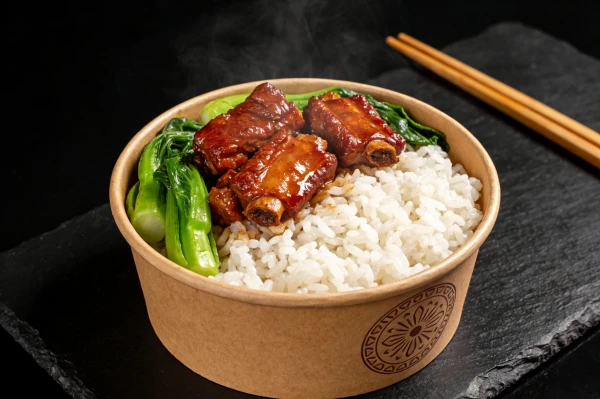
"Understand Specifications: How Do Knowing Ounces and Bowl Shapes Help Buy Right for Real Savings?" is where my "Degree in Mechanical Engineering" comes in handy. It is not just about what is inside the bowl. It is about the bowl itself. Jonh and I always consider "custom dimensions, materials, printing, and structure" when we are designing. This knowledge, like our "strict quality control" process, helps you make informed decisions, preventing that frustrating moment when a bowl is too small or does not hold up.
The Language of Bowl Dimensions
Buying a paper bowl without understanding its specifications is like buying a car without knowing its engine size or fuel efficiency. You might get something that "looks okay," but it might not be the "right material and structure" for your needs. This is where our "industry knowledge-sharing platform" comes in, as we believe empowering our global clients with insights into "product, material, and process" extends to the consumer level.
Decoding Ounce Measurements (Capacity)
Ounce (oz) is the standard unit for liquid capacity, but it directly translates to how much food a bowl can hold.
Small Bowls (e.g., 8-12 oz): These are ideal for snacks like a handful of chips, fruit slices, or small dessert portions. They are easy for young children to handle, helping with portion control.
Medium Bowls (e.g., 16-20 oz): This is often the workhorse size for many families. Perfect for a serving of cereal, instant noodles, a small cup of soup, or a side salad. Many of our "disposable paper bowls (soups, noodles, salads)" fall into this versatile range for individual meals.
Large Bowls (e.g., 24-32+ oz): These are great for main-dish salads, larger pasta servings, or for serving communal sides at a gathering. They provide ample space for mixing without spillover.
Knowing these measurements helps you avoid buying a 24 oz bowl when a 16 oz would suffice, or vice versa, saving you money by ensuring you buy the correct quantity of each size you actually need. Jonh's insights on "product applications in multiple markets" taught me that precise sizing impacts user satisfaction and cost-effectiveness.
The Impact of Bowl Shapes
Beyond just capacity, the shape of the bowl plays a crucial role in its functionality and your experience.
Deep & Narrow Bowls:
Pros: Better for liquids like soup, as they help retain heat and minimize sloshing. The taller sides provide better insulation for hot contents. Our "PE/PLA coated" bowls are designed with this in mind.
Cons: Less suitable for wide, bulky items like large salads or stir-fries, which might be hard to mix or retrieve.
Best For: "Disposable paper bowls (soups, noodles)."
Wide & Shallow Bowls:
Pros: Excellent for items like large salads, pasta, or stir-fries, providing ample surface area for mixing and easy access. Good for sharing snacks.
Cons: Not ideal for hot liquids as they cool faster and are more prone to splashing.
Best For: Main-dish salads, pasta, or large servings of dry snacks like popcorn.
Standard Conical Bowls:
Pros: The most common and versatile shape, offering a good balance for many dry and semi-liquid foods. A stable base.
Cons: May not excel at extreme heat retention or wide-dish mixing compared to specialized shapes.
Best For: Cereal, desserts, general-purpose use.
My own experience in "material & structure consultation" highlights that clients often choose based on shape first, then capacity. Understanding both helps you make a truly informed decision, leading to "real savings" by buying products that precisely meet your needs.
| Specification Aspect | Key Characteristic | Practical Application for Families | Real-Life Saving |
|---|---|---|---|
| Ounce (Capacity) | Liquid volume measurement | Match to serving size (e.g., 16oz for cereal) | Avoids buying oversized (wasted money) or undersized (need for more bowls) |
| Deep & Narrow Shape | Taller sides, smaller opening | Soups, oatmeal, hot drinks | Better heat retention, less spillage of hot liquids |
| Wide & Shallow Shape | Shorter sides, larger opening | Salads, pasta, bulkier snacks | Easier mixing, comfortable for larger meals |
| Overall | Precise selection | Functional, waste-reducing choices | Cuts down on unnecessary purchases and replacements |
By learning to "Understand Specifications," you gain the power to "Know ounces and bowl shapes" to "Buy Right for Real Savings." This precise approach stops guessing and ensures your paper bowl stock is practical, functional, and budget-friendly.
Match the Scene: How Can Gold-Standard Sizing Combos Meet All Your Family's Needs?
Are you still buying single packs of paper bowls, hoping they cover all your family's diverse needs? That approach often leaves you with the wrong size when you need it most.
To meet all your family's needs, creating gold-standard sizing combos is key. By pairing popular sizes like 12 oz, 16 oz, and 24 oz in bulk, you build a versatile stock. This ensures you always have the right bowl for breakfasts, lunches, snacks, and even impromptu gatherings, providing excellent value. This strategy prevents frantic last-minute trips and ensures seamless meal service.
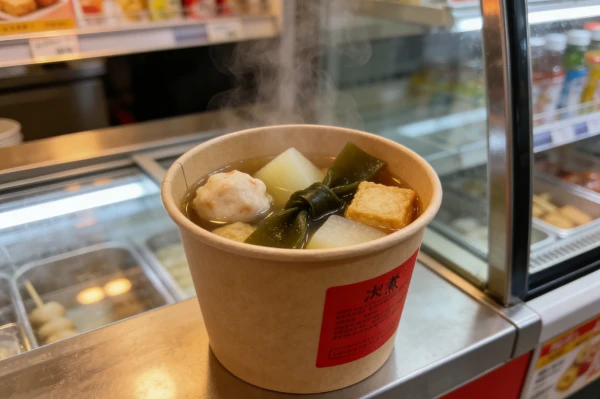
"Match the Scene: How Can Gold-Standard Sizing Combos Meet All Your Family's Needs?" is how I apply my "efficient production & delivery" philosophy to your home. We know a balanced inventory is crucial for business, and it is just as important for a family. Jonh often reminds me that "tailor-made solutions" means more than just one product. It means a complete system. By choosing the right "disposable paper bowls" in the right mix, you are always prepared, which is a major part of "benefiting both newcomers and industry veterans" through smart choices.
Building Your Versatile Bowl Inventory
The concept of a "gold-standard sizing combo" is about creating a versatile inventory that meets most, if not all, of your family's needs without over-stocking unnecessary sizes. This approach maximizes both convenience and value, reflecting the same strategic planning we use for "mass production & packaging."
The Core "Gold-Standard" Combo
Based on common family usage patterns, I recommend focusing on a primary trio of sizes, with a smaller quantity of a larger bowl for specific situations. This combo covers the spectrum from small snacks to main meals effectively.
The Everyday Workhorse (16 oz):
Purpose: Ideal for daily breakfasts (cereal, oatmeal), individual soup servings, small pasta dishes, or side salads. It is the most versatile size in most households.
Stock Level: Highest quantity. This is your go-to bowl.
Our Products: Many of our "disposable paper bowls" in the 16 oz range are designed for this exact purpose, offering "PE/PLA coated" options.
The Snack & Small Side Bowl (12 oz):
Purpose: Perfect for kids' snacks (fruit, yogurt, small portions of chips), individual dessert servings, or prepping small ingredients.
Stock Level: Medium quantity.
Our Products: We offer reliable 12 oz bowls that are sturdy enough for various snacks and sides.
The Main Dish & Large Side Bowl (24 oz):
Purpose: Excellent for larger portions of pasta, main-dish salads, or medium-sized communal side dishes (e.g., mashed potatoes for 2-3 people).
Stock Level: Medium quantity.
Our Products: Our larger "disposable paper bowls (salads)" are often in this range, providing ample space.
The Party/Serving Bowl (32 oz+):
Purpose: Best for big family meals, parties, or large servings of items like popcorn, chips, or a family-sized salad.
Stock Level: Lowest quantity, perhaps one or two multi-packs. Used less frequently but essential for those occasions.
Our Products: Our larger "disposable paper bowls" can go up to 32 oz and beyond, offering the robust design for communal servings.
Benefits of This Combo Approach
Minimized Waste: By having the right sizes, you avoid using an oversized bowl for a small snack or having a bowl overflow with a large meal, reducing waste.
Cost Efficiency: Buying in bulk packs of these specific sizes often comes with better per-unit pricing compared to buying many different single packs.
Convenience: You will always have the right bowl on hand, avoiding last-minute dashes to the store. This aligns with our efforts in "efficient production & delivery" for our clients.
Versatility: This range covers daily needs, meal prep, and entertaining, ensuring you are prepared for "all your family's needs."
I learned from Jonh that "empowering everyone who uses paper cups and bowls" means guiding them to make choices that truly work for them through "material & structure consultation." This approach does just that.
| Sizing Combo Category | Recommended Size (oz) | Primary Usage Scenarios | Benefits for Family Value |
|---|---|---|---|
| Everyday Workhorse | 16 oz | Cereal, soup, small pasta, individual meals | Most frequent use, highest value |
| Snack & Small Side | 12 oz | Kids' snacks, desserts, ingredient prep | Portion control, easy handling |
| Main Dish & Large Side | 24 oz | Large salads, main pastas, side dishes for sharing | Versatile for bigger meals, less waste |
| Party/Serving Bowl | 32 oz+ | Big gatherings, communal snacks | Occasional need, cost-effective for events |
| Overall Value | Balanced Stock | Covers all needs, reduces waste/over-purchase | Consistent availability, financial savings |
By learning to "Match the Scene" and using "Gold-Standard Sizing Combos," you effectively "Meet All Your Family's Needs." This smart stocking strategy will simplify your life and maximize the value of your paper bowl purchases.
Smart Saving: How Do Choosing the Right Channels and Storage Methods Maximize Value?
You have chosen your ideal paper bowl sizes, but are you still paying too much for them or having them damaged before use? Maximizing value goes beyond just the purchase.
To maximize value, choosing the right channels and storage methods is key. Buying in bulk from wholesalers or online significantly reduces per-unit costs compared to retail. Storing paper bowls in a dry, dark, and sturdy container prevents moisture damage, crushing, or dust accumulation. These twin strategies ensure your investment lasts longer and remains in prime condition for use, truly maximizing your savings over time.
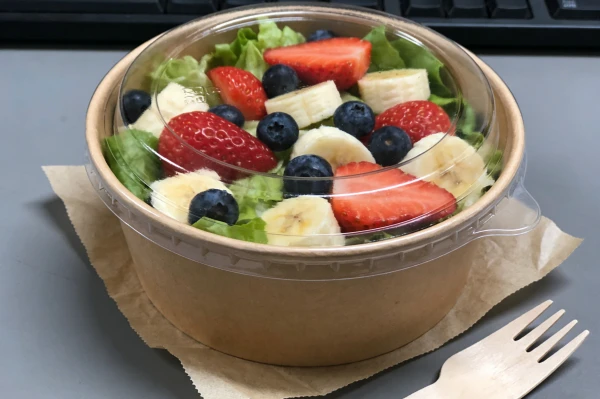
"Smart Saving: How Do Choosing the Right Channels and Storage Methods Maximize Value?" is something I know well from "international export & logistics support." You can have the best product, but if you do not buy it efficiently or store it properly, you lose value. Jonh's emphasis on "improving quality and reducing production costs" naturally extends to how consumers can save money. Our "Eco-Driven Mindset" also means we want to help you reduce waste, and proper storage is a huge part of that.
Mastering the Art of Bulk Buying and Preservation
Maximizing the value of your paper bowl investment is a two-pronged approach: optimizing the purchase itself and ensuring the products remain in perfect condition until use. This strategy combines savvy shopping with diligent preservation, much like our focus on "strict quality control" and "sustainable approaches" across our entire supply chain.
Choosing the Right Buying Channels
Where you buy your paper bowls significantly impacts the price per unit.
Wholesale Clubs (Costco, Sam's Club, BJ's): These are excellent for bulk purchases. The per-bowl cost is often much lower than regular supermarkets. They frequently carry our "disposable paper bowls" or similar "high-quality, eco-friendly, and safe paper packaging solutions."
Online Retailers (Amazon, WebstaurantStore, Restaurant Depot online): Buying in larger cases online often provides competitive pricing and a wider range of sizes and types, including specialized options like "double-wall" or specific "PE/PLA coated" bowls. Keep an eye out for free shipping deals to maximize savings.
Direct from Manufacturers/Distributors: For very large quantities (e.g., for a community group or a very large family), sometimes buying directly from a "professional manufacturer of disposable paper cups, bowls" like Amity Packaging, or one of our distributors, can offer the best value, but minimum order quantities apply.
Avoid Convenience Stores or Small Groceries: These typically have the highest per-unit cost due to their smaller package sizes and higher operating expenses. Use them only for emergency, small quantity needs.
My own journey to "achieve financial freedom" involved optimizing supply chains, and this principle works for home purchasing too!
Optimal Storage Methods
The integrity of paper bowls can be compromised by environmental factors. Proper storage is crucial to prevent damage and extend their usable life.
Dry Environment: Moisture is the enemy of paper. Store bowls in a dry area like a pantry, closet, or storage room, away from leaky pipes, sinks, or humid areas like basements (unless you use airtight containers). Our "raw material selection" focuses on moisture resistance, but it's not foolproof against poor storage.
Dark Place: Prolonged exposure to sunlight can fade colors, weaken paper fibers, or even cause some coatings to degrade over extremely long periods.
Protective Packaging: Keep bowls in their original factory packaging until needed. For bulk packs, placing them in sturdy, sealable bins or large plastic containers (like those with snap-on lids) adds an extra layer of protection against dust, pests, and crushing. This ensures your "disposable paper bowls" remain in "high-quality" condition.
Avoid Crushing: Do not stack heavy items on top of large packs of paper bowls. Even sturdy bowls can deform under sustained pressure, affecting their shape and lid fit.
Separate from Strong Odors: Paper can absorb odors from strong-smelling foods or chemicals. Store bowls away from detergents, pet food, or very pungent spices if possible.
By implementing "Smart Saving" techniques, you not only get the best prices but also ensure your paper bowls are always fully functional when you need them. This strategy embodies the "Eco-Driven Mindset" by reducing waste and maximizing resource utilization.
| Saving Strategy | Key Action for Families | Avoids These Issues | Maximized Value Outcome |
|---|---|---|---|
| Buying Channels | Bulk purchases from wholesalers/online | High per-unit costs, limited selection | Significant cost reduction over time |
| Storage Location | Dry, dark, stable environment | Moisture damage, fading, weakening | Longevity, consistent quality |
| Protective Packaging | Sturdy bins, original wrappings | Crushing, dust, pest contamination | Bowls remain intact and hygienic |
| Odor Separation | Store away from strong scents | Absorbed odors, altered food taste | Pure food taste, fresh-smelling bowls |
| Overall Value | Smart purchasing and preservation | Wasted money, unusable products | Effective family budgeting, reliable supply |
By adopting "Smart Saving" methods, including "Choosing the right channels and storage methods," you "Maximize Value" from your paper bowl investment. This holistic approach ensures you have a consistent supply of quality bowls, perfectly suited for your family's needs, without unnecessary expense or waste.
Conclusion
By strategically planning based on needs, understanding specifications, creating versatile sizing combos, and smartly saving through proper buying and storage, you can choose the right paper bowl sizes for the best value.


