How Do Paper Cups Help Reduce Plastic Waste?
Leave a message
How Do Paper Cups Help Reduce Plastic Waste?
Your business faces growing pressure to be more eco-friendly. Ignoring new plastic bans can lead to fines, while customers are actively choosing sustainable brands. So, what's your next move?
Paper cups serve as a direct, practical replacement for single-use plastics. They help businesses comply with government bans, appeal to eco-conscious consumers, and provide a tangible way to reduce their plastic footprint immediately.
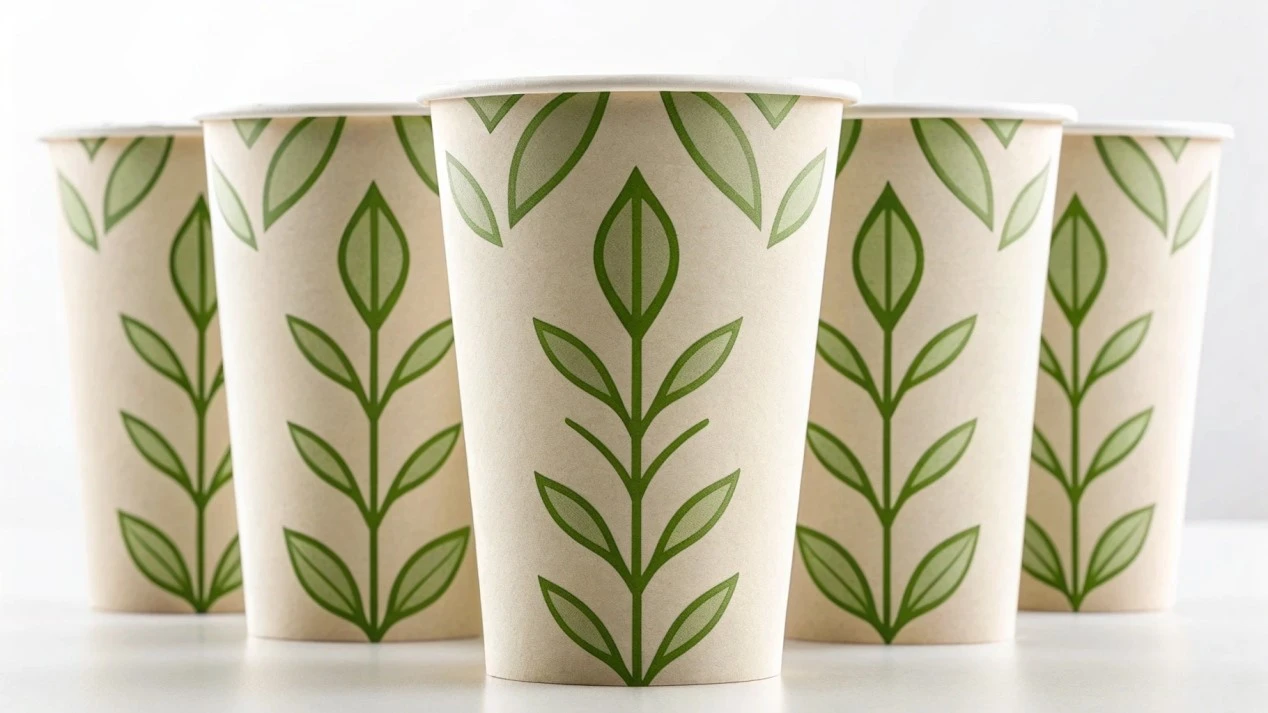
I've spent my entire career engineering better packaging solutions, and the shift away from plastic is the biggest change I've ever seen. Many of my clients feel overwhelmed. They hear about new laws and see the passion of their customers, but they don't know where to start. Often, the answer is right in their hand. The paper cup is not a perfect, final solution to all our environmental problems, but it is a critical and powerful first step. It is a tool that allows businesses to move away from our heavy dependence on plastic right now. Let's look at how.
How Do Paper Cups Help You Comply with Plastic Bans?
Governments are banning single-use plastics everywhere. You worry about facing huge fines or being seen as a business that doesn't care. How can you adapt quickly and effectively?
Paper cups are a ready-made solution for complying with plastic bans. As a pre-existing, scalable alternative to plastic and foam cups, they allow businesses to meet new regulations immediately without disrupting their operations.
As an engineer, I see a regulation not as a problem, but as a set of parameters to design a solution for. These new laws targeting plastic straws, foam containers, and single-use plastic cups are clear parameters. Your business must find a functional replacement, and it must be available at scale.
### The Path of Least Resistance
For a busy cafe or restaurant, the easiest and fastest way to comply is to switch to a product that already exists in the supply chain and performs the same function. Paper cups fit this need perfectly. There is no need to re-engineer your entire drink service; you simply switch the material of the cup you are ordering. This avoids fines and ensures your business continues to operate smoothly. It's a practical, direct solution to a complex legal challenge.
### Demonstrating Proactive Responsibility
Merely complying with the law is the minimum requirement. Smart businesses use this change as an opportunity. By switching to paper cups before a ban is even enforced, you send a powerful message to both regulators and customers that you are a forward-thinking, responsible brand. This proactive stance can earn you goodwill that is far more valuable than the cost of the cups.
Can Switching to Paper Cups Improve Your Brand Image?
Customers are now judging brands on their environmental impact. Using plastic or foam can make your business look outdated and irresponsible, costing you sales. You need to show you share their values.
Yes, switching to paper cups is a powerful marketing tool. It visibly signals your commitment to sustainability, attracting eco-conscious customers and building a positive brand image centered on corporate responsibility.
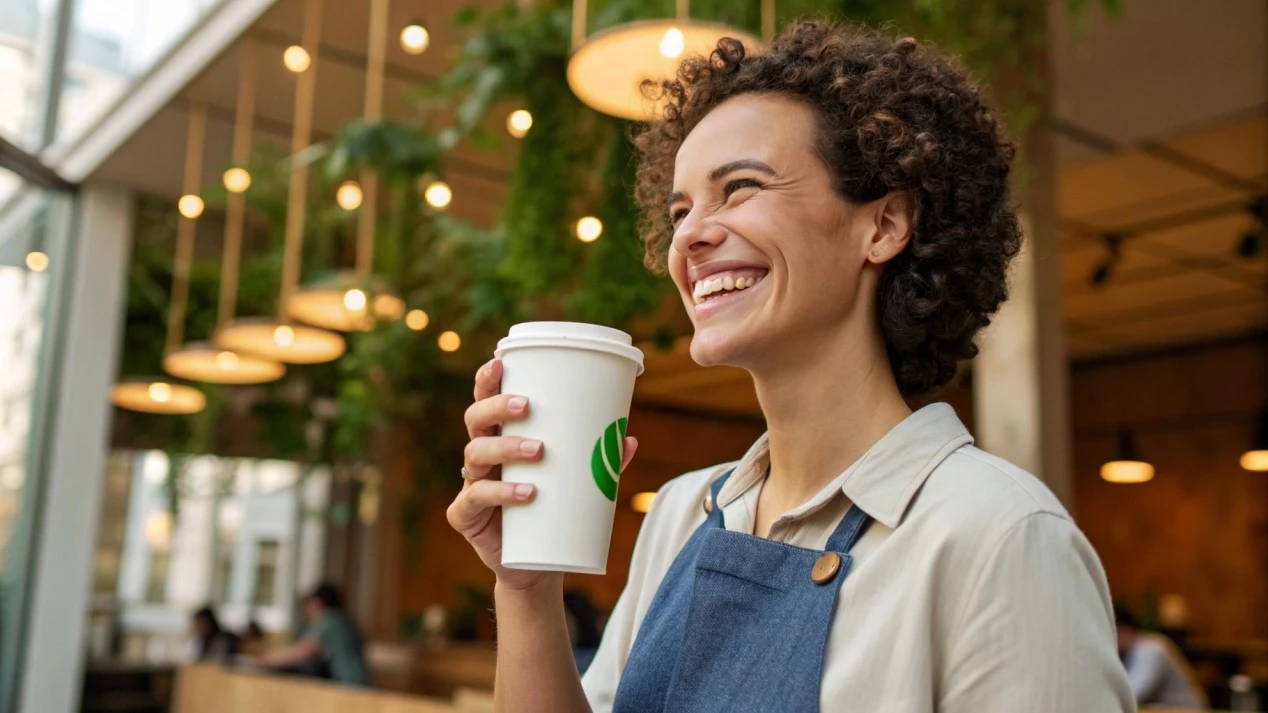
Your packaging is a physical representation of your brand's values. What does a foam cup say about your business in today's world? It says you are not paying attention. I've worked with countless clients to turn their packaging from a simple operational cost into a marketing asset that tells a positive story.
### A Tangible Marketing Message
Unlike a vague mission statement on a website, a paper cup is a physical object that your customers hold. When that cup is made from paper instead of plastic, it becomes a tangible piece of evidence that you are taking action. Many of my clients print messages on their cups like, "We've switched to paper to protect our oceans," turning every coffee sold into a small marketing campaign.
### Following the Leaders
Major global brands like McDonald's and Delta Air Lines have invested heavily in switching from plastic to paper. They don't do this just to comply with laws; they do it because they know it strengthens their brand. When customers see these industry leaders making the change, it sets a new standard. By making the same switch, smaller businesses can align themselves with this modern, responsible image.
Why Do Your Customers Now Prefer Paper Cups?
You want to give your customers what they want. But their preferences are changing fast, driven by news about plastic pollution. Using the wrong packaging can alienate them.
Customers prefer paper cups because they perceive them as the more responsible choice. Fueled by images of plastic in oceans, they see paper as a renewable and more biodegradable option for single-use items.
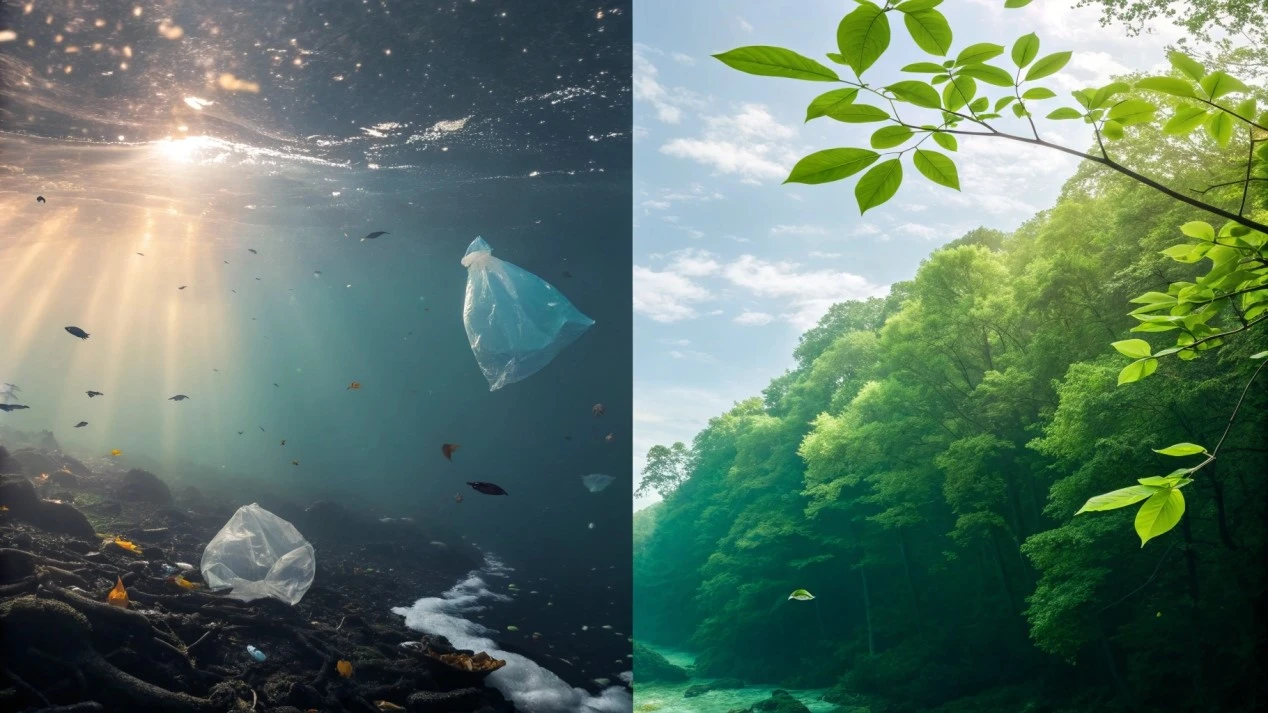
While engineers and scientists can have complex debates about the full lifecycle analysis of paper versus plastic, the average customer makes a much simpler calculation. They see plastic as a permanent polluter and paper as a natural, temporary material. For a business owner, this public perception is the market reality you must operate in.
### The Visual Impact of Pollution
Customers have seen the documentaries and the shocking photos of plastic waste harming wildlife and filling our oceans. This has created a strong emotional connection and a negative perception of plastic. When given a choice, they will almost always choose the option they feel does less harm. They feel better about their purchase when it comes in a paper cup.
### The Renewable Advantage
There is a simple story that is easy for customers to understand: paper comes from trees, and trees can be replanted. Plastic comes from oil, a finite resource. This makes paper feel like the more sustainable and forward-thinking choice. By offering paper cups, you are aligning your business with this simple, powerful narrative of renewal.
Where is the Switch to Paper Cups Actually Working?
This all sounds good in theory, but you need proof that it works in the real world. You are hesitant to invest in a change without seeing concrete, successful examples first.
The switch is proven to work in high-volume situations like music festivals and sports stadiums, in city-wide restaurant initiatives, and within large corporations, all of which report significant reductions in plastic waste.
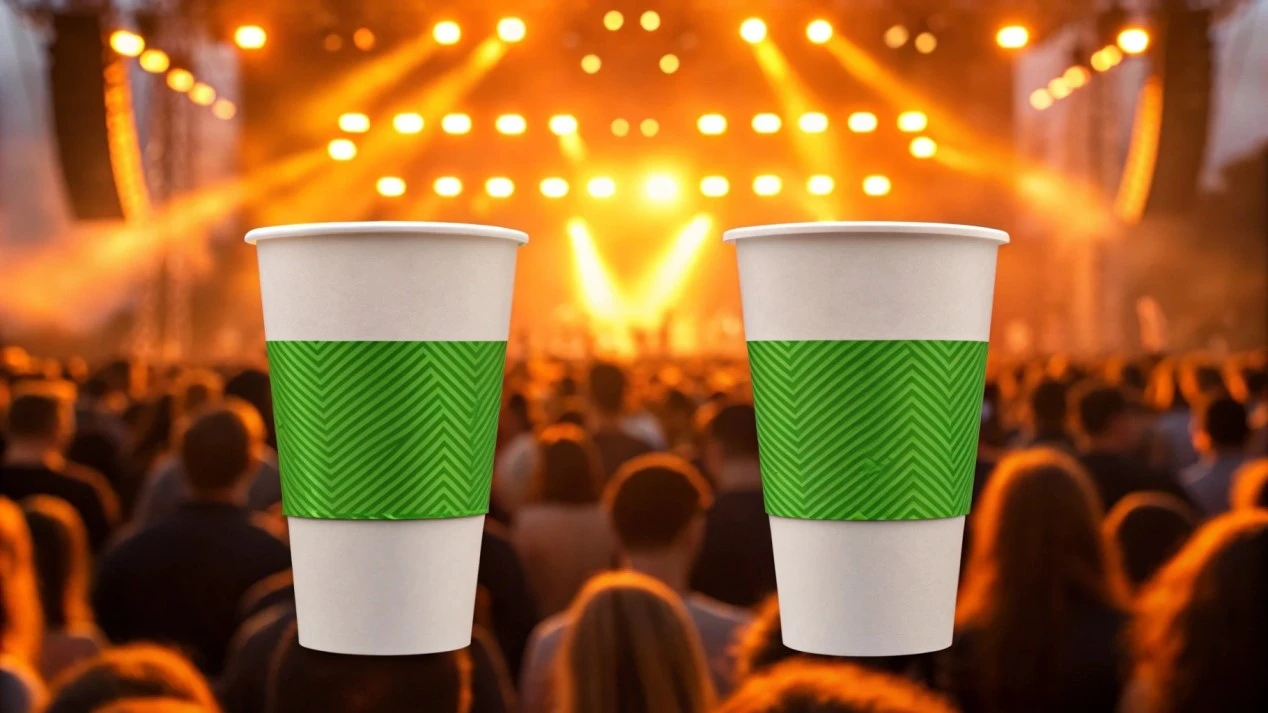
This transition is no longer an experiment; it's a proven strategy with measurable results. I've personally consulted on projects that have diverted tons of plastic from landfills by implementing these changes.
### Real-World Success Stories
The impact is most visible in high-density environments.
Large Venues: A single sports game or music festival can generate hundreds of thousands of plastic cups. By switching to paper, event organizers have been able to drastically reduce their event's plastic footprint. It has become a standard practice for most large-scale, eco-conscious events.
City-Wide Programs: Cities from San Francisco to Seoul have launched successful initiatives to phase out disposable plastics in their food service industries. By providing resources and promoting alternatives like paper cups, they've shown that community-wide change is possible.
Corporate Case Studies: When a company fully makes the switch, they often report back not just on the environmental benefits, but on the positive customer feedback they receive. These stories prove that sustainability is not just good for the planet; it's good for business.
| Sector | Primary Challenge | Paper Cup Solution | Measurable Result |
|---|---|---|---|
| Festivals/Events | Massive single-event plastic waste | Mandate paper cups for all vendors | Drastic reduction in plastic footprint per event |
| City Governments | Overflowing landfills, plastic litter | Encourage/mandate switch in local cafes | Significant drop in municipal plastic waste |
| Corporations | Brand reputation, CSR goals | Phased rollout across all locations | Improved brand image, positive customer feedback |
Conclusion
Paper cups are a practical and powerful tool in the global effort to reduce plastic waste, helping businesses adapt to a more sustainable and responsible future today.