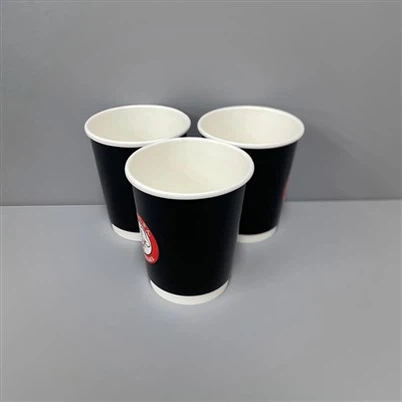
Optimizing For One-Handed Use: The Hands-Free Liberation Solution For Commuters?
Leave a message
Optimizing for One-Handed Use: The "Hands-Free Liberation" Solution for Commuters?
Are you a commuter constantly juggling coffee, phone, and bag, wishing you had an extra hand? The struggle of managing multiple items during a busy journey is real.
Optimizing for one-handed use provides "hands-free liberation" for commuters by designing cups and lids for stability, comfortable grip, and effortless accessibility. This thoughtful engineering allows busy individuals to confidently manage their beverage and other essentials, transforming a stressful commute into a smooth, spill-free experience.
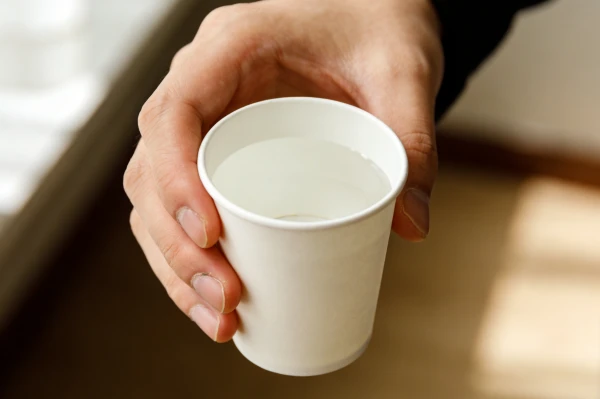
At Amity Packaging, Jonh and I have accumulated "20+ years of experience" and believe packaging should simplify life, not complicate it. "Our mission: Empower everyone who uses paper cups and bowls to truly understand paper packaging," and that includes the practical challenges of daily use. We understand that for many, a paper cup is a constant companion during their journey. This is why we focus on "tailor-made solutions" that fit real-world scenarios. Let us explore "Optimizing for One-Handed Use: The 'Hands-Free Liberation' Solution for Commuters?"
Defining the Scenario: What Is the "Single-Handed Survival" of Modern Urbanites?
Do your customers struggle to hold their coffee while navigating crowded public transport or driving? Modern urban life demands peak efficiency from every product.
The "single-handed survival" of modern urbanites describes the necessity for products, especially drinks, to be effortlessly manageable with just one hand. This is because the other hand is constantly occupied with phones, bags, or steering. Packaging design must therefore prioritize stability, secure grip, and easy access to prevent spills and frustration in fast-paced environments.
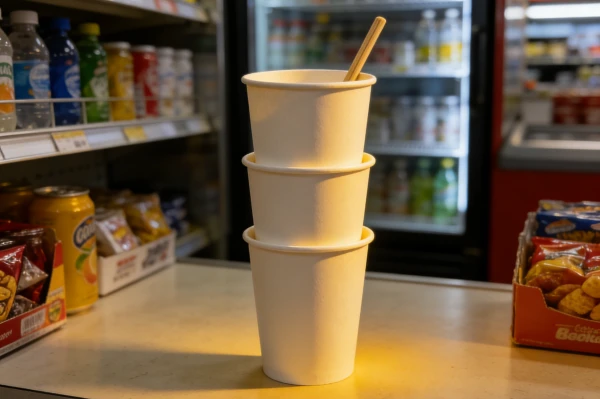
My experience in the disposable packaging sector has given me deep insights into "product applications in multiple markets." Jonh, with his practical understanding of "usage scenarios," always emphasizes that a cup's true test comes in the real world. For urbanites, that means a busy daily commute. We recognize that "single-handed survival" is not a luxury, but a basic need. Let us understand more about "What Is the 'Single-Handed Survival' of Modern Urbanites?"
The Commuter's Constant Juggling Act
The concept of "single-handed survival" deeply resonates with the daily reality of "modern urbanites." Their commute is a complex ballet of simultaneous tasks, where one hand is almost always occupied, making the other hand a crucial tool for everything else. This demanding "scenario" directly influences how paper cups must be designed to be truly effective.
Firstly, The Multi-Tasking Commuter. Consider a typical urban journey:
Public Transport: A commuter might grip a subway pole, swipe through emails on their phone, or hold a briefcase. Their free hand must manage their drink without spills or fuss.
Walking: Navigating sidewalks, holding keys, checking maps, or carrying shopping bags often leaves only one hand available for a beverage.
Driving: The steering wheel occupies one hand, while the other might be shifting gears or interacting with the infotainment system. The cup needs to be easily accessible from a cup holder and opened with minimal distraction. In each situation, the burden on the 'free' hand is immense. Any fumbling for a lid or precarious grip leads to frustration, potential spills, and a negative brand association.
Secondly, Prioritizing Stability and Security. In these dynamic environments, stability is paramount. A cup that feels wobbly or has a slippery surface is a spill waiting to happen. The cup needs to feel secure in the hand, whether standing still, walking, or in a moving vehicle. This means considering the cup's base, its overall weight distribution when full, and how it interacts with standard cup holders. My goal is to deliver "high-quality, eco-friendly, and safe paper packaging solutions," and safety includes preventing spills in busy environments.
Thirdly, Minimizing Cognitive Load. A truly effective single-handed design reduces the mental effort required to handle the cup. The commuter should not have to think about how to open the lid, how to hold the cup securely, or if it will spill. It must be intuitive and seamless. This allows them to focus their attention on their surroundings, their work, or simply enjoying their journey. A complicated or unreliable cup adds unnecessary stress to an already busy schedule, turning a simple coffee break into a source of anxiety.
| Commuter Scenario | Hand Occupancy | Need for Cup Design | Consequences of Poor Design |
|---|---|---|---|
| Public Transport | Holding pole, phone, bag | Secure grip, spill-proof lid | Spills on self/others, frustration |
| Walking Urban | Keys, phone, umbrella, shopping | Stable base, comfortable carry | Drops, unsteadiness, inconvenience |
| Driving | Steering wheel, gear shift, radio | Cup holder compatibility, easy access | Driver distraction, road hazard |
| General Multi-tasking | Phone, notepad, briefcase | Intuitive one-hand operation | Reduced efficiency, negative mood |
Therefore, understanding the "single-handed survival" needs of "modern urbanites" is foundational to designing effective paper cups. This means prioritizing stability, security, and minimizing cognitive load to ensure that a paper cup acts as a reliable companion, not another challenge, during their bustling daily commute.
Ergonomic Grip Design: How Do Cup Curves, Anti-Slip Textures, and Friction Coefficients Create an Ergonomic Grip?
Does your current paper cup feel awkward or slippery, making you worry about drops? A poor grip ruins the experience and increases anxiety.
"Ergonomic grip design" is achieved through careful integration of features like subtle cup curves, specialized anti-slip textures, and optimized friction coefficients in the material. These elements work together to create a secure, comfortable, and intuitive hold, ensuring the cup stays firmly in hand, even for "single-handed survival" scenarios.
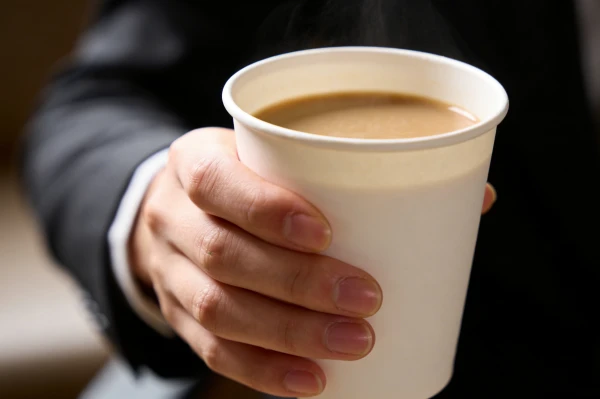
At Amity Packaging, we pride ourselves on "tailor-made solutions" that deliver comfort and safety. Jonh, with his "Degree in Mechanical Engineering," deeply understands the physics of how objects interact with hands, including "friction coefficients." My dedication means I always seek ways to enhance "product performance" through thoughtful "structural design." Let us investigate "How Do Cup Curves, Anti-Slip Textures, and Friction Coefficients Create an Ergonomic Grip?"
The Art and Science of a Confident Hold
"Ergonomic grip design" for paper cups is not just about aesthetics; it is a meticulous blend of "cup curves, anti-slip textures, and friction coefficients" that work in concert to create a secure and comfortable hold, especially critical for "one-handed use." This thoughtful integration is essential for reducing strain and preventing accidental spills.
Firstly, The Subtle Art of Cup Curves. The overall shape of the cup plays a significant role in how well it fits the human hand. While many cups are cylindrical, subtle tapering from top to bottom, or even a slight 'waist' or indentation in the middle, can greatly improve grip. A slightly narrower base ensures it fits snugly in cup holders while a wider top provides ample space for the beverage and a comfortable rim. The circumference at the point of grip should ideally match the natural curve of the hand and fingers, reducing the need for excessive gripping force. Jonh often consults on "custom dimensions" to optimize this.
Secondly, The Power of Anti-Slip Textures. The surface of the cup directly impacts its "friction coefficient"-how much resistance there is to sliding. Smooth paper can become very slippery, especially with condensation or if hands are wet. Anti-slip textures counteract this:
Embossed/Debossed Patterns: Creating raised or recessed patterns on the cup surface provides tactile points that increase friction. This could be small dots, lines, or even a brand logo that itself acts as a grip enhancement.
Corrugation: For corrugated cups, the very structure of the outer wall provides a natural, robust anti-slip texture. The ridges and valleys offer excellent tactile feedback and grip, as well as insulation. This is a primary benefit of our "disposable paper cups (hot & cold, double-wall, PE/PLA coated)."
Thirdly, Optimizing Friction Coefficients with Materials. The material itself, and any outer coatings, influences how the cup feels and grips. Matte finishes, for example, often have a higher friction coefficient than glossy ones. The paperboard's inherent fibrous texture also contributes. The goal is to select materials and finishes that provide sufficient friction without being rough or uncomfortable. This careful selection ensures that the cup maintains its hold even with slight hand movements or external forces, crucial for steady "one-handed use."
| Design Element | How It Enhances Ergonomics | Impact on User Benefit | Preventative Action |
|---|---|---|---|
| Cup Curves | Tapered body, natural hand fit | Reduced grip effort, comfortable hold | Prevents hand fatigue, improves stability |
| Anti-Slip Textures | Embossed patterns, corrugated surface | Increased friction, tactile feedback | Prevents slips, enhances security |
| Friction Coefficient | Matte finishes, specialized coatings | Secure contact with hand | Minimizes drops, spill reduction |
| Overall Comfort | Balanced design across elements | Intuitive and pleasant handling | Fosters confidence, enhances experience |
Therefore, "ergonomic grip design" is a multifaceted approach that meticulously combines "cup curves, anti-slip textures, and friction coefficients." By strategically integrating these elements, paper cup manufacturers ensure a secure, comfortable, and intuitive hold, providing crucial support for "one-handed use" in the fast-paced lives of modern commuters.
The Opening Mechanism Revolution: Do Slide Lids, Twist Lids, and Plug Lids Offer True One-Handed Access?
Are you frustrated by lids that require two hands or cause splashes when opened? A commuter's precious time and clean shirt depend on a better design.
Yes, modern lid designs like slide lids, twist lids, and plug lids represent an "opening mechanism revolution," offering true one-handed access for commuters. Each mechanism balances ease of opening with spill prevention. This allows for quick sips without disruption, providing crucial "hands-free liberation" to manage other tasks on the go.

Jonh, the "industry expert" with "15 years in disposable packaging manufacturing," has seen how much lid design has evolved. I have witnessed how much "technological innovation" in lids has improved the "product performance" of our cups. Our goal is always to deliver "efficient production & delivery" of superior products, and innovative lids are a big part of that. Let us investigate "Do Slide Lids, Twist Lids, and Plug Lids Offer True One-Handed Access?"
Unlocking Seamless Single-Handed Sips
"The Opening Mechanism Revolution" in lid design is a direct response to the "single-handed survival" needs of commuters. "Slide lids, twist lids, and plug lids" each offer distinct advantages, moving far beyond traditional flimsy lids to provide true "one-handed access" and significantly enhance the user experience.
Firstly, Slide Lids: The Convenience Champion. Slide lids feature a small tab or mechanism that slides open to reveal a drinking aperture.
One-Handed Operation: Easily pushed open with a thumb or finger.
Controlled Flow: The opening mechanism often allows for a controlled flow of liquid, preventing splashes.
Security: When closed, they offer a good seal against minor spills, though not always fully leak-proof for rough handling. Slide lids are excellent for immediate, frequent sips during a commute. They are a favored option for "disposable paper cups" where convenience is paramount.
Secondly, Twist Lids: The Security Specialist. Twist lids typically require a quarter or half turn to open or close a drinking port.
One-Handed Operation (with Practice): Can be opened with one hand, usually by twisting a portion of the lid while holding the cup securely.
Enhanced Spill Prevention: Often provide a more secure, leak-resistant seal when closed, making them ideal for carrying in bags or for bumpy rides.
Controlled Access: The twisting motion can give a sense of deliberate control over the drink's access. While potentially slightly more involved than a simple slide, their superior security is a huge benefit for preventing liquid loss.
Thirdly, Plug Lids: The Quick-Seal Solution. Plug lids incorporate a small plug or stopper that can be popped open or pushed closed to reveal the drinking hole.
One-Handed Operation: An easy push or pull with a thumb is all that is needed to open or close the drinking spout.
Simple & Effective: Often a very straightforward design, providing a quick and clear seal.
Versatility: Can be designed for hot or cold beverages, offering versatility across "disposable paper bowls" as well, for example. Plug lids are popular for their simplicity and quick sealing action, proving reliable for quick sips and short transfers.
| Lid Type | One-Handed Operation | Primary Benefit | Commuter Scenario Suitability |
|---|---|---|---|
| Slide Lids | Thumb slide | Quick, effortless access | Frequent sipping, short journeys |
| Twist Lids | Twist with thumb/fingers | High spill security when closed | Bumpy commutes, carrying in bags |
| Plug Lids | Push/pull plug | Immediate seal, simple action | Quick stops, less active transport |
| Overall Goal | Intuitive, minimal effort | Prevent spills, maximize convenience | All commuter types, varying needs |
Therefore, the "opening mechanism revolution" of "slide lids, twist lids, and plug lids" demonstrably offers true "one-handed access." Each design brings unique advantages, from quick sips to ultimate spill security, ensuring that commuters can seamlessly manage their beverages without compromising their "hands-free liberation" during their busy daily routines.
System Compatibility: How Does Cup Design Peacefully Coexist with Phones, Keys, and Briefcases?
Do you ever find your cup does not fit in your car's cup holder, or constantly knocks over items in your bag? Poor "system compatibility" adds daily hassle.
"System compatibility" in cup design ensures peaceful coexistence with phones, keys, and briefcases during a commute by optimizing for standard cup holder sizes, stable bases, and compact form factors. This attention to surrounding items prevents spills inside bags, fits seamlessly into car interiors, and minimizes interference with other personal essentials, offering a truly streamlined experience.
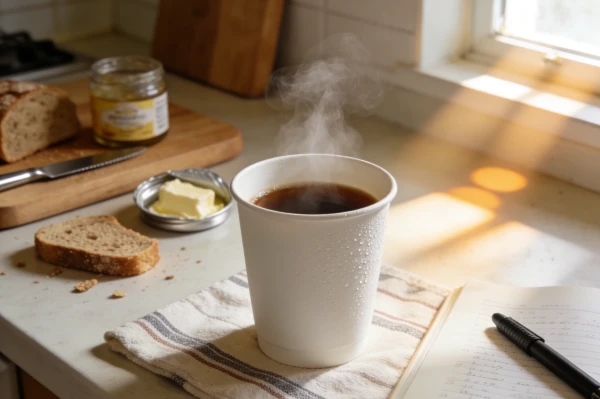
Jonh and I know that a great cup integrates flawlessly into a customer's life. Our "tailor-made solutions" consider the entire application. "System compatibility" is about more than just the cup itself; it is about how the cup fits into the world around it. We offer "material & structure consultation" to ensure this. My commitment is to help clients strengthen their brands by delivering products that truly work. Let us explore "How Does Cup Design Peacefully Coexist with Phones, Keys, and Briefcases?"
Integrating the Cup into the Commuter's Ecosystem
Ensuring "system compatibility" is a critical, often overlooked, aspect of paper cup design. For a commuter, a cup does not exist in isolation; it must "peacefully coexist with phones, keys, and briefcases" and many other personal items. This means the cup's dimensions and features must be meticulously planned to fit within existing personal and environmental constraints.
Firstly, Cup Holder Optimization. The vast majority of cars and many strollers or public transport seats come equipped with cup holders. If a paper cup is too wide, too tall, or has an unstable base, it becomes useless in these slots.
Standardized Dimensions: Manufacturers like us optimize external diameters, particularly the base, to fit common cup holder sizes.
Tapered Design: A slight taper allows for a snug fit without excessive jamming. This ensures the cup remains stable and upright during transit, preventing spills in a confined vehicle space and reducing driver distraction.
Secondly, Compact Form Factor and Bag Integration. Commuters often carry bags, briefcases, or backpacks. A compatible cup means one that can be placed inside (when empty and sometimes even full, assuming a highly secure lid) without taking up excessive space or creating awkward bulges.
Streamlined Profile: Designs that avoid overly bulky or protruding elements are preferred.
Leak-Proof Lids: For cups that might be briefly placed in a bag, a genuinely leak-proof lid (like some of the twist-lid options) is essential to protect electronic devices, documents, and other valuables. Our "sustainable approaches" mean we aim for safe and functional products that protect belongings as well as the planet.
Thirdly, Minimizing Interference with Other Essentials. The cup should not impede access to other frequently used items.
Handheld Comfort: When held, the cup should not block the view of a phone screen or make it difficult to grasp keys simultaneously. The ergonomic grip discussed earlier contributes to this.
Tabletop Stability: If placed on a small cafe table, office desk, or public bench, the cup must have a stable base to avoid toppling over when a phone or keys are placed nearby. A wide, flat bottom prevents easy tipping. "Strict quality control" ensures consistent dimensions for stable performance.
| Compatibility Aspect | Design Consideration | Benefit for Commuter | Negative Impact if Absent |
|---|---|---|---|
| Cup Holders | Optimized base diameter, taper | Stable in car/stroller | Toppling, spills, frustration |
| Bags/Briefcases | Compact profile, secure lid | Space-saving, protection for contents | Interior damage, bulkiness |
| Other Items | Ergonomic grip, stable base | Unhindered phone/key access | Interference, accidental knocks |
| Overall Experience | Seamless integration | Reduced stress, increased convenience | Added hassle, negative perception |
Therefore, "system compatibility" is a vital design principle ensuring a paper cup "peacefully coexist with phones, keys, and briefcases" in a commuter's life. By meticulously optimizing for cup holders, compact forms, and non-interference with other essentials, cup design contributes to a truly streamlined, efficient, and stress-free daily commute.
Conclusion
"Optimizing for one-handed use" brings "hands-free liberation" to commuters. It demands understanding "single-handed survival," impeccable "ergonomic grip design," revolutionary "opening mechanism" for lids, and deep "system compatibility" for a seamless daily experience.