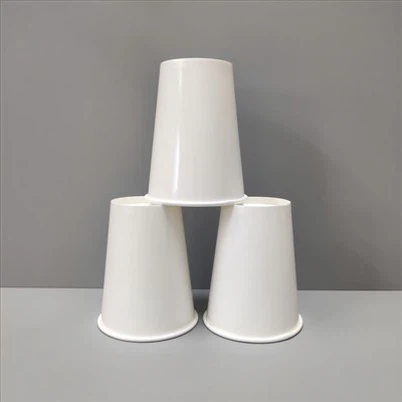
Packing Warmth: How Have Soup Containers Truly Changed The Way We Eat?
Leave a message
Packing Warmth: How Have Soup Containers Truly Changed the Way We Eat?
Eating a hot, fresh meal on the go used to be a dream. Cold, soggy food often ruined lunch plans. Innovative soup containers changed everything.
Soup containers have profoundly changed eating habits by enabling "mobile eating freedom," extending hot meal access to any time, fostering "single-item delivery" convenience, and transforming portable soup into a symbol of modern warmth and comfort. They offer unparalleled flexibility and bring restaurant experiences directly to consumers, adapting effortlessly to dynamic lifestyles.

For "20+ years" at Amity Packaging, I've seen firsthand how a seemingly simple product can reshape daily rituals. Jonh and I started Amity not just to make containers, but to understand their true impact. This isn't just about packaging; it's about a quiet revolution in how we experience food. Let's explore the pivotal ways soup containers have influenced our lives, from transforming our dining spaces to becoming unexpected emotional carriers.
Restructuring Space: Have Soup Containers Redefined Our Dining Spaces, Moving Us From Fixed Tables to Mobile Eating Freedom?
Traditional dining confined us to specific places. Bustling lives demanded more flexibility than ever. Soup containers freed us to eat anywhere.
Yes, soup containers have fundamentally redefined dining spaces by enabling "mobile eating freedom." They allowed hot, liquid meals to be safely transported and consumed outside traditional settings like restaurant tables or home kitchens. This flexibility supports busy lifestyles, transforming public spaces, offices, and even vehicles into impromptu dining areas.

The shift from rigid dining conventions to flexible eating habits is one of the most profound changes I've witnessed. "I remember a time" when soup was strictly an eat-in item, prone to spills if moved. The question, "Restructuring Space: Have Soup Containers Redefined Our Dining Spaces, Moving Us From Fixed Tables to Mobile Eating Freedom?" gets at the heart of modern convenience. My "20+ years of industry expertise" means I've seen how advancements in spill-proof and insulated designs by companies like Amity unlocked this freedom. We moved beyond merely holding food; we enabled an entirely new mode of consumption. This transformation has reshaped everything from our lunch breaks to our travel routines, allowing food to adapt to our pace, not the other way around.
The Ubiquitous Dining Room: Anywhere, Anytime
The emergence of reliable soup containers has indeed "Restructured Space," transitioning society "From Fixed Dining Tables to Mobile Eating Freedom." This change represents a significant cultural and lifestyle adaptation, driven by the demands of modern living. It reflects a fundamental shift in how food is integrated into our daily routines, prioritizing convenience and adaptability.
1. The Erosion of Traditional Dining Boundaries:
Historically, a "meal" implied a sit-down affair, typically at a dedicated dining table. Soup, being a liquid, was particularly restrictive, demanding careful consumption in a stable environment. The advent of intelligently designed, sealed, and insulated soup containers shattered these conventions. No longer tethered to a dining room or even a restaurant, individuals gained the liberty to eat hot soup where their lives took them.
Office Environments: Hot, homemade lunch became easier. Workers could enjoy a warm, nutritious meal at their desks, eliminating the need to leave the office or rely on cafeteria food.
Public Spaces: Parks, benches, and even public transport became viable dining areas, turning mundane commutes or errands into opportunities for a comforting meal.
Travel and Commuting: Long drives or train journeys were historically difficult for hot liquid meals. Portable soup containers changed this, offering a convenient and warm food option.
2. The Psychology of Accessible Comfort:
The ability to consume soup anywhere is not just about physical practicality; it carries significant psychological benefits. Soup is often associated with comfort, warmth, and nourishment. Making this immediate comfort accessible in any location means:
Stress Reduction: A warm meal can be a welcome pause in a hectic day, providing a moment of calm and energy replenishment without the added stress of finding a dining spot.
Personalization: Individuals can customize their eating environment, opting for solitude in a park or camaraderie at a shared office desk, rather than being dictated by restaurant seating.
Healthier Options: It encourages individuals to carry homemade or restaurant-quality, healthier soup options, reducing reliance on less nutritious fast food when outside traditional dining settings.
3. Economic and Social Impacts:
This "mobile eating freedom" has also spurred changes in industries and social interactions:
Food Service Expansion: Restaurants and cafes can now easily offer hot soup for takeaway and delivery, expanding their customer base beyond dine-in capacity. This was a key insight that Amity worked with clients to leverage.
Productivity: For many, the option to eat at their workplace means less time spent commuting for lunch or waiting in queues, indirectly contributing to productivity.
Social Interactions: Spontaneous picnics or shared meals in unconventional settings foster new forms of social interaction, adding flexibility to how people connect over food.
| Impact Area | Pre-Container Era | Post-Container Era | Amity's Contribution to Restructuring Space |
|---|---|---|---|
| Dining Location | Fixed tables, kitchens, restaurants | Offices, parks, cars, public transport, diverse settings | Spill-proof designs, "double-wall" insulation (mobility) |
| Convenience | Limited to dine-in or cold meals | Hot, liquid meals safely portable | Tailored solutions for easy transport and consumption |
| Psychological Benefit | Comfort tied to specific spaces | Comfort accessible anywhere, anytime | Ensuring integrity of warm, comforting food experience |
| Industry Adaptation | Restricted takeaway/delivery for hot liquids | Expanded menus for mobile consumption | Enabling new product offerings and delivery models |
Therefore, soup containers are not just packaging; they are enablers of a new lifestyle. They have profoundly "Restructured Space," liberating us "From Fixed Dining Tables to Mobile Eating Freedom," integrating warm, comforting meals seamlessly into the dynamic flow of modern life.
Extending Time: How Have Soup Containers Given Us the "Right to Hot Meals" Anytime and Adapted to Life's Pace?
Ever wish you could have a hot, comforting meal exactly when you need it? The limitations of "meal times" once restricted us. Containers changed that.
Soup containers have truly "extended time" by giving us the "right to hot meals" anytime, perfectly adapting to life's varied pace. Through advanced insulation and sealing, they preserve optimal temperature and freshness for hours, liberating consumption from strict schedules. This allows individuals to enjoy soup whenever convenient, transforming a time-sensitive meal into a flexible, on-demand comfort.

The concept of fixed meal times used to be the default. But in our fast-paced world, life rarely adheres to a strict schedule. "I often hear clients talk" about how their customers want food on their terms. The question, "Extending Time: How Have Soup Containers Given Us the 'Right to Hot Meals' Anytime and Adapted to Life's Pace?" speaks to this fundamental shift. My "15 years in disposable packaging manufacturing" has been dedicated to crafting solutions that defy time. At Amity, our commitment to "precise insulation" in "double-wall, PE/PLA coated" cups means we don't just hold soup; we preserve its warmth, extending the window of enjoyment. This ensures that whether it's an early morning, a late night, or an unexpected delay, a hot meal is always a possibility.
The Liberation from the Clock
"Extending Time" is a transformative impact of soup containers, granting us the "Right to Hot Meals" anytime and profoundly "Adapting to Life's Pace." This goes beyond just being able to eat anywhere; it empowers us to eat when it suits our individual schedules, rather than conforming to rigid meal structures determined by food's perishable nature.
1. Overcoming Thermal Constraints:
Traditionally, the "hot" aspect of a hot meal was highly time-sensitive. Once prepared, food would rapidly cool, diminishing both its taste and appeal. Soup, with its high water content, is particularly susceptible to heat loss. Excellent soup containers, through "precise insulation" designs (like Amity's "double-wall construction" and specialized coatings), effectively combat this.
Heat Retention: These containers significantly slow down the rate of heat transfer, allowing soup to remain at its "golden temperature" for hours. This is crucial for busy professionals, students, or anyone whose schedule doesn't align with conventional lunch or dinner breaks.
Freshness Preservation: Beyond just temperature, the sealed nature of these containers also helps in "aroma intact upon opening" and preventing premature cooling, which can affect the texture and vibrancy of ingredients.
2. Adapting to Diverse Modern Lifestyles:
Modern life doesn't always allow for predictable meal breaks. Individuals have different work shifts, study patterns, travel requirements, and personal commitments. Soup containers provide the flexibility needed to match these varied rhythms:
Shift Workers: A hot, comforting meal can be enjoyed during a midnight break or an early morning shift, offering a morale boost when traditional food options are scarce.
Students: A warm, homemade lunch or dinner can be consumed between classes or during late-night study sessions, providing sustenance without interruption.
Commuters/Travelers: For those frequently on the move, insulated containers transform travel from an inconvenience for meals into an opportunity for a nourishing break. My own experience has shown me how much value customers place on this flexibility; it's a testament to how packaging can genuinely improve quality of life.
3. Empowering Individual Autonomy:
The "right to hot meals" anytime is, fundamentally, about empowering individual autonomy over one's diet and schedule. It reduces dependence on external factors like restaurant opening hours or the immediate availability of cooking facilities.
Reduced Food Waste: By keeping meals warm for longer, it allows for more flexible consumption, reducing instances where perfectly good food is discarded because it has cooled beyond appeal.
Cost Savings: Bringing warm meals from home or choosing well-insulated delivery options can be more economical than constantly relying on immediate, often more expensive, hot food purchases.
| Aspect of Time Extension | Pre-Container Era | Post-Container Era | Amity's Role in Extending Time |
|---|---|---|---|
| Meal Scheduling | Strict meal times, limited flexibility | Meals consumed according to individual schedule | "Precise insulation" for prolonged warmth |
| Food Condition | Rapid cooling, diminished quality | Maintained "golden temperature," preserved aroma | "Double-wall," PE/PLA coatings, tight seals |
| User Demographics | Limited by time/place for hot meals | Accessible for shift workers, students, travelers | Solutions supporting diverse modern lifestyles |
| Personal Autonomy | Dependent on external food service availability | Greater control over when and where to eat hot food | Empowering choice through reliable mobile food solutions |
Ultimately, "Extending Time" for hot meals is a profound change driven by soup containers. They have effectively given us the "Right to Hot Meals" anytime, dynamically "Adapting to Life's Pace" and enhancing daily well-being through accessible, comforting nourishment.
Industry Innovation: How Have Standardized Containers Spurred the Rise of "Single-Item Delivery"?
Did the idea of ordering just a single, hot item for delivery seem impossible once? The logistics appeared too complex. How did containers make it routine?
"Standardized containers" spurred the rise of "single-item delivery" by offering predictable performance in terms of sealing, temperature retention, and stackability. This reduced logistical complexity for delivery services, ensuring hot, intact meals arrived reliably. The consistency allowed businesses to streamline operations and guarantee customer satisfaction, making individual "soup-to-go" orders economically viable and widely accessible.

The jump from delivering full, complex meals to making single-item delivery not just possible, but profitable, is a fascinating story of "Industry Innovation." "I remember when" ordering just a soup seemed ludicrous; the cost of delivery would outweigh the item itself, not to mention the risk of spills. The question, "Industry Innovation: How Have Standardized Containers Spurred the Rise of 'Single-Item Delivery'?" points to a revolution in logistics. My "20+ years of experience" in collaborating with clients has shown me that "standardized containers" were the unsung heroes. At Amity Packaging, our efforts in "efficient production" and "tailor-made solutions" focused on creating containers that were reliably spill-proof, insulated, and easily handled. This consistency was critical. It allowed delivery platforms to reduce risk and scale their operations, making that single, comforting bowl of soup a convenient reality for millions.
The Logistical Leap for On-Demand Nourishment
The advent of "Standardized Containers" has been a powerful catalyst for "Industry Innovation," particularly in spurring the rise of "Single-Item Delivery." This micro-delivery model, once considered logistically challenging, became economically viable and widespread due to the reliability and predictability offered by purpose-designed packaging.
1. Reducing Logistical Friction:
For a delivery service, every item adds complexity and risk. Liquids, especially hot ones, are notoriously difficult to transport without spillage, heat loss, or damage to other order components. "Standardized containers" addressed these critical points:
Universal Fit: Lids reliably seal onto containers, regardless of the batch, minimizing leakage risk. This consistency allows delivery personnel to handle items with confidence.
Predictable Insulation: A "standardized" level of insulation (e.g., from Amity's "double-wall paper cups") means delivery services can guarantee the soup will arrive hot within a predictable timeframe, reducing customer complaints.
Stackability and Transport Efficiency: Uniform container sizes and shapes allow for efficient packing in delivery bags, reducing jostling and preventing damage, even for a single item. This optimizes space and delivery economics.
2. Enabling "Soup-as-a-Service":
The ability to reliably deliver a single hot soup transformed soup from a side dish or multi-course meal item into a standalone "single-item delivery" product. This broadened the market considerably:
Restaurant Expansion: Restaurants could offer soup not just as a dine-in option but as a primary delivery item, attracting customers focused solely on a warm, quick meal. This allowed them to reach an entirely new segment of the market.
Specialized Businesses: The rise of soup-focused delivery businesses became viable, offering diverse soup menus directly to consumers.
Customer Convenience: Consumers gained the freedom to order exactly what they craved without minimum order complexities or concerns about freshness. This was a direct result of the reliability provided by the packaging.
3. Standardized Quality and Consistency:
For platforms relying on third-party delivery, consistency in packaging performance is key. "Standardized containers" ensure that the customer experience, regardless of the restaurant, meets a baseline of quality:
Brand Reputation: Reliable packaging protects the brand reputation of both the restaurant and the delivery platform. A leaking or cold soup order reflects poorly on everyone involved.
Operational Efficiency: Standardized containers simplify ordering for restaurants, bulk purchasing, and training for staff. This streamlines the entire supply chain from manufacturing to the consumer's hand. With "efficient production & delivery" and "strict quality control," Amity directly supports this standardization. My "15 years in disposable packaging manufacturing" has been very much about understanding these requirements and delivering on them consistently.
| Impact of Standardization | Pre-Standardized Containers | Post-Standardized Containers | Amity's Contribution to Single-Item Delivery |
|---|---|---|---|
| Logistical Risk | High for liquids (spills, heat loss) | Reduced through predictable performance | "Spill-proof," insulated, uniform size/fit |
| Delivery Viability | Challenging for single, hot items | Economically viable, widespread for hot soup | Reliable, consistent packaging for delivery |
| Market Expansion | Limited for soup as a primary delivery item | Enabled "soup-as-a-service" and specialized brands | Empowering new business models |
| Customer Satisfaction | Inconsistent, potential for disappointment | High confidence in hot, intact delivery | Quality assurance, "tailor-made solutions" |
In conclusion, "Standardized Containers" have fundamentally driven "Industry Innovation," particularly in the realm of "Single-Item Delivery." By de-risking the transportation of hot, liquid meals, they have not only streamlined logistics but also broadened market opportunities and enhanced customer satisfaction, making on-demand soup a seamless part of modern life.
Emotional Carrier: Is Portable Soup a Symbol of Warmth in Modern Life?
Can a simple container hold more than just food? Does it carry a deeper meaning? Explore how portable soup has become a symbol of connection and care.
Yes, portable soup has unequivocally become an "emotional carrier," symbolizing warmth and comfort in modern life. Secure, insulated containers transform a simple meal into a gesture of care, whether for a sick friend, a busy family member, or oneself. This accessible warmth provides a psychological comfort that transcends mere sustenance, embedding portable soup deeply into our emotional landscape.

We often categorize products by their function, but sometimes, a product transcends its utility. "I've heard countless stories" from clients whose customers describe the profound comfort a simple bowl of soup brings, especially when delivered. The question, "Emotional Carrier: Is Portable Soup a Symbol of Warmth in Modern Life?" captures this intangible aspect perfectly. My "20+ years of experience" has taught me that we're not just selling cups; we're enabling moments. At Amity Packaging, we design for performance, but the true reward comes from knowing our "high-quality, eco-friendly, and safe paper packaging solutions" play a part in these emotional connections. When our containers keep soup warm and spill-free, they help deliver not just a meal, but a message of care, becoming a true "emotional carrier" in our busy, modern lives.
The Consolation in a Container
Portable soup has indeed transformed into an "Emotional Carrier," standing as a potent "Symbol of Warmth in Modern Life." This phenomenon highlights how well-designed packaging facilitates not just the physical transfer of food, but also the transmission of care, comfort, and connection in an increasingly fast-paced and sometimes disconnected world.
1. A Gesture of Care and Nurturing:
Soup has a long-standing association with nurturing, especially during illness or recovery. The ability to easily package and deliver a warm bowl of soup amplifies this traditional role:
For the Sick: A friend or family member can quickly deliver a hot, ready-to-eat meal to someone unwell, a direct expression of concern, without needing to impose on the recipient or demand extensive cooking. The container ensures the meal arrives in its intended state.
For the Busy: In households where schedules conflict, leaving a warm, well-packaged soup shows thoughtfulness-a way to ensure a loved one gets a nutritious meal despite being unable to share a traditional dining moment. My "experience" has shown that clients value packaging that can withstand these thoughtful gestures, ensuring the care arrives intact.
2. Self-Care and Instant Comfort:
Beyond being a gesture for others, portable soup has become a significant tool for self-care in modern life. The sheer convenience of acquiring a hot, comforting meal:
Stress Relief: A warm bowl of soup can be a powerful antidote to stress, offering a physical sensation of comfort that soothes and grounds an individual in a hectic day.
Accessible Indulgence: It provides a quick, healthy, and warm indulgence, often costing less and being more accessible than other comfort foods. The container's reliability ensures this indulgence is never marred by spills or lukewarm temperatures. This ability to effortlessly access warmth contributes significantly to daily well-being, solidifying soup's role as a personal "emotional carrier."
3. Bridging Distances and Lifestyles:
In an era of remote work, distanced families, and varied social circles, portable soup helps bridge gaps:
Remote Connections: Sending a soup delivery to a colleague, a distant relative, or a friend is a tangible way of wishing them well or staying connected, particularly when physical presence isn't possible.
Adapting to Modern Etiquette: It adapts the traditional act of bringing food to someone in need to the realities of modern urban living and delivery logistics. The technical proficiency of our containers-their insulation, leak-proof design, and purity of materials-are critical for allowing this emotional content to be conveyed effectively. If the container fails, the emotional message is lost.
| Emotional Attribute | How Portable Soup Carries It | Impact on Modern Life | Amity's Enabling Role |
|---|---|---|---|
| Care & Nurturing | Delivering warm meal to vulnerable ones | Strengthens social bonds, provides comfort | Reliable, safe delivery of hot food |
| Self-Comfort/Relief | Accessible, quick, warm nourishment | Combats stress, promotes well-being | Consistent warmth, convenience, quality |
| Connection | Sharing food despite physical distance | Bridges gaps in busy, dispersed societies | Facilitates effective food delivery (gifting) |
| Practical Empathy | Expressing thoughtfulness with minimal effort | Adapts traditional care to modern logistics | User-friendly, leak-proof designs |
Thus, portable soup containers are far more than mere vessels for food. They have evolved into profound "Emotional Carriers," embodying the fundamental human need for connection, comfort, and care, making portable soup a ubiquitous and cherished "Symbol of Warmth in Modern Life."
Conclusion
Soup containers truly "restructured space," "extended time" for hot meals, and inspired "industry innovation" for "single-item delivery." Ultimately, they became "emotional carriers," symbolizing warmth and comfort in modern life.