

Restaurant Owners: How Can You Choose The Optimal Packaging Based On Dish Characteristics?
Leave a message
Restaurant Owners: How Can You Choose the Optimal Packaging Based on Dish Characteristics?
Are you a restaurant owner struggling with takeaway orders, facing soggy fries, leaky soups, or unappealing presentations? Subpar packaging can quickly ruin a carefully crafted dish and your reputation.
Choosing optimal packaging means analyzing your dish's specific needs, precisely matching materials and structures to requirements, and then using design to enhance both the consumer experience and average order value. This strategic approach ensures your food arrives perfectly and your brand shines.
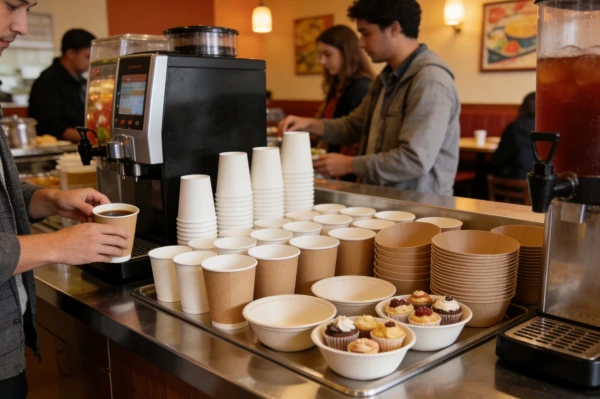
At Amity, Jonh and I have dedicated "20+ years" to understanding paper packaging. Our "mission: Empower everyone who uses paper cups and bowls to truly understand paper packaging" extends deeply into the restaurant industry. We see firsthand how crucial the right packaging is for customer satisfaction and brand integrity. When I speak with restaurant owners, their biggest concern is often consistency-ensuring the dine-in quality translates to takeout. A leaky soup or soggy burger means lost customers, despite the effort put into the food. Through "technological innovation, strict quality control, and sustainable approaches," we help businesses find the perfect fit. Let us dive into "Restaurant Owners: How Can You Choose the Optimal Packaging Based on Dish Characteristics?"
Facing Packaging Pain Points for Your Main Dish Categories?
Do you routinely encounter issues like soggy food or spilled sauces with your current takeout containers? Ignoring these "packaging pain points" can severely damage your brand's reputation and customer loyalty.
We must analyze the specific "packaging pain points" for major dish categories like soups, fried foods, and salads. Each category presents unique challenges, from preventing leaks to retaining crispness. Understanding these issues is the first step to selecting packaging that truly protects quality and satisfies customers.
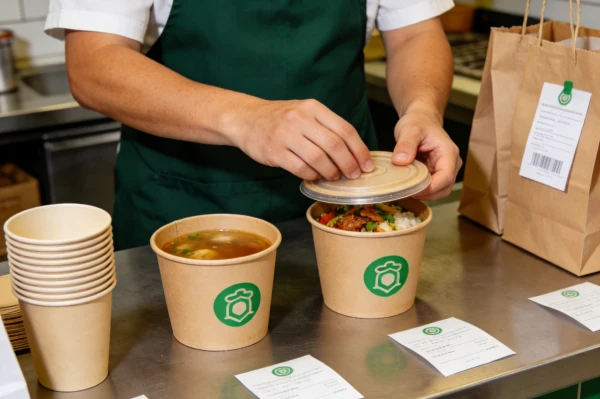
I have heard countless stories from restaurant owners frustrated by packaging failures. One client, a popular noodle shop, recounted how their delicious broth spilled frequently during delivery, leading to angry calls and refunds. Jonh, with his "15 years in disposable packaging manufacturing," immediately pointed out that standard containers simply were not designed for high-liquid content. This perfectly illustrates how identifying "Core Challenge Identification: Analyzing the Packaging Pain Points of Four Major Dish Categories" is the absolute starting point. We at Amity offer "material & structure consultation" precisely for these situations. It is about matching the container to the cuisine. Let us examine "Facing Packaging Pain Points for Your Main Dish Categories?"
Unleashing Quality with Tailored Packaging Solutions
Identifying the "packaging pain points of four major dish categories" is critical for any restaurant owner. It is not a one-size-fits-all world. Each type of food presents its own unique challenges that standard or inappropriate packaging will inevitably fail to address. From my "20+ years of industry expertise," I have seen how overlooking these details directly impacts customer satisfaction and your brand's bottom line.
Let us break down some common categories and their pain points:
Soups and Saucy Dishes:
Pain Points: The primary concern here is leakage. No customer wants a bag full of spilled broth or sauce. Heat retention is also vital; a cold soup removes all its comfort value. Additionally, vapor buildup can make the accompanying bread or garnishes soggy.
Why it's a Challenge: High liquid content, varying temperatures, and long transit times mean containers must be robustly sealed and well-insulated. Regular paper bowls might soak through if not properly coated.
Fried Foods (e.g., Fries, Fried Chicken, Spring Rolls):
Pain Points: The biggest foes are sogginess and grease absorption. Trapped steam makes crispy food limp, while insufficient grease resistance leaves oily stains on bags and hands. Heat retention is also important for enjoying fried food.
Why it's a Challenge: Fried foods release a lot of steam and oil. Packaging needs smart ventilation to let steam escape without losing too much heat, and a strong grease barrier.
Salads and Cold Dishes (e.g., Pasta Salads, Fruit Bowls):
Pain Points: Condensation can make delicate greens wilt. Dressing separation is crucial; nobody wants a pre-sogged salad. Visual appeal is paramount for fresh items.
Why it's a Challenge: Maintaining crispness and freshness requires specific moisture control. Often, compartments are needed to separate wet and dry ingredients. The packaging also needs to showcase the vibrant colors of the fresh produce.
Hot Sandwiches and Wraps (e.g., Burgers, Burritos):
Pain Points: Steam buildup leads to soggy buns or wrappers. Ingredient migration can happen during transport, making the dish look less appealing. Heat retention is important without compromising texture.
Why it's a Challenge: These dishes often combine hot and potentially moist ingredients. The packaging needs a balance of breathability and insulation, along with a structure that keeps contents neatly in place.
My team and I work closely with kitchens to understand these details. Amity offers various products, like "disposable paper bowls (soups, noodles, salads)" and "food takeaway paper boxes," specifically designed to address these issues. We focus on "tailor-made solutions" because a ramen cup needs a different lid and coating than a french fry box. This granular understanding is how we empower restaurants to deliver their food in pristine condition, every time.
| Dish Category | Common Pain Points | Why it's a Challenge | Recommended Packaging Feature from Amity |
|---|---|---|---|
| Soups & Saucy Dishes | Leakage, poor heat retention, sogginess | High liquid content, varying temperatures | Strong seals, PE/PLA coating, double-wall options |
| Fried Foods | Sogginess, grease absorption, coldness | Steam release, oil content, need for crispness | Vented designs, grease-resistant coatings |
| Salads & Cold Dishes | Wilting, dressing mix-up, poor presentation | Moisture control, ingredient separation, visual appeal | Compartmented boxes, transparent lids |
| Hot Sandwiches/Wraps | Soggy buns, ingredient shift, heat loss | Balanced breathability/insulation, structural integrity | Vented boxes, secure closures, sturdy construction |
By "analyzing the packaging pain points," restaurants can avoid common pitfalls and invest in solutions that truly protect their culinary efforts. This ensures every dish delivers the intended experience, reinforcing brand quality and customer satisfaction.
How Do Material, Structure, and Function Precisely Match Your Dish Requirements?
Are you choosing packaging materials solely based on price, overlooking how they genuinely interact with your food? This common mistake can lead to compromised quality and unhappy customers.
Understanding "how material, structure, and function precisely match requirements" is key. Different coatings (PE/PLA) impact leak resistance, while structures like double walls affect insulation. Each parameter serves a specific protective or aesthetic purpose, ensuring optimal delivery based on your dish's unique needs.
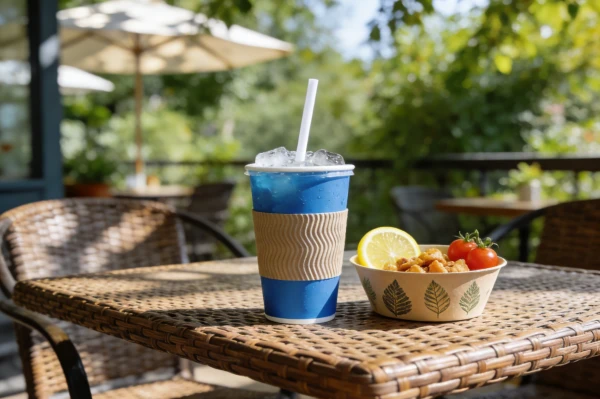
After identifying the pain points, the next logical step is to find the right solutions. This means getting into the specifics of packaging design. Jonh often explains: "It's not just paper; it's engineered paper." He, with his "Degree in Mechanical Engineering," deeply understands the science behind our products. At Amity, we focus on delivering "solutions that enhance product performance." This involves looking at three key parameters: material, structure, and function. Our "material & structure consultation" service guides clients through these choices. It is about making informed decisions, not just guesses. Let us explore "How Do Material, Structure, and Function Precisely Match Your Dish Requirements?"
Engineering the Perfect Packaging Solution
Once we understand a dish's pain points, we zero in on "how material, structure, and function precisely match requirements." This is where my team's "20+ years of experience" truly shines. We look at the interplay of these three elements to engineer the optimal packaging solution.
Material:
PE (Polyethylene) Coated Paper: This traditional coating provides excellent moisture and grease resistance. It is great for hot liquids and oily foods, effectively preventing leaks and absorption. Our "disposable paper cups (hot & cold)" and "disposable paper bowls" often use PE for its reliable barrier properties.
PLA (Polylactic Acid) Bio-based Coated Paper: This is our eco-friendly alternative. Derived from renewable resources like corn starch, PLA offers similar barrier properties to PE but is compostable in industrial facilities. It is ideal for brands with an "Eco-Driven Mindset" wanting "biodegradable coatings." It performs well for both hot and cold items.
Untreated Paper/Cardboard: Suitable for dry goods or items needing maximum breathability. It is naturally compostable but lacks liquid resistance.
Structure:
Single-Wall: The simplest paper cup or bowl design. Good for cold drinks or foods that do not require intense insulation.
Double-Wall: Features an extra layer of paper, creating an air gap for superior insulation. This makes it perfect for hot beverages or soups, keeping contents warm and making the exterior comfortable to hold. Our "disposable paper cups (double-wall)" are a prime example.
Compartmented Boxes: Essential for separating ingredients in salads (e.g., dressing from greens) or multi-component meals. This maintains freshness and prevents sogginess. Our "food takeaway paper boxes" can be customized with these features.
Hinged Lids vs. Separate Lids: Hinged lids offer convenience for quick service. Separate lids (especially those with tight seals) provide better leak prevention for liquids and are often preferred for delivery.
Function:
Heat Retention: Achieved through double-wall structures or thick, insulated paper. This function is vital for hot soups, coffees, or gourmet hot meals.
Ventilation: Critically important for fried foods to prevent sogginess. This involves small vents or specific lid designs that allow steam to escape without excessive heat loss.
Leak Resistance: Primarily determined by effective coatings (PE/PLA) and secure lid designs. Essential for any liquid or saucy dish to provide mess-free transport.
Visual Appeal: Achieved through high-quality printing, custom shapes, and transparent elements. This is vital for salads or desserts where presentation enhances perceived value. Our "logo & printing customization" plays a huge role here.
We provide "tailor-made solutions" because we understand that a specific dish might need a PLA-coated double-wall bowl with a leak-proof lid, while another only requires a vented single-wall box. Our consultations ensure you get precisely what you need, benefiting "both newcomers and industry veterans." This smart selection reduces waste, enhances customer satisfaction, and ultimately strengthens your brand.
| Parameter | Specific Options | How it Precisely Matches Dish Requirements | Amity Product Example |
|---|---|---|---|
| Material | PE Coated Paper | Excellent for liquid/grease resistance (hot/cold drinks, saucy meals) | Standard "disposable paper cups (hot & cold)," paper bowls |
| PLA Bio-based Coated Paper | Eco-friendly alternative with reliable barrier for hot/cold liquids/foods | Eco-friendly "disposable paper cups," bowls with PLA coating | |
| Untreated Paper | Breathability for dry goods, natural compostability | Certain "food takeaway paper boxes" for sandwiches/bakery | |
| Structure | Single-Wall | Cost-effective for cold drinks, less demanding hot items | Basic "disposable paper cups" |
| Double-Wall | Superior insulation for hot beverages/soups, comfortable to hold | "Disposable paper cups (double-wall)" for coffee, hot soup | |
| Compartmented Boxes | Separates ingredients (salads, multi-course meals), maintains freshness | "Food takeaway paper boxes" with custom inserts | |
| Function | Heat Retention | Keeps hot food/drinks warm during transit | Double-wall cups/bowls, thick paperboard |
| Ventilation | Prevents sogginess in fried/steamed foods, allows steam escape | Vented "food takeaway paper boxes," specific lid designs | |
| Leak Resistance | Ensures liquids/sauces do not spill, mess-free delivery | Tight-fitting lids, PE/PLA coated bowls/cups | |
| Visual Appeal | Showcases food, enhances perceived quality | High-quality printing, window boxes, custom shapes |
By diligently applying these principles for "material, structure, and function," restaurants can move beyond generic packaging. They can adopt solutions specifically engineered to deliver their unique dishes in perfect condition, every time.
Need a Quick Guide: Which Packaging Fits Your Restaurant Format Best?
Are you a restaurant owner overwhelmed by packaging choices, unsure which types best suit your specific business model? Too many options can lead to decision paralysis or costly mistakes.
This "practical guide" offers a quick-reference for selecting optimal packaging based on mainstream restaurant formats. It provides clear recommendations using product comparison charts, helping you swiftly identify the right paper cups, bowls, or boxes to match your service style and menu.
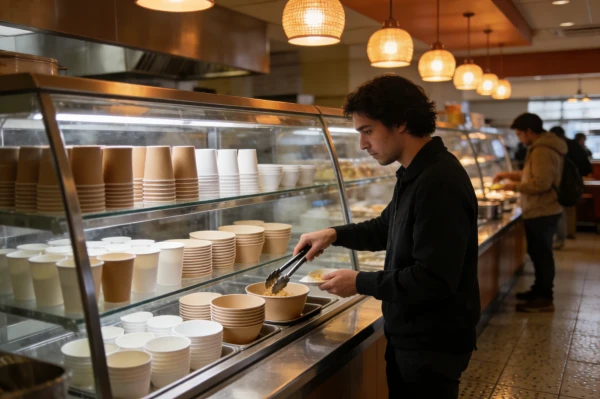
After understanding the science behind the packaging, the next task for a restaurant owner is to apply this knowledge practically. With so many options available, it can feel like a maze. My job, and Amity's mission, is to simplify this process. We aim to empower "everyone who uses paper cups and bowls to truly understand paper packaging" by providing straightforward, actionable advice. I often create cheat sheets for clients, helping them choose quickly and confidently. This is about making smart decisions efficient. Let us explore "Need a Quick Guide: Which Packaging Fits Your Restaurant Format Best?"
Streamlined Packaging Choices for Specific Restaurant Models
Navigating the vast array of packaging options can be daunting. My "practical guide" focuses on mainstream restaurant formats and aims to provide quick, actionable insights using a product comparison chart. The goal is to help you rapidly identify Amity's solutions that best fit your service style and menu.
Fast Casual Restaurants (e.g., Burger Joints, Deli Sandwiches):
Dish Type Example: Burgers, french fries, wraps, hot sandwiches.
Requirements: Durability for transit, good ventilation for fried items, often branded.
Recommendation: "Food takeaway paper boxes" with ventilation, possibly "PE/PLA coated" for greasy items. Standard "disposable paper cups" for drinks.
Amity Focus: "Tailor-made solutions" for custom branding and efficient, high-volume production.
Coffee Shops & Cafes (e.g., Espresso Bars, Bakeries):
Dish Type Example: Hot coffees, teas, iced drinks, pastries, small snacks.
Requirements: Excellent heat retention (for hot drinks), clear presentation (for pastries), comfort to hold.
Recommendation: "Double-wall paper cups" for hot beverages, single-wall for cold. Small "food takeaway paper boxes" with windows for baked goods.
Amity Focus: High-quality "disposable paper cups (hot & cold, double-wall, PE/PLA coated)" and custom "lids, paper straws."
Casual Dining Takeout (e.g., Family Restaurants, Bistros):
Dish Type Example: Soups, pasta dishes, salads, main courses with sides.
Requirements: Leak-proof for saucy dishes, compartmentalization, microwave-safe.
Recommendation: Sturdy "disposable paper bowls" with tight-fitting lids. "Food takeaway paper boxes" with multiple compartments.
Amity Focus: Diverse range of "disposable paper bowls (soups, noodles, salads)" and customized "food takeaway paper boxes (bento boxes, lunch boxes)."
Upscale/Fine Dining Takeout (e.g., Gourmet Restaurants, Special Event Catering):
Dish Type Example: Multi-component meals, delicate desserts, gourmet pre-prepared dishes.
Requirements: Premium aesthetic, superior structural integrity, elegant presentation, often eco-friendly materials.
Recommendation: "Tailor-made solutions" with printing and finishes, multi-tier "food takeaway paper boxes," PLA-coated options.
Amity Focus: Emphasizing our "Eco-Driven Mindset" and "logo & printing customization" to reflect high brand value and sustainability.
My team and I work to provide "tailor-made solutions" that go beyond generic offerings. We consider "custom dimensions, materials, printing, and structure" to ensure the packaging is a seamless extension of your restaurant's brand and quality. Jonh's expertise in "end-to-end production of paper-based food packaging" allows us to confidently recommend and produce the best options for your specific needs, ensuring "efficient production & delivery" no matter the scale. This quick guide makes packaging selection both strategic and simple.
| Restaurant Format | Dish Type Example | Amity Recommended Product | Key Packaging Features |
|---|---|---|---|
| Fast Casual | Burgers, Fries, Wraps | Vented paper boxes, standard paper cups | Durability, ventilation, grease resistance, brand visibility |
| Coffee Shops/Cafes | Hot/Iced beverages, Pastries | Double-wall cups, small window boxes | Insulation, clear presentation, comfortable hold, lids |
| Casual Dining Takeout | Soups, Pasta, Salads | Coated paper bowls, compartmental boxes | Leak-proof, food separation, microwave-safe, sturdy |
| Upscale/Fine Dining | Gourmet Meals, Desserts | Custom multi-component boxes, PLA-coated | Premium aesthetics, structural integrity, eco-friendly option |
| Catering/Events | Bulk beverages, snacks | Large custom cups, snack trays | High volume, easy transport, consistent branding |
This comparative approach simplifies the decision-making process for restaurant owners, allowing them to quickly identify the optimal Amity packaging solutions that elevate their brand and customer experience within their specific operational context.
Want to Boost Order Value: How Can Packaging Design Elevate Consumer Experience?
Are you missing opportunities to turn a simple takeout order into a premium experience, potentially increasing sales? Generic packaging can flatten your brand's perceived value.
To "increase average order value and consumer experience," smart packaging design is crucial. It elevates brand perception, justifies higher prices through visual appeal, and encourages add-ons. By integrating sustainability messaging and ensuring convenience, special packaging turns a meal into a memorable, valuable interaction.
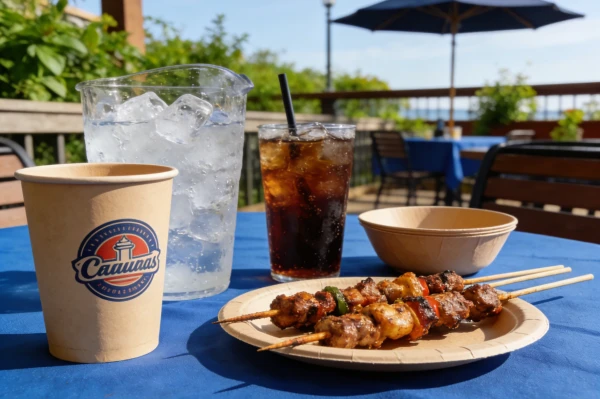
We have covered the practicalities, but now we get to the magic: how packaging can actually make you more money and make customers happier. This is where the true "value enhancement" comes into play. Jonh often says that "Amity Packaging is more than a manufacturer-we are promoters and enablers of the disposable paper packaging industry." We understand that the power of packaging goes beyond preventing leaks; it can build brands and drive sales. My own journey, helping many clients expand their businesses, taught me that thoughtful design is not an expense-it is an investment. Let us explore "Want to Boost Order Value: How Can Packaging Design Elevate Consumer Experience?"
Strategic Packaging Design for Economic and Experiential Gains
"How to Increase Average Order Value and Consumer Experience Through Packaging Design" is a question every savvy restaurant owner should ask. Packaging, when designed strategically, transitions from a mere cost to a powerful marketing and sales tool. It elevates the entire consumption experience, justifying higher prices and encouraging customers to spend more.
Here is how smart packaging design achieves this:
Elevating Brand Perception:
Visual Appeal: High-quality printing, custom shapes, and an aesthetic that aligns with your brand's identity immediately signal a premium experience. A beautifully designed cup or box suggests care and quality, even before the customer tastes the food. Our "logo & printing customization" allows for intricate details and vibrant colors that make your brand "pop."
"Unboxing" Experience: For multi-component meals, packaging that is easy to open, beautifully arranged, and perhaps includes a small branded detail (like a sticker or a custom napkin) creates a delightful "unboxing" moment. This makes the meal feel special, akin to receiving a gift. This enhanced experience makes customers feel they are getting more value.
Justifying Higher Price Points & Encouraging Add-ons:
Perceived Value: When a dish arrives in robust, attractive, and functional packaging, the perceived value of the food itself increases. Customers are often willing to pay a slightly higher price for an experience free of leaks, sogginess, and poor presentation.
Upselling Opportunities: Packaging can subtly promote other items. A beautifully designed sleeve on a coffee cup might feature a pastry special. A takeout box could have a printed QR code linking to upcoming promotions or loyalty programs. Jonh's insights on "creative yet practical logo design ideas" often include these subtle promotional elements.
Integrating Sustainability Messaging:
Eco-Conscious Appeal: Highlighting packaging made from "renewable paper" or using "PLA bio-based coatings" resonates deeply with environmentally aware consumers. This enhances your brand's image and attracts a segment of customers willing to support sustainable businesses, potentially leading to higher average order values as they feel good about their purchase. My team works to ensure our "sustainability commitment" is clearly communicated through our packaging.
Storytelling: Using the packaging to tell the story of your brand's commitment to sustainability (e.g., "Sourcing renewable paper from responsibly managed forests and FSC-certified suppliers") builds trust and loyalty.
Convenience and Functionality:
Ease of Use: Packaging that is easy to carry, open, eat from, and dispose of (e.g., microwave-safe, stackable) adds significant value to the customer's experience. This thoughtful design minimizes friction and frustration.
Portion Control/Compartmentalization: Well-designed compartments prevent food mixing and maintain freshness. This attention to detail reflects positively on the brand.
At Amity, we focus on delivering "solutions that enhance product performance and brand value." We see packaging not just as a container but as a canvas for your brand story and a vehicle for an enhanced customer experience. By optimizing these elements, packaging moves from a basic cost to a powerful profit driver, boosting both order value and long-term customer relationships.
| Design Element | How it Enhances Value | Impact on Average Order Value (AOV) | How Amity Supports |
|---|---|---|---|
| Premium Aesthetics | Elevates perceived quality, justifies price | Allows for higher menu pricing, perceived luxury | "Logo & printing customization," special finishes |
| "Unboxing" Experience | Creates delight, memorable impression | Encourages repeat purchases, loyalty | Custom inserts, unique structural designs |
| Sustainability Messaging | Attracts eco-conscious consumers, builds trust | Appeals to higher-spending, value-driven segment | PLA coatings, FSC-certified materials, "eco-driven mindset" |
| Convenience & Functionality | Reduces friction, enhances usability | Increases customer satisfaction, repeat business | Microwave-safe, leak-proof, ergonomic design |
| Brand Storytelling | Builds emotional connection, fosters loyalty | Strengthens brand premium, word-of-mouth marketing | Custom narratives on packaging, QR codes |
By strategically leveraging "packaging design," restaurants can transform a simple delivery or takeout order into a premium "consumer experience." This not only fosters loyalty and positive reviews but also directly contributes to "increase average order value" and sustained business growth.
Conclusion
Choosing optimal packaging is a strategic business decision. It identifies "packaging pain points," matches "material, structure, and function" precisely, and uses "packaging design" to elevate value. This approach improves food delivery and enhances the entire consumer experience.


