The Philosophy Of Touch: How Does Raw Kraft Texture Vs. Laminated Smoothness Define The Emotional Value And Brand Identity Of A Cup Sleeve?
Leave a message
The Philosophy of Touch: How Does Raw Kraft Texture vs. Laminated Smoothness Define the Emotional Value and Brand Identity of a Cup Sleeve?
Ever held a cup sleeve that felt just right, connecting deeply with the brand? Many sleeves are just functional. But the right touch can create lasting emotional value.
The "Philosophy of Touch" defines emotional value and brand identity for a cup sleeve through its texture. Raw Kraft texture communicates naturalness, authenticity, and sustainability. Laminated smoothness projects a modern, refined, and premium image. These tactile sensations create unconscious emotional connections, directly influencing how a brand is perceived and remembered.
For "20+ years," my work in packaging design has shown me that products speak to us in many ways. Sight is important. But touch is just as powerful. Jonh and I at Amity Packaging believe the feel of a cup sleeve goes deeper than we realize. It can shape "emotional value" and "brand identity." It is the unspoken communication. Let's explore how the texture we choose for a sleeve tells a story to your fingertips.
The Narrative of Materials: Does the "Natural Memory" of Raw Roughness Tell a Different Story Than the "Modern Manifesto" of Smooth Lamination?
Does your cup sleeve blend in or stand out? A generic sleeve says nothing. But the right material can tell a unique story.
Yes, the "Natural Memory" of "Raw Roughness" tells a different story than the "Modern Manifesto" of "Smooth Lamination." Raw Kraft paper evokes nature, authenticity, and hand-crafted quality. Smooth lamination, in contrast, signifies modernity, sleekness, and a premium aesthetic. Each texture builds a distinct narrative, shaping immediate consumer perception and brand association.
"I recall working with a client" who wanted their organic coffee to feel authentic. Their old glossy sleeves did not fit the brand. The question, "The Narrative of Materials: Does the 'Natural Memory' of Raw Roughness Tell a Different Story Than the 'Modern Manifesto' of Smooth Lamination?" speaks to our core design choices. My "15 years in disposable packaging manufacturing" has taught me that materials have stories. At Amity, we know that "raw roughness" like that found in Kraft paper carries a "natural memory." It reminds people of recycled paper, forests, and handmade goods. This tells a story of earthiness and authenticity. But "smooth lamination" tells a "modern manifesto." It speaks of precision, sleekness, and technology. Both are strong narratives. The right choice depends entirely on the brand's desired message. These tactile stories matter a lot.
Decoding the Material Message
The choice between "Raw Roughness" and "Smooth Lamination" for a cup sleeve is not merely aesthetic. It is a fundamental decision that dictates the "Narrative of Materials." Each texture carries an inherent message, shaping consumer perception and building a distinct "brand identity."
1. The "Natural Memory" of Raw Roughness:
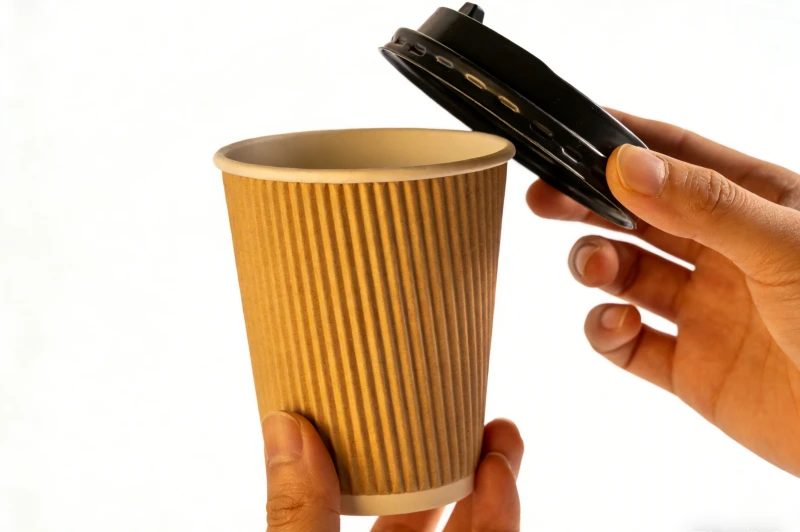
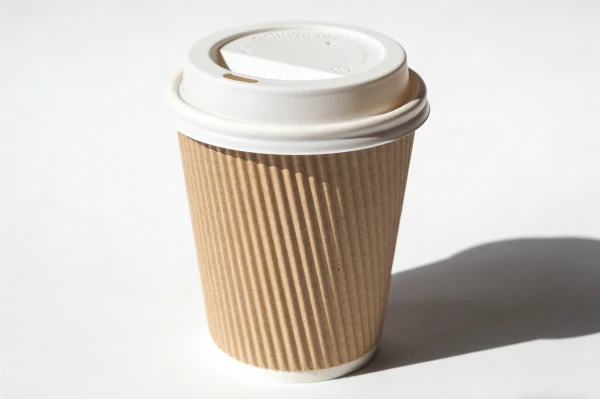
Raw Kraft paper, often used for cup sleeves, is recognizable by its visible fibers, matte finish, and slightly coarse feel. This texture carries a "natural memory" due to its visual and tactile association with:
Authenticity and Nature: It looks and feels less processed. This connects it to natural ingredients, organic products, and environmentally friendly practices. Amity Packaging's "sustainability commitment," including "sourcing renewable paper" and using "biodegradable coatings," aligns perfectly with this.
Craftsmanship and Honesty: The imperfections and visible fibers suggest a less mass-produced, more artisanal quality. It conveys a sense of honest, straightforward value.
Sustainability: Raw Kraft is often associated with recycled content or unbleached paper. This makes it a powerful visual and tactile cue for eco-conscious brands. When a consumer holds a rough textured sleeve, they often unconsciously link it to warmth, genuineness, and an ethical approach.
2. The "Modern Manifesto" of Smooth Lamination:
Laminated sleeves feature a plastic film (often PE or PLA for eco-friendly options) applied over the paperboard. This gives a smooth, sometimes glossy, often sleek finish. This texture delivers a "modern manifesto" that communicates:
Premium Quality and Sophistication: A smooth, flawless surface often connotes high-end products. It suggests attention to detail and a refined user experience.
Innovation and Technology: The sleekness can align with brands that position themselves as forward-thinking or technologically advanced.
Cleanliness and Durability: The smooth surface can feel more "clean." It offers a perception of increased durability or resilience against spills. "My knowledge of printing technology evaluation" confirms how these laminations protect graphics while enhancing feel.
Vibrant Graphics: Smooth surfaces often allow for more vibrant color reproduction and intricate graphic details, which can be part of a modern, bold brand statement.
3. Shaping Brand Identity:
The chosen material narrative directly shapes the brand's identity:
An organic coffee brand using raw Kraft paper reinforces its natural origins and commitment to sustainability.
A premium boutique coffee shop using a smooth, matte laminated sleeve with spot UV details projects an image of luxury and exclusive experience.
This alignment between material feel and brand message is critical for consistent branding. Jonh guides clients to ensure their "material & structure consultation" matches their brand vision.
| Material Texture | Visual Characteristics | Tactile Sensation | Associated Brand Narrative |
|---|---|---|---|
| Raw Kraft Roughness | Matte, fibrous, earthy | Coarse, natural, warm | Authenticity, sustainability, craft, organic |
| Laminated Smoothness | Glossy/matte, seamless, vibrant | Sleek, refined, cool | Modernity, premium, innovation, precision, luxury |
By recognizing "The Narrative of Materials," brands can strategically choose between "Raw Roughness" and "Smooth Lamination." This ensures their cup sleeve design truthfully tells a "Natural Memory" or a "Modern Manifesto," effectively shaping consumer perception.
Sensory Psychology: Does Natural Texture Evoke Authentic Trust, While Refined Touch Builds a Ritual of Quality?
Does your brand feel genuine or merely surface-level? The sensation of touch can profoundly affect consumer trust and perception of quality.
Yes, in "Sensory Psychology," natural texture evokes "authentic trust" through its inherent associations with honesty and nature. In contrast, "refined touch" often builds a "ritual of quality," signaling meticulous care, sophistication, and a premium experience. These tactile cues bypass conscious thought, forming immediate emotional connections that deeply influence brand perception.
Brands aim for a deep connection with their customers. But how do you build "authentic trust" and a "ritual of quality" with just a cup sleeve? The question, "Sensory Psychology: Does Natural Texture Evoke Authentic Trust, While Refined Touch Builds a Ritual of Quality?" points to the power of our hands. My "20+ years of experience" has shown me that touch creates an instant, unconscious judgment. At Amity, we understand "sensory psychology." A natural, slightly rough texture often feels honest and trustworthy. It connects us to raw materials and simplicity. But a smooth, refined touch feels deliberate and cared for. It creates a small moment, almost a "ritual of quality." These subtle differences in how a sleeve feels can silently tell the customer a lot about the brand's values.
The Emotional Language of Tactile Input
"Sensory Psychology" plays a crucial role in how consumers interact with cup sleeves. The tactile sensation of "Natural Texture" versus "Refined Touch" goes beyond surface-level aesthetics. It taps into deeply ingrained psychological associations to either evoke "Authentic Trust" or build a "Ritual of Quality." This unconscious communication is powerful.
1. Natural Texture and "Authentic Trust":
The human brain associates natural, unprocessed textures with honesty, simplicity, and truth.
Honesty and Transparency: The raw, slightly rough feel of an uncoated Kraft sleeve often implies "what you see is what you get." It suggests a lack of artificiality or hidden elements. This fosters a sense of transparency. This builds consumer trust.
Connection to Nature: Our primitive senses link natural textures to the earth, organic growth, and sustainability. For brands that highlight eco-friendliness (like those using Amity's "eco-friendly" materials), this tactile feedback reinforces their message credibly.
Warmth and Approachability: Rougher textures can paradoxically feel warmer and more approachable than very smooth ones. This creates an emotional connection often associated with comfort and genuine care. "I've observed that brands targeting a 'down-to-earth' audience" find this particularly effective.
2. Refined Touch and the "Ritual of Quality":
A smooth, polished, or laminated surface creates a different set of psychological responses:
Precision and Care: A refined touch suggests meticulous manufacturing and attention to detail. This makes the product feel expensive and high-quality. The smoothness implies flaws have been eliminated.
Sophistication and Luxury: We often associate silky or sleek textures with premium goods. Holding a smooth sleeve can elevate the entire experience into a small "ritual of quality." This transforms a simple coffee break into a moment of indulgence.
Cleanliness and Order: A smooth surface can feel inherently cleaner and more pristine. This contributes to a perception of a well-managed, high-standard brand.
Anticipation and Enjoyment: The refined tactile feel can subtly build anticipation, enhancing the enjoyment of the beverage itself.
3. Unconscious Engagement:
These tactile cues often operate at an unconscious level.
The consumer may not overtly think, "This rough sleeve makes me trust the brand." Instead, they simply feel a sense of naturalness or honesty.
Similarly, a smooth sleeve evokes a feeling of premiumness or care without explicit reflection. This makes tactile design a powerful, subtle tool for influencing brand perception. Jonh, with his "15 years of experience," understands how these subtle cues translate into real market advantage. This aligns with Amity's mission to "empower everyone... to truly understand paper packaging."
| Tactile Sensation | Evoked Emotional Response | Psychological Association | Impact on Brand Perception |
|---|---|---|---|
| Natural Texture | Trust, honesty, warmth, comfort | Nature, authenticity, handmade, transparency | Ethical, genuine, approachable, sustainable |
| Refined Touch | Quality, sophistication, luxury, precision | Modern, premium, meticulous, exclusive | High-end, innovative, reliable, indulgent |
By mastering "Sensory Psychology," cup sleeve designers can leverage "Natural Texture" to foster "Authentic Trust" or employ "Refined Touch" to build a "Ritual of Quality." This directly communicates brand values at a deeply intuitive level.
Brand Semiotics: Can Tactile Sensation Act as a Physical Projection of Brand Value?
Do customers understand your brand's core values just by touch? Abstract values sometimes need a physical anchor.
Yes, in "Brand Semiotics," tactile sensation can absolutely act as a "physical projection of brand value." The feel of a cup sleeve serves as a non-verbal signifier, directly communicating attributes like sustainability, luxury, or authenticity. This tangible feedback strengthens brand identity and creates immediate, intuitive associations in the consumer's mind.
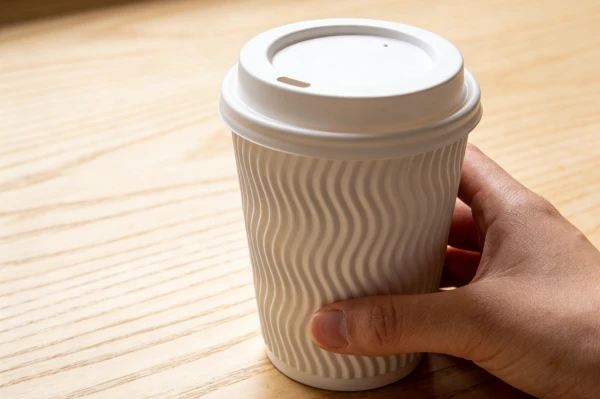
Brands often struggle to make their values tangible. The question, "Brand Semiotics: Can Tactile Sensation Act as a Physical Projection of Brand Value?" highlights the power of touch as a silent communicator. My "20+ years of industry expertise" confirms this. We know that "tactile sensation" can be a "physical projection" of what a brand stands for. At Amity, our "material & structure consultation" helps clients select textures that align with their core message. A brand committed to eco-friendliness uses raw, unbleached Kraft. This is a clear sign. A luxury brand chooses a soft-touch laminate. This signals exclusivity. These physical feelings become part of the brand's language. They communicate values instantly, without words.
Tactile Cues as Brand Signifiers
In "Brand Semiotics," every element of a product, including its tactile properties, acts as a sign that communicates meaning. The "Tactile Sensation" of a cup sleeve, therefore, is not just a pleasant or unpleasant experience. It serves as a potent "Physical Projection of Brand Value." It provides direct and immediate cues about a brand's ethos and positioning.
1. Semiotics of Raw Kraft Texture:
When a consumer feels the rough, fibrous surface of a raw Kraft sleeve, it acts as a signifier for a specific set of meanings:
Eco-Consciousness: The unbleached, natural look and feel directly signify environmental responsibility. It points to recycled materials, biodegradability, and a commitment to protecting the planet. This aligns with Amity Packaging's "sustainability commitment" and use of "renewable paper."
Authenticity and Transparency: The visible texture suggests honesty and a lack of artificiality. It signifies a brand that is "real" and "unpretentious."
Craft and Artisan Values: The feel can evoke handmade goods or traditional craftsmanship, signifying attention to detail that is personal rather than mass-produced. For brands targeting consumers who value sustainability, naturalness, or ethical production, this tactile signifier is incredibly powerful and genuine.
2. Semiotics of Laminated Smoothness:
A smooth, often glossy or soft-touch laminated sleeve communicates a different set of brand values:
Luxury and Premiumness: Smoothness is often associated with exclusivity, high quality, and a premium price point. It signifies a brand that invests in refined details and offers an elevated experience.
Modernity and Innovation: A sleek, flawless surface can project an image of a forward-thinking, technologically advanced, and contemporary brand. It signifies polish and progress.
Sophistication and Elegance: The refined feel implies a sophisticated aesthetic. It indicates a brand that values elegance and a polished presentation. For brands aiming for a high-end market or emphasizing their innovative edge, smooth lamination transmits these messages effectively. Jonh's "creative yet practical logo design ideas" often consider how these finishes can best highlight a brand's specific values.
3. Enhancing Brand Message Consistency:
The most effective use of tactile semiotics occurs when it is consistent with all other brand elements (visuals, messaging, product quality).
If a brand claims to be "eco-friendly" but uses a glossy, highly processed sleeve, the tactile message conflicts. This reduces credibility.
If a brand positions itself as "luxury" but uses a rough, basic sleeve, the experience feels incongruous.
Conversely, when the tactile sensation reinforces the brand's stated values, it creates a cohesive and believable brand narrative. This strengthens identity and makes the brand instantly recognizable on a deeper level.
| Tactile Sensation | Brand Value Signified | Corresponding Brand Archetype |
|---|---|---|
| Raw Roughness | Sustainability, Authenticity, Craft, Natural | The Innocent, The Sage, The Caregiver |
| Laminated Smoothness | Luxury, Modernity, Innovation, Precision | The Ruler, The Creator, The Magician |
By intelligently applying "Brand Semiotics," the tactile sensation of a cup sleeve becomes a direct and powerful "Physical Projection of Brand Value." It communicates meanings that resonate deeply and intuitively with consumers. This helps build a stronger, more consistent brand identity.
The Decision Chain: How Does the Behavioral Loop from Fingertip Sensation Lead to Consumer Identity?
Does a simple touch really influence buying decisions? Your fingers might be making choices before your brain consciously does.
The "Decision Chain" starts a "behavioral loop" where "fingertip sensation" leads to "consumer identity." A pleasant or aligned tactile experience creates positive emotional responses. This reinforces brand values psychologically. This interaction then influences purchase decisions and fosters brand loyalty. This makes the brand a part of the consumer's self-image.
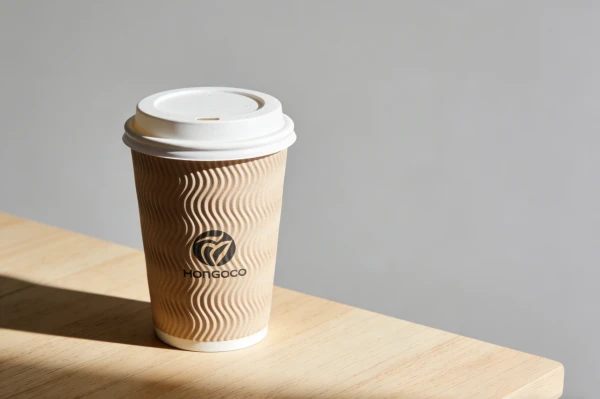
"Emotional Response" -> "Brand Perception" -> "Purchase Decision" -> "Consumer Identity/Loyalty."" title="The Consumer Decision Chain from Tactile Sensation">
Making a purchase decision is complex. But how much of it starts with just a touch? The question, "The Decision Chain: How Does the Behavioral Loop from Fingertip Sensation Lead to Consumer Identity?" explores this fascinating link. My work has shown that touch is a powerful, often pre-conscious, trigger. At Amity, we see "fingertip sensation" as the start of a "behavioral loop." When a customer feels a sleeve, that feeling creates an instant emotional response. This response directly shapes their perception of the brand. If the feeling aligns with their values (say, soft kraft for eco-conscious buyers), it strengthens their "consumer identity." They feel good about buying from that brand. This positive loop encourages loyalty. It makes them feel like the brand reflects who they are.
From Touch to Self-Identification
The "Decision Chain" is an intricate "behavioral loop." It demonstrates how an initial "Fingertip Sensation" can profoundly influence consumer choices, ultimately leading to the formation of "Consumer Identity" in relation to a brand. This process often operates below conscious awareness, making tactile design a potent tool.
1. The Initial Fingertip Sensation:
The moment a consumer touches a cup sleeve, their fingers send sensory data to the brain. This initial input is processed very quickly.
Pleasure/Displeasure: Is the texture pleasing, irritating, or neutral?
Familiarity/Novelty: Is it a common texture or something unique?
Thermal Cues: Is it warm, cool, or insulating? This immediate sensation forms the base of the "behavioral loop."
2. Emotional Response and Brand Perception:
This initial sensation quickly triggers an emotional response:
Positive Feelings: A pleasant texture (e.g., a comforting raw kraft or a luxurious soft-touch laminate) evokes positive emotions like warmth, satisfaction, or quality.
Negative Feelings: An unpleasant texture (e.g., too flimsy, too coarse, or unexpectedly sticky) can trigger negative feelings like irritation or disappointment. These emotional responses immediately color the consumer's "Brand Perception." If the sleeve feels premium, the brand feels premium. If it feels natural, the brand feels authentic. Jonh and I believe "product performance and brand value" are deeply connected at this stage.
3. Influence on Purchase Decision and Repeat Behavior:
This refined brand perception then directly informs the "Purchase Decision":
Reinforcement: If the tactile sensation aligns with the brand's stated values and the consumer's desires (e.g., an eco-conscious buyer feeling the raw texture of a sustainable sleeve), it reinforces their decision to purchase.
Differentiation: A unique and positive tactile experience can differentiate a brand from competitors. This makes it a preferred choice.
Trial and Loyalty: A pleasing tactile experience can encourage initial trial. If subsequent experiences are consistent, it builds repeat behavior and brand loyalty. "I've seen clients gain loyal customers" just by improving the tactile feel of their packaging.
4. Formation of Consumer Identity:
Over time, as positive tactile experiences accumulate, the brand can become integrated into the consumer's "Consumer Identity":
Self-Expression: Consumers choose brands that reflect their values and aspirations. If a brand's tactile experience (e.g., sophisticated smooth sleeve) aligns with how a consumer sees themselves (e.g., as a person of refined taste), they will identify with that brand.
Social Signalling: The cup with its sleeve becomes an accessory. It signals to others about the consumer's choices and identity. (This links to "Social Currency" from the previous post).
Emotional Attachment: This deep identification fosters strong emotional attachment. It makes the consumer less likely to switch brands. This closes the "behavioral loop."
| Stage in Decision Chain | Psychological Process | Impact on Consumer |
|---|---|---|
| Fingertip Sensation | Immediate sensory input, pre-conscious | Initial emotional trigger, perception formation |
| Emotional Response | Positive/negative feelings generated | Influences attitude towards brand |
| Brand Perception | Refined understanding of brand values | Shapes preference and trust |
| Purchase Decision | Choice influenced by perception | Immediate action, potential for repeat business |
| Consumer Identity | Brand becomes part of self-image | Loyalty, advocacy, emotional attachment |
Through this intricate "Decision Chain," the humble "Fingertip Sensation" on a cup sleeve initiates a powerful "Behavioral Loop." It actively contributes to "Consumer Identity" by shaping perceptions and building lasting loyalties.
Conclusion
The "Philosophy of Touch" profoundly shapes brand connection. "Raw roughness" evokes authenticity. "Laminated smoothness" projects modern quality. These tactile cues drive "sensory psychology," "brand semiotics," and the "decision chain," directly influencing consumer identity and loyalty.