

What Is The Price Of Hygienic Assurance? The Hidden Psychological Costs Resolved By Paper Cups?
Leave a message
What Is the Price of "Hygienic Assurance"? The Hidden Psychological Costs Resolved by Paper Cups?
Do you ever worry about unseen germs on communal containers, even after they've been washed? That lingering doubt can impact your peace of mind.
"Hygienic assurance" from paper cups resolves these hidden psychological costs by offering a pristine, single-use container for every drink. This eliminates subconscious worries about contamination or prior use, providing tangible peace of mind and confidence in a clean, safe beverage experience.
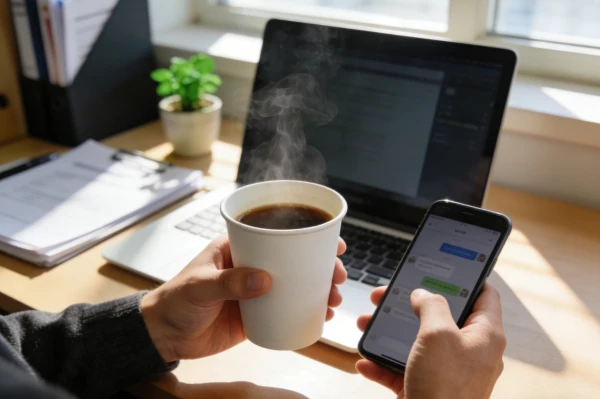
At Amity Packaging, Jonh and I have accumulated "20+ years of experience" in mastering disposable paper products. We know that a cup's value goes beyond its physical form; it also delivers trust. "Our mission: Empower everyone who uses paper cups and bowls to truly understand paper packaging." This includes the crucial role paper cups play in alleviating deep-seated psychological concerns about hygiene. Let us explore "What Is the Price of 'Hygienic Assurance'? The Hidden Psychological Costs Resolved by Paper Cups?"
Implicit Anxiety: Is There a Subconscious Wariness Towards "Others' Containers"?
Have you ever hesitated to use a shared mug, even if it looks clean? That subtle feeling of discomfort is a common human experience.
Yes, there is often an "implicit anxiety," a subconscious wariness towards "others' containers." Paper cups alleviate this by offering a pristine, untouched vessel, eliminating concerns about previous users or unknown cleaning standards. This provides immediate, tangible reassurance and peace of mind to the consumer.

My years in the disposable packaging sector have taught me that personal comfort and peace of mind are paramount. Jonh, with his background in "Mechanical Engineering," understands the practical side, but we both see the subtle human factors. We aim to deliver solutions that "enhance product performance and brand value," and part of that is addressing these feelings. Let us dive deeper into "Is There a Subconscious Wariness Towards 'Others' Containers'?"
The Psychology Behind the Untouched Vessel
The "implicit anxiety" toward "others' containers" is a fascinating aspect of human psychology, rooted in our evolutionary history and a natural aversion to potential contaminants. This subconscious wariness explains why a brand new, single-use paper cup resolves a hidden psychological cost for many consumers.
Firstly, Evolutionary Disgust Sensitivity. Humans have an innate "disgust sensitivity" as a survival mechanism. Our ancestors learned to avoid anything that might carry disease, such as bodily fluids or decomposing matter. While a clean cup is logically safe, this ancient wiring creates a lingering unease when we consider something that has been in contact with another person's mouth or used in an unknown environment. Our minds quickly play out scenarios, even if irrational, involving germs or improper cleaning. This is why an "untouched" vessel, like a fresh paper cup, provides immediate psychological relief.
Secondly, The "Common Property" Effect vs. "Personal Property." When an item is considered "common property"-used by many others-it triggers a different set of psychological responses than something that is purely "personal property." A paper cup immediately becomes "personal property" upon receiving it, establishing clear boundaries of ownership and perceived cleanliness for the duration of its use. There is no ambiguity about who touched it last or its cleaning history. This provides a sense of control and reduces anxiety. Our "strict quality control" ensures every cup starts as a pristine, safe item.
Thirdly, The "Halo Effect" of Newness. A new, unused item often carries a "halo effect" of purity and perfection. This psychological bias makes us perceive new things as inherently cleaner and safer. Paper cups embody this perfectly: they are visibly fresh, often sealed, and presented as untouched since manufacture. This aligns with our natural desire for cleanliness and order, significantly contributing to the customer's sense of "hygienic assurance." My discussions with clients often lead to emphasizing this 'newness' factor as a key selling point.
| Factor Contributing to Anxiety | How Paper Cups Address It | Psychological Impact | Consumer Benefit |
|---|---|---|---|
| Unknown History/Users | Single-use, new | Eliminates uncertainty | Peace of mind, confidence |
| Cleaning Standards Doubt | No prior cleaning needed | Removes doubt about sanitization | Perceived safety, trust |
| Disgust Sensitivity | Pristine, untouched surface | Reduces natural aversion | Comfort, reduced stress |
| Lack of Control | Personal, disposable item | Increased sense of ownership/control | Enhanced personal boundary |
Therefore, "implicit anxiety" towards "others' containers" is a genuine psychological hurdle that paper cups elegantly overcome. By offering a "pristine, untouched vessel" that is clearly "personal property," paper cups tap into our innate needs for cleanliness, safety, and control, effectively resolving hidden psychological costs and fostering a deeper sense of trust and comfort.
Trust Credentials: Does Single-Use Sealing Guarantee "Cleanliness"?
Do you ever wonder if your drink has been tampered with before you get it? The journey from preparation to your hand can be a source of worry.
Yes, "trust credentials" like single-use sealing act as a strong guarantee of "cleanliness." This visible and tactile assurance confirms the product has been untouched post-production, offering consumers peace of mind that their beverage is safe from tampering or contamination.
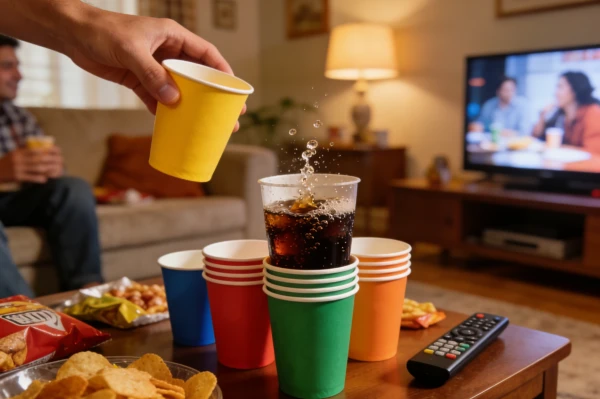
Jonh and I know that "strict quality control" is paramount, not just for the product itself, but for the entire consumer experience. We believe in providing "high-quality, eco-friendly, and safe paper packaging solutions." A key part of that safety is ensuring integrity. "Our customers often ask about how we prevent contamination throughout the entire supply chain." The answer lies partially in how we and our partners handle lids and sealing. Let us investigate "Does Single-Use Sealing Guarantee 'Cleanliness'?"
The Unspoken Promise of Tamper-Evidence
"Trust credentials," particularly in the form of "single-use sealing," play a pivotal role in guaranteeing "cleanliness" by providing tangible proof of an untouched product. This visual and tactile assurance goes beyond mere aesthetics; it addresses deep-seated consumer concerns about product integrity and safety.
Firstly, The Physical Barrier to Contamination. A seal acts as a physical barrier. Once a beverage is filled and sealed, it is protected from environmental contaminants like dust, airborne particles, or accidental splashes during transit. More importantly, it prevents any direct human contact with the drink itself after preparation, which is crucial for hygiene. This is a fundamental aspect of "our sustainable approaches" to packaging, ensuring that the health and safety of the end-consumer are prioritized.
Secondly, Proof of Tamper-Evidence. The key psychological power of a seal lies in its "tamper-evident" nature. If a seal is broken, torn, or clearly disturbed, it immediately signals to the consumer that the product may have been compromised. This direct visual cue allows the consumer to reject the product, thus maintaining their safety. Without this evidence, any potential tampering would go unnoticed, leading to a profound loss of trust. This feature is heavily factored into our "material & structure consultation" for our clients' products.
Thirdly, The Psychological Signal of Care and Professionalism. A properly sealed product conveys a strong message of professionalism and care from the brand. It shows that the company takes hygiene and consumer safety seriously. This translates into increased customer confidence and loyalty. In an era where food safety is a major concern, this explicit guarantee of cleanliness is not just a regulatory compliance; it is a powerful marketing tool that reinforces brand reputation. My goal in "sharing knowledge and insights to help more partners succeed" includes guiding them on such critical aspects of product presentation.
| Sealing Type/Feature | Primary Function | Hygienic Assurance Benefit | Psychological Impact |
|---|---|---|---|
| Heat Seal (Cup Rim) | Secures lid to cup | Prevents leakage, preserves freshness | Guarantees untouched contents |
| Tamper-Evident Tab | Visible breakage indicator | Shows if product was opened | Alerts to potential tampering/contamination |
| Full Shrink Wrap (for multipacks) | Outer protective layer | Bulk product integrity, display cleanliness | Reinforces product safety, professional image |
| Material Quality | Ensures seal integrity | Prevents premature breaking | Builds trust in product quality |
Therefore, "single-use sealing" provides powerful "trust credentials" that undeniably guarantee "cleanliness." By forming a clear physical barrier, offering visible tamper-evidence, and conveying a professional commitment to hygiene, these seals resolve unspoken fears about contamination and significantly bolster consumer confidence, making the "price of hygienic assurance" well worth it.
Economic Conversion: How Does Assurance Enhance Willingness to Pay?
Do you ever find yourself willing to pay a little extra for something you know is safe and clean? The cost of peace of mind is real.
Assurance enhances "willingness to pay" (WTP) through "economic conversion" by translating the intangible value of hygiene and peace of mind into a tangible benefit. Consumers are often willing to pay a premium for guaranteed product safety, cleanliness, and the absence of subconscious anxieties, recognizing this as a worthwhile investment in their health and comfort.
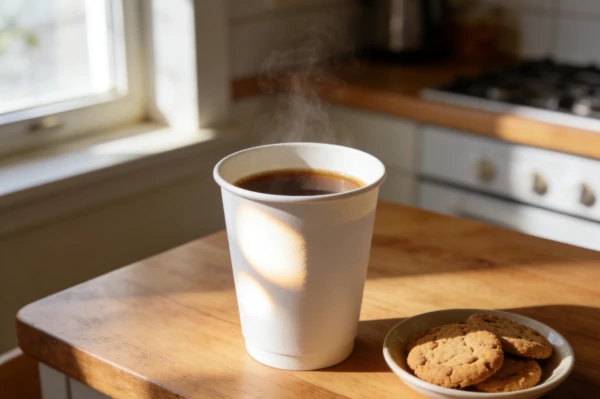
Jonh, with his "over 20 years of industry expertise," and I have seen how much consumer perception influences market prices. We understand that "financial freedom" for our clients comes from recognizing the full scope of product value, including "intangible benefits." For us, "our mission: Empower everyone who uses paper cups and bowls to truly understand paper packaging," and that includes understanding its economic impact. Let us explore "How Does Assurance Enhance Willingness to Pay?"
Translating Psychological Comfort into Market Value
The concept of "economic conversion" illustrates how the intangible benefit of "assurance"-specifically hygienic assurance from paper cups-translates directly into an enhanced "willingness to pay" (WTP). Consumers evaluate value beyond mere material costs, incorporating psychological comfort and risk reduction into their purchasing decisions.
Firstly, The Value of Risk Mitigation. Humans are generally "risk-averse." When faced with uncertainty, especially concerning health and safety, we are often willing to pay a premium to reduce or eliminate that risk. A paper cup, guaranteeing single-use cleanliness, directly mitigates the perceived risk of disease transmission or contamination. This reduction in perceived risk is a tangible benefit that consumers are prepared to financially compensate for. They see it as an investment in their health and well-being. This is a core part of what makes our "safe paper packaging solutions" appealing.
Secondly, The Premium on Peace of Mind and Convenience. The psychological comfort of knowing your beverage is uncontaminated and ready to enjoy without concern is a significant driver of WTP. This "peace of mind" eliminates "implicit anxiety" and contributes to a smoother, more enjoyable consumption experience. Furthermore, the convenience of not having to carry, wash, or worry about a personal reusable cup adds to the perceived value. This blend of comfort and ease justifies a higher price point in the consumer's mind. My dedication to "helping many clients expand their businesses" often involves highlighting these less obvious value propositions.
Thirdly, Brand Trust and Perceived Quality. Brands that consistently deliver hygienic assurance through their packaging build a strong foundation of trust with their customers. This trust translates into a perception of higher overall product quality and reliability. Consumers are generally willing to pay more for brands they trust, as it reduces their decision-making effort and ensures a consistent, positive experience. The "strict quality control" we implement aims to build this trust which directly impacts a brand's ability to command a higher price.
| Value Driver | How Assurance Contributes (from Paper Cups) | Impact on Willingness to Pay (WTP) | Long-Term Brand Benefit |
|---|---|---|---|
| Risk Reduction | Eliminates contamination worries | Increases WTP for safety | Builds reliability, loyalty |
| Peace of Mind | Removes subconscious anxiety | Increases WTP for comfort | Enhances positive brand association |
| Convenience | No personal maintenance needed | Increases WTP for ease of use | Streamlines consumer experience |
| Perceived Quality | Signals professionalism, care | Increases WTP for trust | Reinforces premium status |
Therefore, "assurance" from paper cups undergoes a clear "economic conversion," directly enhancing "willingness to pay." By mitigating risk, providing peace of mind, offering significant convenience, and bolstering brand trust, the hygienic benefits of paper cups translate into a justifiable premium that consumers are often eager to pay for their health, safety, and comfort.
The Post-Pandemic Era: Is Single-Use Packaging an Inevitable Choice Reinforcing Personal Boundaries?
Do you feel more cautious about shared items since the pandemic, prioritizing personal safety? The world has changed how we view hygiene.
Yes, in "the post-pandemic era," single-use packaging has become an "inevitable choice" reinforcing "personal boundaries." Heightened public health awareness has solidified the preference for untouched, disposable items, offering a clear psychological and physical barrier against contamination. This choice directly aligns with a renewed focus on individual safety and hygiene.
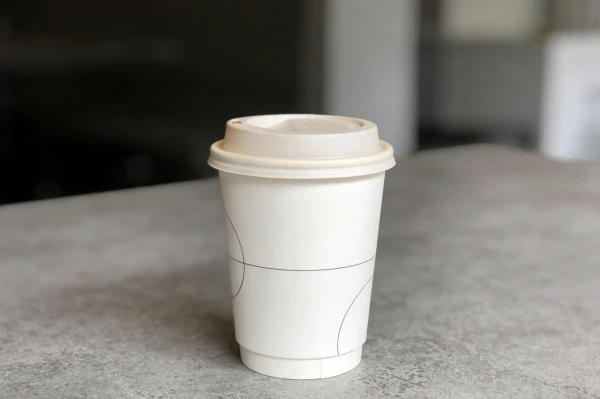
Jonh and I have observed a significant shift in consumer behavior since the global health crisis. "Our mission: Empower everyone who uses paper cups and bowls to truly understand paper packaging" means we must also adapt to evolving societal needs. Our "eco-driven mindset" means we innovate towards sustainability while never compromising on safety. We believe that packaging solutions must meet the demands of a changing world. Let us delve into "Is Single-Use Packaging an Inevitable Choice Reinforcing Personal Boundaries?"
Hygiene as the New Frontier of Personal Space
"The post-pandemic era" has fundamentally reshaped how individuals perceive hygiene and "personal boundaries," making single-use packaging not just a preference but an "inevitable choice" for many. The global health crisis brought latent "implicit anxieties" to the forefront, solidifying the psychological comfort derived from disposable items.
Firstly, Heightened Awareness of Viral Transmission. The pandemic vividly demonstrated how easily pathogens can spread through shared surfaces and human contact. This experience has left a lasting impact, cultivating a heightened awareness of hygiene. Consumers are now significantly more sensitive to the idea of shared containers, even those that appear clean. Single-use paper cups provide an undeniable, visual guarantee that only "I" have touched this container, creating a clear and reassuring barrier against potential viral transmission points. This aligns with our commitment to provide "safe paper packaging solutions."
Secondly, Reinforcing Personal Boundaries in Public Spaces. In crowded environments like cafes, offices, or public transport, navigating personal space has become more challenging. Single-use packaging acts as a silent but powerful reinforcement of "personal boundaries." It offers a sense of individual safety and control in environments where germs might lurk. This extends beyond the cup itself to disposable lids and straws, all contributing to a comprehensive "untouched" experience. My discussions with industry veterans, like Jonh, confirm that this shift in consumer behavior is here to stay.
Thirdly, The Psychological Comfort of Eliminating Doubt. The greatest impact of the pandemic on consumer behavior is the need to eliminate doubt. Whereas before, concerns about shared cups might have been subconscious, they are now often explicit. Single-use paper packaging directly addresses this by unequivocally removing any lingering questions about prior contact or sanitization. This not only reduces stress but also enhances the overall enjoyment of the beverage, knowing it comes in a container that adheres to the highest personal hygiene standards. Our ability to offer "tailor-made solutions" includes recognizing and adapting to these evolving consumer demands for safety.
| Post-Pandemic Impact | How Single-Use Packaging Responds | Psychological Benefit | Societal Reinforcement |
|---|---|---|---|
| Heightened Germ Awareness | One-time contact, no sharing needed | Reduces perceived health risk | Increased public health standard |
| Desire for Control | Clearly designated as 'mine' | Boosts personal autonomy/safety | Reinforces personal boundaries |
| Elimination of Doubt | No questions about prior use/cleaning | Reduces anxiety, increases confidence | Establishes new hygiene norms |
| Safety as a Priority | Visible commitment to cleanliness | Enhances trust in businesses | Fuels demand for disposable options |
Therefore, "the post-pandemic era" has indeed made single-use packaging an "inevitable choice" for reinforcing "personal boundaries." By addressing heightened germ awareness, satisfying the desire for personal control, and eliminating hygiene doubts, paper cups provide a crucial psychological and physical barrier, cementing their role as an essential component of a safer, more health-conscious consumption landscape.
Conclusion
"Hygienic assurance" is worth its price, resolving hidden psychological costs. Paper cups tackle "implicit anxiety," provide "trust credentials" via sealing, enhance "willingness to pay" through economic conversion, and in "the post-pandemic era," reinforce personal boundaries as an "inevitable choice."


