

What Is The True Carbon Footprint Of A Paper Coffee Cup?
Leave a message
What is the True Carbon Footprint of a Paper Coffee Cup?
You choose paper cups to be greener, but you have a nagging feeling about their hidden environmental cost. Is it really better than plastic? The answer feels complicated.
A cup's carbon footprint is the sum of its entire life: materials, manufacturing, transport, and disposal. The biggest factor is its end-of-life, where a landfill-bound cup releases potent greenhouse gases.
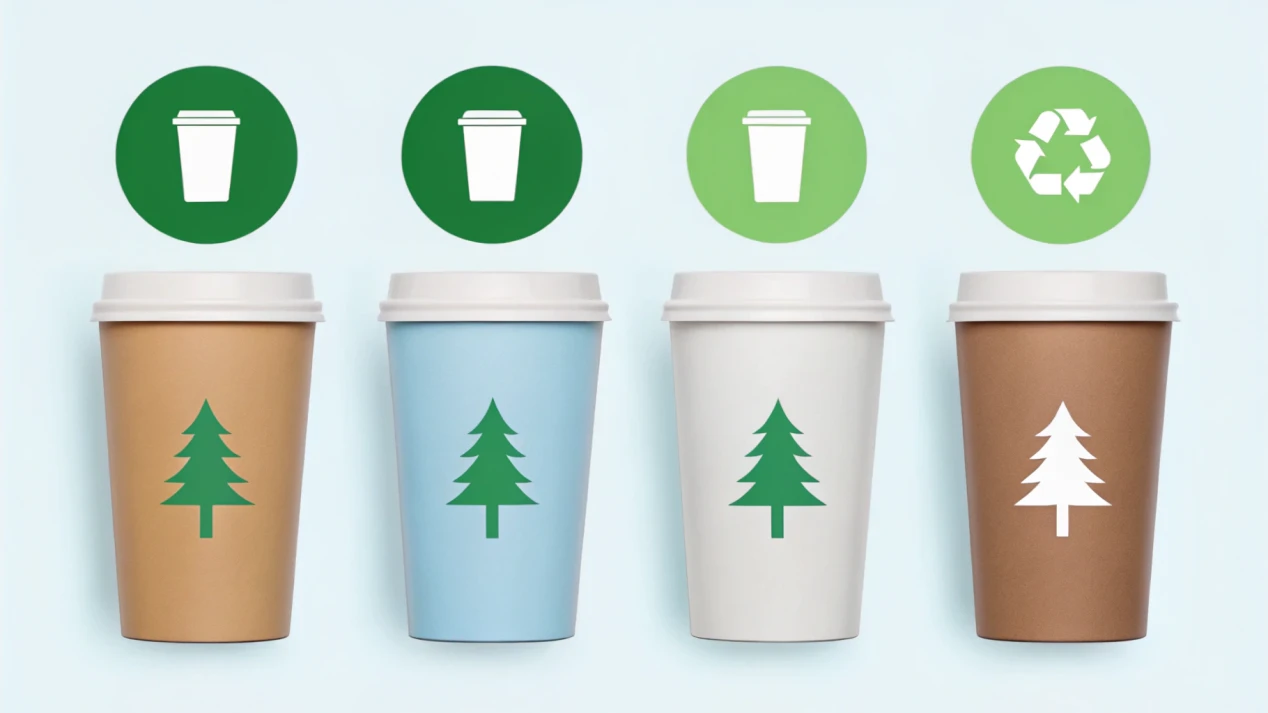
I get asked this question all the time: "What's the real impact of one cup?" My clients want a simple number, but the truth is, the carbon footprint isn't a fixed label. It's a story with four chapters. As an engineer who oversees this entire process, I see how a small choice in one chapter can completely change the ending. The final footprint depends entirely on the choices we make, from the forest where the raw material is grown, to the bin where you throw the cup away. Let's walk through the four key stages.
Does It Start in a Forest or an Oil Well?
You pick a paper cup because it comes from trees, which feels natural. But you worry about the hidden plastic lining and where that comes from.
The footprint begins with two key choices: using paper from responsibly managed (FSC) forests and using a plant-based (PLA) or water-based lining instead of traditional oil-based plastic.
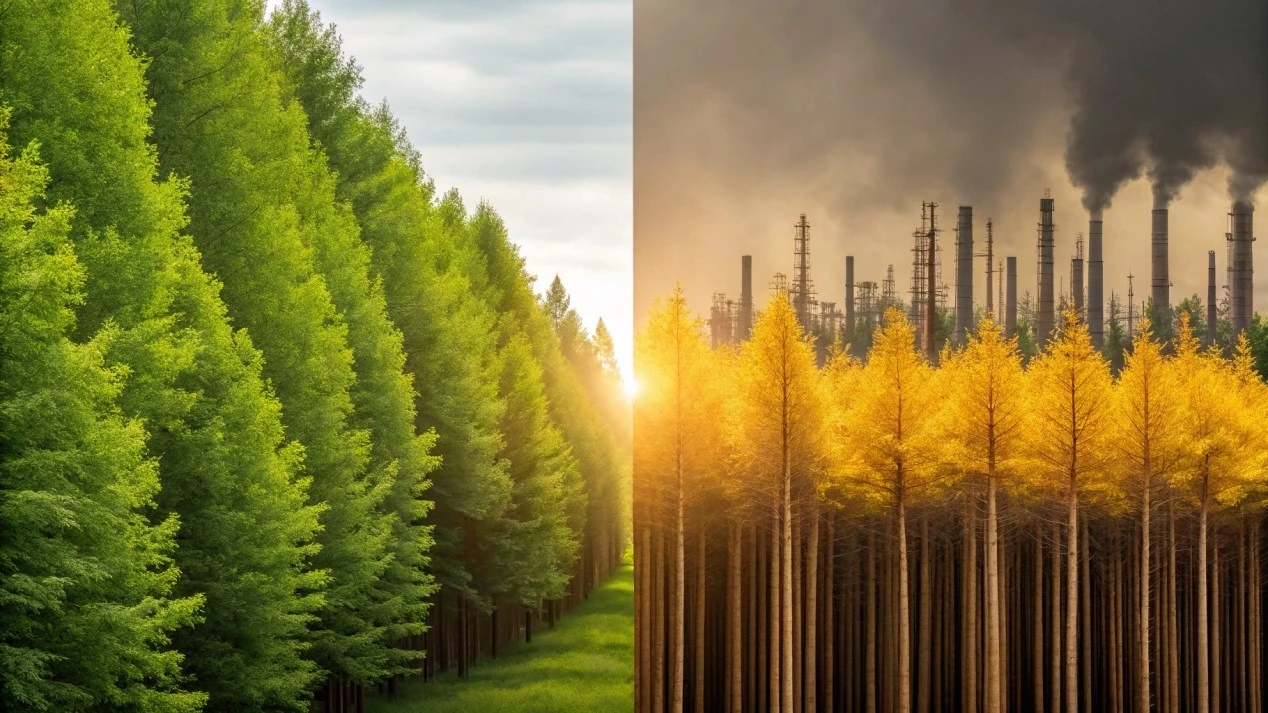
The story of a cup's carbon footprint starts before our factory is even involved. It begins with the raw materials. There are two main ingredients, and the source of each one matters enormously.
The Paper
First is the paperboard. Using paper from a recklessly clear-cut forest is terrible for the planet. That's why we prioritize paper sourced from Forest Stewardship Council (FSC) certified forests. Think of it like a well-run library for trees; for every tree that is harvested to make paper, new ones are planted and the forest ecosystem is protected. This ensures the paper has the lowest possible impact.
The Lining
The second ingredient is the lining that makes the cup waterproof. This is a critical point. A traditional cup uses polyethylene (PE), a plastic made from petroleum. Its production is carbon-intensive. The modern, low-carbon solution is to use linings made from renewable resources. This includes PLA, a bioplastic made from plants like corn, or new water-based coatings. These alternatives begin their life with a much smaller carbon "debt" than their fossil-fuel cousins.
| Component | High Footprint Option | Low Footprint Option |
|---|---|---|
| Paperboard | Virgin, uncertified forests | FSC-certified, managed forests |
| Lining | Polyethylene (PE) from oil | PLA (from plants) or Water-Based |
How Much Energy Does It Take to Make One Cup?
You know factories use a lot of power. You picture huge, inefficient machines and worry that the manufacturing process itself creates a lot of pollution.
Manufacturing is energy-intensive, but a modern, efficient factory uses far less electricity and heat per cup. Investing in new technology is key to reducing this stage of the footprint.
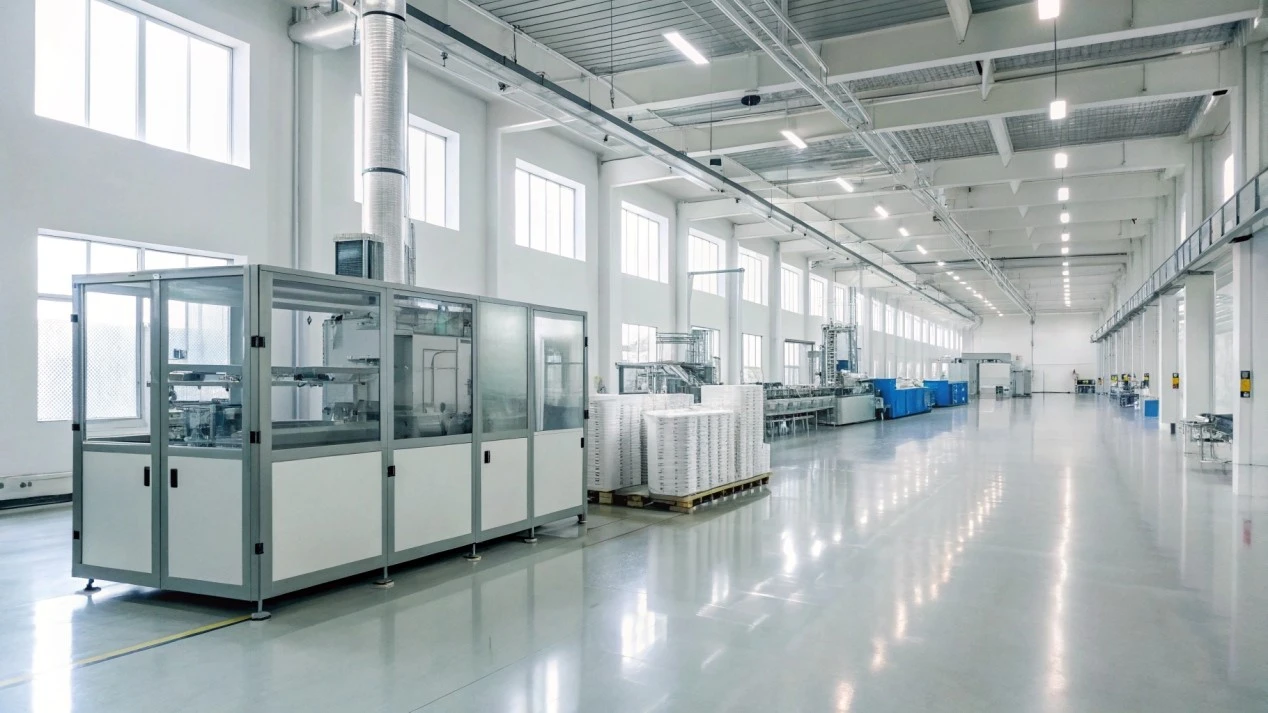
When I walk through our factory, what I see is a symphony of efficiency. This is the second chapter of the footprint: the energy it takes to turn flat paper and raw lining material into a perfectly formed coffee cup. We call this the "embodied energy."
An older factory with inefficient machines is a huge energy drain. The motors are less efficient, the heating elements that seal the cups are not well-calibrated, and there is more waste. All of this adds up to a larger carbon footprint for every single cup produced.
This is why we've invested heavily in state-of-the-art production lines. Our modern machines are engineered for minimal energy use. They are faster, more precise, and create less waste. By optimizing our processes, we have significantly lowered the amount of electricity needed to form, print, and pack each cup. This directly reduces the carbon footprint before the cup has even left our building.
What About the Emissions from Shipping?
Your cups travel a long way to reach you. You imagine the fuel burned by ships, trains, and trucks, adding a significant carbon cost to every box.
Transportation is a real factor. We minimize its footprint by using lightweight materials and packing cups so efficiently that more fit into a single box. This reduces fuel consumption for every shipment.
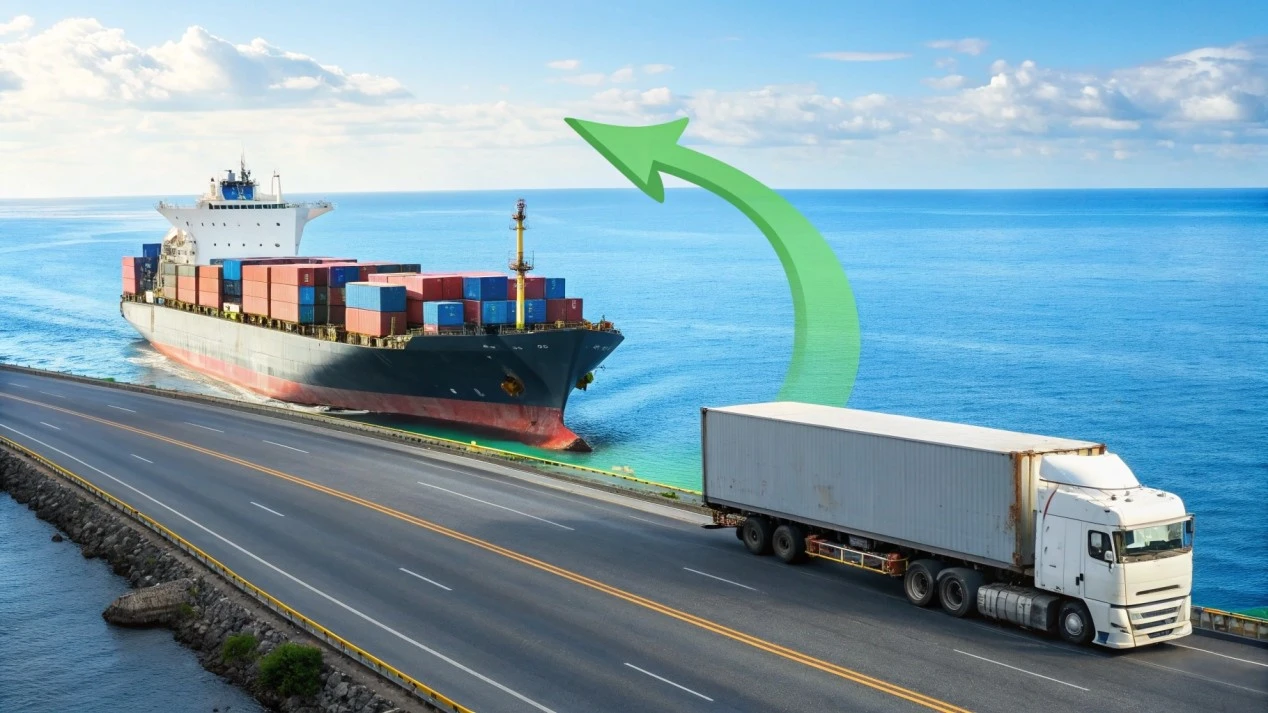
No product can magically appear at your door. The third chapter of the carbon footprint is logistics. This covers the journey from our raw material suppliers to our factory, and then from our factory to your business, which for us can be in one of over 80 countries.
A heavy, poorly packed product is a logistical nightmare with a high carbon cost. It means fewer items can fit on a truck or in a shipping container, which means more trips and more fuel burned.
We attack this problem with simple, practical engineering. We focus on intelligent packing. Our cups are designed to nest together perfectly, minimizing empty space. This allows us to fit the absolute maximum number of cups into every carton. By increasing the packing density, we reduce the total number of shipments needed. We also work with our logistics partners to consolidate orders and optimize routes. It's a simple equation: fewer trucks on the road and fuller containers on ships mean a lower carbon footprint for everyone.
Is the Biggest Impact When You Throw It Away?
You toss a used cup in the bin and hope for the best. But you have a deep concern that its final destination in a landfill is where the real environmental damage happens.
Yes, this is often the most critical stage. A standard PE-lined cup sent to a landfill releases methane, a greenhouse gas over 25 times more potent than CO2. A truly recyclable or compostable cup avoids this entirely, slashing its end-of-life footprint.
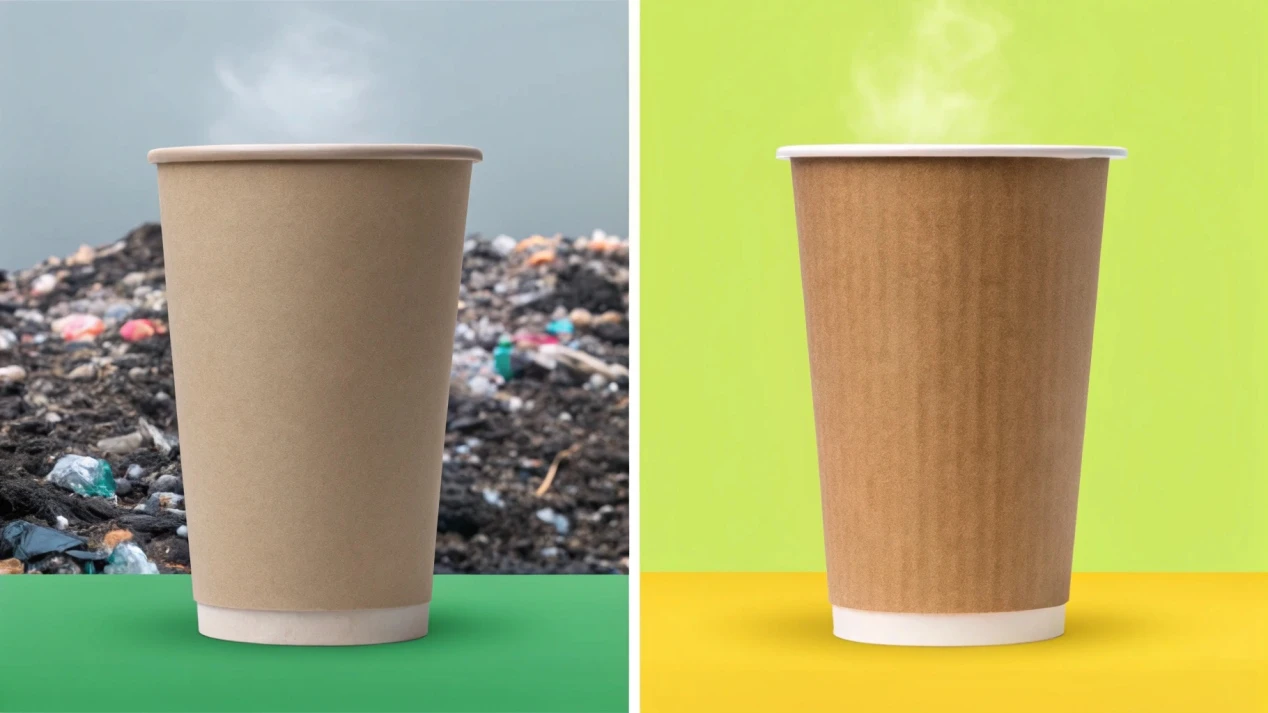
This is the final chapter, and it's where the story can have a happy or a tragic ending. A cup's disposal footprint is where the biggest difference between a traditional cup and a sustainable one is revealed.
The Landfill Problem (High Footprint)
A standard PE-lined cup cannot be recycled with paper. It ends up in a landfill. There, buried under other trash without oxygen, the paper component decomposes and releases methane. Methane is a super-potent greenhouse gas. This final act of releasing methane can make up a huge portion of the cup's total lifetime carbon footprint. It's the worst possible outcome.
The Circular Solution (Low Footprint)
This is where our sustainable alternatives completely change the story.
Recyclable Cups: Our cups with water-based coatings can be recycled with mainstream cardboard. The paper fibers are recovered and used again, avoiding the landfill and methane emissions entirely.
Compostable Cups: Our PLA-lined cups can be sent to an industrial composting facility. There, they break down with food waste into healthy soil. This process actually sequesters carbon back into the earth.
By choosing a cup designed for a circular end-of-life, you are not just throwing it away; you are sending it on to its next life.
Conclusion
A cup's carbon footprint is not fixed. By choosing sustainable materials, efficient manufacturing, and a circular end-of-life, you can dramatically lower its impact from start to finish.


