What Paper Cup And Bucket Sizes Do I Actually Need?
Leave a message
What Paper Cup and Bucket Sizes Do I Actually Need?
You're staring at a supplier's list of cup sizes, feeling overwhelmed. Picking the wrong one wastes money and storage, while disappointing customers who find their drink is too small or big.
For coffee, the core sizes are 8oz (small), 12oz (regular), and 16oz (large). For cold drinks, add a 20-24oz option. Food buckets for sharing typically start at 32oz. The ideal choice aligns with your menu, pricing strategy, and customer expectations.
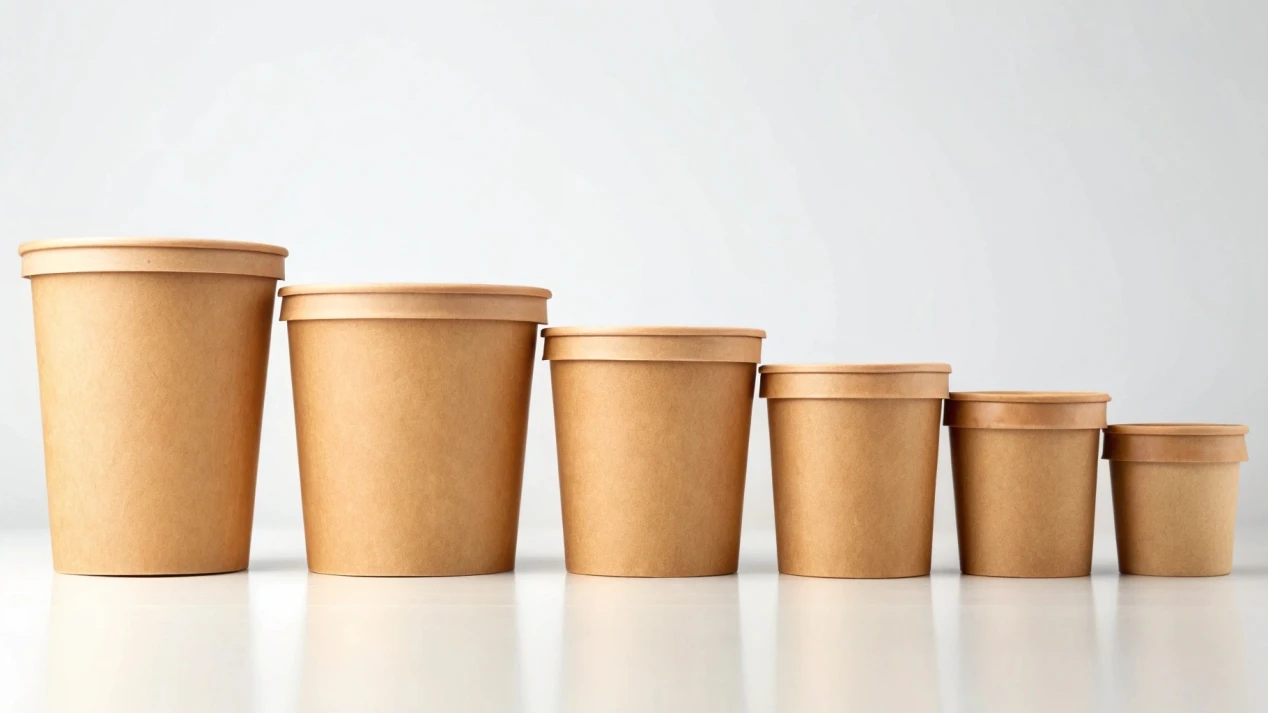
I remember working with a new bubble tea shop. They ordered every size from 8oz to 32oz, thinking more choice was better. They ended up with boxes of dusty 8oz cups they never used. It's a common but costly mistake. Understanding how each size is used is far more important than offering every single option. Let's break down the sizes you actually need.
How Are Paper Cup Sizes Measured and What Do They Mean?
You see sizes like "12 oz" and "16 oz," but it's hard to visualize. Ordering based on a guess can lead to costly mistakes and cups that don't fit your portions.
Cup sizes are measured in fluid ounces (oz). Think of 8 oz (240 ml) as a small coffee, 12 oz (360 ml) as a standard regular, and 16 oz (480 ml) as a large. Buckets for sharing usually start over 32 oz (960 ml).
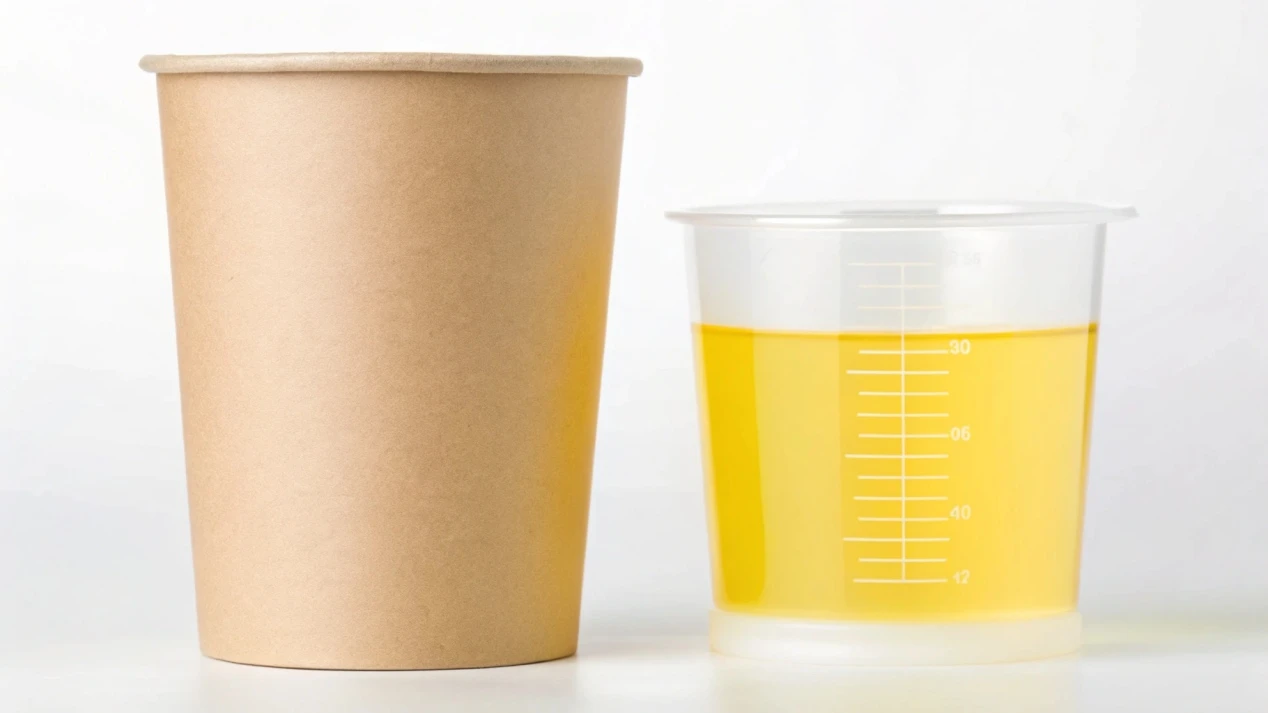
The ounce (oz) measurement is a standard from the American system, but it's used globally in the beverage industry. The key is to connect each ounce size to a product you already know. I give all my clients this simple table to help them visualize the sizes and avoid ordering mistakes. Most successful cafes use just three core sizes for drinks, like 8, 12, and 16 oz. This simplifies inventory, lid ordering, and customer choice.
| Category | Common Sizes (oz) | Metric Equivalent (approx.) | Typical Use Case |
|---|---|---|---|
| Small Cups | 4-8 oz | 120-240 ml | Espresso, samples, small coffees |
| Medium Cups | 10-16 oz | 300-480 ml | Regular/Large coffee, soda, soup |
| Large Cups | 20-32 oz | 600-960 ml | Extra-large drinks, popcorn, fries |
| Food Buckets | 46-170 oz | 1.3-5 Liters | Family-size popcorn, fried chicken |
Does the Content Change the Type of Cup I Need?
A 16oz cup is a 16oz cup, right? Not exactly. Using a thin, flimsy cup for hot soup can lead to spills and burned hands, destroying customer trust in your brand instantly.
Absolutely. Hot beverages require double-wall or ripple-wall cups for insulation to protect hands. Cold drinks work fine in cheaper single-wall cups. Foods like fried chicken need thicker, grease-resistant paperboard to prevent leaks.

The cup's construction is just as important as its size. From a production standpoint, it's about matching the paper's properties to the food's temperature, moisture, and grease content. Using the wrong type is a classic rookie mistake that can ruin a customer's experience.
For Hot Beverages
You must use a cup with proper insulation.
Double-wall cups have a second layer of paperboard that creates an insulating air gap. This protects hands without needing a separate cardboard sleeve.
Ripple-wall cups offer the best insulation. The corrugated outer layer is easy and comfortable to hold, even with boiling-hot liquids.
For Cold Beverages
Insulation is less of a concern, so more affordable single-wall cups are the standard. These cups are coated to prevent condensation from the cold drink from weakening the paper and making it soggy.
For Food and Snacks
This requires specialized containers.
Ice Cream: Needs thick paperboard to handle freezing temperatures without becoming brittle.
Soups: Require double-wall construction and must have vented lids to let steam escape safely.
Fried Chicken & Popcorn: Buckets must have a grease-resistant coating to prevent oily stains and maintain their structure.
Is My Cup a Container or a Marketing Tool?
You see your cups as a necessary expense. But by treating them as just a container, you're missing out on the most powerful marketing tool your customers carry around for you for free.
It's a mobile billboard. A great design with your logo and colors turns every customer into an advertiser. Use the space for social media handles, QR codes, or your brand story to connect with customers long after they've left your store.

I worked with a client whose coffee was excellent, but their cups were plain white. We redesigned them with a full-wrap matte finish and their Instagram handle. They told me later they saw a noticeable increase in social media tags. Why? The cup became "Instagrammable." It's not just about holding liquid; it's about representing your brand in the customer's hand.
Beyond the Logo
Think about the customer's entire sensory experience.
Finish & Texture: A high-gloss finish makes colors pop, great for a vibrant juice bar. A matte finish feels more premium and modern, perfect for an artisanal coffee shop. A ripple texture adds a quality tactile feel.
Messaging: Don't just put your logo on it. Add your social media handles. A QR code can link to your menu or a special loyalty offer. A simple message about your sustainability commitment can build a strong connection with your customers. Your cup is a conversation starter.
What Do I Need Before Ordering Custom Cups?
You've finalized your design and are ready to place an order. But one small technical mistake can lead to thousands of cups with distorted logos or lids that pop off.
First, confirm lid compatibility. Second, understand the Minimum Order Quantity (MOQ) and ensure it fits your budget. Finally, always get a design template (dieline) from your supplier and demand a physical proof before approving the full order.

This is the final stage where you turn an idea into a physical product. Getting these details right is my specialty, and it's what separates a professional process from a risky gamble.
Get the Dieline Template
Your supplier must provide you with a dieline. This is the flat, 2D blueprint of your cup. Your graphic designer must place the artwork on this template. If they just design on a picture of a cup, the logo will stretch and warp when it's manufactured. This is the single most common and costly design mistake I see.
Understand the MOQ
Custom printing requires a machine to be set up specifically for your job. Because of this setup cost, we have a Minimum Order Quantity (MOQ). This can be anywhere from 1,000 to 50,000 cups. Make sure you have the budget and the storage space before you order.
Always Approve a Proof
Before we start the full production run, you must approve a final proof. This could be a 3D digital model or, even better, a physical sample. This is your insurance policy. It's your last chance to check the colors, find a typo, or correct the logo placement before we produce 50,000 of them. Never skip this step.
Conclusion
Choosing the right size and type of cup is vital for your business. Match the size to your menu items, the wall-type to the use, and the design to your brand.