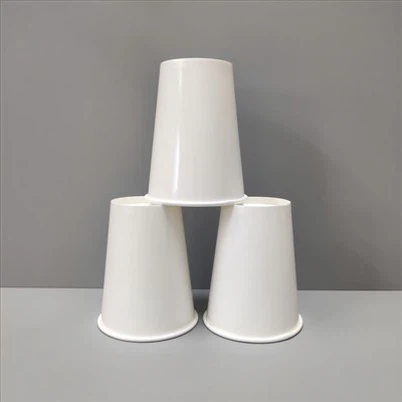
Do You Regularly Reach For Disposable Paper Cups?
Leave a message
Do You Regularly Reach for Disposable Paper Cups?
You grab a disposable cup without a second thought, but should you? Regular use raises questions about safety, environmental impact, and hidden concerns that might affect your daily routine.
Many people use disposable paper cups regularly for convenience. When responsibly manufactured with food-grade materials and used according to guidelines, they are generally safe and hygienic for single use. However, understanding their composition and proper usage is key to making informed choices about their daily reliance.

Like many of you, I have lived and breathed the paper packaging industry for over two decades. At Amity Packaging, we constantly hear questions about the safety and sustainability of these everyday items. Our mission is to empower everyone to truly understand paper packaging. Let's dig deeper into what makes these cups a part of our lives, and what we need to know.
Is It Safe to Use Paper Cups for My Drinks?
You use paper cups for convenience, but do you ever pause and wonder about their safety? Are these everyday containers good for your beverages?
Yes, it is generally safe to use paper cups when they are made from food-grade virgin paperboard with approved linings like PE or PLA. Reputable manufacturers ensure these materials meet strict health standards, preventing chemical migration and maintaining hygiene for single-use applications.

In my 15 years in disposable packaging manufacturing, ensuring product safety has always been my top priority. My mechanical engineering background taught me to meticulously examine every component. At Amity, we focus on delivering solutions that enhance product performance and brand value while caring for the planet. This includes making sure our cups are safe for your everyday use.
The Foundations of Paper Cup Safety
The safety of paper cups fundamentally rests on the quality of their raw materials and the integrity of the manufacturing process. Consumers should feel confident that the cup holding their drink is not introducing any harmful substances.
Food-Grade Virgin Paperboard: The primary material for our paper cups is virgin paperboard. "Virgin" means it comes directly from wood pulp, not recycled fibers. This is critical because recycled paper can sometimes contain unknown contaminants, including heavy metals or ink residues from its previous life, which are unsafe for direct food contact. We source our virgin paperboard from responsibly managed, FSC-certified forests, ensuring not only purity but also sustainable practices. This forms a clean, strong, and reliable base for every cup.
Approved Barrier Coatings: Paper itself is absorbent. To hold liquids, cups need an internal barrier. For this, we use food-grade coatings:
Polyethylene (PE): This is a thin layer of plastic widely approved for food contact. It creates an excellent moisture barrier, preventing leaks. PE is inert, meaning it does not react with beverages and remains stable across a wide range of temperatures. It has been extensively tested and is certified safe by regulatory bodies globally.
Polylactic Acid (PLA): This bio-based coating is derived from renewable plant sources. PLA offers similar barrier properties to PE and is also food-safe. Its claim to fame is that it is industrially compostable, aligning with our eco-driven mindset. Both PE and PLA coatings are applied with precision to ensure a uniform, defect-free barrier that keeps your drink contained and uncompromised.
Non-Toxic Inks: Even the printing on the cup's exterior needs to be safe. We only use non-toxic, food-grade inks that are carefully chosen to prevent any chemical migration. These inks are stable and do not smear or transfer, ensuring that no harmful substances get onto your hands and then potentially into your mouth or drink. My team conducts rigorous testing for ink migration to meet strict safety standards.
Stringent Quality Control and Certifications: Our manufacturing process includes full-process inspections. This means we monitor raw materials, check at intermediate production stages, and thoroughly inspect finished products. We adhere to international safety standards, including FDA regulations in the U.S. and EU food contact material guidelines. This strict adherence ensures that there is no leaching of chemicals into your beverage. This level of quality control stands as a testament to our commitment to safety.
| Component | Safety Assurance | Why It Matters to You |
|---|---|---|
| Paperboard | Virgin, FSC-certified | No contaminants, sustainable source |
| Coatings | Food-grade PE/PLA, inert | Prevents leaks, no chemical migration |
| Inks | Non-toxic, fade-resistant | No harmful substances transfer |
| Processes | Full-process inspections, certified | Guarantees consistent quality and safety standards |
Ultimately, when you choose paper cups from a manufacturer like Amity Packaging, you are using a product engineered for safety and hygiene.
How Long Are Paper Cups Good For Before They Degrade?
You find old paper cups in the cupboard. Will they still work, or have they truly passed their usable life? There are clear signs that a paper cup might be too old to trust.
A paper cup generally lasts 3 to 5 years from its manufacturing date. This lifespan depends heavily on the quality of its materials, how it was made, and especially its storage conditions. Proper storage in a cool, dry place is crucial to maintain structural integrity and hygiene.

This is a question we explored in depth in a previous discussion, but it is worth revisiting the fundamentals here. My 20+ years in disposable paper product manufacturing have shown me that even the best products can degrade if not managed properly. Amity Packaging emphasizes not just manufacturing excellence but also understanding the entire product lifecycle.
Maximizing the Usable Life of Your Cups
The longevity of a paper cup is a function of its inherent quality combined with proper handling away from the factory. Understanding these factors helps prevent premature degradation.
Material Resilience: High-quality virgin paperboard is naturally robust. It resists breakdown under normal conditions. Paired with stable food-grade coatings like PE or PLA, the cup is designed to withstand normal environmental exposure without rapid deterioration. The chemical stability of these materials means they are not prone to fast degradation unless subjected to specific adverse conditions.
Manufacturing Integrity: Strong, consistent seams are paramount. A cup's seams are often its weakest point. If the ultrasonic or heat-sealing process is not precise, these bonds can weaken over time, especially with small fluctuations in temperature and humidity, leading to leaks. Our advanced production lines ensure secure and robust seams, designed to last the full intended lifespan of the cup.
The Critical Role of Storage: This is arguably the most impactful factor after manufacturing.
Temperature: Extreme heat can cause the paper fibers to become brittle and weaken adhesives. Freezing temperatures followed by thawing can introduce condensation, which is detrimental. A consistent room temperature (15-25°C or 59-77°F) is ideal.
Humidity: Moisture is the enemy of all paper products. High humidity causes paperboard to absorb water, leading to softening, warping, and potential mold growth. Low humidity can make paper brittle. Ideally, cups should be stored in a dry environment with relative humidity between 30-60%.
Light and Pests: Direct sunlight can bleach colors and weaken paper fibers over many months. Pest infestation can contaminate and physically damage cups. Storing cups in their original sealed packaging protects them from light, dust, and pests.
Signs of Degradation: When a cup goes beyond its prime, you may notice:
Structural Weakness: Cups feel soft, flimsy, or easily torn.
Leaks: The coating has degraded or separated from the paper.
Discoloration: Paper may yellow, or prints may fade.
Odors or Mold: Cups might smell musty or show visible mold, indicating moisture exposure.
| Factor | Optimal Conditions/Practices | Impact on Degradation |
|---|---|---|
| Raw Materials | Virgin, food-grade, stable coatings | Resists natural breakdown, prevents early failure |
| Manufacturing | Strong seams, consistent quality | Ensures structural integrity, prevents leakage |
| Storage Temp. | Room temperature (15-25°C) | Avoids material stress, embrittlement, or softening |
| Storage Hum. | Low to moderate (30-60%) | Prevents warping, mold, maintain stiffness |
| Protection | Sealed packaging, away from light/pests | Preserves hygiene, prevents physical damage |
By understanding these points and ensuring proper storage, you can expect your paper cups to remain in excellent condition for their intended use.
Is It Safe to Reuse Disposable Cups?
After a single use, you might wonder if you can really clean and reuse that paper cup. Is it a good idea, or are there hidden risks?
It is generally not safe or recommended to reuse disposable paper cups. They are designed for single use, and attempts to clean them can degrade their protective lining, compromise structural integrity, and create an unhygienic surface prone to bacterial growth, posing health risks.

My experience comes from designing products for specific uses. At Amity, we build our cups for reliable single service. Attempting to force them into a multi-use role often defeats their purpose and can lead to unintended problems. John often reminds clients that disposable means "intended to be thrown away after one use."
Why Single-Use Means Single-Use
The term "disposable" is key-these cups are engineered for convenience and hygiene for a single occasion. Their design, materials, and cost structure are all tailored to this purpose.
Design for Single Use: Disposable paper cups are designed to hold liquid for a limited time and then be discarded. They are not built to withstand the rigors of washing, scrubbing, or repeated physical handling. The paperboard core offers sufficient strength for one use but can quickly degrade when re-wet. The most fundamental reason to not reuse them is that they are not designed for it.
Degradation of Protective Linings: When you try to wash a paper cup, especially with hot water or soap, the internal PE or PLA lining can be compromised.
Abrasion: Scrubbing can scratch or rub off parts of the thin coating.
Heat (from washing): High temperatures from dishwashers or very hot hand washing can affect the adhesion between the lining and the paper, causing delamination or bubbling.
Chemicals (from soap): Soaps and detergents are not formulated to be used with these coatings and can degrade their protective properties.
Once the lining is compromised, the paperboard beneath gets wet, losing its structural integrity and making the cup flimsy and leaky.
Hygiene Concerns: This is the paramount reason not to reuse.
Difficulty in Cleaning: The fibrous nature of paperboard makes it very hard to clean thoroughly. Even if the cup looks clean, microscopic food particles or drink residues can get trapped within the paper fibers or under partially lifted coatings.
Bacterial Growth: These trapped residues, especially with moisture from washing, create an ideal breeding ground for bacteria, mold, and other microorganisms. Unlike ceramic or glass, paper is not non-porous. It is very difficult to sanitize a paper cup effectively at home. This can lead to gastrointestinal issues or other health problems. My team ensures that new cups are hygienically pristine, but this cannot be guaranteed after attempted reuse.
Structural Weakness and Leaks: Repeated exposure to water and handling weakens the cup's structure. The seams, initially strong for a single use, can fail. This means the cup becomes prone to leaks or collapse, making it unsafe to hold hot liquids and simply less effective for any beverage.
| Aspect | How Reusing Harms | Health & Performance Risk |
|---|---|---|
| Lining | Scratches, delaminates, loses barrier | Leaks, chemical exposure (if coating degrades) |
| Paperboard | Weakens, softens, becomes brittle | Cup falls apart, inconvenient, dangerous for hot |
| Hygiene | Traps bacteria, difficult to sanitize | Foodborne illness, mold growth |
| Seams | Adhesion weakens due to re-wetting/handling | Leakage, complete structural failure |
While reusing might seem eco-friendly or economical, for disposable paper cups, the health risks and compromised functionality far outweigh any perceived benefits. It's best to use them once and dispose of them through appropriate recycling or waste streams.
Do Paper Cups Contain BPA?
You hear about BPA in plastics and worry about your health. Do paper cups, with their linings, also hide this chemical concern?
No, standard disposable paper cups produced by reputable manufacturers like Amity Packaging do not contain BPA (Bisphenol A). The PE (polyethylene) and PLA (polylactic acid) coatings commonly used are specifically chosen for their food-grade safety and are completely BPA-free, ensuring your drinks are safe from this chemical.

My mission at Amity is to empower everyone to truly understand paper packaging, and this includes demystifying concerns about chemical safety. We pride ourselves on using materials that meet the highest safety standards. John's deep understanding of raw material selection ensures we are always a step ahead in preventing harmful substances from entering our products.
Addressing the BPA Concern in Paper Cups
Concerns about BPA have understandably made consumers cautious about plastics in food and beverage containers. It is important to clarify why this concern does not typically apply to disposable paper cups.
What is BPA? Bisphenol A (BPA) is an industrial chemical primarily used to make certain plastics and resins. It is found in polycarbonate plastics, often used in things like water bottles or food storage containers, and in epoxy resins, which line some metal food cans. BPA has raised health concerns because it is an endocrine disruptor, mimicking hormones in the body.
Why Paper Cups are Different: The plastic coatings used in paper cups are fundamentally different from the materials that typically contain BPA.
Polyethylene (PE): This is the most common lining for paper cups. PE is a chemically inert polymer that is not manufactured using BPA. It is a distinct type of plastic from polycarbonate and does not contain BPA as a component.
Polylactic Acid (PLA): This bio-based plastic is derived from plant starches. It is also completely BPA-free. PLA's composition is entirely different from materials known to contain BPA.
Reputable Manufacturers and Material Selection: At Amity Packaging, we operate with a strict policy of using only food-grade materials. This means every component, including our PE and PLA coatings, is selected and verified to be safe for direct food contact and free from harmful chemicals like BPA. Our stringent quality control measures include checking raw material specifications and certifications to confirm their safety profile.
Compliance with Global Standards: The concern about BPA has led to regulations and industry-wide shifts towards BPA-free alternatives in many food-contact applications. Reputable paper cup manufacturers comply with these evolving standards. For instance, our products conform to FDA regulations and EU food contact material requirements, which explicitly address and restrict harmful substances. This ensures that the coatings we use are thoroughly vetted for safety.
| Chemical Concern | Where It's Found (Typically) | Relevance to Paper Cups | Safety Measure by Amity |
|---|---|---|---|
| BPA | Polycarbonate plastics, epoxy resins | Not found in PE or PLA coatings used in our cups | Use only BPA-free PE and PLA coatings |
| Phthalates | Some flexible plastics, plasticizers | Not typically found in PE/PLA coatings | Select food-grade, certified materials |
| Heavy Metals | Some recycled materials, older inks | Not found in virgin paperboard or non-toxic inks | Use virgin paper, non-toxic inks, strict QC |
Therefore, when you choose paper cups from certified and conscientious manufacturers, you can be confident that you are avoiding BPA exposure from your cup. Our commitment is to provide safe packaging solutions.
Conclusion
Disposable paper cups are generally safe for single use, especially when sourced from reputable manufacturers. They typically last 3-5 years if stored properly, but should not be reused. Importantly, standard paper cups do not contain BPA.