What Makes Paper Cups Waterproof?
Leave a message
What Makes Paper Cups Waterproof?
Have you ever worried your paper cup will get soggy and leak before you finish your coffee? It's a common fear that can ruin a good drink and make a mess.
Paper cups are made waterproof by a thin inner lining of polyethylene (PE) plastic or a biodegradable polylactic acid (PLA) coating. This barrier prevents liquid from soaking into and weakening the paper fibers.

As someone who has spent over two decades making these exact products at Amity Packaging, I can tell you the secret isn't in the paper itself. The paper provides the shape, but an invisible layer does all the hard work. Let's explore exactly how this works and answer some other questions you might have about these everyday items.
Are paper cups degradable?
You choose a paper cup thinking it's eco-friendly, but then you hear it might sit in a landfill for years. This confusion makes trying to make a sustainable choice feel difficult and frustrating.
It depends on the cup. Standard PE-coated cups take over 20 years to degrade because of the plastic lining. However, modern PLA-coated cups can break down in about 90 days in a commercial composting facility.

This is a topic I talk about with clients all the time. The difference is huge, and it all comes down to the coating. A regular paper cup has a polyethylene (PE) lining. This is a type of plastic. In a landfill, the paper part will rot away in a few months, but that plastic film is left behind. It can stick around for decades, breaking into tiny microplastics. This is a big environmental problem. That is why our industry has pushed for better options like PLA. PLA stands for polylactic acid, and it is a bioplastic made from plant starches like corn. When a PLA-coated cup goes to an industrial composting facility, it's a game-changer. These facilities have the right mix of heat and microbes to break down both the paper and the PLA lining completely. The whole thing can become soil-enriching compost in about three months. The key, however, is getting it to the right place. A compostable cup in a landfill won't break down properly.
| Cup Type | Material Breakdown | Ideal End-of-Life Scenario |
|---|---|---|
| Standard (PE-Coated) | Paper degrades, but the plastic (PE) lining persists for 20+ years. | Landfill or incineration. |
| Compostable (PLA-Coated) | Both paper and PLA lining break down into compost. | Industrial composting facility. |
Why do paper cups not leak?
You fill a paper cup with hot coffee and trust it not to leak. But how does something made of paper hold back liquid so well? The simple answer is actually a two-part engineering solution.
Paper cups do not leak because of two key features working together. First, the waterproof inner coating prevents absorption. Second, the cup's seams are heat-sealed, fusing the paper together to create a strong, leak-proof bond.
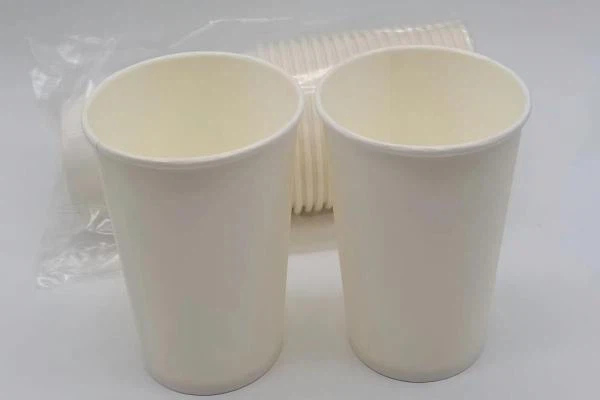
I've seen millions of cups being made, and the sealing process is where the magic happens. After the paperboard is coated, it is cut into a fan shape called a "blank." This blank is wrapped around a cone-shaped mold. Where the two edges of the paper meet, a heating element is applied. This melts the PE or PLA coating on both edges just enough for them to fuse together when pressed. This creates the vertical side seam. Next, a circular piece of paper is placed at the bottom. The machine then curls and heats the bottom edge of the cup wall, sealing it tightly to the bottom piece. This multi-step sealing process, called knurling, creates several folds and seals. It is why the bottom of a paper cup has those distinctive ridges. At our factory, we have quality control machines that test for leaks. They might use air pressure or colored water to spot any tiny flaw in the seal. A well-made cup won't leak because its seals are as strong as the cup itself.
| Failure Point | Why It Causes a Leak | How We Prevent It |
|---|---|---|
| Imperfect Side Seam | A small gap allows liquid to seep through the side. | Precise machine calibration and consistent heating. |
| Poor Bottom Seal | The bottom isn't fully fused to the cup wall. | Proper knurling pressure and temperature control. |
| Coating Flaw | A pinhole in the PE/PLA lining lets liquid reach the paper. | Sourcing high-quality coated paperboard. |
Which cups are leak proof?
You need cups for a big event and the absolute last thing you want is for them to leak. Finding a truly reliable, leak-proof cup can feel like a gamble when they all look so similar.
Most commercially produced paper and plastic cups are designed to be leak-proof for normal use. For hot liquids, double-wall paper cups offer extra security. For guaranteed long-term containment, a plastic cup with a screw-on lid is the most reliable.
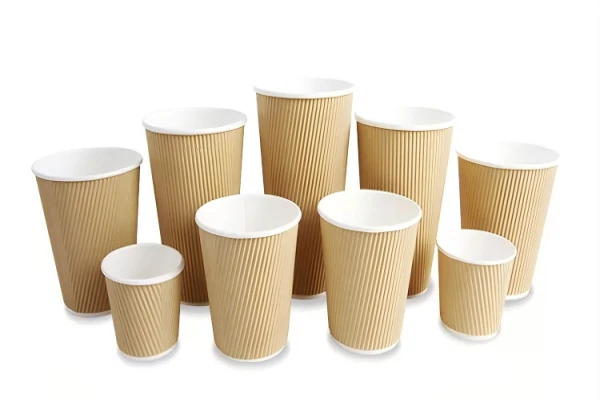
As a manufacturer, I can say that "leak-proof" depends on the situation. For a coffee shop serving drinks that will be consumed in an hour, a standard single-wall PE-coated paper cup is perfectly leak-proof. If you need something more robust, maybe for a hot soup to-go, I would recommend a double-wall paper cup. The two layers of paper add a lot of strength and an extra layer of protection, just in case. The space between the walls also provides insulation. For situations where a cup might be carried around for hours, like at a festival, a sturdy plastic cup (like PET or PP) is often a safer bet. They are not affected by condensation and are generally more durable against being dropped or squeezed. If you need a 100% guarantee against spills, then you are moving beyond disposable cups. A reusable travel mug with a high-quality screw-on lid and a silicone gasket is the only truly leak-proof option. For our disposable products, the goal is to be leak-proof for the duration of its intended use.
What happens to the paper cup with water?
You leave a half-full paper cup on your desk overnight. You come back in the morning and wonder what has actually happened to the cup. It might look fine, but has the water changed it?
Over time, a small amount of water vapor can slowly penetrate the cup's coating. The paper may absorb this moisture, causing the cup to feel slightly soft or less rigid, especially around the rim and bottom seam.
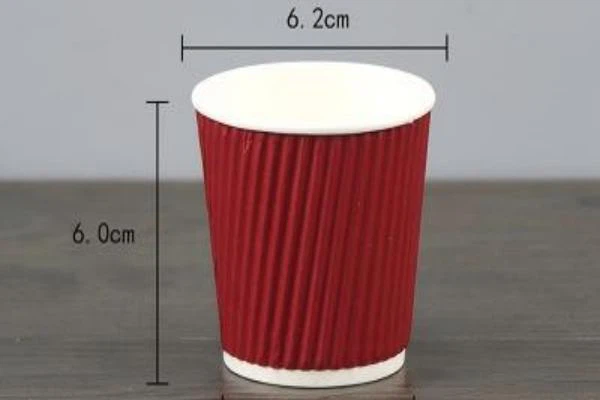
Even the best paper cups have their limits. The PE or PLA coating is an excellent barrier, but it is not completely impermeable forever. Think of it like a really good raincoat, not a submarine. Over a long period, like 12 to 24 hours, a tiny amount of moisture in the form of vapor can slowly pass through the lining. Also, the top rim of the cup is a raw paper edge. Liquid can slowly wick into this edge, making it soft. This is especially true if the rim gets wet repeatedly. You might notice the bottom of the cup, where there are many folds and seals, feels a bit softer first. This does not mean the cup will suddenly burst. It just means its structure has been slightly compromised. I once did an experiment in my office. I left water in one of our standard single-wall cups. It held the water without leaking for over three days, but by the end of day two, it felt noticeably softer. For hot liquids like coffee, this process happens faster because the heat and steam accelerate moisture transfer, softening the paper fibers more quickly.
Conclusion
A paper cup's waterproof ability comes from its inner PE or PLA coating. This same coating also determines if the cup is truly degradable. Strong, heat-sealed seams ensure it remains leak-proof.