What Are The Inspection Methods For Paper Cups And Paper Bowls?
Leave a message
The inspection methods for paper cups and paper bowls mainly include the following aspects:
1. Appearance inspection
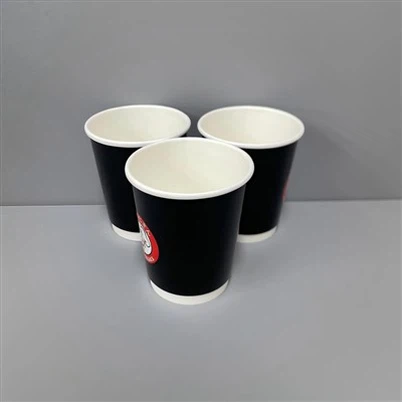
Color and printing: visually check whether the color of the paper cup or paper bowl is uniform, whether the printing is clear, whether the pattern has a clear outline, uniform color, and no obvious color spots. At the same time, check the length of the part that should not be printed on the paper cup or paper bowl to ensure compliance with regulations.
Overall appearance: observe whether the surface of the paper cup or paper bowl is smooth, without damage, stains, depressions, or wrinkles. The coating (coating) layer and the coating (wax) layer should be uniform, and the cup body should be clean and free of foreign matter.
2. Dimension measurement
Height, caliber, bottom diameter: Use a tape measure or corresponding measuring tool to measure the height, caliber and bottom diameter of the paper cup or paper bowl to ensure that it meets the design specifications and standard requirements.
Capacity measurement: Determine the capacity of the paper cup or paper bowl by weight or volumetric method to ensure that it matches the nominal capacity. The weight method calculates the capacity by weighing the empty cup and the mass after filling it with water; the volumetric method measures the actual capacity of the paper cup or paper bowl by a measuring cylinder.
3. Leakage test
Cold water leakage test: Pour cold water into a paper cup or paper bowl, observe for a certain period of time, and check whether there is leakage at the bottom and sides.
Hot water leakage test: Pour hot water into a paper cup or paper bowl, observe for a certain period of time, and check whether there is leakage at the bottom and sides. This test is particularly important for hot drink paper cups.
4. Heat resistance test
Hot water immersion test: Soak the paper cup or paper bowl in hot water for a period of time to observe whether it is deformed or whether the coating falls off.
High temperature placement test: Place the paper cup or paper bowl in a high temperature environment and observe the changes in its physical state to ensure that it has good thermal insulation performance.
5. Strength test
Compression test: Use a compression tester to measure the compressive strength of the paper cup or paper bowl in the vertical direction and record the maximum bearing force. This test helps to evaluate the durability of the paper cup or paper bowl during use.
Drop test: Simulate the drop of the paper cup or paper bowl in actual use to check whether it is broken or deformed.
6. Hygienic performance test
Microbial limit test: Sample the inner wall of the paper cup or paper bowl, and detect the total number of microorganisms through the culture medium to ensure compliance with hygiene standards.
Harmful substance detection: Detect whether the paper cup or paper bowl material contains harmful substances, such as heavy metals, fluorescent whitening agents, etc. through chemical analysis. This test helps to ensure the hygiene and safety of paper cups or paper bowls.
7. Coating adhesion test
For paper cups or paper bowls with coated inner walls, coating adhesion test is required. Commonly used test methods include grid test, that is, grid is drawn on the coating, and then it is pasted with tape and then torn off to observe whether the coating falls off.
8. Environmental performance test
Evaluate the environmental performance of paper cups or paper bowls, including biodegradability. Ensure that it has minimal impact on the environment during production, use and disposal.
In summary, the inspection methods for paper cups and paper bowls cover multiple aspects such as appearance, size, leakage, heat resistance, strength, hygiene, coating adhesion and environmental performance. These inspection methods help ensure that the quality of paper cups and paper bowls meets relevant standards and regulatory requirements, providing users with safe, reliable and practical products.