What Is A Good Size For An Ice Cream Cup?
Leave a message
What is a good size for an ice cream cup?
Serving ice cream is about more than taste - the right cup size makes your product look appealing and feel satisfying.
A good ice cream cup size depends on the portion you want to serve, but common options range from 4 oz for small servings to 12 oz for large or sundae portions.
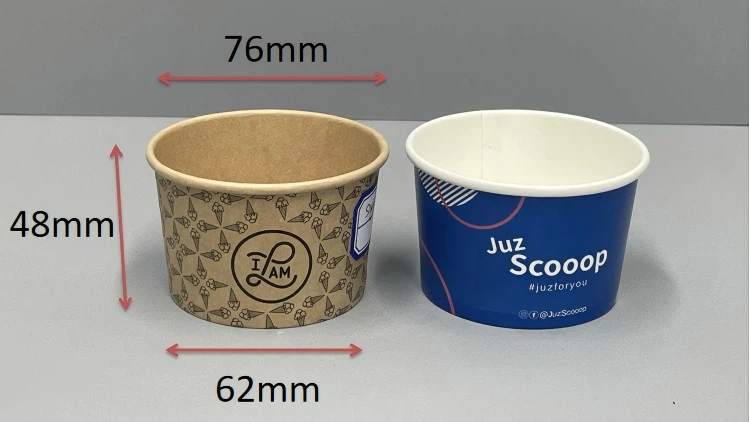
When I help clients choose ice cream packaging, I match the size to their menu, serving style, and customer expectations.
What is the standard ice cream cup size?
In the industry, there is a typical starting point for portion control.
The standard ice cream cup size for single servings is usually 4 oz to 6 oz, which holds one to two scoops comfortably.
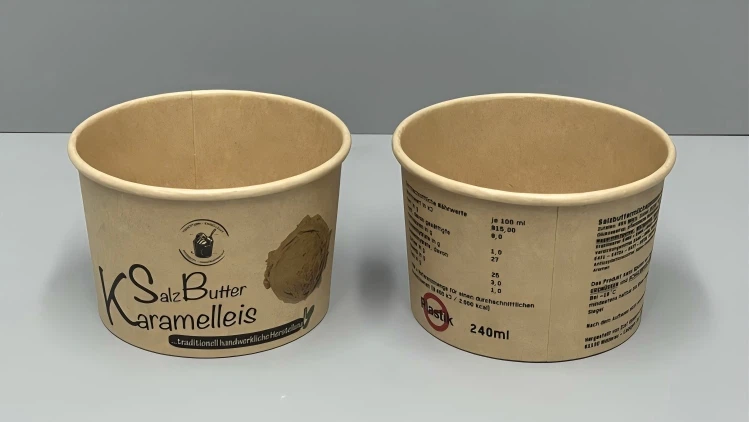
From my years supplying dessert shops, I've noticed that 4 oz cups are very common for gelato and kids' portions. They give a neat, full look even with a small amount of ice cream. The 5–6 oz range is ideal for serving two small scoops or one large scoop with toppings. These sizes help control costs and keep waste low while giving customers a satisfying treat. Larger 8–12 oz cups are usually for sundaes, shakes, or share-size desserts. Choosing the standard size depends on your target audience - children, adults, or premium dessert lovers.
| Cup Capacity | Scoops (average) | Common Applications |
|--------------|------------------|----------------------------------|
| 4 oz | 1 scoop | Kids' portions, sampling |
| 5–6 oz | 1–2 scoops | Standard adult servings |
| 8 oz | 2–3 scoops | Large portions, sundaes |
| 12 oz | 3+ scoops | Share size, shakes, loaded bowls |
Which ice cream cup size is best?
It depends on your product and sales goals.
The best cup size for ice cream is the one that matches your portion philosophy, cost control strategy, and customer's appetite.

When I work with shop owners, I always start by asking how they want their product to be perceived. A smaller 4–5 oz cup can make a portion look generous without increasing actual quantity. This is great for profit margins and health-conscious customers. A larger 8–12 oz cup works well for premium experiences or shared desserts, but it requires more product and a higher price point. Seasonal trends can also affect the "best" size - small cups in winter, larger sizes in summer when customers want more. It is also important to match cup size to topping space if your menu offers extras like fruits, candies, or whipped cream.
| Strategy | Recommended Size | Benefit |
|------------------------|-------------------|---------------------------------------|
| Cost control | 4–5 oz | Low product use, full look |
| Premium experience | 8–12 oz | High perceived value |
| Kids' market | 4 oz | Perfect small hands fit |
| Toppings-heavy menu | 6–8 oz | Space for add-ons without spilling |
What's the perfect size for your ice cream cup?
Every business has a "perfect size," but it is not the same for everyone.
The perfect ice cream cup size balances customer satisfaction with sustainable serving costs and matches your store's branding.
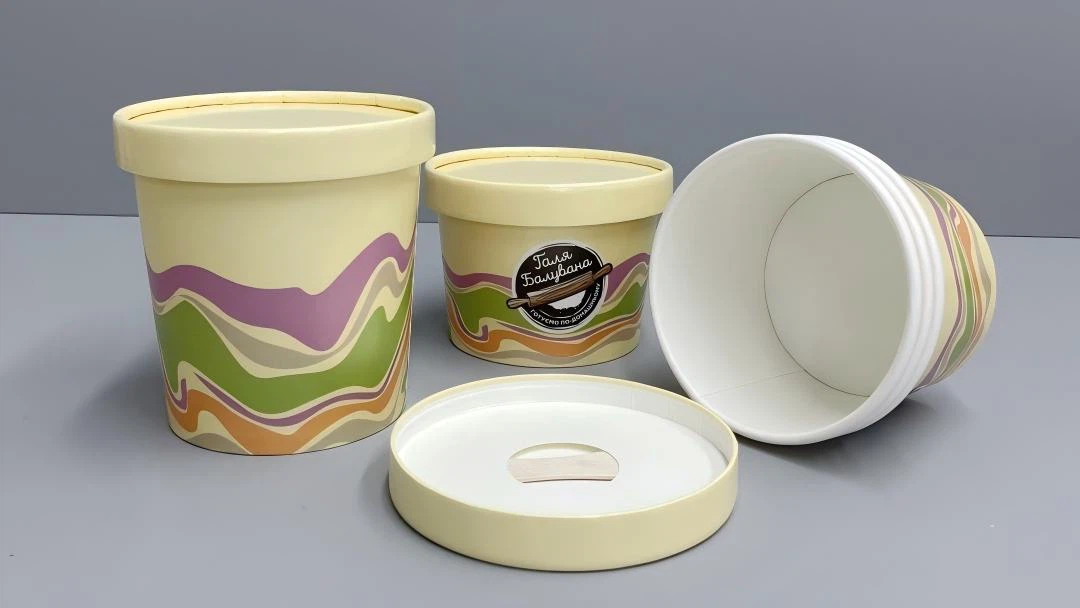
In my packaging consultations, I've learned that "perfect" lies at the intersection of taste and profit. Think about your target customer: tourists expect generous scoops, while locals might prefer small indulgences they can enjoy often. Also consider the operational side: fewer cup sizes make stock management easier. If you sell both ice cream and other desserts like frozen yogurt or shaved ice, choose sizes that work for multiple products. Some clients settle on two standard sizes - a small (4–5 oz) and a large (8 oz) - to keep it simple. This keeps customers from feeling overwhelmed while giving them a choice.
| Customer Type | Perfect Size | Reason |
|------------------------|------------------|---------------------------------------|
| Everyday snack buyer | 4–5 oz | Affordable, guilt-free treat |
| Tourist/festival crowd | 8–12 oz | Bigger size matches trip excitement |
| Family groups | 12 oz | Easy to share |
| Kids | 4 oz | Portion control, spill reduction |
How to choose the right size ice cream cup?
Size choice is strategic - and it should be made carefully.
To choose the right ice cream cup size, consider portion size, menu variety, topping use, customer demographics, and cost control goals.
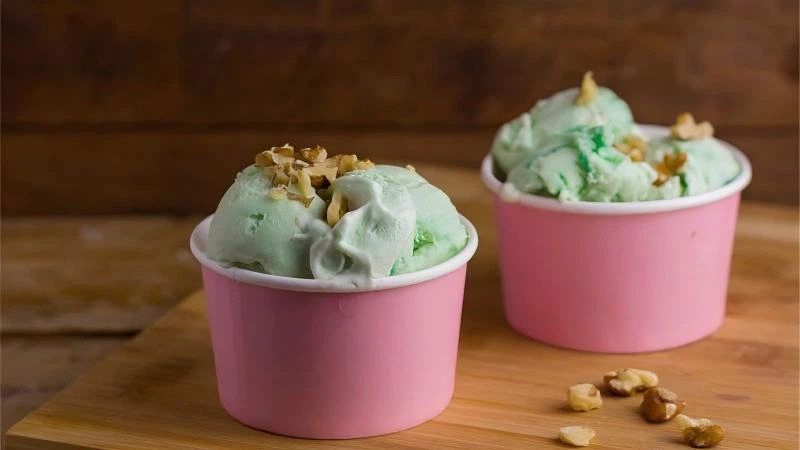
When I help new dessert shop owners, I take them through a simple process. First, decide the standard number of scoops you want to serve. Second, think about toppings - more toppings need more space. Third, check the look: ice cream should fill or slightly overflow the cup for visual appeal. Fourth, consider storage space - if your store is small, limiting size options saves space. Lastly, review your cost per serving and set pricing to protect your margins. Remember, the right size is not only about how much ice cream fits but also about presentation, experience, and profitability.
| Decision Factor | Why It Matters | Impact on Size Choice |
|----------------------|----------------------------------------|----------------------------------|
| Portion size | Controls cost and calorie content | Smaller or larger cup needed |
| Toppings | Requires cup height and width | Larger size for extra space |
| Customer type | Different appetites and budgets | Kids vs. adult sizes |
| Storage | Space for inventory | Fewer size options preferred |
| Pricing strategy | Profit margin target | Smaller sizes can increase ROI |
Conclusion
The right ice cream cup size balances portion control, customer appeal, and cost - for most shops, offering a 4–5 oz small and an 8 oz large works best.