What Is An Example Of A Coated Paper Cup?
Leave a message
What Is an Example of a Coated Paper Cup?
Moisture and oil can weaken plain paper cups quickly. Coated paper cups solve this problem and keep drinks or desserts contained without leaks.
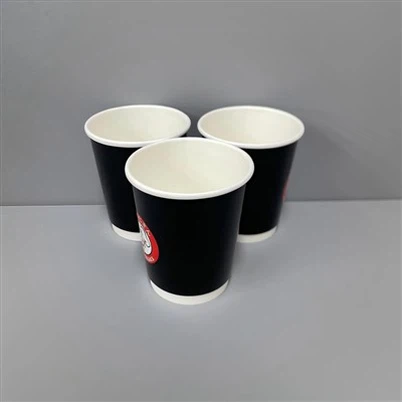
An example of a coated paper cup is a paper coffee cup with a thin PE or PLA lining that makes it leak-resistant and suitable for holding hot or cold liquids.

From my years in manufacturing, the most common coated paper cup we produce is the hot coffee cup. It has an inner coating layer to prevent moisture from soaking into the paper fibers. Without this coating, the drink would quickly weaken the cup, causing it to collapse or leak.
What is the difference between coated paper and uncoated paper?
The key difference is the presence of a protective surface layer.
Coated paper has a thin film or mineral layer that changes surface texture and properties, while uncoated paper lacks this, making it more porous and rough.
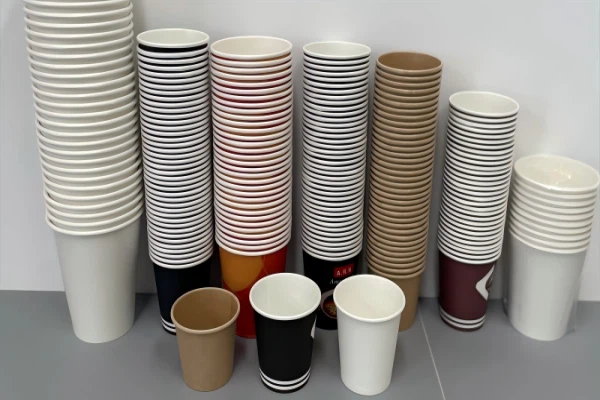
I often show clients two samples side by side. Coated paper feels smooth, resists water, and holds printing ink sharply. Uncoated paper feels more natural and slightly rough, absorbs ink faster, and can take on moisture more easily.
In food packaging, the coating improves functionality. PE (polyethylene) coating gives water and oil resistance for soups, ice cream, and coffee cups. PLA coating does the same but comes from plant starch, making it compostable in industrial facilities. Wax coatings are less common today but still exist for some cold cups.
Uncoated paper is fine for packaging that does not need to hold moisture, like bakery boxes or outer sleeves. It is not suitable by itself for direct contact with liquids or oily foods.
| Feature | Coated Paper | Uncoated Paper |
|---|---|---|
| Surface Feel | Smooth | Rougher, natural |
| Water Resistance | High | Low |
| Ink Absorption | Low, sharp print | High, softer print |
| Common Uses | Cups, food packs, flyers | Boxes, books, napkins |
What is the meaning of coating paper?
It is the process and result of adding a surface layer for protection or specific function.
Coating paper means applying a thin layer of material to its surface to change its look, feel, or performance for special uses.

In my factory, coating is part of the first production stage. We start with paperboard rolls, pass them through machinery that adds a melt coating layer, then cool and rewind the rolls for printing and cup-making.
The coating can be clear or tinted and may add gloss or matte effects. For food containers, the target is not just looks but also functional protection. Coatings stop oil and liquid from reaching the paper fibers, preventing warping, leaking, or softening.
Paper coatings differ by application. In printing industries, coatings improve smoothness and print quality. In food packaging, they improve resistance and hygiene. The coating process must be even and secure, as poor coating can cause peeling or pinholes, which lead to leaks.
| Coating Material | Main Purpose |
|---|---|
| PE | Waterproof, oil-proof |
| PLA | Compostable, water-resistant |
| Wax | Smooth, cold-resistant |
Is coated paper always glossy?
No - coating affects more than just shine.
Coated paper can be glossy, matte, or silk/matte-satin finish, depending on the type of coating used and the finishing treatment applied.

A common misunderstanding I hear from customers is that coated always means shiny. In truth, we can produce both gloss-coated and matte-coated paper. Gloss coatings reflect light, giving the surface a polished look. Matte coatings diffuse light, giving a softer, less reflective appearance. Satin or silk finishes fall in between.
In food packaging, the finish also affects the visual impact of printed designs. Gloss-coated cups with full-color printing make colors look more vivid. Matte-coated cups give a more premium, minimalist look. Both finishes still protect the paper from liquids.
The choice depends on brand image and product type. A fun ice cream shop may choose bright gloss designs, while a premium coffee brand might prefer muted matte tones for sophistication.
| Finish Type | Look & Feel | Common Use Cases |
|---|---|---|
| Gloss | Shiny, vivid colors | Promotional designs, kids' products |
| Matte | Soft, muted look | Premium branding, minimalist styles |
| Satin/Silk | Semi-reflective, balanced | General use, mid-range aesthetics |
What is coated paper used for?
It serves needs in both print and packaging industries.
Coated paper is used for products where smooth finish, good printing quality, or liquid/oil resistance is required, such as food packaging, magazines, and labels.
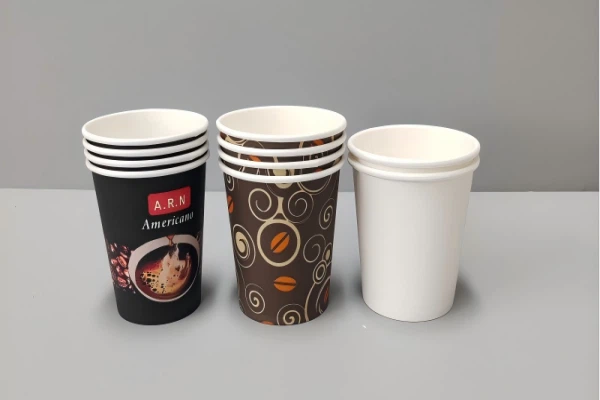
In my work, most coated paper goes into disposable food packaging - cups, bowls, and boxes that carry liquids or greasy foods. PE-coated boards are standard for coffee cups and noodle bowls. PLA-coated boards are growing in demand for compostable eco-products.
Outside food service, coated paper is popular in magazines, product catalogs, and high-end brochures because it holds sharp print details. It is also used in label stock, stickers, and coated cardboard for cosmetic and tech product packaging.
The reason is simple: the coating controls absorption, keeps surfaces clean, and enhances durability. In any application where the surface must be smooth and withstand moisture, coated paper is a smart choice.
| Application Area | Example Products |
|---|---|
| Food Packaging | Cups, bowls, takeaway boxes |
| Printing & Media | Magazines, flyers, posters |
| Product Packaging | Cosmetic boxes, perfume cartons |
| Labels & Stickers | Waterproof labels, branded stickers |
Conclusion
Coated paper cups resist leaks and hold print designs well. Their coating - whether PE, PLA, or another - adds both functional protection and brand presentation value.