

Can Food Packaging Truly Achieve A Win-Win For Environmental Protection And Business Demands?
Leave a message
Can Food Packaging Truly Achieve a Win-Win for Environmental Protection and Business Demands?
Environmental concerns are clashing with the demand for functional food packaging. Are you struggling to balance sustainability with practicality? This dilemma often feels insurmountable.
Yes, food packaging can achieve a win-win between environmental protection and business demands, especially through the adoption of innovative paper-based solutions. Driven by consumer awareness and policy, eco-friendly paper packaging offers biodegradability, recyclability, and crucial functional properties like moisture and oil resistance, creating both environmental and brand value for businesses.
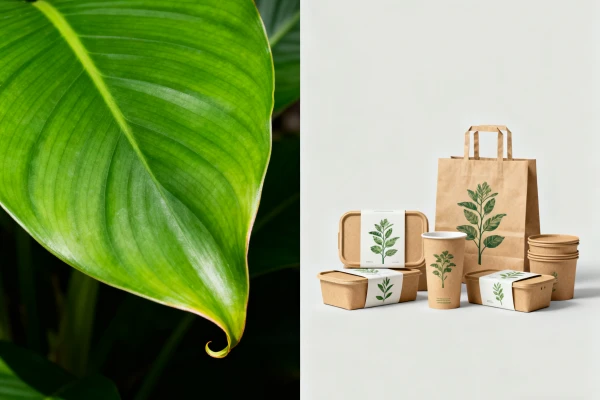
At Amity Packaging, Jonh and I have dedicated over 20 years to mastering "the art of disposable paper product manufacturing." We know that the pressure to be green is real, but so is the need for reliable, cost-effective packaging. Our mission is to "empower everyone who uses paper cups and bowls to truly understand paper packaging," finding solutions that serve both the planet and your business. We believe that with the right materials and practices, environmental responsibility can genuinely support your business goals, not hinder them. Let's explore how paper packaging offers this unique win-win.
How are Environmental Demands and Consumer Awareness Driving the Popularity of Paper Food Packaging?
Plastic waste is choking our planet, and consumers are demanding change. Are you feeling the pressure to adopt sustainable practices, but unsure if the market truly supports the shift? The tide is turning, and fast.
Environmental protection policies and increased consumer awareness are strongly driving the popularity of paper food packaging. Governments are enacting stricter regulations on plastics, while consumers actively seek eco-friendly brands. This dual pressure makes paper packaging a compelling choice, aligning businesses with societal values and securing future market relevance.
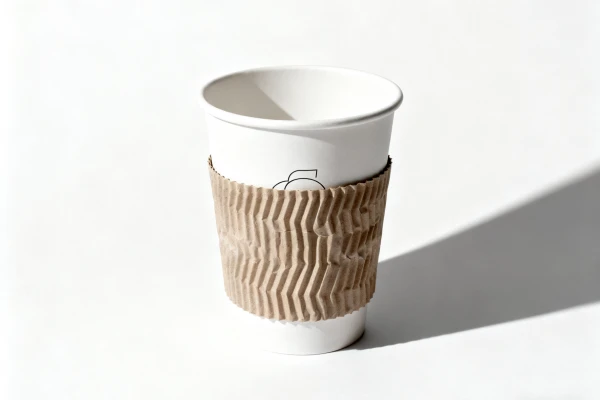
My "20+ years of experience" in this industry, working alongside Jonh, has given me a front-row seat to this evolution. We have seen firsthand how global demand for "eco-friendly" solutions has grown, moving from a niche concern to a mainstream expectation. This trend is not just about avoiding problems; it is about embracing opportunities.
The Dual Forces Shaping Packaging Choices
The "development trends" clearly indicate that "paper packaging for food is gradually gaining popularity." This isn't a fleeting fad; it is a fundamental shift, propelled by two powerful forces: environmental protection policies and increased consumer awareness of environmental protection. These combined pressures are creating an undeniable mandate for businesses to re-evaluate their packaging strategies, making eco-friendly options not just preferable but essential.
Firstly, Government Regulations and Policies are increasingly restrictive regarding single-use plastics. Many countries and regions have implemented or are planning bans on certain plastic items, mandatory recycling targets, or extended producer responsibility schemes that make non-recyclable packaging more expensive. For example, the EU Single-Use Plastics Directive directly impacts food service businesses, accelerating the move away from plastic cups, containers, and cutlery. By adopting paper packaging, companies can stay ahead of these regulatory changes, avoid future penalties, and ensure operational continuity. My team at Amity constantly monitors these global policies, using Jonh's expertise in "end-to-end production" and the latest material innovations to guide our clients towards compliant, future-proof solutions. This proactive approach supports our commitment to "sustainable approaches."
Secondly, Evolving Consumer Conscience plays an equally critical role. Today's consumers, especially younger demographics, are highly aware of environmental issues like climate change and plastic pollution. They are actively seeking brands that demonstrate a genuine commitment to sustainability. Research consistently shows that consumers are willing to pay more for eco-friendly products and prefer companies that use sustainable packaging. Businesses that fail to meet these expectations risk losing market share, receiving negative publicity, and damaging their brand image. Conversely, those who embrace eco-friendly paper packaging often see enhanced brand loyalty and positive word-of-mouth. Our mission to "empower everyone who uses paper cups and bowls to truly understand paper packaging" also involves helping our clients articulate their sustainability journey to their customers.
| Driving Force | Impact on Food Packaging Decisions | Outcome for Businesses Embracing Paper Packaging |
|---|---|---|
| Environmental Policies | Increased regulation on plastics, incentives for sustainable options | Regulatory compliance, avoidance of fines, future-proofing |
| Consumer Awareness | Demand for eco-friendly products, preference for green brands | Enhanced brand image, increased customer loyalty, market share growth |
| Media Scrutiny | Public pressure on companies to reduce environmental footprint | Positive public relations, differentiation from competitors |
| Corporate Responsibility | Internal goals for sustainability, investor pressure | Improved ESG ratings, attraction of ethical investment |
These dual forces make the shift to paper packaging not just an ethical choice but a strategic business imperative. It allows companies to align with global environmental goals while simultaneously strengthening their market position and nurturing customer trust.
What are the Different Types of Food Paper Packaging and Their Unique Characteristics?
Understanding the vast array of "green" packaging options can be confusing. Not all paper packaging is created equal, and choosing the wrong type can lead to functional failures or misguided sustainability claims. How do you navigate this complex landscape?
There are various types of food paper packaging, each with unique characteristics suited for different applications. These include basic paper boxes for dry goods, aluminum foil paper for barrier protection, coated paper for grease and moisture resistance (often with PE or PLA), and fully biodegradable paper for complete composting. Choosing the right type depends on the food's specific needs and the desired environmental outcome.
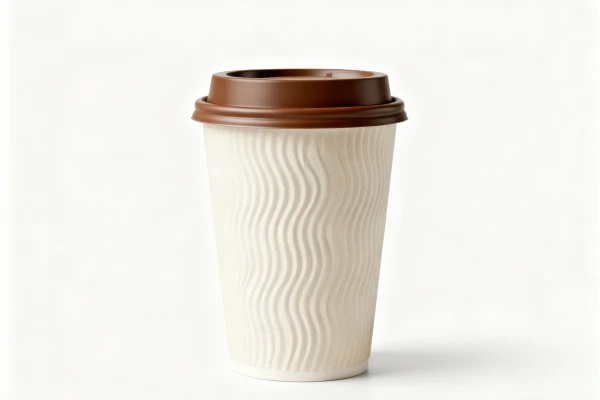
At Amity, our expertise lies in understanding these nuances. Jonh, with his "Degree in Mechanical Engineering" and "15 years in disposable packaging manufacturing," is particularly brilliant at dissecting the technical specifications. We pride ourselves on offering "material & structure consultation" to ensure you get the absolute best fit for your "disposable paper cups, bowls," or other items. We aim to help you make informed decisions.
Categorizing Modern Food Paper Packaging Solutions
"There are various types of food paper packaging," and understanding their "type and characteristics" is crucial for making informed decisions that balance functional requirements with environmental goals. Each material offers distinct advantages, making it suitable for specific "types of food and corresponding application scenarios." My commitment at Amity is to provide "tailor-made solutions" by demystifying these options for our clients.
1. Basic Paperboard Boxes and Containers:
Characteristics: Made from virgin or recycled paperboard, these are generally uncoated or have minimal internal lining. They are sturdy, often stackable, and easily printed.
Best for: Dry goods like pastries, cakes, fried foods (with absorbency liners), or takeaway boxes for items that are not heavily oiled or liquid-based. Examples include pizza boxes, burger boxes, and bakery boxes. They are typically recyclable if clean and dry.
Consideration: Not suitable for liquid or high-moisture content without additional barriers, as paper fibers will absorb moisture, leading to softening.
2. Coated Paper (PE, PLA, or Water-Based):
Characteristics: This is standard paperboard (often FSC-certified virgin fiber) laminated or coated on the inside with a barrier layer.
PE (Polyethylene) Coated: Offers excellent moisture and grease resistance. While recyclable in some facilities, its plastic content complicates recycling infrastructure.
PLA (Polylactic Acid) Coated: A bio-based, compostable alternative to PE. It provides similar barrier properties for hot and cold foods but requires industrial composting facilities for proper breakdown. Amity actively promotes "using biodegradable coatings (PLA bio-based)."
Water-Based Coatings: Newer innovations offer grease and moisture resistance using repulpable or compostable water-based barriers, aiming for easier recycling or composting.
Best for: "Disposable paper cups" (hot and cold), "disposable paper bowls" (soups, noodles, salads), and takeaway containers for saucy or oily foods.
3. Aluminum Foil Laminated Paper:
Characteristics: Paperboard bonded with a thin layer of aluminum foil. This provides superior barrier properties against moisture, oxygen, light, and aroma transfer.
Best for: Foods requiring extended shelf life, heat retention, or specific protection from external elements. This can include insulated food wrappers, some retort pouches, or certain frozen food packaging.
Consideration: The multi-material composition makes it very difficult to recycle, often destined for landfill. It represents a trade-off between preservation and recyclability, though efforts are being made for delamination.
4. Bagasse (Sugarcane Pulp) Products:
Characteristics: Made from the fibrous residue left after sugarcane stalks are crushed to extract juice. It's a rapidly renewable resource, sturdy, naturally compostable, microwave-safe, and freezer-safe.
Best for: A versatile alternative to foam or plastic for plates, bowls, and clamshell containers for hot, wet, and oily foods. Provides excellent thermal insulation.
Consideration: Requires industrial composting facilities for breakdown, although it degrades naturally much faster than plastic in landfills.
| Packaging Type | Primary Material | Key Barrier/Property | Best Use Cases | Main Environmental Consideration |
|---|---|---|---|---|
| Basic Uncoated Paperboard | Virgin/Recycled Paper | Absorbency, Printability | Dry bakery, some fried foods, basic takeaway boxes | Recyclable (if clean & dry) |
| PE-Coated Paper | Virgin Paper + Polyethylene | Moisture, Grease Resistance | Hot/cold drink cups, soup bowls | Difficult to recycle, mostly landfill |
| PLA-Coated Paper | Virgin Paper + PLA | Moisture, Grease Resistance | Hot/cold drink cups, soup bowls, deli containers | Industrial Compostable |
| Water-Based Coated Paper | Virgin Paper + Water-based | Moisture, Grease Resistance | Bowls, cups, trays, aiming for easier recyclability | Often Recyclable/Compostable |
| Aluminum Foil Laminated | Paper + Aluminum Foil | Oxygen, Moisture, Light Barrier | Long shelf-life foods, insulated wrappers | Difficult to recycle (multi-material) |
| Bagasse (Sugarcane Fiber) | Sugarcane Pulp | Sturdy, Heat/Grease Resistant | Hot/cold food plates, bowls, clamshells | Industrial Compostable |
By understanding these distinctions, businesses can select food paper packaging that genuinely meets both their operational needs and their sustainability goals, ensuring products perform effectively while minimizing environmental impact.
What are the Core Advantages and Brand Values of Using Food Paper Packaging?
You want to make sustainable choices, but you also need practical benefits for your business and brand. Is eco-friendly packaging just a feel-good gesture, or does it offer tangible returns? What real value does it bring?
Food paper packaging offers multiple core advantages: it is biodegradable and recyclable, relatively low-cost, and provides essential moisture-proofing, oil-proofing, and heat insulation. Beyond practicality, it helps enterprises build an environmentally friendly brand image, enhances consumer loyalty, and drives positive marketing, making it highly practical and valuable for business promotion and growth.

At Amity, Jonh and I don't just sell paper products; we offer solutions that "enhance product performance and brand value." My experience has shown me that companies embracing paper packaging aren't just doing good; they are doing good business. It is a true "win-win situation."
Unlocking Practical Benefits and Brand Resonance
"Food paper packaging offers multiple benefits." Beyond just being a responsible choice, it brings a suite of "advantages and values" that directly contribute to both operational efficiency and powerful brand building. It proves that environmental consciousness and business acumen can perfectly align, delivering a product that is "highly practical and valuable for promotion."
Firstly, Environmental Performance and Versatile Practicality. Paper is inherently derived from a renewable resource (trees), and when sourced from "FSC-certified suppliers" as we do at Amity, it speaks volumes about responsible forestry. Many paper packaging products are "biodegradable and recyclable," significantly reducing landfill waste and minimizing environmental impact. This inherent eco-friendliness is a major draw. From a practical standpoint, modern paper packaging is engineered to perform. With the right coatings (like our "PLA bio-based" options), it can effectively meet requirements for "moisture-proofing, oil-proofing, and heat insulation." This means hot soups stay hot without leaking, and oily foods don't seep through, ensuring a clean and pleasant customer experience. Our focus on "strict quality control" during manufacturing ensures these functional promises are consistently met.
Secondly, Cost-Effectiveness and Operational Efficiency. While initial material costs can sometimes vary compared to traditional plastics, paper packaging often offers "relatively low-cost" solutions, especially given its widespread availability and established manufacturing processes. Furthermore, paper is generally lightweight, which can lead to reduced shipping costs. Its versatility allows for easy printing and customization ("logo & printing customization"), providing a cost-effective way to integrate branding directly onto the packaging without needing additional labels. This streamlined approach contributes to "efficient production & delivery," simplifying operations for our clients while maintaining a professional appearance. From Jonh's perspective, this balance of cost, performance, and environmental benefit is key to success.
Finally, Brand Building and Customer Loyalty. This is where paper packaging truly elevates a business beyond mere functionality. By choosing paper, businesses "help enterprises build an environmentally friendly brand image." This resonates powerfully with a growing segment of consumers who are actively seeking out and supporting sustainable brands. Packaging becomes a tangible representation of a company's values, fostering trust and loyalty. When customers see sustainable packaging, they perceive the brand as caring, modern, and responsible. This positive perception translates into powerful marketing-customers are more likely to recommend an eco-conscious brand, generating valuable word-of-mouth. My founder story is rooted in this belief: that supporting sustainability naturally lends itself to financial freedom and business growth.
| Category of Value | Specific Advantage | Business Benefit |
|---|---|---|
| Environmental Impact | Biodegradable, Recyclable, Renewable Source | Reduced environmental footprint, compliance, positive PR |
| Functional Performance | Moisture-proofing, Oil-proofing, Heat Insulation | Maintained food quality, customer satisfaction, reduced waste |
| Cost-Effectiveness | Relatively low material cost, lightweight | Reduced operational expenses, competitive pricing |
| Brand Image & Marketing | Eco-friendly perception, customizable, tangible values | Enhanced reputation, increased loyalty, word-of-mouth marketing |
| Operational Efficiency | Mass production, easy printing, versatile applications | Streamlined supply chain, faster branding |
Thus, the advantages and values of food paper packaging extend beyond simple containment, providing robust functional performance, supporting sustainable practices, and significantly strengthening a brand's market position and relationship with its customers.
What are the Key Future Trends Shaping the Development of Food Paper Packaging?
The world of packaging is constantly evolving. Are you wondering what's next for paper packaging outside of current standards? The landscape is dynamic, with exciting innovations on the horizon for sustainable solutions.
The future development of food paper packaging shows a multi-directional trend, focusing more on advanced environmental protection and sustainable development. Key trends include enhanced barrier coatings for wider applications, smart packaging elements for freshness and traceability, and increased innovation in compostable and circular economy designs. This prepares packaging for a truly green future.

Jonh and I are always looking ahead. We stay updated with "the latest innovations in eco-friendly materials, manufacturing processes, and equipment" to ensure Amity remains at the forefront. My dedication goes towards "technological innovation," constantly seeking ways to improve and adapt. The future of paper packaging is not just about material; it is about intelligent design and a deeper commitment to the planet.
Emerging Pathways in Sustainable Paper Innovations
The "future development of food paper packaging shows a multi-directional trend," which is primarily centered around an even "greater emphasis on environmental protection and sustainable development." This involves not just incremental improvements but transformative innovations that push the boundaries of what paper can achieve while strictly adhering to ecological principles. Jonh and I, through our extensive experience and continuous research, are actively involved in these advancements, ensuring Amity continues to offer cutting-edge "eco-friendly" solutions.
Firstly, a major trend is the development of Advanced High-Performance Barrier Coatings. While PLA and PE coatings are effective, the future aims for even more sustainable and versatile barriers. This includes "fully bio-based," water-soluble, or mineral-based coatings that offer superior resistance to oxygen, moisture, and grease while being easier to recycle or compost without industrial facilities. Recent innovations also focus on "re-pulpable barriers," which allow the entire paper product to be recycled in standard paper streams, overcoming a significant challenge of current coated papers. This expansion of barrier capabilities will allow paper packaging to safely contain an even wider array of food products, from high-moisture items to those requiring extended shelf life. This aligns with our commitment to "using biodegradable coatings (PLA bio-based) instead of traditional plastic lining," driving towards even more effective and sustainable alternatives.
Secondly, Smart and Interactive Packaging is gaining traction. This involves integrating technologies such as QR codes for full product traceability (from farm to fork), temperature sensors to monitor freshness, and even NFC (Near Field Communication) tags for enhanced consumer engagement and authentication. For paper packaging, this means printed electronics or embedded micro-sensors that add value beyond simple containment. Imagine a paper food box that tells you if its contents have been kept at the right temperature during transit, or one that recommends a recipe based on its ingredients. These "innovations" not only improve food safety and reduce waste but also provide powerful new avenues for consumer interaction and brand transparency.
Finally, the push towards a Truly Circular Economy for paper packaging is paramount. This means designing packaging from the outset for its end-of-life: easily recyclable, home compostable, or designed for industrial composting. It also involves greater utilization of "post-consumer recycled (PCR) content" in non-direct food contact packaging to close the loop. Furthermore, "lightweighting" – reducing the amount of material used in packaging – without compromising performance is a continuous goal, alongside optimizing shapes for efficient transport and storage. Our "sustainability commitment" at Amity is actively geared towards these long-term visions, from "sourcing renewable paper" to "optimizing production to reduce energy consumption and waste," ensuring every product contributes to a "green, healthy, and sustainable lifestyle worldwide."
| Future Trend | Key Innovation/Development | Impact on Food Packaging & Business |
|---|---|---|
| Advanced Barriers | Water-soluble, mineral-based, or re-pulpable coatings | Broader food application range, easier recycling, enhanced compostability |
| Smart Packaging | Printed electronics, QR codes, temperature sensors, NFC tags | Improved food safety, traceability, consumer engagement |
| Circular Economy Design | Increased PCR content, lightweighting, home compostability | Minimized waste, reduced resource use, fully closed-loop systems |
| Material Blends | Combinations of paper with other sustainable materials | Optimized performance for specific needs, novel solutions |
| Personalization | On-demand printing, unique designs | Enhanced brand interaction, custom consumer experiences |
These future trends in food paper packaging solidify its role as a dynamic, innovative, and increasingly essential component in achieving a truly sustainable and efficient global food system.
Conclusion
By strategically embracing paper packaging, businesses achieve a powerful win-win: meeting environmental demands, satisfying eco-conscious consumers, and building a stronger, more sustainable brand for the future.


