

What Are Disposable Coffee Cups Actually Made Of?
Leave a message
What Are Disposable Coffee Cups Actually Made Of?
You think a coffee cup is just paper, so you order the cheapest option. Then they leak, feel flimsy, and your branding looks cheap, making your premium coffee feel second-rate.
A disposable coffee cup is made of three key things: a strong paperboard structure for shape, a waterproof inner lining (like PE or PLA) to prevent leaks, and food-safe inks for branding.
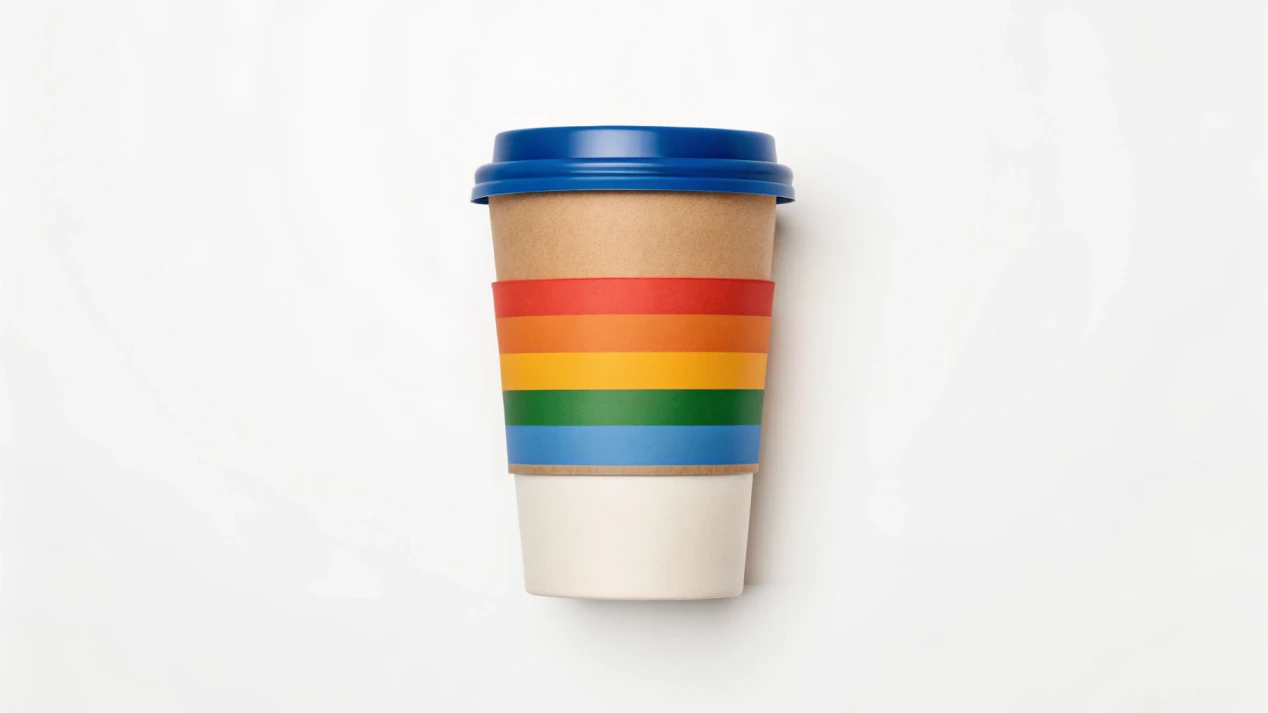
Many of my clients are surprised when I break down the anatomy of a simple paper cup. They assume it's just rolled-up paper. But that "simple" cup is an engineered product designed for safety, performance, and marketing. Understanding its components is the first step to choosing the right cup for your business, one that protects your coffee and elevates your brand. Let's look at what goes into making that perfect cup.
What Kind of Paper Is Strong Enough for a Coffee Cup?
You worry that a paper cup will get soggy and collapse. You've seen flimsy cups that feel cheap and unstable, and you don't want your customers to have that experience.
Coffee cups use a special, food-grade paperboard called "cup stock." It is measured by weight (GSM) to ensure it is rigid enough to hold hot liquid without losing its shape.

The foundation of any good coffee cup is the paper itself. We don't use regular printing paper; we use a specialized material often called "cup stock." It's a food-grade paperboard made to be durable and safe. Most commonly, it comes from wood pulp sourced from responsibly managed forests. However, we're seeing more innovative options now, like materials made from fast-growing bamboo fiber or even sugarcane byproducts.
The most important specification I discuss with clients is the paper's weight, measured in grams per square meter (GSM). A higher GSM means the paper is thicker, heavier, and more rigid. For a hot coffee cup, you want a weight that feels substantial and provides some insulation.
Paper Weight (GSM) Guide
| GSM Range | Feel and Common Use |
|---|---|
| 210-250 GSM | Lighter feel, often used for smaller single-wall cups or water cooler cups. |
| 250-300 GSM | Standard for most hot cups. Provides good rigidity and a quality feel. |
| 300+ GSM | Very sturdy and premium feel. Used for larger cups or high-end double-wall cups. |
Choosing the right GSM is the first step to ensuring your cup feels strong and reliable in your customer's hand.
What Makes a Paper Cup Waterproof?
You know that paper and water don't mix. The biggest question is how the cup holds hot coffee for over an hour without turning into a mushy, leaking mess.
A micro-thin, waterproof lining is bonded to the inside of the paperboard. This invisible barrier is what actually holds the liquid and prevents any leaks, keeping the paper dry and strong.
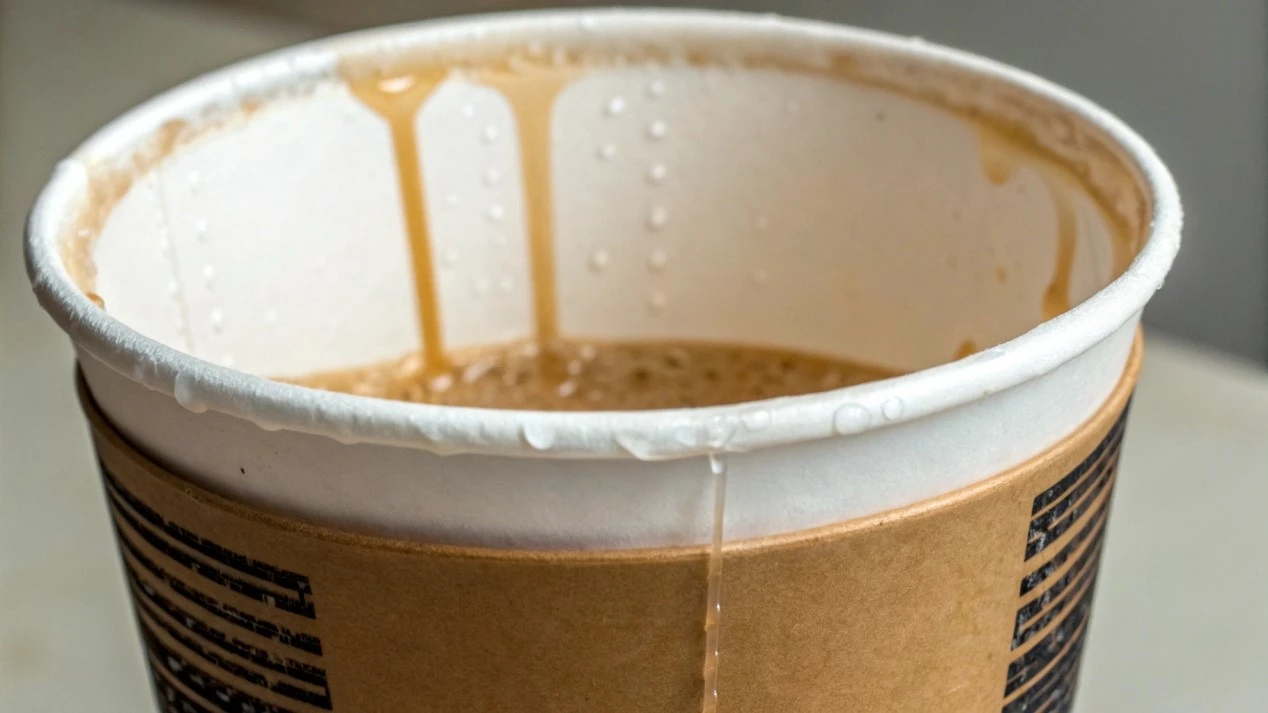
The paperboard gives the cup its shape, but the lining does the real work. This waterproof barrier is only about 5% of the cup's total weight, but it's the most critical component for performance. Without it, the cup would leak almost instantly. For decades, the industry has relied on two main types of linings, and now a third is emerging.
PE (Polyethylene) Lining
This is the traditional choice. PE is a type of plastic that is extremely effective, durable, and great at handling high temperatures. It's the most common and cost-effective lining. Its main downside is that it is made from fossil fuels and makes the cup very difficult to recycle.
PLA (Polylactic Acid) Lining
This is the modern, eco-friendly alternative. PLA is a bioplastic made from renewable plant resources like cornstarch. It performs just as well as PE but is commercially compostable. This makes it a fantastic choice for brands that want to showcase their commitment to sustainability.
Water-Based Coatings
This is the newest innovation. These are water-based solutions that create a waterproof barrier without using PE or PLA. The goal is to make a cup that can be easily recycled along with regular paper products.
How Does a Logo Get Printed on a Cup?
Your cup is a walking advertisement. You have a great logo, but you're concerned about how it will look on a curved surface and whether the inks used are safe for a food product.
We use special printing methods and food-grade, low-odor inks to print your design onto the paperboard before it's cut and formed. This ensures a sharp, vibrant, and safe branding experience.
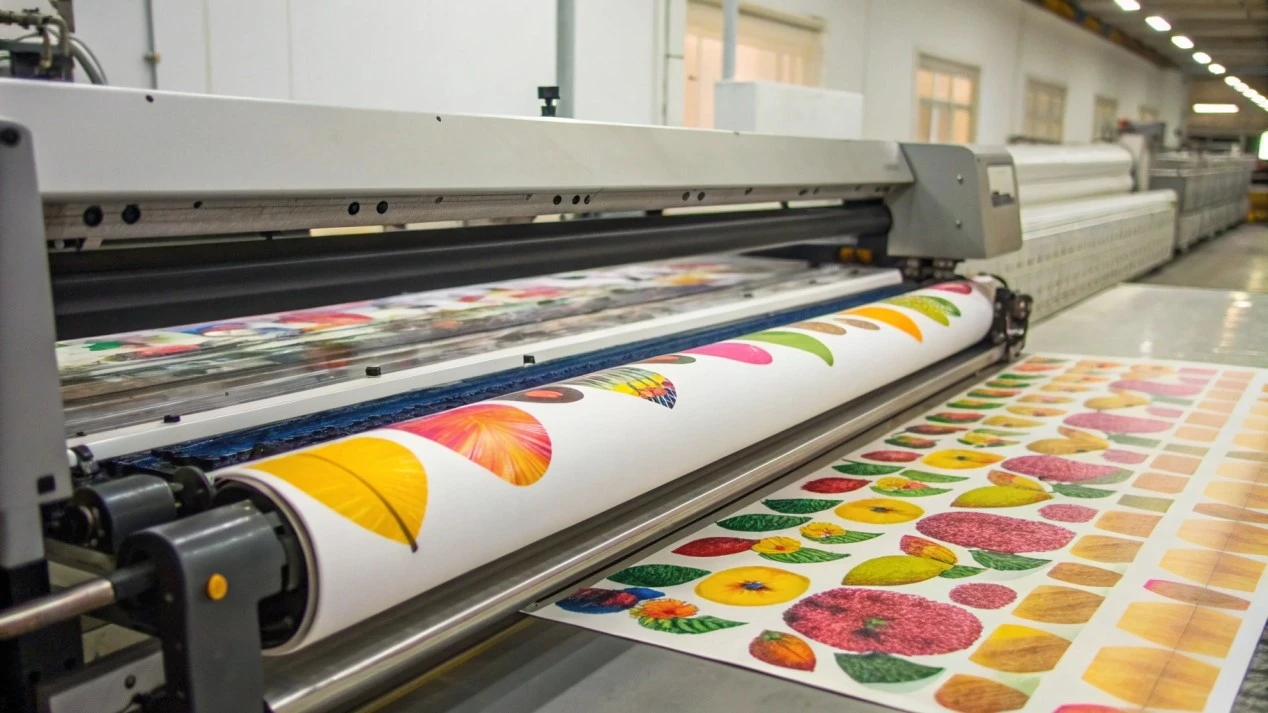
The smooth exterior of the cup stock is a perfect canvas for your brand. To get your design onto that canvas, we use several high-quality printing methods. The choice depends on your design's complexity and your order size.
Offset Printing: This is the best for complex, photo-quality images. It produces very sharp and detailed results, perfect for premium branding.
Flexography (Flexo) Printing: This is the workhorse for large orders. It's very fast and cost-effective for simpler designs with a limited number of colors.
Digital Printing: This is ideal for small, custom orders or for brands that want to frequently change their designs. It has minimal setup costs.
No matter the method, safety is the top priority. We only use food-grade inks that have low odor and are completely safe for consumers. We typically use the CMYK (Cyan, Magenta, Yellow, Black) color process, which allows us to create a full spectrum of vibrant colors to make your brand pop.
What Factors Determine the Final Price of a Cup?
You need to manage your budget carefully. To make an informed decision, you must understand why one cup might cost twice as much as another, even if they're the same size.
The final cost is driven by three main factors: the raw materials (especially the lining), the structure (double wall costs more than single wall), and the complexity of your printed design.
When I provide a quote to a client, the price is a reflection of all the choices we've discussed. It's not arbitrary; every component has a cost associated with it. Here's a simple breakdown of what influences that final price per cup.
1. Raw Materials
This is the biggest driver. The weight of the paperboard (higher GSM costs more) and, most importantly, the type of lining have a huge impact. A cup with an eco-friendly PLA lining will always be more expensive than an identical cup with a standard PE lining. This is the single biggest cost variable.
2. Cup Structure
The complexity of the manufacturing process matters. A simple single-wall cup is the most economical. A double-wall cup uses more paper and requires an extra step in production, which increases the cost. A ripple-wall cup is even more complex, making it a premium, higher-priced option.
3. Printing and Order Volume
The branding adds to the cost. A simple one-color logo printed with flexography will be cheaper than a full-color, high-resolution image printed with offset. Finally, volume plays a huge role. As with any manufacturing, larger orders allow for greater efficiencies, which significantly reduces the price per unit.
Conclusion
A coffee cup is a product of careful engineering, combining paperboard for structure, a lining for function, and ink for branding to create the final product your customer holds.


