How Can Eco-Friendly Packaging Boost Your Food Business’s Sustainability & Bottom Line?
Leave a message
How Can Eco-Friendly Packaging Boost Your Food Business's Sustainability & Bottom Line?
The environmental impact of single-use packaging is a growing concern, challenging food businesses everywhere. Are you watching your brand's reputation suffer from plastic waste and losing eco-conscious customers? It's time to change.
Eco-friendly packaging boosts your food business's sustainability by reducing environmental impact, appealing to eco-conscious consumers, and often improving brand image. It involves using materials like compostable paper, PLA, or recycled content, signaling your commitment to the planet and enhancing market appeal and customer loyalty.
From my 20 years in the paper packaging industry, Jonh and I have witnessed a significant shift in consumer values. At Amity Packaging, our core mission is to "empower everyone who uses paper cups and bowls to truly understand paper packaging," and this includes helping our "global clients" choose solutions that not only benefit the planet but also strengthen their brand. Choosing eco-friendly packaging isn't just a trend; it's a strategic move for the future. Let's explore why this pivot is essential for your food business.
Why Opt for Eco-friendly Packaging – Is it Truly a Game-Changer for Your Brand?
Are you weighing the costs and benefits of sustainable packaging? Ignoring the shift towards eco-consciousness could be costing your brand in ways you haven't imagined, from diminishing customer loyalty to outdated perceptions. Is it really worth it?
Yes, opting for eco-friendly packaging is a game-changer as it significantly enhances brand reputation, attracts environmentally conscious consumers, supports corporate social responsibility, and often provides new marketing opportunities. It demonstrates foresight and a tangible commitment to sustainability, differentiating your business in a crowded market and building long-term customer trust.
My founder story with Amity is deeply tied to the conviction that businesses can thrive while caring for the planet. Jonh and I started this journey because we believed in promoting and enabling a more responsible disposable paper packaging industry. My goal is to help clients "expand their businesses and strengthen their brands" by making choices that resonate with modern values.
The Strategic Advantages of Sustainable Packaging
Choosing to "opt for eco-friendly packaging" is far more than a simple operational adjustment; it is a strategic decision that positions your brand for long-term success. It unequivocally "is a game-changer for your brand" by addressing critical aspects of modern business: brand perception, consumer engagement, and regulatory foresight. My "20+ years of experience" have shown me that businesses embracing sustainability are not just surviving, but actively thriving.
Firstly, Enhanced Brand Reputation and Customer Loyalty. In today's market, consumers, particularly younger demographics like Millennials and Gen Z, are increasingly prioritizing sustainability in their purchasing decisions. Studies consistently show a willingness to pay more for products from eco-conscious brands. By adopting greener packaging, your food business signals a commitment to environmental stewardship. This fosters trust and loyalty, setting you apart from competitors who rely on traditional, less sustainable options. Your packaging becomes a silent but powerful marketing tool, communicating your values directly to your customer base. At Amity, I believe this is critical; my mission is to "empower everyone who uses paper cups and bowls to truly understand paper packaging," a goal that naturally aligns with promoting sustainable solutions.
Secondly, Attracting a Growing Market Segment. The shift towards eco-friendly practices isn't a niche trend; it's a mainstream movement. Businesses that proactively embrace sustainable packaging tap into a rapidly expanding market of environmentally conscious consumers. This not only increases your potential customer base but also opens doors for partnerships with other green-focused businesses and suppliers. Our "eco-driven mindset" means we often see that businesses benefit from being early adopters in this space, gaining a competitive edge as consumer awareness grows. Investing in sustainable packaging is investing in future market share.
Finally, Regulatory Compliance and Future-Proofing your Business. Governments and municipalities worldwide are implementing stricter regulations on single-use plastics and non-recyclable packaging. By transitioning to eco-friendly alternatives now, you future-proof your business against potential fines, bans, and costly last-minute overhauls. Being ahead of these regulatory curves demonstrates foresight and responsible business practice. It also positions your brand as a leader, not a follower, in the industry. As Jonh, with his "15 years in disposable packaging manufacturing," constantly researches "the latest innovations in eco-friendly materials," Amity ensures our clients remain compliant and competitive.
| Strategic Advantage | How Eco-Packaging Delivers | Amity's Role in Support |
|---|---|---|
| Brand Recognition | Commands attention, stands out as responsible leader | "Logo & printing customization" on sustainable materials |
| Consumer Trust | Builds loyalty with eco-conscious consumers | Guiding choice of certified, safe materials |
| Market Expansion | Attracts new demographics (Millennials, Gen Z) | Providing innovative, compliant packaging solutions |
| Regulatory Preparedness | Avoids future fines and mandates, demonstrates foresight | Staying updated on global environmental standards |
| Positive PR & Marketing | Creates compelling brand stories, earns positive media | Highlighting sustainable material benefits for clients |
Through these multifaceted benefits, eco-friendly packaging transforms from a simple product choice into a core component of your food business's strategic success and long-term viability.
What Eco-friendly Packaging Options are Right for Your Food Business?
Feeling overwhelmed by the sheer number of "green" packaging claims, where buzzwords often outweigh substance? Not all eco-options are created equal, and choosing the wrong one can be costly and ineffective. Which truly fit your business?
The right eco-friendly packaging options for your food business depend on your specific product, usage, and disposal infrastructure, but commonly include paper-based (recycled, compostable), bio-plastic (PLA), and reusable materials. Identifying the best fit involves assessing heat resistance, leak-proofing, and end-of-life solutions (recycling, composting), aligned with both your brand values and local regulations.
Choosing the right material is a specialized task. This is why "material & structure consultation" is one of our key services at Amity Packaging. My team and I excel at evaluating specific needs because we believe that "empowering everyone who uses paper cups and bowls to truly understand paper packaging" is paramount.
Navigating the Landscape of Sustainable Packaging Materials
Identifying "what eco-friendly packaging options are right for your food business" requires a clear understanding of the diverse materials available and their specific properties and end-of-life pathways. It's not a one-size-fits-all solution; the ideal choice depends heavily on your product, how it will be used, and the disposal infrastructure accessible to your customers. My "depth of knowledge of product, material, process, and application," refined over two decades, allows Amity to offer "tailor-made solutions."
1. Paper-Based Solutions:
Recycled Paperboard: Products like pizza boxes, burger clam-shells, and carry-out boxes often use recycled paperboard. It significantly reduces the demand for virgin timber and diverts waste from landfills. It's an excellent choice for dry or semi-dry foods that don't require a strong moisture barrier. These are typically curbside recyclable where infrastructure permits.
Virgin Paperboard (FSC-certified): For direct food contact, especially hot or wet foods, virgin paperboard is often preferred due to stricter hygiene requirements. Ensuring it's FSC-certified guarantees it comes from responsibly managed forests. Our "disposable paper cups and bowls" are made from this material.
Compostable Paperboard: This refers to virgin paperboard coated with a compostable lining, typically PLA (Polylactic Acid) or a water-based barrier. This makes bowls and cups suitable for wet/oily foods, as the lining provides resistance. When correctly disposed of in industrial composting facilities, these products break down into organic matter. This aligns with our commitment to "using biodegradable coatings (PLA bio-based) instead of traditional plastic lining."
2. Bio-plastics (PLA):
PLA (Polylactic Acid): Derived from renewable resources like corn starch, PLA is a popular alternative to traditional petroleum-based plastics. It's transparent, durable, and can be used for cold cups, deli containers, and clear lids. Importantly, PLA is industrially compostable, meaning it requires specific conditions (high heat and microbes) to break down. It is not generally backyard compostable or curbside recyclable with conventional plastics. This distinction is crucial for educating customers on proper disposal.
3. Bagasse (Sugarcane Fiber):
This material is a byproduct of sugarcane processing, making it highly sustainable. Bagasse products (e.g., plates, bowls, clam-shells) are sturdy, microwave-safe, freezer-safe, and naturally compostable. They offer excellent heat resistance and can handle hot, wet, and oily foods without leaching or getting soggy. This is an excellent option for businesses looking for a truly compostable "food takeaway paper box."
4. Bamboo:
Bamboo is a rapidly renewable resource, making it an eco-friendly choice for certain packaging items like cutlery or skewers. While less common for rigid containers, some specialty bowls use bamboo fiber. Products are usually compostable.
| Eco-Friendly Material | Characteristics | Ideal for | End-of-Life Option (Typical) | Amity's Contribution |
|---|---|---|---|---|
| FSC Virgin Paper | Strong, hygienic, customizable, from sustainable forests | Paper cups, bowls, boxes (with lining for fluids) | Recyclable (if clean); Compostable (if PLA-lined) | Main Products: "disposable paper cups," "bowls," "food takeaway paper boxes" |
| PLA-Lined Paper | Leak/grease-proof, compostable, bio-based | Hot/cold food cups and bowls | Industrial composting | "Using biodegradable coatings (PLA bio-based)" |
| PLA Bio-plastic | Clear, durable, similar to plastic, bio-based | Cold cups, clear deli containers, lids | Industrial composting | Lids, sometimes coatings for cups/bowls |
| Bagasse | Sturdy, microwave/freezer-safe, heat resistant, natural | Plates, bowls, clam-shells, burger boxes | Industrial composting | Consultation for sourcing and integration |
By carefully assessing your needs and understanding the true properties and disposal requirements of each eco-friendly material, you can select packaging that genuinely supports your sustainability goals and elevates your brand.
How to Effectively Transition to Eco-Friendly Packaging: Practical Tips?
The idea of overhauling your packaging might seem daunting, raising concerns about cost, logistics, and potential disruption to your operations. How can you effectively transition to eco-friendly packaging without overwhelming your business or alienating customers?
Effectively transitioning to eco-friendly packaging involves a phased approach: start with high-impact items, conduct a packaging audit, educate your staff and customers about proper disposal, partner with reliable eco-suppliers, and clearly communicate your sustainability efforts. This minimizes disruption, manages costs, and maximizes the positive impact on your brand and the environment.
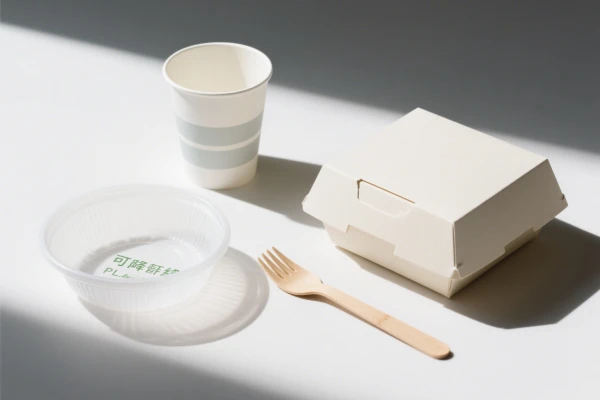
My role at Amity is to simplify this process for you. As an "industry knowledge-sharing platform," I aim to provide practical, actionable advice. I know that change can be challenging, but I also know that "sustainable approaches" are key to long-term success.
A Phased Approach to Sustainable Packaging Implementation
"Effectively transitioning to eco-friendly packaging" doesn't have to be an intimidating, all-at-once endeavor. A "phased approach" combined with clear communication is often the most practical and successful strategy for your food business. This thoughtful implementation minimizes operational disruptions, manages costs, and ensures maximum positive impact.
1. Conduct a Comprehensive Packaging Audit:
Begin by assessing your current packaging. Identify which items are generating the most waste, which are most frequently used, and which cause the biggest environmental footprint. Prioritize these high-impact items for the initial transition. For example, if you sell a lot of coffee, start by switching your "disposable paper cups" to PLA-lined compostable options. This initial step helps you focus your efforts where they will yield the greatest benefits. My "20+ years of experience" has taught me that a clear understanding of your current state is crucial before making changes.
2. Partner with Reliable Eco-Friendly Suppliers:
Finding manufacturers who can provide consistent quality, competitive pricing, and certified eco-products is vital. At Amity, we are a "professional manufacturer of disposable paper cups, bowls, and other paper-based food service products," and we are committed to providing "high-quality, eco-friendly, and safe paper packaging solutions." We emphasize sourcing "renewable paper from responsibly managed forests and FSC-certified suppliers" and "using biodegradable coatings (PLA bio-based)." This ensures you receive products that truly meet sustainability standards and won't compromise your food's safety or presentation.
3. Educate Your Staff Thoroughly:
Your employees are on the front lines. They need to understand the new packaging, its benefits, and how to properly store and dispose of it. Train them on proper usage, and, crucially, how to explain the new packaging to customers. They can be your best advocates for your sustainability efforts. Jonh, with his "expertise in end-to-end production," often emphasizes the importance of clear internal communication for seamless transitions.
4. Educate Your Customers Clearly:
This is perhaps the most critical step. Customers want to do the right thing but are often confused by mixed messaging about recycling and composting. Clearly label your new packaging with disposal instructions. Use in-store signage, website banners, and social media to explain why you've made the switch and how customers can properly dispose of the packaging (e.g., "Compost this cup at home," or "Recycle this box where facilities exist"). This transparency reinforces your brand's commitment and empowers customers to participate in your sustainability journey.
5. Start Small and Scale Up:
You don't need to change everything overnight. Begin with one or two key products-for instance, your "disposable paper bowls" for soups or "paper straws." Gather feedback, observe the impact, and then gradually expand your eco-friendly packaging across your entire product line. This minimizes risk and allows you to learn and adjust along the way, ensuring a smooth and successful integration of sustainable practices.
| Transition Step | Key Action Points | Goal & Impact | Amity's Support & Insights |
|---|---|---|---|
| Audit Current Packaging | Identify high-impact items, waste hotspots | Focused effort, maximize environmental reduction | "Material & structure consultation" helps identify effective switches |
| Partner with Eco-Suppliers | Research certified manufacturers, verify claims | Consistent quality, certified eco-friendly materials | As a "professional manufacturer," we provide certified products |
| Staff Education | Training on new materials, disposal, customer communication | Smooth internal operations, empowered employees | Providing product specifications and best practices |
| Customer Education | Clear labels, in-store signage, online guides | Increased proper disposal, enhanced customer engagement | Advice on "logo & printing customization" for clear messaging |
| Phased Implementation | Start with key items, gather feedback, gradually expand | Minimizes disruption, manages costs, ensures success | Scalable "mass production & packaging" support for gradual change |
By following this strategic roadmap, your food business can confidently and effectively "transition to eco-friendly packaging," turning a challenge into a significant opportunity for growth and positive impact.
Embrace the Sustainable Future of Food Packaging
The move to eco-friendly packaging is vital for modern food businesses. It aligns with changing consumer values, improves brand reputation, and future-proofs your operations. By choosing smarter materials and effectively communicating your efforts, you actively participate in a greener future and build a stronger, more responsible brand.