

The Green Journey Of An Ice Cream Cup: What’s Really Changed?
Leave a message
The Green Journey of an Ice Cream Cup: What's Really Changed?
You're launching an ice cream brand and need the perfect cup. But the choices are overwhelming-plastic-lined, compostable, biodegradable-and you're worried about making an expensive, environmentally damaging mistake.
Ice cream cups have evolved from non-recyclable plastic-lined paper to innovative options with compostable PLA or easily recyclable water-based coatings. This shift is driven by new environmental regulations and strong consumer demand for truly sustainable packaging.
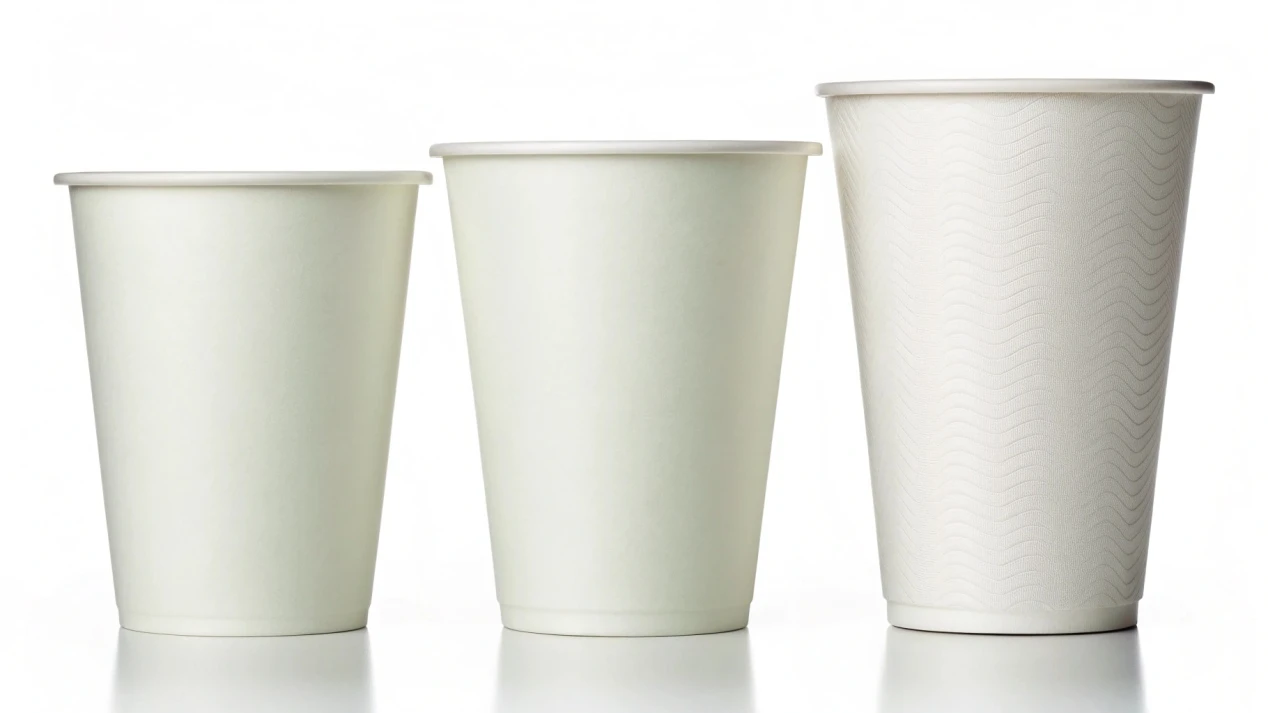
When I first started in this industry over 20 years ago, things were simple. You had one choice for frozen desserts: a thick, wax-coated paper cup. It worked, but it wasn't great. Today, the science behind these cups is incredible, but it's created a confusing landscape for business owners. As a packaging engineer and manufacturer, I want to cut through the noise and show you the clear path forward that the industry is taking. This journey involves science, law, and what your customers think.
How Have Ice Cream Cup Materials Actually Evolved?
You remember the waxy paper cups from your childhood. Now you see terms like PE, PLA, and "water-based coatings." It's confusing, and you just want to know which is best.
The industry has moved from wax-coated paper to a long era of non-recyclable polyethylene (PE) plastic linings. Now, innovation is driving us toward compostable plant-based PLA and, most excitingly, water-based coatings that make cups fully recyclable.
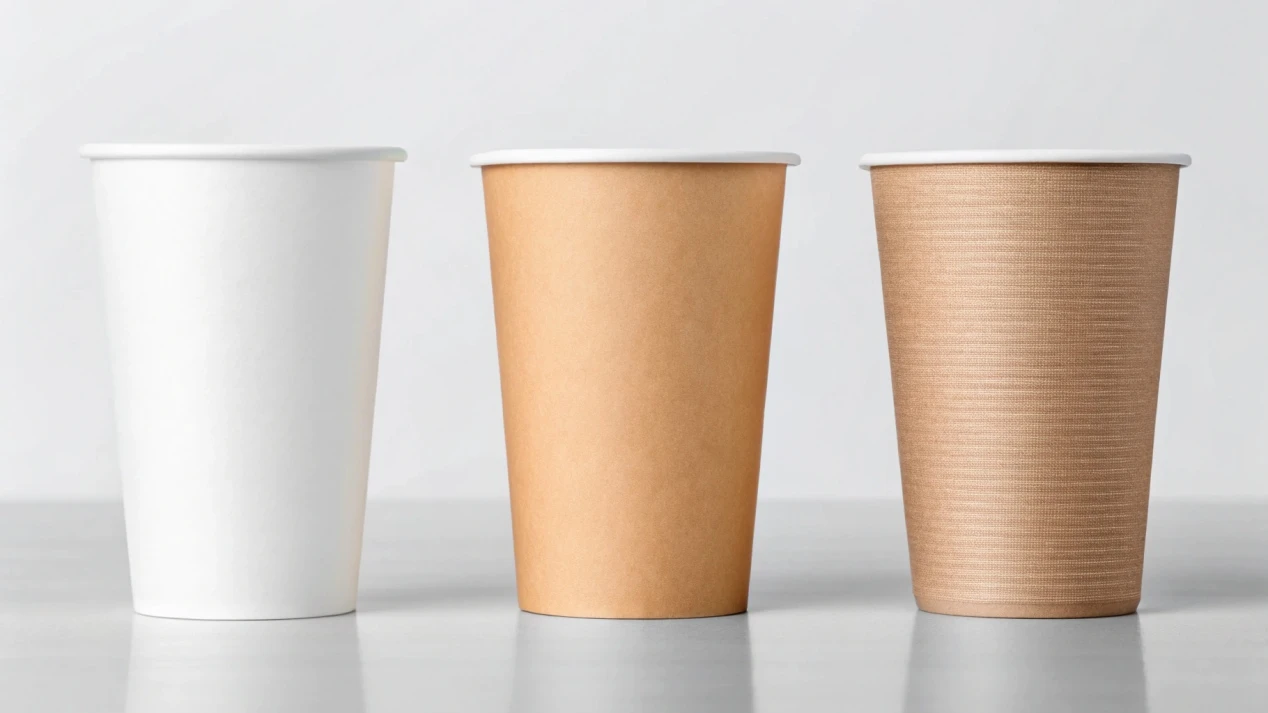
This isn't just about changing materials for the sake of it; it's a story of solving problems. Each new material was created to improve upon the last one, especially when it comes to performance and environmental impact.
### The Old Standard: PE-Lined Paper
For decades, the go-to material has been paperboard with a polyethylene (PE) plastic lining. It's a fantastic moisture barrier, keeping the ice cream frozen and the cup from getting soggy. But it has a huge environmental flaw: the plastic and paper are fused together, making it impossible for standard recycling facilities to separate them. Every one of these cups ends up in a landfill.
### The First Green Wave: PLA Lining
The first major eco-innovation was PLA (polylactic acid), a bioplastic made from plant starches like corn. It works just as well as PE but comes from a renewable source. Its main benefit is that it's commercially compostable. The catch? It needs the high-heat environment of an industrial composting facility to break down, which are not widely available. It was a good step, but not a complete solution.
### The Cutting Edge: Water-Based Coatings
This is where the future is headed. New water-based barrier coatings provide excellent moisture and grease resistance without using a separate plastic film. Cups with these coatings can be pulped in standard paper recycling systems, just like a cardboard box. This removes the biggest obstacle to recycling and is the solution we are most excited about at Haokelao.
| Material | What It Is | End-of-Life Reality |
|---|---|---|
| PE Lining | Petroleum-based plastic film | Landfill only |
| PLA Lining | Plant-based bioplastic film | Industrial composting only |
| Water-Based Coating | Integrated liquid barrier | Widely recyclable with paper |
How Are New Regulations Changing the Industry?
You keep hearing news about single-use plastic bans. You're worried that the cups you buy today will be illegal to use in six months, forcing you to waste your entire inventory.
Governments are aggressively banning single-use plastics and introducing "Extended Producer Responsibility" (EPR) laws. These policies make manufacturers financially responsible for their packaging waste, forcing a rapid industry-wide shift to compliant, easily-recyclable materials.
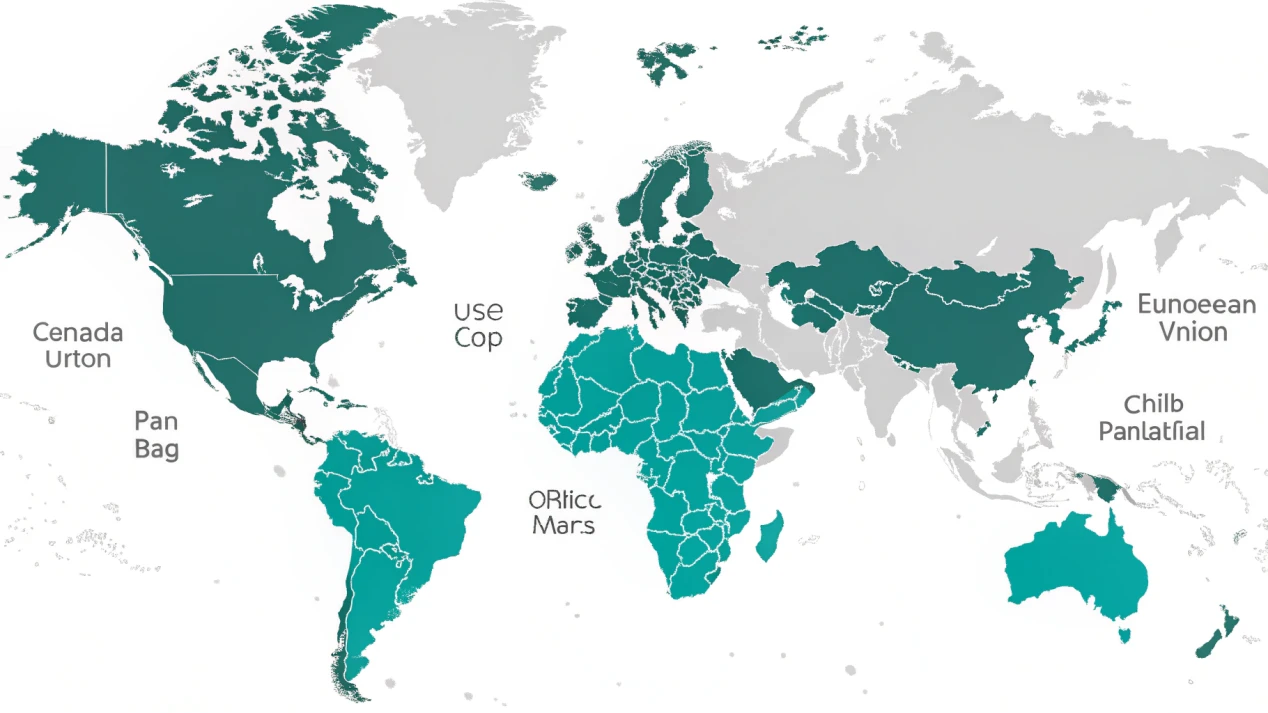
This isn't a distant problem anymore; it's happening right now and it's affecting businesses of all sizes. As a global exporter to over 80 countries, we at Haokelao are on the front lines, navigating these complex rules for our clients. The wave of regulation is undeniable and it's getting stronger.
### The End of Single-Use Plastics
The European Union's Single-Use Plastics Directive was a major turning point. It set a precedent that many other countries are now following. These laws directly target items that are common sources of litter, and plastic-lined cups are high on that list. For a business, this means your old PE-lined cup stock could become a liability overnight.
### EPR: A Game-Changing Policy
Extended Producer Responsibility (EPR) is an even bigger shift. In simple terms, it means the government charges the producer of the packaging (like us) a fee to cover the cost of collecting and recycling it. This creates a powerful financial incentive for us to design packaging that is cheap and easy to recycle. It punishes companies that create hard-to-recycle composite materials and rewards those who innovate with materials like water-based coatings. This is the policy that is truly accelerating the pace of green innovation in our industry.
What Do Today's Customers Actually Want?
You make amazing ice cream, but wonder if your packaging is sending the wrong message. In a world of social media, your cup is as much a part of the experience as the product itself.
Modern consumers, especially younger generations, actively seek out and support brands that demonstrate a real commitment to sustainability. They will choose-and even pay more for-a product in packaging that is visibly eco-friendly, recyclable, or plastic-free.
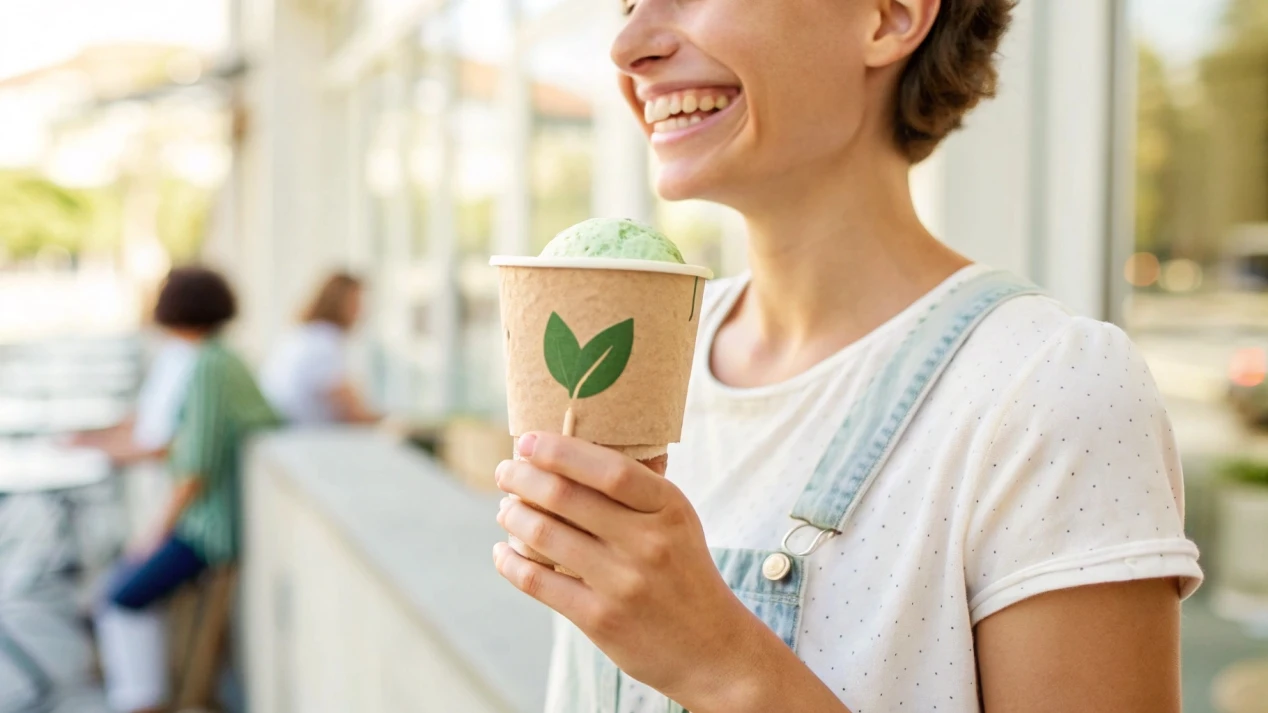
I work with hundreds of brands, from small startups to large chains. The most successful ones understand that their packaging is one of their most powerful marketing tools. It's the first physical thing your customer touches, and it tells a story about your brand's values before they even take the first bite.
### The "Instagrammable" Package
In the age of social media, presentation is everything. Customers love to share photos of their food. A cup with clear eco-credentials, made from natural-looking paper and printed with soy-based inks, looks far better online than a generic, glossy plastic-lined cup. It communicates quality, care, and responsibility-all core values that attract loyal customers.
### Transparency is Key
Consumers are smart. They can spot "greenwashing"-making false or misleading environmental claims-from a mile away. They want honesty. This means choosing packaging materials that are genuinely better for the environment and being transparent about it. Using a cup with a water-based coating and clearly stating "Plastic-Free and Recyclable" on the side is a powerful and honest message. It builds trust, which is the foundation of any great brand.
Why Does This Matter for an Export Business?
You have a successful local brand and now you're looking to sell your ice cream in other countries. You quickly realize that the cup that works in your home market is illegal in another.
Exporting demands a sophisticated packaging strategy. Each country has its own unique environmental laws, import standards, and consumer expectations. Using a globally certified supplier who understands these differences is critical for avoiding costly fines, customs rejections, and brand damage.
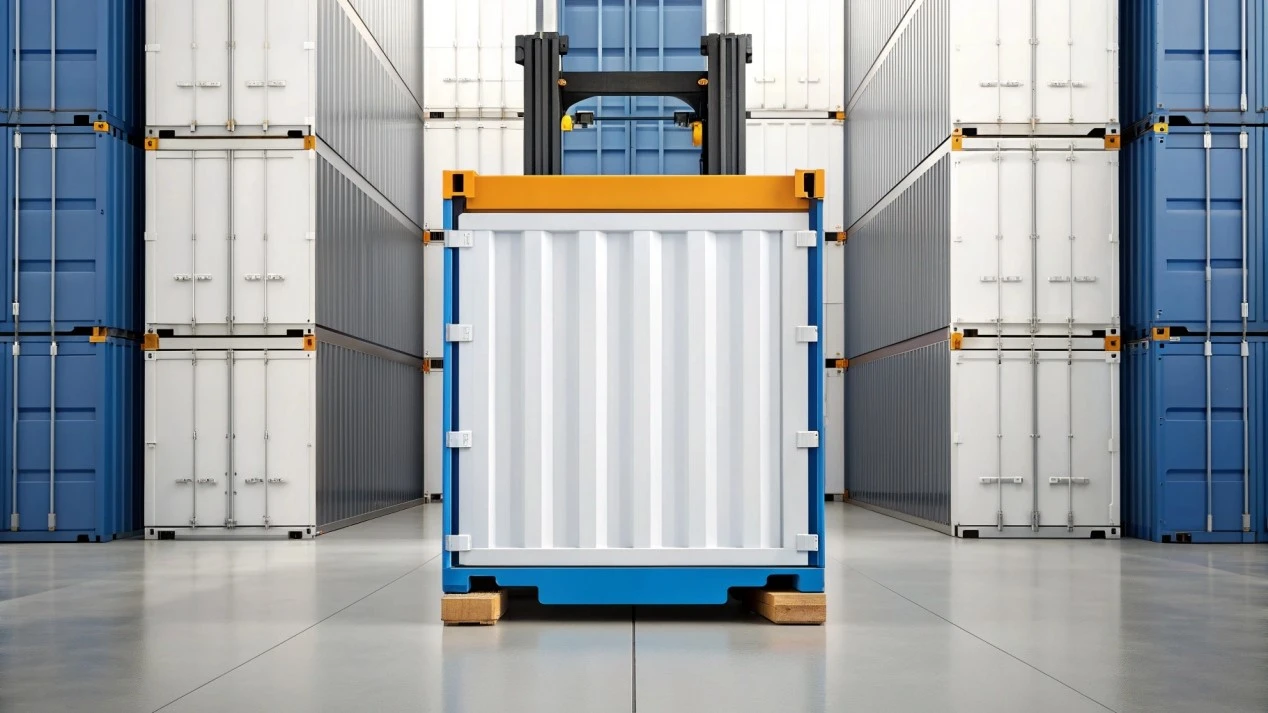
This is where our 21 years of experience shipping to over 80 countries becomes invaluable for our clients. Navigating the global market is incredibly complex. A simple mistake in material choice or labeling can get your entire shipment blocked at the border.
### A Maze of Regulations and Certifications
You cannot sell a food product in the United States without packaging that meets FDA (Food and Drug Administration) standards. In Europe, you need to comply with BRC (British Retail Consortium) standards for safety and quality. Different markets also have different rules about what can be claimed as "recyclable" or "compostable." You need a partner who not only holds these certifications but understands how to apply them to your specific product and target market.
### Cultural and Market Expectations
Beyond the laws, consumer preferences vary greatly. For example, German consumers are extremely focused on recycling and waste reduction, so a cup's recyclability is a major selling point. In other markets, the visual appeal and feel of the material might be more important. A successful export strategy requires packaging that is not just legally compliant, but also culturally resonant. This is the difference between simply shipping a product and building a successful international brand.
Conclusion
The path of the ice cream cup is a clear journey from environmental problems to innovative solutions. Your choice of packaging is a major statement about your brand's commitment to the future.


