

How Many Calories In a Cup Of Ice Cream? 2026 Cup-by-Cup Calorie Guide
Leave a message
To track how many calories customers consume from a single intake of ice cream, you need to know how many calories are in a cup of ice cream. This is because packaging specifications and ingredients vary. This guide breaks down the calories in a cup of ice cream.
How Many Calories Are in 1 Cup of Ice Cream?
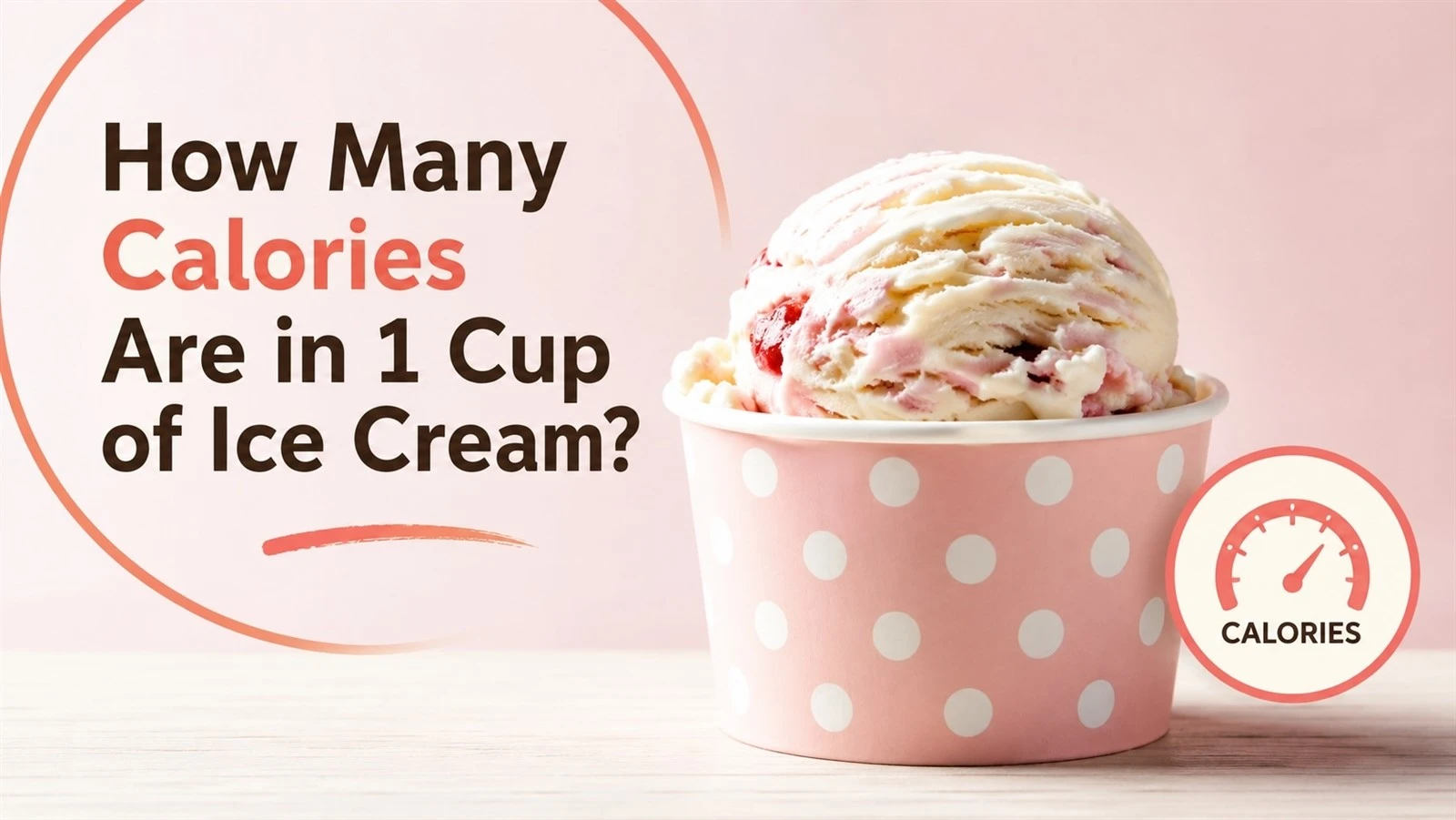
An ice cream cup typically contains 270–300 calories, though the exact count can vary by flavor, ingredients, brand, and type of ice cream. For example, USDA nutrition information indicates that a cup of vanilla ice cream provides approximately 289 calories. Meanwhile, other USDA data recorded that a 132-gram ice cream cup has about 273 calories.
The difference is because 1 cup measures volume, not weight. This tells you that ice creams filled in different cups can contain different amounts of fat, sugar, air, and other ingredients. You also need to always check the serving size recommended on the packaging.
In most cases, you will find ⅔ cup as the reference in most ice cream nutrition labels rather than a full cup. Therefore, if you want to know how many calories are in a specific ice cream cup, check its nutrition facts label and compare the listed serving size with the actual amount that you have.
How Many Calories in 1 Cup of Ice Cream by Flavor?
The flavor in 1 cup of ice cream can vary significantly. This is because the flavor in Ice cream calories density changes due to ingredients such as chocolate, fruit, nuts, cookies, and caramel. For instance, the USDA-based data states that vanilla ice cream is about 273–289 calories per cup, while a chocolate-and-vanilla variety is listed at about 298 calories per cup.
|
Ice Cream Flavor |
Approx. Calories per 1 Cup |
|
Vanilla |
270–290 |
|
Chocolate |
280–300 |
|
Strawberry |
250–280 |
|
Neapolitan |
260–300 |
|
Mint chocolate chip |
260–580+* |
|
Cookies and cream |
300–400+* |
How Many Calories Are in Different Types of Ice Cream?
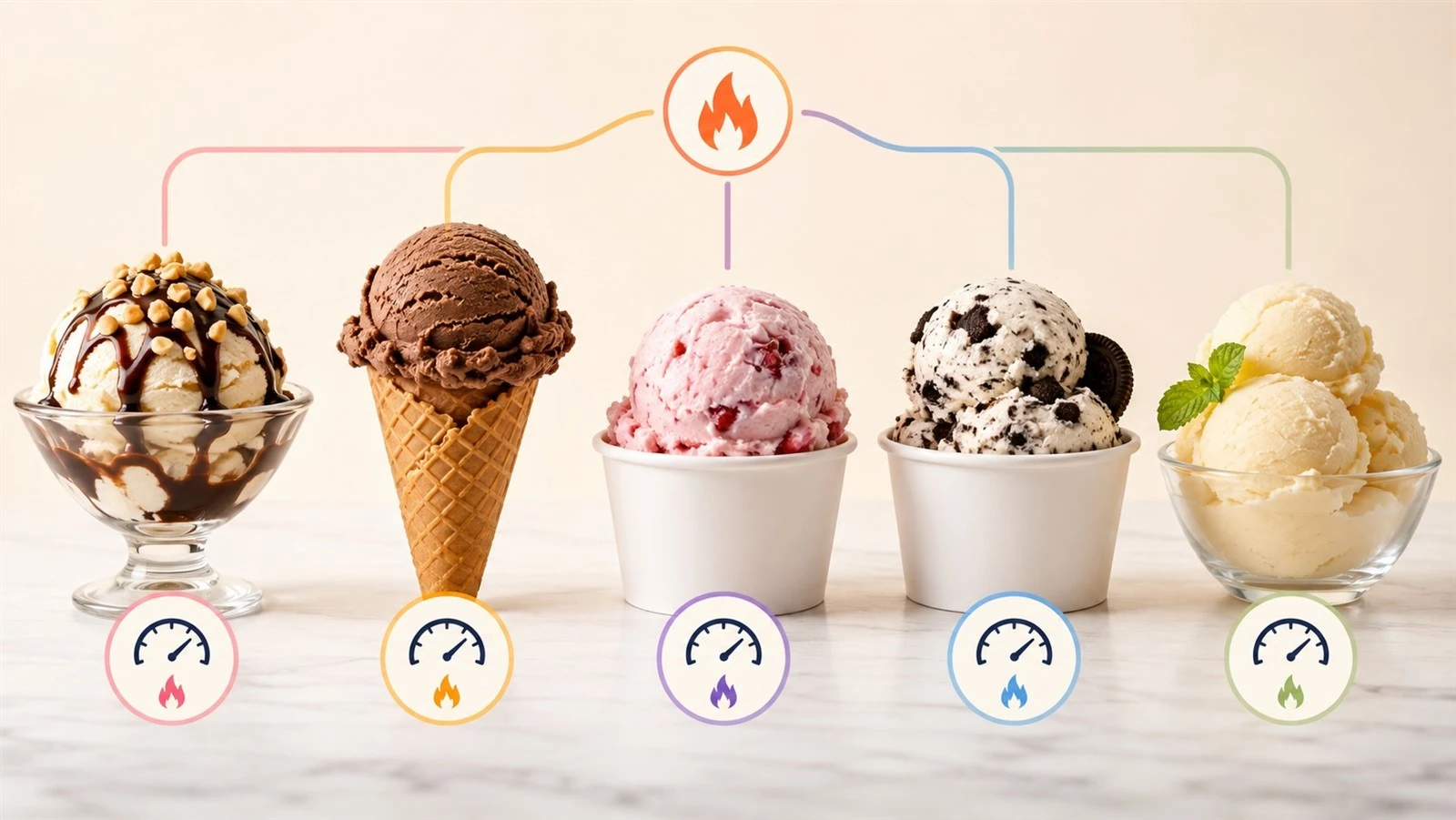
The type of frozen dessert, ingredients, and weight determine the number of calories in a cup. You will find more calories per 100 g in regular and rich ice creams compared to gelato, frozen yogurt, and sorbet due to varying recipes.
The subsequent paragraph explains the types of ice cream and the calories in them.
Regular Ice Cream
Based on USDA nutrition data, there are about 207 calories per 100 g in a regular vanilla ice cream. Regular vanilla ice cream also has about 11 g of fat and 23.6 g of carbohydrates per 100 g. Meanwhile, the flavor and formulation can change the calorie count. The calorie content in chocolate, cookie, nut, and caramel ice cream can also change if you include additional ingredients.
Premium Ice Cream
Premium or rich ice cream consists of more calories compared to standard ice cream. According to a USDA-based entry, premium vanilla ice cream consists of 249 calories per 100 g, while standard vanilla has 207 calories per 100 g. This means there's no specific calorie number assigned to premium ice cream. The final calorie count is determined by its weight, fat content, sugar, and mix-ins.
Light Ice Cream
Light ice cream consists of fewer calories compared to regular ice cream. According to USDA-based data, light vanilla ice cream has about 180 calories per 100 g. However, the word "light" does not mean there is a specific amount of calorie content for all ice cream of this type. In fact, FDA regulations state that "light" or "lite" all have specific requirements such as reduced calories or fat relative to an appropriate reference food.
Gelato
You cannot use a single calorie figure per cup to compare gelato to ice cream. The calorie content in a gelato depends on the milk, cream, sugar, flavorings, and other ingredients used in the recipe. Its density also matters; the weight of a cup of gelato may be different from that of ice cream. Therefore, you may get a misleading impression of their calorie differences if you compare them strictly by volume. For a specific gelato, you will get better comparison data from the nutrition label and serving weight.
Frozen Yogurt
Frozen yogurt does not have a universal calorie value for a cup, but they have fewer calories compared to some ice creams. The calorie content is determined by the amount of milk fat, added sugar, flavorings, and other ingredients you add. Meanwhile, you will find more calories in plain and other types of yogurt that contain fruit, chocolate, cookies, or other additions.
Sorbet
Sorbet is different from traditional ice cream. This is because sorbet has no cream or milk as an ingredient. Its calories mainly come from ingredients such as sugar and carbohydrates. Therefore, sorbet cannot automatically be low in calories even if you remove dairy fat. The fruit, sugar, and the actual recipe you add determine how much calorie content it has. This means you can have different nutrition value for two sorbets prepared differently.
Why Do Different Ice Creams Have Varying Calories?
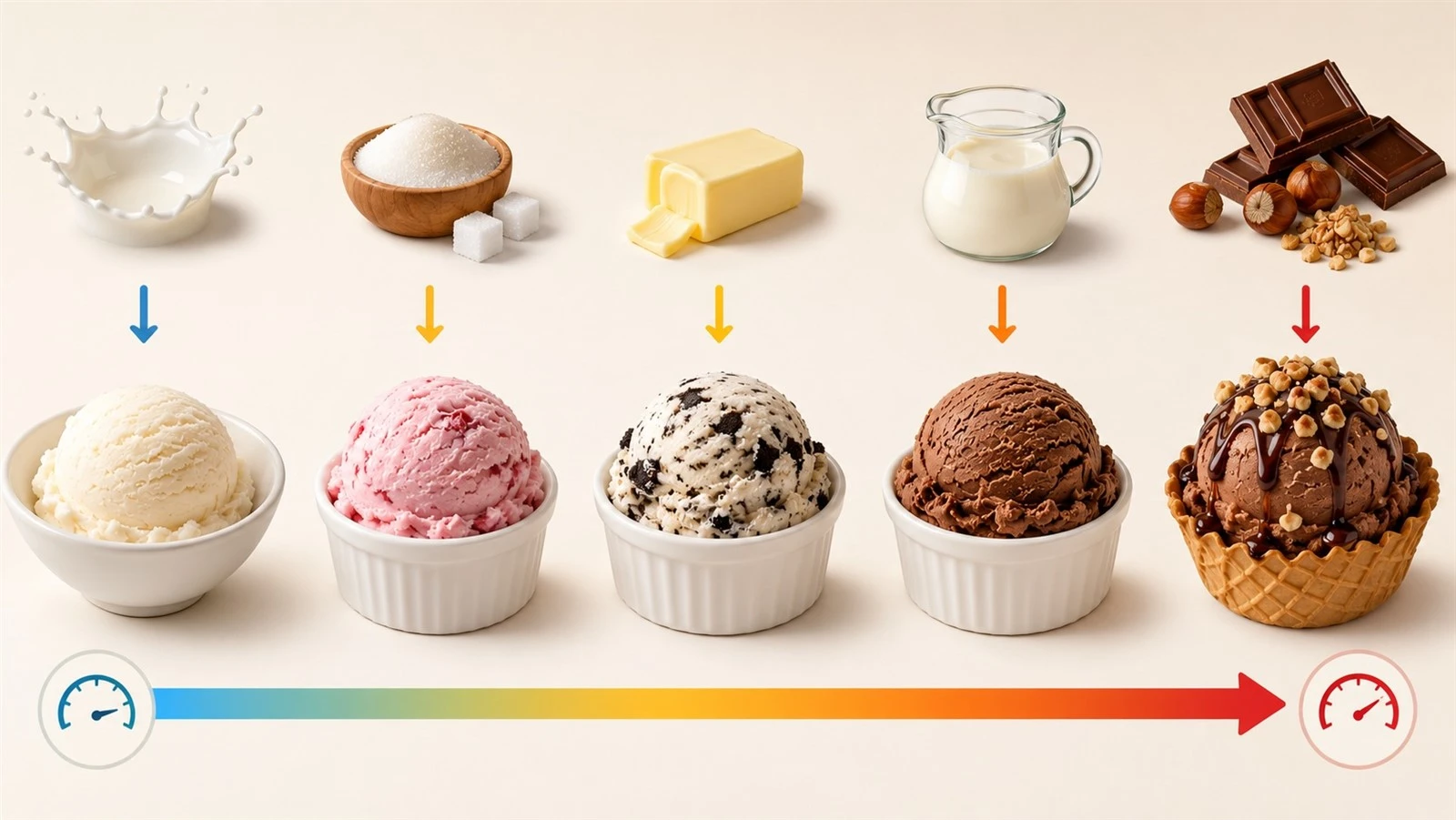
Different ice creams can have varying calories even when they have a similar look or occupy the same volume. The list below shows the reasons there are differences in ice cream calories:
Fat Content: Fat is a major source of calories in ice cream. You will find more calories in ice creams made with more milk fat or cream compared to the ones with reduced-fat varieties. Research shows that there is around 10–12% fat in standard ice creams, while there is 12–15% or more in premium ice cream.
Added Sugar: Sugar is an important ingredient in ice cream for sweetness and texture, but it also contributes calories. For instance, you will need varying amounts and combinations of sweeteners such as sucrose and glucose-based sweeteners when you are preparing different recipes.
Mix-ins and Toppings: The calorie content of your ice cream can easily be affected by mix-ins and toppings such as chocolate pieces, cookies, nuts, caramel, and fudge. The effect of these additions depends on the type and quantity you add when preparing your ice cream.
Milk and Cream Content: Your ice cream calories are also based on the proportion of milk, cream, and other dairy ingredients you add. Adding more milk fat while using different ingredients means there will be different amounts of fat, protein, carbohydrates, and the total calories in your ice cream.
Serving Weight: A cup measures volume, not weight. This means you can have different amounts of calories between two cups. You will find it easier to compare the nutritional information when you consider the grams per serving as well as the volume.
Air Incorporated During Production (overrun): The whipping of ice cream during freezing incorporates air into the mixture. This is called overrun. The higher the overrun, the more air occupies part of the product's volume. This makes the density of your ice cream lower.
Brand Formulation: You can decide to use your own combinations of milk, cream, sweetness, stabilizer, flavourings, and other ingredients as a brand. According to research, there is a substantial difference in the composition, density, air content, and other structural properties among ice creams. This tells you that there can be a different calorie count between two brands selling the same flavour of ice cream.
Ice Cream Style: Your ice cream formulation style can also determine how much calorie is present. Remember, there are different ways you can formulate regular, premium, light, and other types of ice creams. For instance, you require more fat and less overrun to make premium ice creams compared to other standard ice creams like frozen yogurt, sorbet, etc.
How Many Calories Does a Cup of Ice Cream With Toppings Contain?
The calories in a cup of ice cream with toppings are considerably higher than in plain ice cream; however, there's no specific calorie total. The actual amount of calories in each ice cream depends on the base ice cream, the type of topping, and the quantity you add. Meanwhile, the table below shows how many calories each cup of ice cream with toppings can have.
|
Topping |
Typical Serving |
Approx. Calories Added |
Calories With 1 Cup Plain Ice Cream |
|
Chocolate syrup |
2 tbsp |
100–110 |
367–377 |
|
Caramel sauce |
2 tbsp |
100–120 |
367–387 |
|
Sprinkles |
2 tbsp |
30–60 |
297–327 |
|
Whipped cream |
3–4 tbsp |
25–40 |
292–307 |
|
Chopped nuts |
1 tbsp |
45–60 |
312–327 |
|
Cookie pieces |
2 tbsp |
70–90 |
337–357 |
|
Candy pieces |
2 tbsp |
50–100+ |
317–367+ |
How Many Calories Are in 1 Cup of Ice Cream Compared With Other Desserts?
The calories in 1 cup of ice cream are relatively high compared to many individual dessert servings. However, the portion size and recipe determine which has more calories between 1 cup of ice cream and other desserts. The table below explains more:
|
Dessert |
Typical Serving Used for Comparison |
Approx. Calories |
|
Ice Cream, Chocolate |
1 cup |
292 |
|
Chocolate Cake |
1 slice |
157 |
|
Pumpkin Pie |
5 oz slice |
400 |
|
Lemon Cheesecake |
1/8 of cake |
79 |
|
Light Vanilla Ice Cream |
100 g |
180 |
|
Regular Vanilla Ice Cream |
100 g |
207 |
|
Rich Vanilla Ice Cream |
100 g |
249 |
How To Choose The Cup Of Ice Cream With The Right Calories?

To choose a cup of ice cream with the right calories, you need to first understand the serving size, ingredients, and the overall nutrition rather than relying on the flavor or product name alone.
The list below shows the key factors to consider when you are choosing a cup of ice cream:
Check the Serving Size: First confirm if the listed calories apply to ½ cup, ⅔ cup, or another amount. This will help you determine how many calories a full cup has.
Compare Calories by Weight: Always check the calories per serving and corresponding grams when you are comparing brands. This is necessary because two products can have the same volume but weigh differently due to varying density and incorporated air.
Review the Fat Content: If you aim to choose ice cream with high calorie content, always compare the total fat on the nutrition label. Remember, there is more calorie content in ice creams with higher milk-fat or cream content.
Check Added Sugars: Don't just judge the sweetness of the ice cream by flavor alone; always look at the amount of added sugar. You may find more sugar in products like sauces, candy, cookies, or other sweet ingredients.
Consider Mix-ins: Chocolate pieces, nuts, cookie chunks, caramel, and similar additions can increase the calories of an otherwise comparable ice cream. Therefore, always check whether the calorie information on the ice cream includes these ingredients.
Compare Similar Products: Use the same serving size or weight to compare products when you're choosing between ice creams. You can have wrong information if you compare one product per ½ cup with another per cup.
Choose According to Your Needs: There is no universally "right" calorie amount for a cup of ice cream. Therefore, always choose based on your usual portion and dietary preferences.
FAQs
How Can You Calculate the Calories in Your Ice Cream?
You can calculate the calories in your ice cream by comparing the amount you eat with the serving size and calories listed on the package. This will give you a more accurate result rather than assuming every cup contains the same number of calories because ice cream varies in density, ingredients, and formulation.
Does Homemade Ice Cream Have More Calories Than Store-bought Ice Cream?
No. Because you make homemade ice cream does not automatically mean it has more or fewer calories than store-bought ice cream. Whether your homemade ice cream has more or less calories depends entirely on your recipe.
Does The Temperature Of Ice Cream Affect Its Calorie Content?
No, temperature cannot change the calorie content of ice cream. This is because a calorie measures heat energy. Temperature can only affect how the taste of the ice cream feels in your mouth.
How Many Calories Are In a Scoop Of Ice Cream?
A standard single scoop (about 70 grams) of vanilla ice cream has about 135 to 150 calories. Meanwhile, the number of calories can change due to factors such as the brand, the fat level, and the flavor.
Does The Cone Add Calories to a Serving Of Ice Cream?
Yes, the cone of an ice cream adds extra calories to your ice cream. A standard cone can add around 15 to 30 calories. Meanwhile, a larger or chocolate-lined waffle cone can add around 80 to 100 calories.
Are The Calories In Ice Cream Affected By How Long It's Stored?
No, the total number of calories in ice cream cannot change when you store it for a long time.
What Is The Healthiest Ice Cream Option?
The healthiest ice cream option is homemade banana "nice cream" or a whole-food fruit sorbet. This is because they're fat-free, contain zero added sugars, and provide natural vitamins.
Conclusion
You will make more informed decisions about how many calories you consume by knowing the specific calories in a cup of ice cream. However, if you want a reliable ice cream cup supplier that will cater to all your ice cream packaging needs, contact us today to explore our varieties of food packaging solutions.


