The Ultimate Starbucks Cup Sizes & Packaging Guide for Your Business
Leave a message
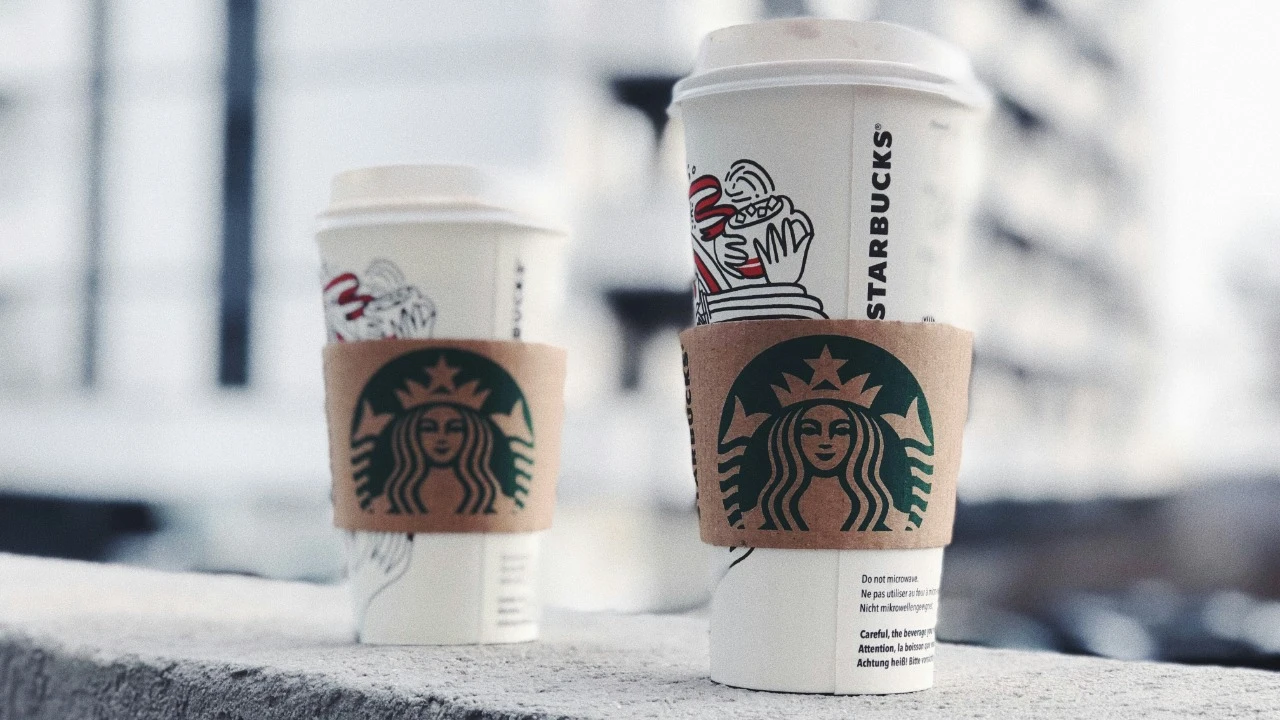
If there's one thing Starbucks has completely nailed, it's their cup sizes. What looks like a simple choice between Tall, Grande, and Venti is actually a strategic business decision. Today, we'll take a look at each size, why they work, and how you can apply their strategies to your business.
What are the Different Starbucks Cup Sizes?
Starbucks designed each cup size while keeping a specific drink in mind. You can use the table below to compare the specs of each cup and see what it's best used for.
|
Cup Size |
Volume |
Temp |
Espresso Shots |
Standard Rim / Material |
Best Used For |
|
Demi |
3 oz (89 ml) |
Hot |
1 Shot |
62 mm Paper |
Pure espresso Macchiatos |
|
Short |
8 oz (236 ml) |
Hot |
1 Shot |
80 mm Paper |
Cortados Cappuccino Kids' drinks |
|
Tall |
12 oz (354 ml) |
Hot / Cold |
1 Shot |
90 mm Paper / 98 mm PET |
Small lattes Drip coffee and teas |
|
Grande |
16 oz (473 ml) |
Hot / Cold |
2 Shots |
90 mm Paper / 98 mm PET |
Medium lattes Iced coffees Frappés |
|
Venti Hot |
20 oz (591 ml) |
Hot |
2 Shots |
90 mm Paper |
Large hot specialty coffees & teas |
|
Venti Cold |
24 oz (709 ml) |
Cold |
3 Shots |
98 mm PET Plastic |
Large iced lattes Cold brews Refreshers |
|
Trenta |
30 oz (887 ml) |
Cold |
0 (No Espresso) |
98 mm Heavy PET |
Extra-large cold brew Iced teas Refreshers |

If you want reusable travel cups instead of disposable takeaway options, you can check out our guide on Starbucks tumbler sizes.
The Strategy Behind Starbuck's cup sizes
Understanding the different cup sizes that you get is only half of it. You also need to know why Starbucks designed each cup the way that they did. They designed each detail like the rim width, cup weight, and shape for a specific purpose:
Demi (Demitasse) – 3 oz (89 ml): This cup is built with a narrow base. This is to trap the heat and preserve the delicate creamy layer on the 1–2 oz espresso shots. Putting espresso in a larger 8 oz cup makes it go cold quicker because of all the extra space. It will also affect the flavor.
Short – 8 oz (236 ml): It's built short to slide right under the espresso spouts without knocking into the machine. The wide top helps to spread the milk foam out evenly, making every cappuccino look great and taste balanced.
Tall – 12 oz (354 ml): This serves as the standard small size across the coffee world. It gives you the perfect balance of milk and espresso for a classic single-shot drink.
Grande – 16 oz (473 ml): The cup is taller and deeper, so it comfortably holds two espresso shots. There is still plenty of room for extra milk, syrup, or ice without spilling.
Venti Hot – 20 oz (591 ml): This size is designed for long commutes and heavy coffee drinkers. It securely holds larger volumes of specialty coffees without feeling too bulky in the customers' hand.
Venti Cold – 24 oz (709 ml): It is especially designed to hold a third espresso shot and plenty of milk or water. Customers then have a massive drink that stays balanced.
The Trenta – 30 oz (887 ml): It's made from thick, sturdy plastic which helps it to handle the weight of a 30 oz drink. The extra strength also stops the plastic cup from crushing or bending when it's filled with ice.

Packaging Mechanics: Sizing, Dimensions, and Capacity Rules
Choosing the right cup lineup goes far beyond just looking at the cup size. To keep your operation running smoothly, you need to understand how physical measurements, rim fits, and liquid capacities work.
Rim Diameters & Lid Standardization
Top rim width is the single most important dimension to eliminate waste in your packaging process. Starbucks keeps operations fast by standardizing their cup tops. Almost every one of their hot drinks uses a 90 mm rim. And their clear cold cups stick to a universal 98 mm rim. When two cups share the exact same rim width, they will use the same lid.
Always ask your supplier for exact rim millimeter measurements alongside fluid capacity on every quote. When you match your rim sizes across volumes it will cut your active lid inventory in half and lower shipping costs. It will also keep baristas from scrambling during peak hours.
Filled Capacity vs. Brim Capacity
When ordering your cups in bulk, always base your drink recipes on filled capacity rather than brim capacity. Brim capacity means the liquid is filled to the absolute top edge of the cup. And no barista will be able to serve this level without causing spills or burns.
The gap between brim capacity and actual usable volume is usually an ounce or more. So if a supplier sells you a "16 oz brim" cup, you're really only getting 14 or 15 ounces. If you base your recipes on brim capacity, your coffee-to-milk ratios get messed up. And even worse your customers will get disappointed because they end up with smaller drinks than they paid for.
Base Size & Car Cup Holders
Most car cup holders are only 2.75 to 3 inches wide. Big cups like a 20 oz hot or 24 oz cold have to taper down at the bottom. This way they can actually fit in a car. If a large cup has a wide, straight bottom, your customers won't be able to put it in their cup holder. And nobody wants a giant cup rolling around their car spilling coffee.

Cold vs. Hot Capacity Upsizing
Never just assume that a cold drink will use the exact same cup size as a hot one. Because ice takes up so much room, cold cups need to be sized at least one step bigger. This is to deliver the same amount of liquid. A recipe built for a 16 oz hot latte needs a 24 oz cold cup once you add ice. Bumping your cold cup sizes up keeps baristas from overfilling cups or skimping on drink portions.
How You Can Apply Starbucks' Strategies to Your Business
The biggest mistake you can make is assuming you need to copy all of Starbucks' sizes above for your own operation. Buying extra sizes creates unnecessary headaches. It ties up your cash flow, and leaves you with dead stock sitting around damaged or dusty. Before placing a packaging order, review your actual sales and then use these simple rules to keep things running smoothly.
For Brand Owners : Stick to a Simple 3-Size Lineup
Most independent cafes will only need three main sizes (such as 12 oz, 16 oz, and 20 oz). When you set a 16 oz option as your standard option, it will keep your sales steady. It will also bring in high profits on extra milk and syrups.
Keeping smaller options like the 3 oz Demi for example, off your menu board gives you the best of both worlds. You can still serve coffee purists or run quick espresso samples without lowering your average sale price.
For Procurement Managers: Standardize SKUs
Instead of buying unique lids for every cup, stick to a standardized lid system like mentioned above. By ordering fewer total items it lets you buy in larger bulk and lowers your shipping costs. It also keeps reordering super easy for you.
Just a quick note: When ordering paper hot cups, stick to standard PE linings for reliable budget protection. You can also choose plant-based PLA coatings if your local city laws mandate compostable packaging.
Want to know more about PLA? Read here.
For Warehouse Managers: Protect Storage & Cash Flow
Huge cups like a 30 oz size take up a lot of physical box space. Sticking to your core cup lineup keeps carton dimensions uniform. This makes pallet stacking, container packing, and floor management so much easier.
For Baristas & Operations: Keep in mind Ice & Rush Workflow
Cold drinks make great money, but managing rush-hour speed is the important part. Having dedicated cold cup sizes gives your baristas enough room to pour fast. It also keeps the drink recipes consistent, and delivers full value without slowing down the line.
Frequently Asked Questions
Do You Need Different Cardboard Sleeve Sizes for 12, 16, and 20 oz Hot Cups?
Nope, you only need one. This is because these sizes have the same top rim width and tapered shape. So the cardboard sleeve can easily just slide onto all three sizes. However, if you want to make operations smoother for baristas during a rush, you can switch to double-wall hot cups. It will eliminate the need for separate sleeves entirely.

Why Don't Iced Drinks Come in the 8 oz Short Size?
An 8 oz cup will only have a few sips of liquid if you fill it with ice. Skipping the 8 oz size for cold drinks keeps customers from feeling cheated on liquid volume. It also saves baristas from trying to blend or pour micro-sized iced drinks.
Does Custom Printing Require Different Setup Fees for Every Cup Size?
Usually yes. Even if your cups share the same top rim diameter, their height and tapered angles might be different. Print suppliers need unique print plates for each cup size. So sticking to a 3-size lineup keeps your initial custom print setup costs much lower.
Which Cup Sizes Work Best for Food Delivery Orders?
The 12oz and 16oz cup sizes will be safest options during delivery. This is because they have lower liquid weight which makes them less likely to fall over or leak in transit. But if you offer the bigger sizes as delivery options, just make sure to use a splash-proof plug lid. A tight-fitting delivery bag will also help with the extra weight and movement.
Why Are Printed Measurement Lines Helpful on Clear Cold Cups?
It helps baristas pour the exact amounts of milk, syrup, or liquid bases before adding ice. This removes the need for using or getting extra measuring jugs. It also speeds up drink preparations and ensures that the taste of your drinks stays consistent with every size.
Final Thoughts: Finding the Right Cup Sizes For your Business
What works for Starbucks isn't magic. It's just smart planning that keeps your costs down, your storage organized, and your staff moving fast during a rush. When you're ready to pick the right cups for your business, Amity supplies durable paper and PET options. Get in contact with us today.