The Truth About Biodegradability: Are Kraft Paper Bowls Truly Eco-Friendly?
Leave a message
The Truth About "Biodegradability": Are Kraft Paper Bowls Truly Eco-Friendly?
Are you confused by all the "eco-friendly" labels, wondering if kraft paper bowls are genuinely good for the planet? Many claims about biodegradability often feel vague, leaving you skeptical about their real environmental impact.
Yes, kraft paper bowls are truly eco-friendly because their lifecycle, from renewable raw materials with a lower initial carbon footprint to their potential for circular regeneration, minimizes environmental harm. Modern production processes are greener, and innovative coatings allow safe food contact. When properly managed, they offer superior biodegradability and compostability, making them a sustainable choice.

My "20+ years of experience" in "disposable paper product manufacturing" have shown me the deep complexities behind claims of "eco-friendliness." At Amity Packaging, we are "more than a manufacturer"; we are "promoters and enablers" committed to demystifying these truths. We believe "everyone who uses paper cups and bowls" should "truly understand paper packaging." Let's dive into the core components that explain why kraft paper bowls are, indeed, a genuine step towards a more sustainable future.
Raw Material Advantage: Does a Lower Initial Carbon Footprint Come from Renewable Resources?
Do you ever wonder if the benefits of paper are outweighed by the environmental cost of making it? You might think using trees cannot be sustainable.
Yes, a lower initial carbon footprint absolutely comes from renewable resources for kraft paper bowls. Unlike plastics derived from finite fossil fuels, kraft paper originates from responsibly managed forests. These trees absorb carbon dioxide as they grow, offsetting some emissions and making the raw material inherently more sustainable, aligning with our "eco-driven mindset."
"Raw Material Advantage: Does a Lower Initial Carbon Footprint Come from Renewable Resources?" This is the very first step in understanding the eco-friendliness of our products. From my "15 years in disposable packaging manufacturing," I have learned that the beginning of a product's life cycle is as important as its end. Jonh, our expert, always emphasizes "raw material selection." Our commitment at Amity is to ensure that our paper bowls start with the best possible foundation: materials that support our planet's health, aligning with our mission to be a responsible industry partner.
The Foundational Green Choice
The environmental impact of any product begins with its raw materials. For kraft paper bowls, this starting point offers a significant "Raw Material Advantage" rooted in sustainability. This choice of a "renewable resource" directly contributes to a "lower initial carbon footprint," setting it apart from its fossil-fuel-based counterparts. Our "sourcing renewable paper from responsibly managed forests" is a cornerstone of this commitment.
From Forest to Fiber: A Sustainable Cycle
Renewable Source: Unlike plastics, which rely on petrochemicals drawn from finite crude oil reserves, kraft paper comes from trees. Trees are a naturally regenerating resource. When forests are managed sustainably, trees can be harvested and replanted in a continuous cycle. This means the raw material supply is effectively inexhaustible, provided good forestry practices are followed. This stands in stark contrast to the depletion of fossil fuels.
Carbon Sequestration: As trees grow, they absorb carbon dioxide (CO2) from the atmosphere through photosynthesis. This process, known as carbon sequestration, locks carbon within the tree's biomass. When wood is harvested and converted into paper products, a significant portion of that carbon can remain stored within the product, rather than being released back into the atmosphere immediately. This inherent ability to capture carbon contributes directly to mitigating greenhouse gas emissions, supporting "dual carbon" goals.
Responsible Forest Management (FSC-Certified): The key to true sustainability is not just using trees but managing the forests responsibly. At Amity Packaging, we prioritize "FSC-certified suppliers." The Forest Stewardship Council (FSC) is an international non-profit organization that promotes responsible management of the world's forests. This certification ensures that wood pulp comes from forests that are managed in ways that are environmentally appropriate, socially beneficial, and economically viable. This includes protecting biodiversity, ensuring replantation, and respecting indigenous peoples' rights. It moves beyond just "greenwashing" to verifiable, ethical sourcing.
Reduced Extraction Impact: Extracting fossil fuels often involves environmentally destructive processes like drilling, fracking, and mining, which can devastate ecosystems. Harvesting timber from managed forests, when done correctly, can be far less impactful, with strong regulations often in place to protect soil, water, and wildlife.
| Raw Material Aspect | Kraft Paper Bowls (Renewable) | Traditional Plastic Bowls (Non-Renewable) | Environmental Impact Differential |
|---|---|---|---|
| Source | Trees (renewable biological resource) | Crude Oil/Natural Gas (finite fossil resource) | Replenishable vs. depletable |
| Carbon Sequestration | Actively absorbs CO2 during growth | Releases CO2 during extraction/processing | Carbon negative (growth) vs. Carbon positive (extraction) |
| Certifications | FSC-certified for responsible management | Often lacking equivalent sustainable sourcing certs | Verifiable sustainability vs. general industrial sourcing |
| Extraction Impact | Controlled harvesting (when managed well) | Potential for significant ecosystem disruption | Lower direct environmental disturbance |
By focusing on this "Raw Material Advantage," we confidently assert that kraft paper bowls start with a significantly "Lower Initial Carbon Footprint" due to their origin from "Renewable Resources." This fundamental choice is a powerful and verifiable step towards being truly eco-friendly.
Production Process: Do Technological Innovations Drive Greener Processing?
You might think paper manufacturing is a dirty, resource-intensive process of the past. Are modern mills truly different?
Yes, technological innovations significantly drive greener processing in kraft paper tableware production. Modern mills have dramatically reduced energy and water consumption, minimized chemical use, and implemented sophisticated waste treatment systems. These advancements ensure a far more eco-efficient manufacturing footprint compared to historical practices, reducing environmental impacts while improving quality.
"Production Process: Do Technological Innovations Drive Greener Processing?" This question highlights a common misconception. Gone are the days of polluting, old-fashioned paper mills. My "experience: 15 years in disposable packaging manufacturing" has shown me the incredible advancements. Jonh constantly keeps "up with the latest innovations in eco-friendly materials, manufacturing processes, and equipment to improve quality and reduce production costs." At Amity, "we are promoters and enablers" of these greener processes, ensuring our paper bowls are not just sourced sustainably but also manufactured with minimal environmental impact.
Modernizing for Minimal Impact
The journey of kraft paper from raw fiber to a finished bowl involves a "Production Process" that has seen tremendous transformation. Thanks to continuous "Technological Innovation," this process is increasingly "Greener Processing," moving away from the heavy environmental footprint of the past towards highly efficient and responsible manufacturing.
The Era of Eco-Efficient Manufacturing:
Reduced Energy Consumption: Modern paper mills are far more energy-efficient than their predecessors. They employ advanced technologies such as combined heat and power (CHP) systems, which recover waste heat to generate electricity, significantly reducing the demand for external energy. The industry has also invested heavily in energy-saving machinery and process optimization. Our "optimizing production to reduce energy consumption" is a direct application of these innovations.
Renewable Energy Sources: Many paper mills, especially integrated pulp and paper facilities, generate a significant portion of their energy from biomass. This biomass often comes from wood waste generated during the pulping process. Burning this renewable fuel (carbon neutral, as the carbon released was recently absorbed by the tree) displaces fossil fuels, lowering the overall carbon footprint of the manufacturing process.
Water Management and Wastewater Treatment: Water is essential in paper making. However, modern mills have implemented advanced closed-loop systems to recycle and reuse water multiple times, drastically reducing fresh water intake. Furthermore, sophisticated multi-stage wastewater treatment plants ensure that any discharged water meets stringent environmental standards, removing pollutants before it re-enters natural water bodies. This protects local ecosystems and water quality.
Minimizing Chemical Use: The kraft process itself is quite efficient and allows for the recovery and reuse of many chemicals. Advances in pulping and bleaching (for lighter shades of kraft, if desired) have also led to the development of elemental chlorine-free (ECF) or totally chlorine-free (TCF) bleaching methods, significantly reducing the release of harmful organochlorine compounds into the environment. This represents a rigorous approach to environmental stewardship in manufacturing.
Waste Reduction and By-product Utilization: Modern paper mills strive for minimal waste. Wood waste is often used for biomass energy. Spent pulping liquors are processed to recover chemicals and can also generate energy. Even sludge from wastewater treatment can sometimes be used in other applications or safely disposed of. This circular approach within the mill helps to close the loop on production waste.
| Production Aspect | Traditional Paper Mill Concerns | Modern Kraft Paper Mill Innovations | Net Environmental Benefit |
|---|---|---|---|
| Energy Use | High fossil fuel dependency | CHP systems, biomass energy, efficient machinery | Reduced carbon emissions |
| Water Use | Significant freshwater intake, pollution | Closed-loop systems, advanced wastewater treatment | Reduced water consumption, cleaner discharge |
| Chemicals | Chlorine bleaching, high chemical loads | ECF/TCF bleaching, chemical recovery/reuse | Minimized hazardous chemical release |
| Waste Management | Landfilling of by-products | By-product utilization (biomass fuel), waste recycling | Reduced landfill burden, resource recovery |
| Process Control | Less precise, higher variability | Automation, real-time monitoring, optimized processes | Greater efficiency, consistent quality |
Through these "Technological Innovations," the "Production Process" for kraft paper tableware is continually becoming greener. This ensures that the journey from tree to bowl is driven by efficiency and responsibility, truly "Upgrading" the product experience to be more eco-conscious.
User Experience: Do Kraft Paper Bowls Offer Safe Contact and Positive Consumer Perception?
Do you worry about what chemicals might be in disposable food packaging, even paper? Safety and how consumers feel about a product are critical.
Yes, kraft paper bowls offer safe contact and foster positive consumer perception. Manufacturers prioritize food-grade certifications and are rapidly adopting "PFAS-free" coatings to ensure direct contact with food is safe. The natural, sturdy feel of kraft paper also elevates the user experience, enhancing a brand's image and trust with health-conscious consumers.
"User Experience: Do Kraft Paper Bowls Offer Safe Contact and Positive Consumer Perception?" This is a crucial question, especially for health-food entrepreneurs and mindful consumers. As "Amity Packaging," we understand that our "Strict Quality Control" is not just about strength; it is also about safety. Jonh's expertise in "material & structure consultation" focuses on ensuring our products meet rigorous "food-grade" standards. "My dedication to the disposable packaging sector" means I help clients understand that a safe and positive "User Experience" is paramount, building trust and strengthening their "brand attitude."
Prioritizing Health and Trust through Design
Beyond environmental impact, the "User Experience" of kraft paper bowls-particularly concerning "safe contact" with food and positive "consumer perception"-is vital. Modern innovations ensure that these bowls are not only eco-friendly but also rigorously safe and enjoyable to use, fostering deep trust with consumers.
1. Ensuring Safe Food Contact:
Food-Grade Certification: All materials used in our paper bowls, including the paperboard, coatings, and inks, adhere to stringent "food-grade" requirements set by regulatory bodies like the FDA (U.S.) and EFSA (EU). This means they are tested to ensure no harmful substances can leach into the food, making them safe for direct contact. This is a foundational aspect of our "strict quality control."
Advanced PFAS-Free Coatings: Historically, some paper food packaging used PFAS chemicals for grease and water resistance. However, recognizing growing health concerns, the industry has rapidly innovated. At Amity, we actively endorse and provide "PFAS-free" barrier coatings. This commitment eliminates potential "forever chemicals," offering an enhanced level of safety and peace of mind for both businesses and end-users. Jonh constantly evaluates "the latest innovations in eco-friendly materials" to ensure we lead in this area.
PLA Bio-based Coatings: For many of our "disposable paper cups" and "disposable paper bowls," we use "PLA bio-based" coatings. PLA is derived from renewable plant starches like corn, rather than petroleum. It is considered safe for food contact and adds to the eco-friendliness by being industrially compostable, aligning with both safety and sustainability goals.
2. Cultivating Positive Consumer Perception:
Natural Aesthetic Appeal: The earthy, natural look and tactile feel of kraft paper appeal to consumers seeking authentic and sustainable products. This aesthetic directly connects to a "health-food" and "eco-conscious" brand image, making the food look fresh and wholesome. It creates an immediate positive impression before the food is even tasted.
Sturdy and Reliable Feel: A well-designed kraft paper bowl is structurally sound and feels robust in hand, as discussed in the 'Functional Design' section. This eliminates the flimsy or cheap feel often associated with lower-quality disposables, thereby elevating the perceived value of the meal within. "Tailor-made solutions" ensure optimal structural integrity.
Transparency and Trust-Building: When a brand actively communicates its commitment to "eco-friendly materials," "FSC-certified suppliers," and "biodegradable coatings," it builds trust. Consumers appreciate knowing their choices support their values. This transparency forms an emotional connection, making them feel good about their purchase and the brand's integrity. My mission is to "empower everyone to truly understand paper packaging" precisely for this reason.
| User Experience Aspect | Traditional Disposables Concerns | Kraft Paper Bowls Approach | Benefit to Consumer/Brand |
|---|---|---|---|
| Food Safety | Unknown chemical leachates, PFAS presence | Food-grade certified, PFAS-free coatings (PLA) | Peace of mind, protection from harmful substances |
| Material Origin Clarity | Petroleum-based, non-renewable | Renewable plant-based materials (paper, PLA) | Aligns with natural/healthy lifestyle |
| Tactile/Visual Appeal | Cheap plastic feel, artificial look | Natural texture, warm aesthetics, sturdy feel | Perceived premium quality, enhances brand image |
| Environmental Conscience | Guilt over waste, environmental impact | Sustainable sourcing, compostable/recyclable | Boosts self-esteem, supports responsible choices |
By focusing on "User Experience," through both "Safe Contact" and fostering positive "Consumer Perception," kraft paper bowls prove their eco-credentials. This meticulous attention to health and satisfaction reinforces the genuine "eco-friendly" nature of the product, building invaluable trust and loyalty.
End-of-Life Stage: Do Kraft Paper Bowls Possess Ideal Circular Potential?
You might hear "biodegradable" but still picture a landfill, wondering if these bowls truly disappear. Do they make a real difference at their end-of-life?
Yes, kraft paper bowls possess ideal circular potential at their end-of-life stage, making a real difference. When coated with biodegradable materials like PLA, they are often industrially compostable, returning nutrients to the soil. If uncoated or with separable coatings, they are recyclable. This maximizes resource recovery, reduces landfill waste, and fulfills the promise of a circular economy.
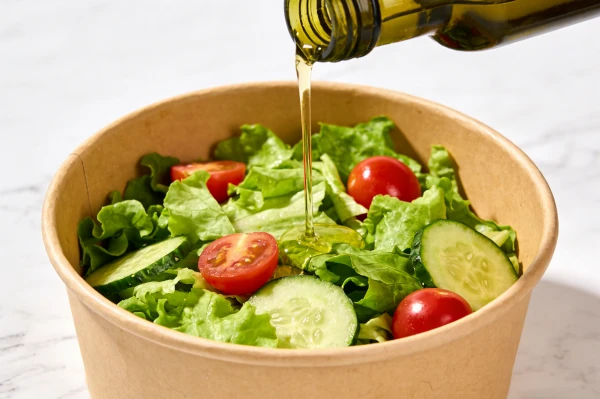
"End-of-Life Stage: Do Kraft Paper Bowls Possess Ideal Circular Potential?" This is arguably the most critical question when assessing true eco-friendliness. Without a responsible end-of-life, even a sustainably sourced product falls short. My company's "Sustainability Commitment" is to address this comprehensively. "We firmly believe that business growth must align with environmental protection." "Through technological innovation" and partnering "with global clients to promote eco-friendly paper products," we ensure our paper bowls have clear, positive pathways for "Circular Regeneration," embodying our commitment to the planet.
Completing the Circle Ethically
The "End-of-Life Stage" is where the promise of a product's eco-friendliness is truly delivered. For kraft paper bowls, this stage reveals their "Ideal Circular Potential," offering pathways that minimize waste and maximize resource regeneration. This is a critical differentiator from single-use plastics that often burden ecosystems for centuries.
1. Understanding Biodegradability and Compostability:
Biodegradability: A material is "biodegradable" if it can be broken down by microorganisms into natural substances like water, CO2, and biomass. Kraft paper itself is inherently biodegradable. This process usually happens naturally over time, but conditions (like moisture and temperature) greatly influence the speed.
Compostability (Industrial Focus): This is a more specific and regulated form of biodegradability. A product is "compostable" if it breaks down into nutrient-rich compost within a specific timeframe (e.g., 90 days according to ASTM D6400 or EN 13432 standards) in an industrial composting facility. These facilities provide the optimal heat, moisture, and microbial activity required. Our "using biodegradable coatings (PLA bio-based)" is key here. PLA-coated kraft paper bowls are designed to be industrially compostable.
Why Industrial? While paper will biodegrade in a home compost, the coatings on modern food service items (even PLA) often require the higher, more consistent temperatures of industrial facilities to break down completely within a practical timeframe. This distinction is vital for accurate "eco-friendly" claims.
2. Pathways for Circularity:
Recyclability: For kraft paper bowls that are uncoated or use coatings that can be easily separated from the paper fibers in a recycling process, recycling is a viable "circular potential." The paper fibers can be re-pulped and used to create new paper products, extending their lifecycle and reducing the need for virgin pulp. My "20+ Years of Experience" includes deep knowledge of these processes.
Composting: For PLA-coated bowls, industrial composting is the ideal end-of-life solution. Instead of ending up in a landfill, these bowls transform into valuable compost. This compost enriches soil, sequesters carbon, and supports plant growth, effectively returning the product's organic components to the earth in a beneficial way. This perfectly embodies "circular regeneration."
Energy Recovery (Waste-to-Energy): In regions where recycling or composting infrastructure is not yet fully developed, some paper products can be used in waste-to-energy facilities. While not ideal from a strict "circular" perspective, it is preferable to landfilling as it captures energy from the waste, displacing fossil fuels.
3. Reducing Landfill Burden and Environmental Harm:
Minimizing Landfill Waste: Diverting kraft paper bowls from landfills through composting or recycling is crucial. Landfills are major sources of methane emissions (a potent greenhouse gas) as organic materials break down anaerobically. By enabling these products to return to the earth as compost, we actively reduce landfill volume and methane production.
Preventing Plastic Pollution: Every kraft paper bowl that replaces a plastic one means one less piece of persistent plastic pollution in our oceans and ecosystems. This direct impact on "plastic ban" goals highlights the real-world difference these products make. "Through every cup and bowl we produce, we promote a green, healthy, and sustainable lifestyle worldwide."
| End-of-Life Option | How it Works for Kraft Paper Bowls | Environmental Benefit | Key Challenge/Requirement |
|---|---|---|---|
| Industrial Composting | PLA-coated bowls break down into soil nutrients in commercial facilities | Reduces landfill waste, creates valuable compost, mitigates methane | Requires accessible industrial composting infrastructure |
| Recycling | Uncoated or easily deinked coated paper is reprocessed into new paper products | Conserves virgin resources, reduces energy needs for new paper | Requires efficient collection and processing facilities |
| Biodegradation (General) | Natural breakdown in various environments | Prevents long-term pollution (unlike plastic) | Slower, less controlled than composting, needs specific conditions |
| Waste-to-Energy | Incinerated to generate electricity | Displaces fossil fuels (better than landfilling) | Not truly "circular," still releases emissions |
By fully embracing the "End-of-Life Stage" with intentional design for "Circular Potential," kraft paper bowls provide a clear and effective solution to waste management. Their ability to either be recycled or composted makes them genuinely eco-friendly, closing the loop and fulfilling the promise of sustainability.
Conclusion
Kraft paper bowls are truly eco-friendly, with advantages from renewable raw materials, greener production, safe user experience, to ideal circular potential, effectively riding the wave towards a sustainable future.