

The Rise Of Niche Materials: When Kraft Paper Meets Bamboo Fiber And Wheat Straw... What Sparks Will Fly?
Leave a message
The Rise of Niche Materials: When Kraft Paper Meets Bamboo Fiber and Wheat Straw... What Sparks Will Fly?
Are you wondering what the next big thing in sustainable packaging is? Innovation in eco-friendly materials is rapidly changing the game. Discover how blending kraft paper with bamboo and wheat straw creates exciting new possibilities.
When kraft paper meets bamboo fiber and wheat straw, the sparks that fly are a revolution in material performance, environmental synergy, market expansion, and industrial collaboration. This combination creates a new generation of sustainable products with enhanced properties, reduced environmental burden, and broader applications, driven by continuous innovation and strong partnerships.
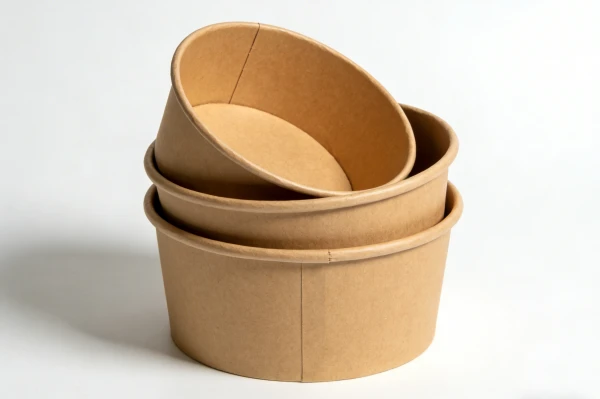
At Amity Packaging, my "20+ years of experience" has taught me that the packaging industry is always evolving. We are "promoters and enablers" of new solutions. My dedication has shown me that true progress often comes from combining existing strengths with new ideas. We have seen the impact of "plastic bans" and "carbon neutrality" goals. Now, the blend of kraft paper with materials like bamboo fiber and wheat straw is opening up entirely new pathways, creating products that are not only eco-friendly but also superior in performance.
Performance Reinvention: Are We Building a New Material System with a Balance of Rigidity and Flexibility?
Are you skeptical that paper-based packaging can offer truly durable and adaptable solutions? Traditional paper sometimes feels limited. Can blends change this?
Yes, we are building a new material system with a balance of rigidity and flexibility, reinventing performance for packaging. Kraft paper provides strength. Bamboo fiber adds superior stiffness and tear resistance. Wheat straw offers excellent moldability and a smoother surface. This blending process results in a composite material tougher and more versatile than its individual components, ideal for diverse applications.
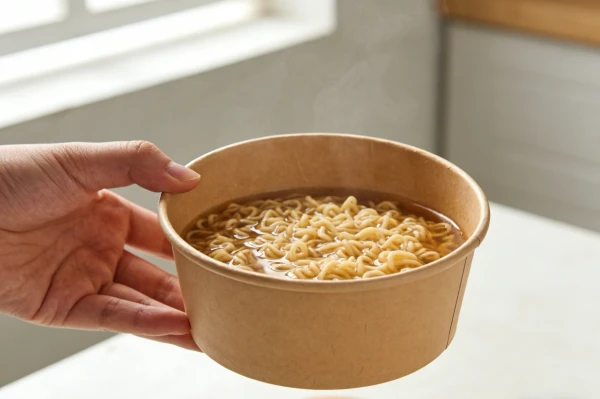
"Performance Reinvention: Are We Building a New Material System with a Balance of Rigidity and Flexibility?" After years of "Mastering the Art of Disposable Paper Product Manufacturing," I can confidently say that these blends are indeed creating a new chapter. Jonh, with his "Degree in Mechanical Engineering," always emphasizes the importance of material properties. At Amity, our commitment to "technological innovation" means we constantly explore how to deliver "solutions that enhance product performance." This combination of fibers is a perfect example of how we achieve that, moving beyond simple disposables into a realm of genuine material innovation.
Engineering Superior Physical Properties
When kraft paper, bamboo fiber, and wheat straw are combined, they do not just mix; they synergize. This creates a "New Material System" that strikes an optimal "Balance of Rigidity and Flexibility," fundamentally reinventing product performance. My "20+ years of industry expertise," especially in "material & structure consultation," shows me how these blends unlock new possibilities for packaging functionality.
1. Leveraging Individual Strengths for Enhanced Structure:
Kraft Paper's Backbone: Kraft paper is renowned for its inherent strength and tear resistance due to its long, strong wood fibers. In the blend, it provides the fundamental structural integrity and bulk, acting as the primary load-bearing component. This ensures the base strength needed for most applications.
Bamboo Fiber's Rigidity and Toughness: Bamboo fibers are naturally long and robust, giving them excellent tensile strength and stiffness. When introduced into the blend, bamboo enhances the material's rigidity, making the final product demonstrably harder and more resistant to bending or crushing. It significantly boosts tear resistance, crucial for durable packaging.
Wheat Straw's Flexibility and Smoothness: Wheat straw fibers are shorter and finer, offering good flexibility and moldability. This allows for easier formation into complex shapes during the molding process, resulting in smoother surfaces and finer details. It also contributes to a lighter weight while maintaining structural integrity due to its interlocking nature.
2. Overcoming Limitations of Single Materials:
Improved Wet Strength: One challenge with pure paper is its susceptibility to moisture. Blending with bamboo and wheat straw, especially with optimized binding agents and coatings, can improve the material's wet strength. This means the bowls hold up better when exposed to liquids, a critical factor for food service items.
Enhanced Durability: The combination results in a composite material that is more resistant to impact, puncture, and general wear and tear than single-fiber paper or molded pulp products. This increased durability allows for packaging that protects contents better and offers a more robust feel in the consumer's hand.
Thermal Stability: The unique cellular structures of these fibers, when combined, can create materials with improved insulating properties. This means better temperature retention for both hot and cold foods, leading to a superior user experience, especially for hot (soups) or cold (salads) paper bowls.
| Material Component | Key Physical Contribution | Enhanced Property in Blend | Impact on Product Performance | Amity's Expertise |
|---|---|---|---|---|
| Kraft Paper | Strength, base structure | Overall tensile strength | Load-bearing capacity, tear resistance | "Raw material selection" |
| Bamboo Fiber | Rigidity, long fibers, toughness | Stiffness, puncture resistance | Shape retention, durability | "Latest innovations in eco-friendly materials" |
| Wheat Straw Fiber | Moldability, shorter fibers | Smoothness, flexibility | Fine detail, aesthetic appeal, lightweight | "Material & structure consultation" |
| Combined Effect | Synergy of properties | Wet strength, thermal barrier | Extended functional use, consumer satisfaction | "Custom dimensions, materials, and structure" |
By harnessing the unique properties of each fiber, we achieve "Performance Reinvention," successfully "Building a New Material System" that delivers an optimal "Balance of Rigidity and Flexibility." This truly transforms what is possible with paper-based packaging.
Environmental Synergy: Is "1+1>2" Achieved in Reducing Burden Across the Entire Lifecycle?
Do you sometimes feel like "eco-friendly" alternatives just shift the environmental problem, rather than solving it? You want actual, measurable benefits.
Yes, a "1+1>2" effect is achieved in reducing environmental burden across the entire lifecycle through this blend. Bamboo and wheat straw, often agricultural waste, reduce the reliance on virgin wood, lowering deforestation pressure. Their rapid growth and easier pulping decrease energy and chemical use. This combined approach minimizes total carbon footprint and enhances biodegradability, offering genuinely holistic sustainability.
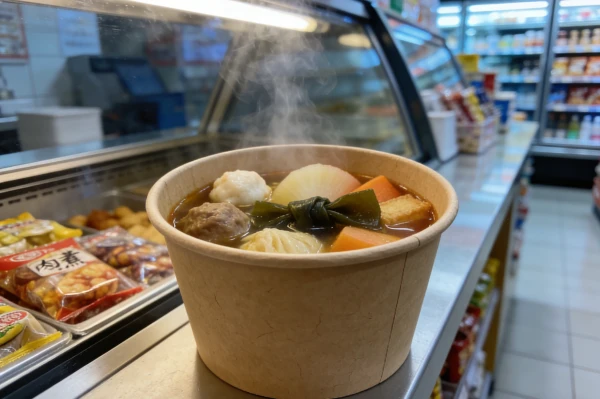
"Environmental Synergy: Is '1+1>2' Achieved in Reducing Burden Across the Entire Lifecycle?" My "eco-driven mindset" ensures we ask these hard questions at Amity. It's not enough to be "less bad"; we aim for truly transformative solutions. My work with Jonh, whose expertise includes "latest innovations in eco-friendly materials," confirms that these blends deliver compounding environmental benefits. We are committed to "sourcing renewable paper from responsibly managed forests" and using "biodegradable coatings," and the use of these niche materials magnifies our positive impact, going beyond simple carbon footprints to a comprehensive green value chain.
Amplifying Ecological Benefits
The blend of kraft paper with bamboo fiber and wheat straw creates significant "Environmental Synergy," achieving a "1+1>2" effect in "Reducing Burden Across the Entire Lifecycle." This is a holistic approach to sustainability, where the combined ecological advantages far exceed what each material could offer individually. My "sustainability commitment" at Amity Packaging is deeply ingrained in exploring such synergistic materials.
1. Enhanced Raw Material Sustainability:
Reduced Reliance on Virgin Wood: By incorporating bamboo and wheat straw, the blend significantly reduces the demand for virgin wood pulp (even if FSC-certified). Bamboo is one of the fastest-growing plants on Earth, reaching maturity in just a few years compared to decades for trees. Wheat straw is an agricultural by-product, meaning it utilizes existing waste from food production, effectively turning a potential waste stream into a valuable resource. This alleviates pressure on forest ecosystems.
Lower Carbon Footprint of Growth: Both bamboo and wheat grow rapidly and sequester carbon quickly. If not used, wheat straw might be burned in fields, releasing CO2. Using it in packaging directly prevents these emissions and captures that carbon. This contributes to a "lower initial carbon footprint" for the blended material, aligning perfectly with "dual carbon" goals.
2. Greener Production and Processing:
Easier Pulping and Processing: Bamboo and especially wheat straw fibers often require less energy and fewer harsh chemicals for pulping compared to wood fibers. This translates to reduced energy consumption, lower emissions, and less chemical discharge during the manufacturing process, reinforcing the "greener processing" discussed previously.
Water Conservation: As processing becomes more efficient with these fibers, so does water usage. Innovations in pulp mills are geared towards closed-loop water systems, further minimizing environmental impact.
Waste Valorization: Utilizing agricultural waste like wheat straw not only reduces demand on forests but also addresses agricultural waste management challenges, turning a problem into a sustainable solution.
3. Optimized End-of-Life Performance:
Improved Biodegradability/Compostability: The natural composition of kraft paper, bamboo, and wheat straw fibers means the resulting blend is highly biodegradable. When combined with "PLA bio-based" coatings, these composite products are readily industrially compostable, returning organic matter and nutrients to the soil. This closes the loop for the material.
Reduced Plastic Pollution: Every blended paper-fiber bowl replacing a plastic one means a direct and measurable reduction in persistent plastic waste, contributing to "plastic ban" efforts and preventing long-term ecosystem damage. This directly fulfills our mission to enhance product performance and brand value "while caring for the planet."
| Lifecycle Stage | Traditional Paper Concern | Enhanced Benefit with Blended Materials | "1+1>2" Synergy in Burden Reduction | Amity's Approach |
|---|---|---|---|---|
| Raw Material | Virgin wood pulp demand | Reduced virgin wood, agricultural waste use | Faster regeneration, lower deforestation pressure | "Sourcing renewable paper from FSC-certified suppliers" |
| Growth/Carbon | Trees grow slower (CO2 abs.) | Rapid growth of bamboo/straw, waste valorization | Enhanced carbon sequestration, prevents field burning | "Eco-driven mindset" |
| Processing | Energy/chemical intensive | Easier pulping, less energy/chemicals needed | Reduced factory emissions, cleaner water outputs | "Optimizing production to reduce energy/waste" |
| End-of-Life | Coatings hinder biodegradability | Fully compostable solutions (PLA-coated blends) | Complete nutrient return, zero persistent waste | "Using biodegradable coatings (PLA bio-based)" |
Through this profound "Environmental Synergy," these blended materials not only alleviate individual burdens but also create a combined effect that genuinely contributes to "Reducing Burden Across the Entire Lifecycle," making a compelling case for their holistic sustainability.
Market Expansion: Is the Future Moving From Single-Use Packaging to Durable and Creative Design?
Do you feel confined by the limitations of traditional disposable packaging? You want to offer more than just a container. Is creative design truly possible with eco-materials?
Yes, the future is moving from single-use packaging to durable and creative design, powered by these new blends. The enhanced strength, moldability, and aesthetic appeal of kraft paper combined with bamboo and wheat straw open doors to more complex, semi-durable products. This allows for innovative shapes, custom branding, and unique textures, vastly expanding market applications beyond basic disposables.
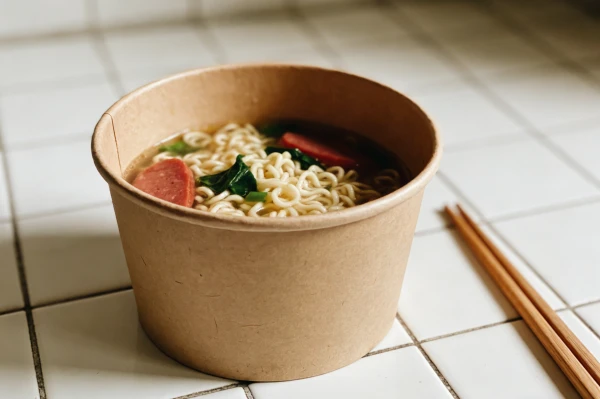
"Market Expansion: Is the Future Moving From Single-Use Packaging to Durable and Creative Design?" This is where my passion for helping clients "expand their businesses and strengthen their brands" really lights up. With "20+ years of industry expertise," I have seen how material innovation directly translates into new market opportunities. Jonh's ability to recommend "the best material and structure based on client industry and usage scenarios" is key. At Amity, our "tailor-made solutions" are not just for cups and bowls; they are for visionary entrepreneurs seeking to differentiate themselves through packaging that makes a statement, moving into areas of "durable and creative design."
Unlocking New Product Categories and Brand Value
The enhanced performance and environmental credentials of the kraft paper, bamboo, and wheat straw blend are not just improving existing products; they are enabling significant "Market Expansion." This means moving beyond the realm of simple "Single-Use Packaging" into opportunities for "Durable and Creative Design," unlocking higher value and new product categories.
1. Beyond Basic Disposables:
Semi-Durable & Reusable Options: The increased strength and rigidity from the blend make it possible to create containers that are not strictly single-use. Think of sturdy takeaway boxes for meal kits, picnic boxes designed to be carried and reused a few times, or even small storage containers for home use before eventual composting. This extends the product's useful life and adds value for the consumer.
Molded Pulp Innovations: The excellent moldability of the blended fibers, especially with wheat straw, allows for highly intricate three-dimensional shapes. This is a significant leap from flat-sheet paper packaging. We can create custom packaging inserts for electronics, delicate consumer goods, or even complex bento-style food boxes that fit multiple items securely. Our capabilities in "food takeaway paper boxes (bento boxes, lunch boxes)" are greatly enhanced by these materials.
Creative Design Freedom: The natural aesthetics of kraft paper and bamboo, combined with the smooth finish from wheat straw, provide a beautiful canvas for branding and design. High-definition printing on these surfaces can create premium-looking packaging that enhances brand perception. "Logo & printing customization" gains immense creative power.
2. Enhancing Brand Value and Consumer Experience:
Premium Positioning: Packaging made from these innovative blends communicates a strong message of sustainability and quality. This allows brands to position their products as premium, appealing to eco-conscious consumers willing to pay more for ethical and well-designed solutions. This is where "brand premium" comes into play as discussed in previous articles.
Multi-Sensory Appeal: The tactile feel of robust, natural fiber packaging, combined with its visual aesthetics, creates a multi-sensory experience that plastic often cannot match. This positive interaction enhances the consumer's overall perception of the brand and product.
Sustainable Storytelling: The use of materials like bamboo and wheat straw provides compelling stories for brands to tell-about agricultural waste valorization, rapid renewal, and genuine care for the planet. This resonates deeply with today's values-driven market. Our role as "promoters and enablers" means we help clients craft these stories.
| Market Opportunity | How Blended Materials Enable It | Impact on Brands | Amity's Service |
|---|---|---|---|
| Semi-Durable Items | Enhanced strength, extended product life | Higher perceived value, new product categories | "Tailor-Made Solutions," custom structures |
| Complex Molded Shapes | Superior moldability (wheat straw), rigidity (bamboo) | Precise fit, premium presentation, protection | "Material & structure consultation," precise manufacturing |
| Creative Branding | Natural aesthetic, smooth printing surface | Differentiated brand image, strong visual identity | "Logo & printing customization" |
| High-Value Packaging | Quality feel, sustainable story | Premium positioning, attracts discerning customers | Comprehensive product and brand strategy advice |
| Alternative Uses | Diverse material properties | Entry into non-traditional packaging markets | Support for innovative "product applications" |
Through expanded applications and enhanced brand communication, these blends drive significant "Market Expansion." The shift "From Single-Use Packaging to Durable and Creative Design" is made possible, ensuring a vibrant future for sustainable packaging.
Technological Challenges and Industrial Collaboration: Are There Opportunities and Barriers in the New Supply Chain?
Are you excited by these possibilities but worried about the practicalities of a new material supply chain? Innovations often come with hurdles.
Yes, there are significant opportunities and barriers in the new supply chain for these blended materials. Challenges include sourcing consistent agricultural waste, refining pulping processes, and standardizing quality. However, these also spark opportunities for technological breakthroughs in fiber treatment, novel manufacturing equipment, and deep "industrial collaboration" across agriculture, material science, and packaging.
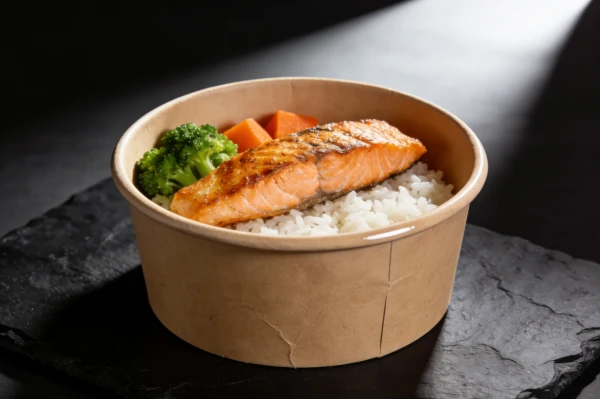
"Technological Challenges and Industrial Collaboration: Are There Opportunities and Barriers in the New Supply Chain?" This is a question I face daily when leading "Amity Packaging." My expertise in "end-to-end production" means I recognize that innovation is never without its hurdles. Jonh's "experience" teaches us that success depends on overcoming these barriers through relentless effort and smart partnerships. We are always seeking "partnerships with global clients to promote eco-friendly paper products," understanding that a robust "new supply chain" is built through shared effort and mutual learning.
Navigating the Complexities of Next-Gen Materials
The transition to new, blended materials like kraft paper, bamboo fiber, and wheat straw, while promising, presents unique "Technological Challenges" and necessitates deep "Industrial Collaboration." Understanding these "Opportunities and Barriers" in the "New Supply Chain" is crucial for successful implementation and scaling.
1. Technological Challenges:
Raw Material Variability: Agricultural waste like wheat straw can vary significantly in fiber length, purity, and chemical composition depending on crop type, harvest methods, and region. Ensuring a consistent supply of quality raw material for large-scale production is a major challenge. Bamboo, while more consistent, still requires specific processing.
Pulping and Blending Complexities: Each fiber type (wood, bamboo, wheat straw) has different pulping requirements. Developing efficient, environmentally friendly processes that can handle these diverse fiber blends cohesively, while maintaining optimal fiber length and strength for the final product, requires advanced chemical and mechanical engineering. "Jonh (our expert) offers creative yet practical ideas" to tackle these issues.
Coating and Barrier Technologies: Developing effective "PFAS-free" and "PLA bio-based" coatings that adhere well to these blended substrates, provide consistent barrier properties against grease and moisture, and remain compostable or recyclable, is an ongoing area of research and development.
Manufacturing Equipment Adaptation: Existing paper and molded pulp machinery may need significant adaptation or entirely new equipment designed to process these novel blends efficiently and at high volumes. This requires substantial capital investment and engineering effort.
2. Opportunities through Collaboration:
Cross-Industry Partnerships: The very nature of using agricultural waste demands "industrial collaboration" between the agriculture sector (suppliers of wheat straw), material science researchers (developing new pulping and coating technologies), and packaging manufacturers like Amity. These collaborations can optimize supply, improve processes, and deliver higher-quality products.
Standardization and Certification: As these new materials gain traction, there is an opportunity to develop new industry standards and certifications that reflect their unique sustainable attributes. This builds consumer trust and provides clear benchmarks for quality and environmental performance.
Supply Chain Optimization: Developing robust supply chains for alternative fibers will foster regional economic development, particularly in agricultural areas. This creates new job opportunities and reduces reliance on distant, potentially less sustainable, virgin pulp sources. Our "efficient production & delivery" relies on smooth supply chains.
Innovation in Design and Application: Overcoming technological hurdles opens the door for even more "creative design" and new product "product applications." As processes are refined, the cost-effectiveness and versatility of these blends will increase, enabling wider market adoption.
| Element of Supply Chain | Barriers/Challenges | Opportunities for Progress | Needed Collaboration/Solution | Amity's Role |
|---|---|---|---|---|
| Raw Material Sourcing | Variability, consistent supply of agri-waste | Localized sourcing, waste valorization | Farmer partnerships, quality control standards | "Raw material selection," "material & structure consultation" |
| Pulping & Processing | Fiber differences, chemical treatment | New pulping technologies, eco-friendly chemistry | Material scientists, chemical engineers | "Technological innovation," "improve quality" |
| Product Engineering | Coating adherence, barrier performance | Advanced bio-based coatings, structural design | R&D labs, specialized coating suppliers | "Material & structure consultation" |
| Manufacturing Scale-Up | Equipment adaptation, capital investment | New machinery development, automation | Equipment manufacturers, government grants | "Advanced production lines" |
| Market Acceptance/Standards | Consumer education, regulatory clarity | Industry standards, clear eco-labeling | Industry associations, government bodies | "Industry knowledge-sharing platform" |
Navigating "Technological Challenges" through proactive "Industrial Collaboration" is critical. These efforts are transforming "Barriers" into "Opportunities" to build a resilient and truly green "New Supply Chain" for innovative blended materials.
Conclusion
The blend of kraft paper, bamboo, and wheat straw is revolutionizing packaging, delivering superior performance, profound environmental synergies, and vast market expansion. This transformation is driven by innovation and underpinned by essential industrial collaboration.


