

Do 12 Oz. Hot Paper Cups Really Keep Your Drinks Warm And Safe?
Leave a message
Do 12 oz. Hot Paper Cups Really Keep Your Drinks Warm and Safe?
Your hot drink gets cold too fast in a flimsy cup, or you worry about chemicals. Does a standard paper cup actually perform well for your daily hot beverage?
12 oz. hot paper cups provide moderate insulation through their paper structure, especially in double-wall designs, which keep drinks hot longer due to an insulating air gap. They are safe for hot beverages when made with food-grade virgin paper and approved linings like PE or PLA, ensuring liquid retention and hygiene.

My team and I at Amity Packaging have specialized in engineering paper cups for every need. We have seen how small details in design and material can make a huge difference in the user experience. When you pick up a 12 oz. hot paper cup, you expect it to hold your drink safely and keep it warm. Let's dig deeper into the science and safety behind these everyday items to see what makes a good hot paper cup.
Is a paper cup a good heat insulator?
Your hot coffee instantly cools in a flimsy cup, ruining your morning. Does a paper cup actually keep your drink warm, or is it just a vessel?
Paper cups offer moderate heat insulation, primarily due to the air trapped within the paper fibers. However, their effectiveness varies significantly based on design, with double-wall cups providing superior insulation compared to single-wall cups, which often require a sleeve for hot beverages.
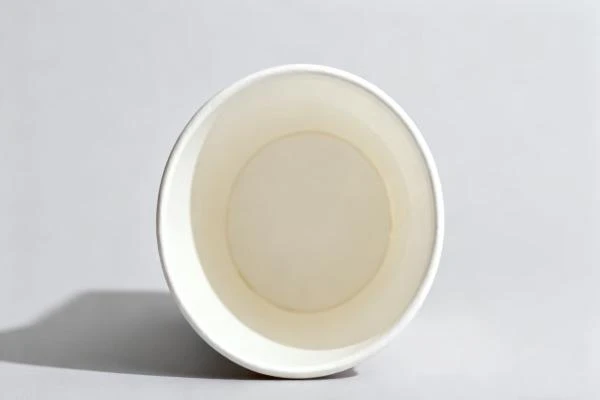
I have spent many years in disposable packaging manufacturing, constantly refining how our products perform. When we design paper cups, insulation is a key factor. It is not just about the material; it is about how that material is structured. We think about how heat moves and how to slow it down. We apply principles commonly used in building insulation to our cup designs.
How Paper Structure Manages Heat
The insulating property of any material, including paper, largely depends on its ability to trap air. Air is a poor conductor of heat, meaning it does not transfer heat easily. This is the fundamental reason why paper cups offer some level of insulation, but their effectiveness depends on their specific construction.
Paper Fiber Structure: Paper itself is a network of cellulose fibers. Within this fibrous matrix, there are countless tiny air pockets. These air pockets reduce the speed at which heat from your hot beverage can pass through the cup wall to the colder air outside. A thicker paperboard generally contains more of these air pockets and therefore offers better insulation.
Single-Wall Limitations: A standard single-wall paper cup, made from one layer of paperboard, offers basic insulation. It can get quite hot to the touch when filled with very hot liquids. This is why coffee shops often provide cardboard sleeves with single-wall cups. The sleeve adds an extra layer of material and another air gap, thereby improving the overall insulation and protecting your hands.
Double-Wall Superiority: Double-wall paper cups are specifically designed for enhanced insulation. They feature two distinct layers of paperboard with an intentional air gap between them. This trapped air gap forms a much more effective thermal barrier. It significantly reduces heat transfer by both conduction (through the air) and convection (by preventing air circulation), meaning the outer surface of the cup remains much cooler for comfort, and the drink stays hot longer.
Coatings and Heat: The interior coating (PE or PLA) mentioned later also plays a small role in insulation by forming a smooth barrier that does not absorb liquid, indirectly helping maintain beverage temperature. However, the primary insulating power comes from the paper and air gaps. Our tailor-made solutions consider all these aspects to deliver the optimal insulation for different beverage types and customer needs.
So, while paper cups are not perfect insulators like a vacuum thermos, their design can be optimized to manage heat effectively.
Is it safe to drink hot beverages in paper cups?
Worried about chemicals leaching into your hot drink from a paper cup? You want to ensure your daily coffee isn't risking your health.
Yes, it is generally safe to drink hot beverages in paper cups, provided they are food-grade and manufactured to safety standards. Reputable manufacturers use virgin paper and approved linings (like PE or PLA) that are tested and certified for contact with hot liquids, ensuring no harmful substances migrate into your drink.
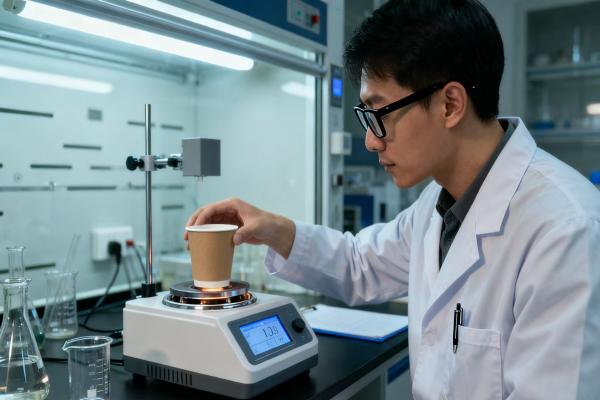
At Amity Packaging, safety is not just a buzzword; it is a fundamental pillar of our operation. Our 20+ years of experience mean we understand the importance of strict quality control. My mechanical engineering background has taught me to always prioritize the end-user's health. We aim to ease any concerns about material safety.
Ensuring Purity in Every Sip
The safety of paper cups for hot beverages is a critical concern, and legitimate manufacturers go to great lengths to ensure their products meet stringent food safety standards. My work focuses on processes that guarantee this.
Food-Grade Materials: The foundation of safe paper cups lies in using food-grade materials. This means the paperboard must be made from virgin wood pulp, not recycled materials that might contain unknown contaminants. Furthermore, the pulp itself must be processed without harmful chemicals that could migrate into food or beverages. We source renewable paper from responsibly managed forests and FSC-certified suppliers.
Approved Linings: To make paper cups leak-proof, they need a thin coating on the inside. For hot cups, the most common linings are:
Polyethylene (PE): This is a type of plastic that is widely recognized as food-safe. When properly formulated and applied, PE forms a stable, inert barrier that does not react with hot liquids or release harmful compounds. It has been extensively studied and approved by regulatory bodies worldwide for food contact.
Polylactic Acid (PLA): This is a bioplastic made from renewable resources like corn starch. PLA is a biodegradable and compostable alternative to PE. It is also food-safe and performs similarly to PE in containing hot liquids. Its environmental profile makes it a popular choice for eco-conscious brands.
Water-based Coatings: Newer innovations include water-based barrier coatings that are designed to be recyclable with paper streams. These are also formulated to be food-safe and withstand hot temperatures.
Manufacturing Standards and Certifications: Reputable manufacturers adhere to strict Good Manufacturing Practices (GMPs) and often obtain certifications from bodies like the FDA (U.S.) or comply with EU food contact material regulations. These certifications confirm that the materials and manufacturing processes are safe and regularly audited. At Amity , we implement full-process inspections to ensure consistent quality and safety. My expertise includes staying updated with these regulations and incorporating them into our production planning.
Single-Use Hygiene: Using single-use paper cups also inherently reduces risks associated with reusable cups, which can harbor bacteria if not thoroughly cleaned between uses. Each new paper cup offers a fresh, hygienic surface.
By choosing cups from established manufacturers, you can be confident that your hot beverages are safe to drink.
Which type of cup will keep a hot drink warm longer?
You hate when your coffee gets cold too fast, especially during a busy morning. Which paper cup design actively works to keep your drink hot for longer?
Double-wall paper cups keep a hot drink warm significantly longer than single-wall cups. The air gap between their two layers creates an insulating barrier that effectively slows down heat loss, maintaining the beverage's temperature for an extended period, offering a more satisfying and prolonged drinking experience.
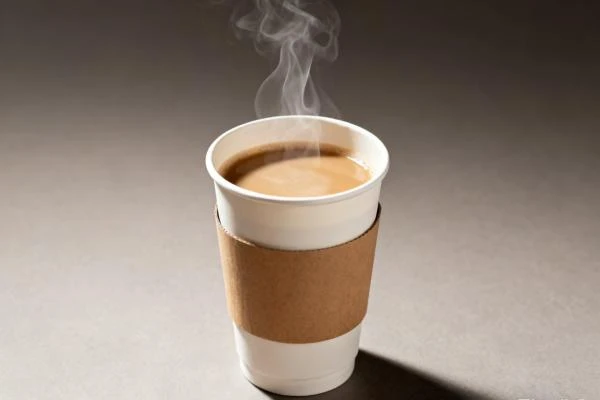
This is one of the most common questions we get from clients, especially coffee shops. The answer is based on the physics of heat transfer, which I know well from my mechanical engineering training. When you understand how heat escapes, you can design cups to fight it. We design our cups precisely with this in mind for our clients.
Engineering for Extended Warmth
The primary goal of a hot beverage cup is to keep its contents warm. Double-wall paper cups are specifically engineered to excel at this task, vastly outperforming their single-wall counterparts.
Heat Transfer Mechanisms: Heat leaves a hot beverage through three main mechanisms:
Conduction: Heat transfer through solid materials (e.g., through the cup wall itself).
Convection: Heat transfer through fluid movement (e.g., air currents around the cup, or liquid movement inside).
Radiation: Heat transfer via electromagnetic waves (less significant for cups, but present).
The Power of the Air Gap: Double-wall cups incorporate a deliberate air gap between an inner paper layer and an outer paper layer. This air gap is the hero of insulation.
Minimizing Conduction: Air is a poor conductor of heat. By having a layer of trapped air, heat struggles to conduct through this space from the hot inner cup to the cooler outer cup.
Stopping Convection: If air could circulate freely around the hot inner cup, it would pick up heat and carry it away. However, since the air is trapped within the sealed gap, it cannot circulate. This prevents heat transfer by convection, which is a very effective way to lose heat in open spaces.
The Single-Wall Challenge: A single-wall cup has no such dedicated air gap. Heat conducts directly through its single layer of paperboard. While paper itself has some insulating properties due to the tiny air pockets in its fibers, it is not enough to prevent rapid heat loss, especially for very hot beverages. This is why a single-wall cup feels much hotter to the touch and why your drink cools faster.
Real-World Application: For consumers, this means a double-wall cup provides a more comfortable grip without a sleeve and allows them to savor their hot drink for a longer period. For businesses, it means happier customers and a perceived higher quality product. Amity provides both standard and custom solutions, including double-wall designs, specifically to meet these needs, drawing on our 20+ years of deep knowledge of products and materials.
My experience has proven that for truly hot beverages, the double-wall design is the clear winner for heat retention and user comfort.
What are hot paper cups lined with?
Ever wondered what makes a paper cup hold liquid without leaking? What is that thin, inner layer doing to protect your drink from soaking through the paper?
Hot paper cups are typically lined with a thin plastic coating, most commonly polyethylene (PE), to prevent leaks and maintain cup integrity. Increasingly, eco-friendly alternatives like polylactic acid (PLA), a plant-based bioplastic, or water-based barrier coatings are used for biodegradability and compostability, reflecting a commitment to sustainability.
Understanding the inner lining is crucial, both for functionality and for understanding the environmental impact. In my 15 years in the industry, I have seen these materials evolve. At Amity Packaging, we constantly research and adopt the best options, balancing performance with our eco-driven mindset.
The Essential Barrier for Liquid Containment
The interior lining of a paper cup is a tiny yet crucial layer. Without it, paper, being absorbent, would quickly soak through, rendering the cup useless. This lining must be waterproof, heat-resistant, and food-safe.
Polyethylene (PE) Coating: Historically, and still most commonly, hot paper cups are lined with a thin layer of polyethylene (PE). PE is a petroleum-based plastic. It is an excellent barrier to liquids, preventing the paper from getting soggy. It is economical and provides a robust, leak-proof seal. The PE layer is very thin, usually just a few micrometers thick, and is laminated onto the paperboard during manufacturing. Its heat resistance makes it suitable for hot beverages.
Polylactic Acid (PLA) Coating: As environmental concerns grew, there was a strong demand for more sustainable options. Polylactic Acid (PLA) emerged as a significant alternative. PLA is a bioplastic derived from renewable resources like corn starch or sugarcane. It performs similarly to PE in creating a waterproof barrier for hot liquids. The key benefit of PLA is its biodegradability and compostability in industrial composting facilities, making it a more environmentally friendly choice for end-of-life disposal. Amity is committed to using biodegradable coatings like PLA.
Water-Based Barrier Coatings: The latest advancements in cup lining technology include water-based dispersion coatings. These innovative coatings are designed to be fully recyclable in standard paper recycling streams, addressing the challenge of separating plastic linings from paper fibers. They provide an effective liquid barrier while allowing the paper component to be more easily reprocessed. This represents a significant step forward in making paper cups even more sustainable.
Double-Sided vs. Single-Sided Coating: Cups for hot beverages typically have an internal lining. Some cups, especially those designed for both hot and cold, might have a thin external coating as well to protect against condensation or moisture from the outside. However, the primary liquid barrier is always the interior lining. Amity offers material and structure consultation to help clients choose the best coating for their specific needs, always adhering to our sustainability commitment.
The choice of lining reflects both the cup's intended use and the manufacturer's commitment to performance and environmental responsibility.
Conclusion
12 oz. hot paper cups are designed for safety and convenience. They offer good insulation, especially in double-wall designs, keep drinks warm longer, and are safe due to food-grade materials and approved linings like PE or PLA.


