

Hot Cup Vs. Cold Cup: How To Choose?
Leave a message
Hot Cup vs. Cold Cup: How to Choose?
Choosing the right paper cup matters for both drink safety and customer experience.
Hot cups are made to handle high temperatures without leaking, while cold cups are designed to hold cooler drinks without issues like condensation or weakening.

In my years making paper cups, I have seen many people use the wrong type for their drinks. This can cause heat burns, leaks, and soggy cups. Knowing the difference lets you serve drinks safely and keep customers happy.
Can hot water go in a paper cup?
Yes, but you must pick the right design.
Hot water can be poured into coated paper cups if they are meant for hot drinks, ideally double wall or thick single wall designs.

When I test cups in my factory, I pour boiling water directly into them. A standard PE-coated single wall cup will handle it for a short time, but hot drinks feel uncomfortably warm to hold without a sleeve. Double wall cups or ripple wall cups work much better because they have insulation and stronger structure.
However, I advise clients to avoid keeping boiling water in paper cups for a long time. Heat can soften the paper fibers and weaken the seams if held too long. For coffee or tea at serving temperature (around 80–90°C), good coated paper cups work safely.
| Temperature Range | Recommended Cup Type |
|---|---|
| 70–90°C | Single wall + sleeve or double wall |
| 100°C | Double wall or ripple wall |
| >100°C | Avoid extended holding |
What are cold cups?
They are cups made to serve iced drinks or chilled liquids.
Cold cups are paper cups with coatings that resist moisture, often single wall with PE lining, designed for iced coffee, tea, juice, or smoothies.
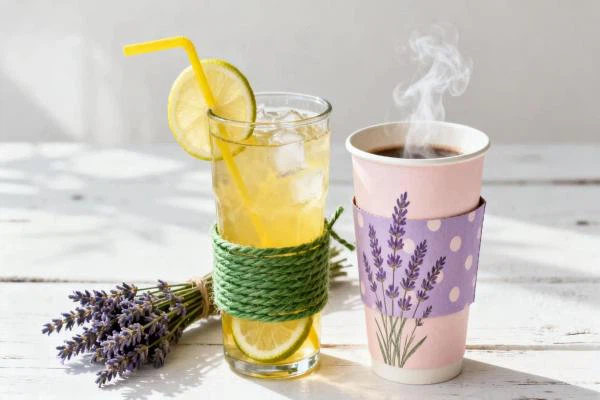
I produce thousands of cold cups every summer for juice stands and bubble tea shops. The biggest challenge with cold drinks is condensation on the outside, which can weaken uncoated cups. Cold cups use a waterproof coating that keeps the paper firm even when ice melts.
Cold cups often have different sizing and decoration compared to hot cups. They may be taller and slightly thinner for easy fitting into drink carriers. They are safe to hold with bare hands, as cold temperatures do not cause discomfort like hot drinks do.
Ripple wall and double wall designs are rarely used for cold drinks because insulation is not needed. Lightweight single wall coated cups are more cost-effective for cold servings.
| Cup Type | Best For | Coating |
|---|---|---|
| Single wall cold | Iced drinks | PE coating |
| PLA cold cup | Iced drinks, eco use | PLA coating |
Can the cold drink cups be put in the refrigerator?
Yes, for short storage.
Paper cold cups can be stored in the refrigerator for hours to keep drinks fresh, but long exposure to moisture can weaken the cup over time.
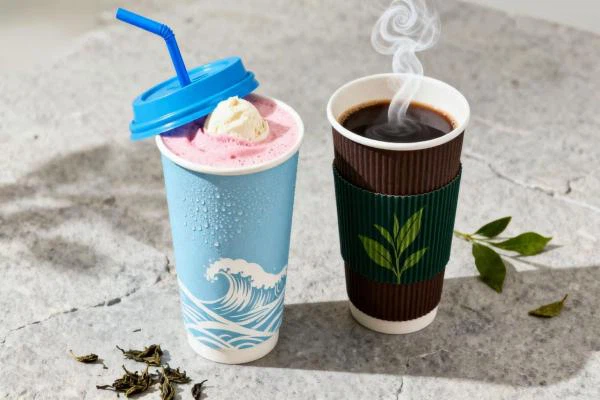
I sometimes chill drinks in our cold cups during testing to evaluate performance. Under refrigeration, the coating keeps the cup stable. However, when humidity is high inside the fridge, moisture can gather around the cup's base, especially with iced drinks. This can soften the seam area after several hours.
Ideally, cold cups are used for takeaway or immediate serving. If shops need to store them in fridges, they should keep cups on dry trays or shelves, not directly touching wet surfaces. This helps them last until served.
| Storage Time | Condition | Cup Integrity |
|---|---|---|
| 1–2 hours | Cool, dry shelf | Strong |
| 3–5 hours | Humid fridge surface | Slight softening |
| Over 6 hours | High moisture exposure | Weakening |
Are paper cups suitable for hot drinks?
Yes, if properly designed.
Paper cups suitable for hot drinks have insulation or sleeves, thick board, and strong waterproof coating to avoid leaks and protect hands.

I design hot cups with two main goals: keep the drink warm and keep hands comfortable. Our double wall coffee cups and ripple wall tea cups do both well. The insulation layer holds in heat longer, while the outside stays cool enough to grip.
Hot drink cups also need secure seam gluing because heat can stress joints more than cold drinks. In my factory, we run extra quality checks on hot drink cups to confirm leak resistance.
While single wall cups can also work for hot drinks, they require sleeves for safety. Most coffee shops use insulated designs for takeaway coffee to avoid burns and improve comfort.
| Feature | Hot Cup Need |
|---|---|
| Insulation | Keeps drink warm, hand cool |
| Thick board | Resists high temp |
| Waterproof coat | Prevents leaks |
Conclusion
Choosing the right cup means matching design to drink temperature. Hot cups need insulation and thick coating, while cold cups need moisture resistance and lighter handling.


