Do Paper Cups Offer More Invisible Benefits Than You Think?
Leave a message
Do Paper Cups Offer More Invisible Benefits Than You Think?
Tired of seeing paper cups as just a disposable convenience? Many overlook the profound advantages they secretly provide. But what if these seemingly simple containers held more value than meets the eye?
Paper cups offer numerous invisible benefits beyond basic utility, including strong brand promotion, enhanced hygiene, positive consumer perception, and sustainable end-of-life options. These advantages extend to environmental responsibility, logistical efficiency, and ongoing material innovation, making them a strategic choice for businesses and individuals alike.

After dedicating over 20 years to the paper packaging industry at Amity, Jonh and I have witnessed firsthand the quiet revolution of the humble paper cup. It's often underestimated, perceived merely as a vessel. Yet, what many don't see are the layers of engineering, sustainability, and strategic value that contribute to its "invisible benefits". Let me walk you through how these benefits subtly elevate both product and planet.
Has the evolution of eco-friendly paper cups brought unseen advantages?
Before, eco-friendly paper cups were a niche, sometimes unreliable choice. But with rapid advancements, has their evolution ushered in significant, perhaps invisible, advantages for businesses and the environment?
Yes, the evolution of eco-friendly paper cups has brought many unseen advantages, driven by innovations in coatings, materials, and manufacturing processes. These advancements offer improved functionality, greater acceptance in waste streams, better resource management, and enhanced brand reputation through alignment with sustainable practices, all of which were less common in earlier generations of paper cups.

Jonh and I often reflect on how much the industry has changed since we started Amity. Our journey has been about "mastering the art of disposable paper product manufacturing," and much of that art lies in the continuous improvement of eco-friendly materials. When I talk about these evolutions, I see past simply a product; I see the positive systemic change they enable.
The Silent Progress of Material Science
The journey of the paper cup from a simple waxed container to a sophisticated eco-friendly solution is a testament to continuous innovation in material science. This evolution has cultivated a host of "invisible benefits" that are now integral to modern industry. Early paper cups, while a hygienic alternative to reusable ones, often struggled with durability and were typically coated with paraffin wax, which limited their performance with hot liquids and complicated recycling.
The first major leap was the introduction of polyethylene (PE) coatings. This thin plastic layer revolutionized the paper cup by providing superior leak resistance and heat insulation, making coffee cups viable for everyday use. However, the PE layer often made these cups challenging to recycle in standard paper mills, leading to a perception of environmental burden. That's one of the reasons we focus on "material & structure consultation" at Amity, to ensure the right coating for the right application.
The true "eco-friendly" evolution gained momentum with the rise of bio-based coatings, particularly polylactic acid (PLA). Derived from renewable resources like corn starch, PLA offered similar performance to PE but with the critical advantage of being industrially compostable. This shift meant that paper cups, once correctly disposed of, could return to the earth as compost, completing a circular lifecycle. This significantly improved the environmental footprint of disposable paper cups, providing an invisible benefit to the planet by reducing landfill waste and reliance on fossil fuels.
Furthermore, the development of naturally fiber-based materials like bagasse (sugarcane residue) has reshaped the landscape. These materials forego plastic coatings entirely for some applications, offering inherently compostable and sturdy alternatives. These advancements aren't always visible to the end-user, but they represent profound shifts in how resources are managed and how waste is processed. This continuous push for more sustainable materials is at the core of our "sustainability commitment" and our "technological innovation."
| Era | Primary Coating/Material | Invisible Benefit | Environmental Footprint |
|---|---|---|---|
| Early (Pre-1950s) | Wax | Basic hygiene, reduced disease spread. | Limited recycling, petroleum-based wax. |
| Mid (1950s-2000s) | Polyethylene (PE) | Leak-proof for hot liquids, enhanced durability. | Challenging recycling, fossil-fuel based plastic. |
| Modern (2000s-Present) | PLA, Bagasse, PFAS-free | Compostability, renewability, improved end-of-life. | Reduced landfill burden, less fossil fuel reliance, enhanced brand image. |
These ongoing material innovations provide an "invisible hand" guiding businesses toward more responsible practices, aligning operations with global sustainability goals, and silently enhancing brand reputation.
What are the invisible benefits of biodegradable paper cups?
Beyond their obvious environmental appeal, what deeper, often unseen, advantages do biodegradable paper cups offer businesses and consumers? What truly makes them a superior choice in the long run?
Biodegradable paper cups offer invisible benefits such as enhanced brand perception, regulatory compliance ease, reduced liability from plastic waste, and improved consumer trust. They silently deliver a positive message about a company's environmental stewardship, contributing to financial freedom through sustainability, and streamlining disposal in appropriate waste streams.

When I founded Amity with Jonh, we knew the future was green. My dedication to the disposable packaging sector has shown me that clients who embrace biodegradable options aren't just doing good; they are doing smart business. These are the kinds of "solutions that enhance product performance and brand value" that we are proud to offer.
Unlocking Hidden Value Through Disposability
The decision to adopt biodegradable paper cups creates a ripple effect of "invisible benefits" that extend far beyond simply being "eco-friendly." These benefits often translate into significant strategic advantages for businesses.
One primary, yet often overlooked, benefit is the enhancement of brand perception and customer loyalty. In today's market, consumers are increasingly environmentally conscious. Choosing biodegradable packaging communicates a strong message of corporate social responsibility without needing explicit advertising. This subtle signal builds trust, makes the brand more attractive to a growing segment of consumers, and can even differentiate it from competitors still using traditional plastics. This positive association is priceless, driving repeat business and word-of-mouth recommendations, something Jonh always emphasized when we discussed "giving back-sharing knowledge and insights to help more partners succeed."
Another crucial invisible benefit is proactive regulatory compliance and reduced future liability. Governments worldwide are implementing stricter regulations on single-use plastics and promoting sustainable alternatives. By adopting biodegradable paper cups, businesses position themselves ahead of these curves, avoiding potential fines, taxes, or bans that may apply to conventional plastic products. This foresight provides operational stability and mitigates financial risks associated with constantly changing environmental legislation, offering a type of "financial freedom" through responsible planning.
Furthermore, biodegradable cups simplify the end-of-life management for consumers, fostering a sense of ease and reducing consumer guilt. When people know a product can genuinely decompose or be composted, they feel better about their purchase. This ease of disposal, especially in locations with industrial composting, means less burden on landfill systems and a clearer pathway for waste, directly contributing to a cleaner environment without the consumer having to think too hard about it. At Amity, we offer "mass production & packaging" alongside "international export & logistics support" to ensure these products are available where they can be properly disposed of.
Finally, there's the benefit of contributing to a circular economy. By choosing materials that return nutrients to the soil (via composting), biodegradable paper cups support a system where resources are regenerated rather than wasted. This isn't just about avoiding harm; it's about actively participating in environmental repair, providing an invisible contribution that benefits everyone in the long run.
| Invisible Benefit | How It Manifests | Strategic Impact for Businesses |
|---|---|---|
| Enhanced Brand Perception | Communicates environmental values without direct advertising. | Increased customer loyalty, market differentiation. |
| Regulatory Foresight | Proactive compliance with evolving plastic bans and taxes. | Avoidance of fines, stable operations, reduced risk. |
| Reduced Environmental Guilt | Consumers feel better about their purchase and disposal. | Improved customer satisfaction, repeat business. |
| Circular Economy Support | Materials return to earth, fewer resources wasted. | Positive environmental impact, long-term sustainability. |
These hidden advantages transform biodegradable paper cups into powerful tools for building a sustainable brand and securing future business success.
What does the future of paper cups look like with innovation and sustainability?
Looking ahead, what can we expect from paper cups as innovation and sustainability continue to drive their development? Will they truly address environmental concerns while maintaining functionality, or are they limited in their potential?
The future of paper cups, driven by innovation and sustainability, promises even greater environmental integration and enhanced functionality. Expect advancements in fully compostable barrier coatings, smart packaging features, increased use of agricultural waste fibers, and designs optimized for both performance and circularity, making them capable of meeting future environmental standards and consumer demands seamlessly.

Jonh and I are always looking forward. "Technological innovation" is not just a buzzword for us; it's how we stay competitive and fulfill our mission. We believe deeply in the potential of paper packaging, and my team at Amity constantly explores new frontiers to "enhance product performance and brand value while caring for the planet."
Paving the Way for a Greener Tomorrow
The trajectory of paper cup innovation is firmly pointed towards overcoming current limitations and setting new benchmarks for sustainability and functionality. The future promises a "glowing" set of invisible benefits that will redefine disposable packaging.
One major area of innovation is in fully compostable and recyclable barrier coatings. While PLA is a significant step, research continues into new polymer-free coatings and water-based dispersion barriers that are completely repulpable and compostable without industrial facilities. This means a paper cup could eventually be recycled back into paper or composted in a home garden, eliminating the current infrastructure challenges. This directly supports our commitment to "sourcing renewable paper" and moving "beyond traditional plastic lining."
We also anticipate the increased prevalence of advanced fiber sources. Beyond wood pulp and bagasse, researchers are exploring agricultural residues like rice husks, wheat straw, and even seaweed, which can further reduce the environmental footprint and diversify raw material sourcing. Amity continually evaluates these "eco-friendly materials" to incorporate them into our production processes, enhancing renewability without sacrificing quality.
Smart packaging technologies will also become more integrated, adding invisible value. Imagine paper cups with embedded QR codes that provide instant information on their composition, ideal disposal methods, or even interactive brand experiences. Temperature-sensitive inks could indicate drink readiness or safety. These features not only enhance convenience but also empower consumers with knowledge, fostering better disposal habits and strengthening brand connection.
Furthermore, design innovations will focus on lightweighting and optimized structures that reduce material usage while maintaining or even improving insulation and strength. We are also seeing efforts towards mono-material designs, where the cup and potential lid (if paper-based) are made from the same or highly compatible materials to simplify recycling and composting processes. This holistic approach ensures that every stage of the cup's lifecycle, from raw material to end-of-life, is as sustainable as possible, providing an overarching invisible benefit to resource efficiency.
| Future Innovation | Invisible Benefit Rendered | Impact on Sustainability & Functionality |
|---|---|---|
| Advanced Barrier Coatings | Seamless integration with existing recycling/composting. | Truly circular packaging, reduced waste sorting complexity. |
| Diversified Fiber Sources | Reduced pressure on specific resources, enhanced renewability. | Broader material availability, lower carbon footprint. |
| Smart Packaging Integration | Consumer education, interactive brand engagement. | Improved disposal rates, strengthened brand loyalty. |
| Lightweighting & Mono-materials | Optimized resource use, simplified end-of-life. | Reduced emissions from transport, easier recycling/composting. |
These innovations promise a future where the paper cup is not just an eco-friendly alternative but a leading example of how mindful design and material science can champion both business needs and planetary well-being.
When can you use paper cups? The flexibility factor offers unseen advantages.
Often seen as a simple, single-use item, paper cups hold surprisingly broad utility. But when exactly are they most effective, and what unseen advantages does this flexibility bring to various situations?
You can use paper cups across a vast array of scenarios, including hot and cold beverages, food service, events, branding, and hygiene-sensitive environments. This flexibility offers unseen advantages such as heightened convenience, customizable branding platforms, enhanced sanitation, and logistical ease, providing versatile solutions across diverse customer needs.

The true strength of paper cups often lies in their adaptability. It's a hallmark of our "tailor-made solutions" at Amity that we can customize dimensions, materials, printing, and structure to perfectly fit any need. This flexibility isn't just a feature; it's an "invisible benefit" that simplifies decisions for our "global clients."
The Extensive Reach of Paper Cup Applications
The seemingly simple paper cup possesses an extraordinary degree of flexibility, making it suitable for a multitude of applications and delivering "invisible benefits" that businesses often leverage without fully realizing. This adaptability goes far beyond just holding a drink.
First, consider the versatility in beverage service. Paper cups are designed to handle both hot and cold liquids effectively. Our range at Amity includes "disposable paper cups (hot & cold, double-wall, PE/PLA coated)," demonstrating this intrinsic ability not only to contain but also to insulate. This means a single type of container can serve multiple drink needs, simplifying inventory and procurement processes for businesses, thereby reducing operational complexities and costs-an unseen efficiency.
Second, paper cups excel as a branding and marketing tool. The smooth surface of a paper cup is a blank canvas for vibrant "logo & printing customization." Each cup becomes a mobile billboard, carrying a brand's message directly into the hands of consumers, often at a lower cost-per-impression than traditional advertising. This direct, personal touch creates an invisible, yet powerful, connection between the brand and the customer, enhancing recall and engagement. My experience shows that this is a critical aspect of "expanding business and strengthening brands."
Third, the hygienic aspect is a significant, often unstated, advantage, particularly in public and commercial settings. Single-use paper cups eliminate concerns about cross-contamination that can arise with reusable dishware, offering a sanitized serving option that boosts consumer confidence and adheres to health regulations. This invisible shield of cleanliness is invaluable in food service, healthcare, and event management.
Furthermore, their lightweight nature and stackability contribute to significant logistical efficiencies. Paper cups are easy to transport, store, and distribute in bulk, resulting in reduced shipping costs and optimized storage space. This logistical ease directly impacts the bottom line, allowing businesses to operate more efficiently, an invisible cost-saving that contributes to overall profitability.
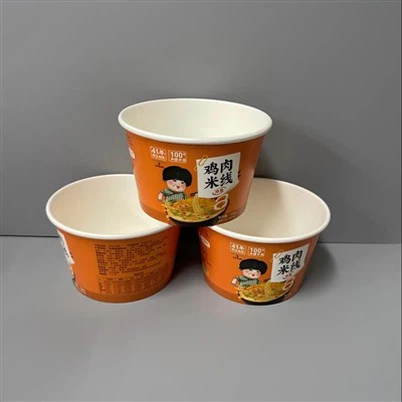
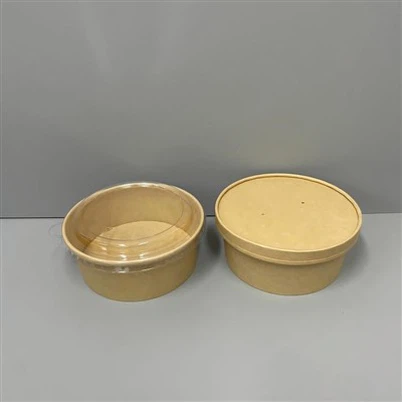
Finally, the availability of various sizes and forms, from small sampling cups to large smoothie containers and even "disposable paper bowls," showcases their adaptability to diverse food applications. This means a business can use paper-based solutions for a wide range of products, consolidating suppliers and streamlining operations.
| Application | Invisible Benefit Delivered | Real-World Impact |
|---|---|---|
| Hot & Cold Use | Simplified inventory, reduced operational complexity. | Efficient service for beverages of any temperature. |
| Branding Platform | Direct, personal marketing exposure at every use. | Enhanced brand recognition, customer loyalty. |
| Hygiene | Elimination of cross-contamination risks. | Increased consumer confidence, compliance with health standards. |
| Logistics (lightweight/stackable) | Reduced shipping costs, optimized storage space. | Streamlined supply chain, operational efficiency. |
| Food Service | Versatility for various food items, consolidated purchasing. | Adaptable for meals, snacks, and drinks; simplified sourcing. |
This immense flexibility, covering everything from operational efficiency to brand building and public health, highlights the truly powerful, yet often unseen, advantages that paper cups bring to the modern marketplace.
Conclusion
Paper cups offer far more than simple containment; their invisible benefits span enhanced branding, critical hygiene, regulatory foresight, and deeply rooted environmental sustainability. By understanding these subtle advantages, businesses can truly unlock the strategic value of this evolving and adaptable packaging solution.