

How Do You Choose The Right Deli Container Size?
Leave a message
How Do You Choose the Right Deli Container Size?
Choosing the wrong container size wastes money and frustrates customers. Are your portions inconsistent? Is food spilling during delivery?
Choose deli container sizes based on your menu: 8oz for sauces, 12oz for small sides, 16oz for a standard soup, and 32oz for large salads or family-style portions. This ensures consistency and prevents waste.
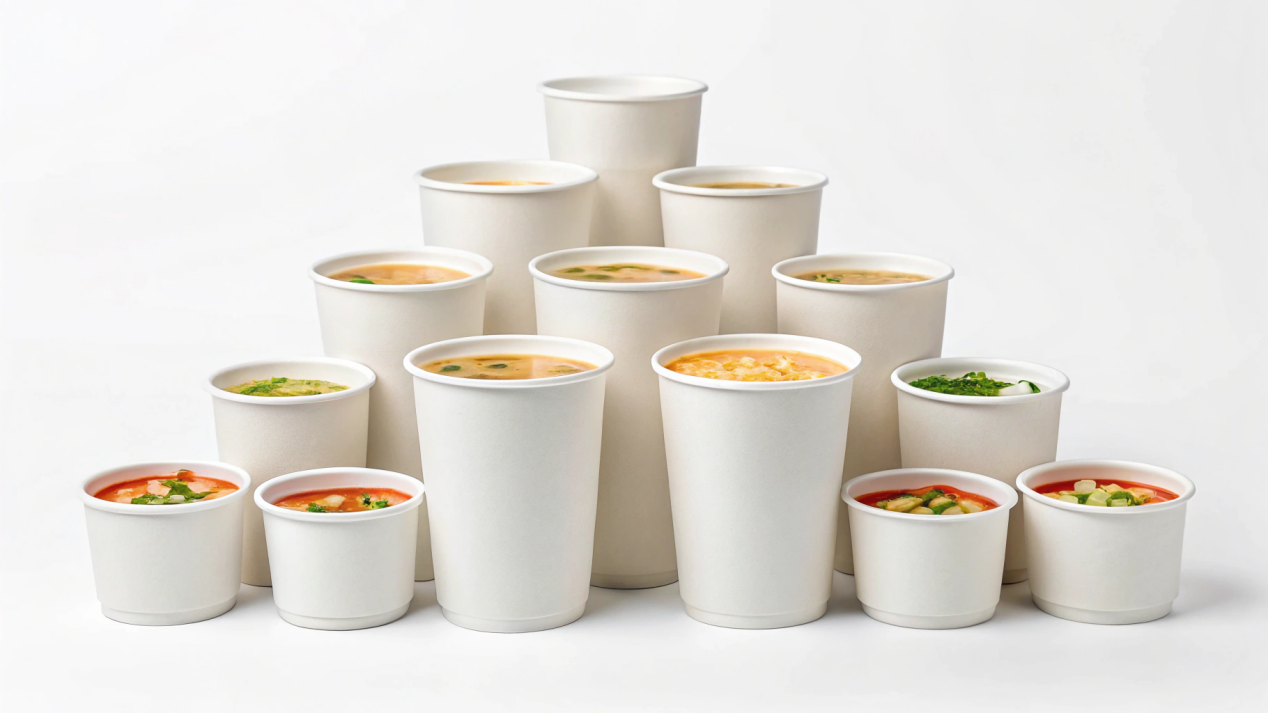
I've worked with countless restaurants and food services for over 20 years. One thing is always true: the right container is just as important as the food inside. It affects your profit, customer satisfaction, and even how your brand is perceived. Let's break down the most common sizes so you can choose with confidence.
What Are the Typical Deli Container Sizes for Food?
You need containers, but the number of options is overwhelming. Buying the wrong sizes leads to wasted inventory and improper portioning for your food.
The most common deli container sizes are 8oz, 12oz, 16oz, and 32oz. Each size is designed for a specific purpose, from small sauces (8oz) to large family-style meals (32oz), making portion control simple.
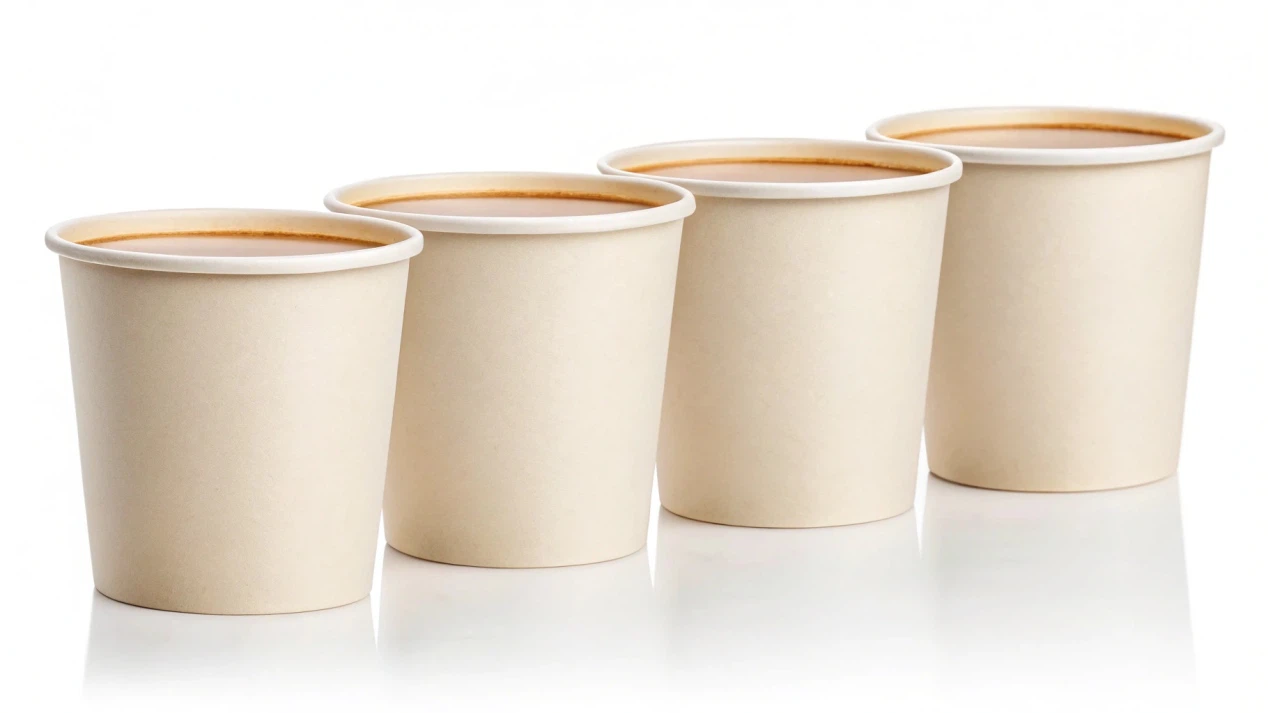
I remember a client who ran a small deli. He was buying a different container for every single item on his menu. His storage room was a mess, and his costs were high. I showed him how just four standard sizes could handle 95% of his needs. It simplified everything for his staff and saved him a lot of money. These sizes are popular for a reason-they are incredibly versatile and cover nearly every food service application. They are typically made from polypropylene (PP), which is great because it is microwave-safe and works for both hot and cold foods.
A Breakdown of Standard Sizes
| Size | Volume (approx.) | Best For |
|---|---|---|
| 8 oz | 240 ml | Sauces, dips, dressings, small sides like coleslaw. |
| 12 oz | 355 ml | A small cup of soup, individual side salads, hummus. |
| 16 oz | 470 ml | A standard serving of soup, chili, stews, larger sides. |
| 32 oz | 950 ml | Large "to-go" salads, family-style meals, bulk items. |
How Important Are Lids for Deli Containers?
A container is just a bowl without a good lid. Spills and leaks during transport can ruin a customer's meal and your brand's reputation.
A great lid is essential. It prevents spills, keeps food fresh, and provides a secure seal. Many deli container lines use one lid size that fits multiple container bases, which is a huge benefit for managing inventory.
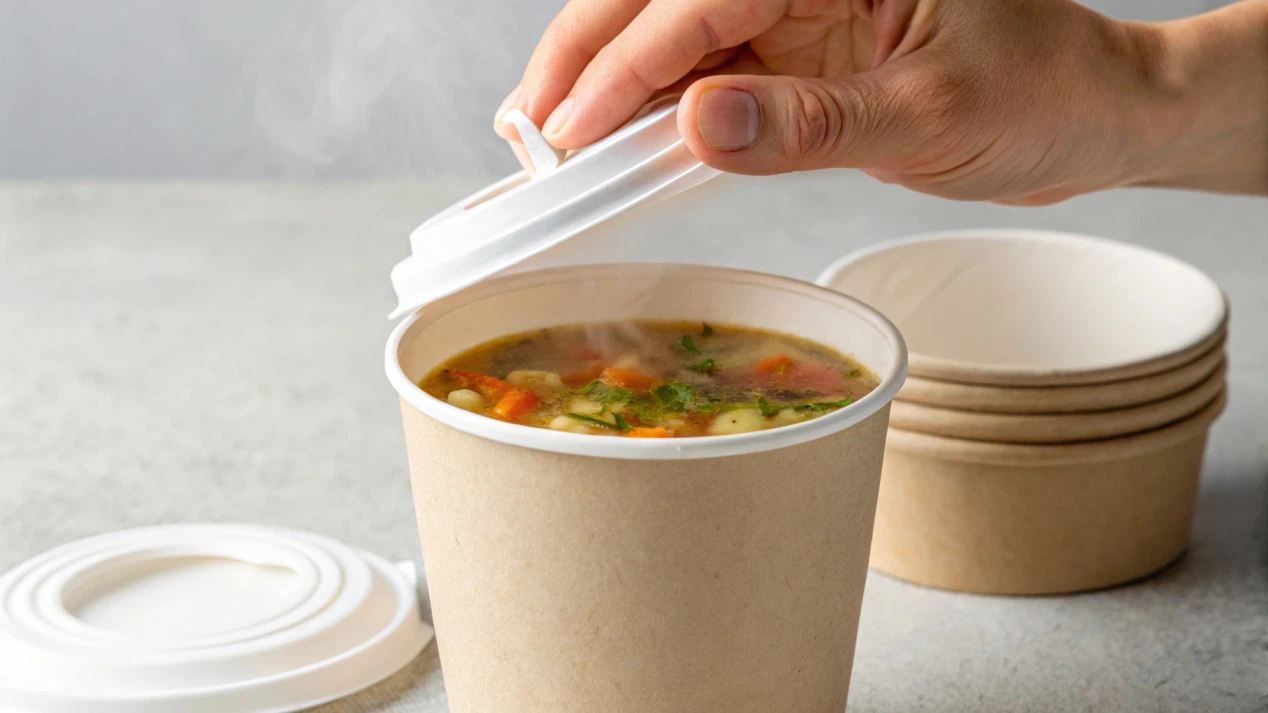
The biggest complaint in food delivery is leakage. I once helped a soup business that was getting dozens of negative reviews because their lids would pop off in the delivery bag. The problem was not the container; it was a poor-quality lid that did not create a tight seal. We switched them to a container with a strong, snap-on lid, and the complaints stopped almost overnight. That simple change saved their reputation.
Key Lid Features You Need
Lid Compatibility: This is a game-changer for businesses. Look for a product line where one lid diameter fits multiple base sizes. For example, it is very common for 8oz, 12oz, 16oz, and 32oz containers to all use the same exact lid. This drastically simplifies ordering and reduces the storage space needed for supplies. It makes life so much easier for a busy kitchen staff.
Secure Seal: The primary job of the lid is to create an airtight and leak-proof seal. Most deli containers use a snap-on design. You should hear and feel a satisfying "click" when it closes. This prevents messy spills and also helps to maintain the food's temperature and freshness for longer.
Should You Choose Clear or Opaque Deli Containers?
You need to package your food, but should you show it off? Choosing the wrong style can hide your beautiful product or fail to protect it properly.
Choose clear containers to showcase fresh, visually appealing food like salads, as this boosts sales. Opaque containers are better for protecting light-sensitive items or when the food's appearance is less important than the branding on the package.
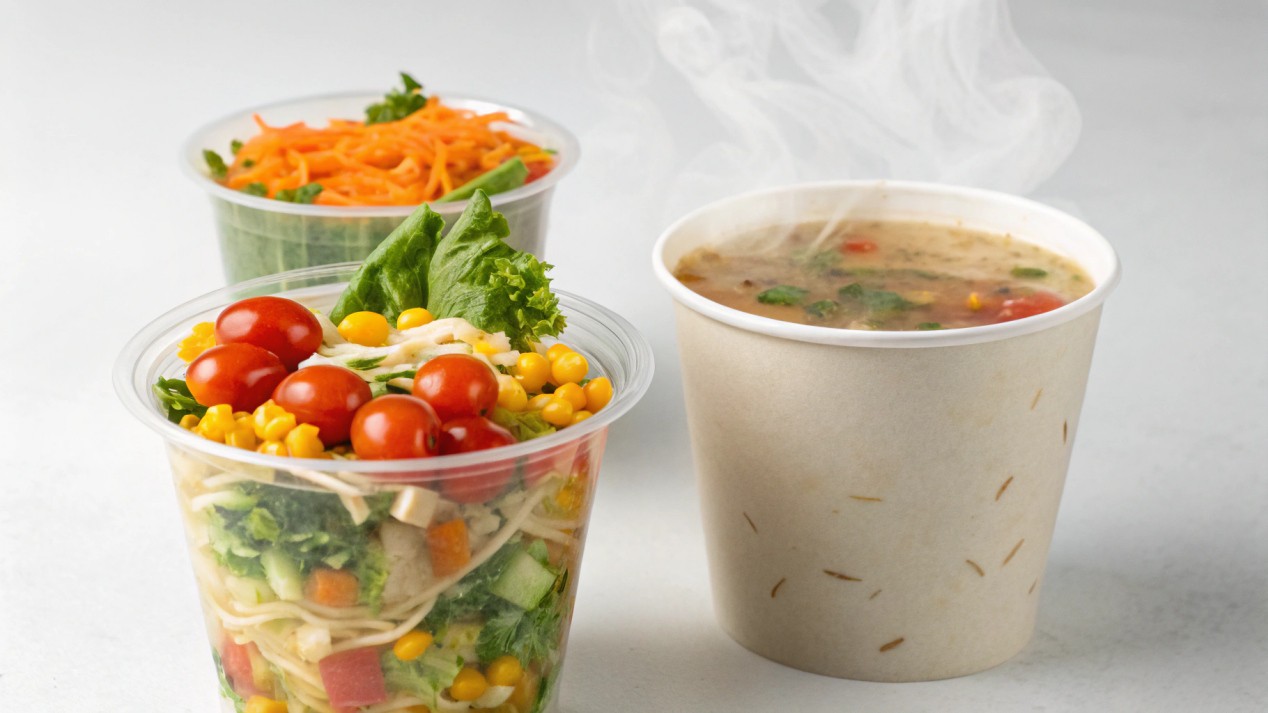
I always say, "people eat with their eyes first." A meal prep client of mine saw a huge increase in sales, around 20%, just by switching from opaque to clear containers for their vibrant grain bowls. The customers could see the fresh ingredients, and it built immediate trust. However, clear is not always the best choice. Opaque containers have their place, especially in protecting certain foods or when you want your logo and branding to be the main focus rather than the food inside.
Making the Right Choice
| Container Type | Primary Advantage | Best Use Cases |
|---|---|---|
| Clear (Transparent) | Visibility. Customers can see the quality and freshness of the food. | Colorful salads, layered desserts, pasta dishes, grab-and-go items where appearance drives sales. |
| Opaque | Protection. Shields food from UV light, which can degrade quality. | Light-sensitive foods, very hot soups (where appearance is less critical), or when you want your branded packaging to stand out more than the contents. |
What Are the Best Sizes for Soups, Salads, and Sauces?
You have a diverse menu but limited storage space. How can you serve perfect portions of everything without buying a dozen different container types?
Use 8oz containers for all your sauces and small sides. The 16oz is the industry standard for a meal-sized soup, while the 32oz is perfect for a large, main course salad. This strategy covers most menu items efficiently.
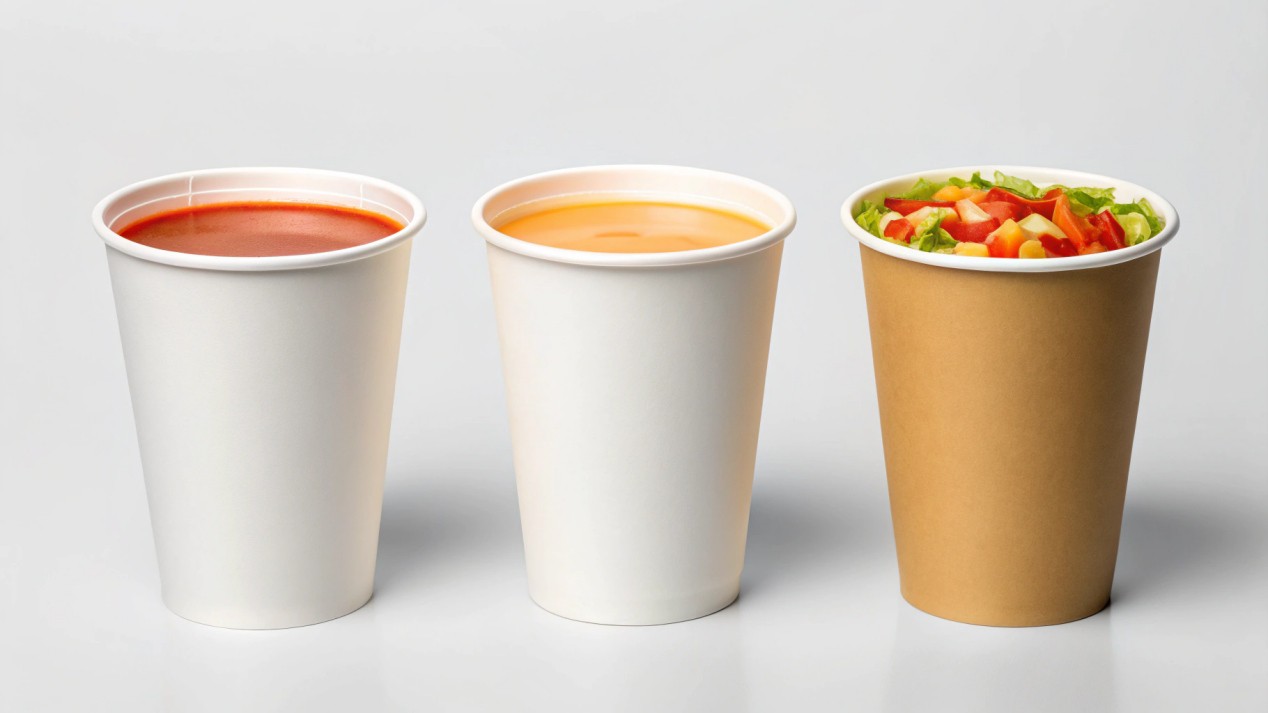
Let's get practical. Matching the container to the food item is key for efficiency and customer satisfaction. The goal is to make the portion look generous without wasting food or money. I have helped countless kitchens set up their packaging station to be fast and efficient. Here is the simple system I recommend for the most common takeout items, a system that works for almost everyone.
A Quick-Reference Guide
For Soups and Stews: The 12oz container is great for a side portion or a small "cup" of soup. For a standard, meal-sized bowl of soup, chili, or stew, the 16oz is the go-to choice for almost every restaurant I've worked with. If you offer family-sized portions to go, the 32oz container works perfectly for that.
For Salads: An 8oz or 12oz container is suitable for a small side salad. But for a main course salad, especially one with lots of toppings, you need more room. The 32oz is the ideal size to make a salad look full and appealing without crushing the delicate greens.
For Sauces, Dips, and Sides: The 8oz container is the undisputed champion here. It's the perfect size for salsa, guacamole, dressings, hummus, or small side dishes like coleslaw or mashed potatoes. It provides a generous portion without being wasteful.
Conclusion
Choosing the right deli container sizes simplifies your operations, controls costs, and keeps customers happy. Start with these standard sizes to build a versatile and efficient packaging system.


