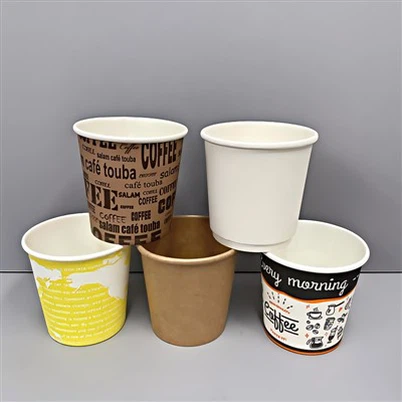
Eco-Friendly Cup Paper Options?
Leave a message
Eco-Friendly Cup Paper Options?
Your daily coffee cup hurts the planet. Switch to eco-friendly options. Make a difference.
Eco-friendly cup paper options include FSC-certified paperboard, PLA-coated cups, and plant-based materials. Safe drinking comes from BPA-free coatings and proper food-grade certifications that ensure no harmful chemicals leach into your beverages.

Think about how many cups you use each week. Now multiply that by millions of people. That adds up to a mountain of waste. Most of it ends up in landfills. It takes centuries to break down. We need better options. Eco-friendly cups reduce harm. But they must be safe too. How do you know which choices are best? What makes a cup truly eco-friendly? Read on. The answers might change how you think about your morning coffee.
What are the eco-friendly materials for cups?
Not all "green" cups are equal. Some hide dirty secrets. Learn the real options.
Eco-friendly cup materials include FSC-certified paperboard from sustainable forests, PLA bioplastic made from cornstarch or sugarcane, and uncoated papers that compost quickly. These materials break down faster than traditional plastic-lined cups.

Eco-friendly cup materials have come a long way. I remember when I first started looking into sustainable options. The choices were limited. Most so-called eco-cups still had plastic coatings. That bothered me. True eco-friendly materials should break down naturally. Let's look at the best options. First, there's FSC-certified paperboard. FSC means the wood comes from responsibly managed forests. Trees get replaced. Forests stay healthy. I visited one of these forests once. It was impressive. The trees looked healthy. The wildlife was abundant. This paperboard forms the base of most eco-cups. Second, PLA coating is popular now. PLA stands for polylactic acid. It comes from cornstarch or sugarcane. These are renewable resources. I tested PLA-coated cups. They work well with cold drinks. Hot drinks can be tricky though. PLA softens with heat. Third, some companies use uncoated papers. These need special treatment to resist liquids. They work for short-term uses like sample tastings. Fourth, bagasse is emerging as a material. It's the leftover fiber from sugarcane processing. It's usually waste. Using it for cups is smart. Fifth, mushroom packaging sounds strange. But it works. Mycelium, the root structure of mushrooms, can be shaped into packaging. It decomposes naturally. Each material has pros and cons. The right choice depends on your needs. Consider how the cup will be used. Think about disposal methods. The best eco-material depends on your specific situation.
What paper cups are safe to drink from?
Some "safe" cups contain hidden dangers. Your health matters. Know what to avoid.
Safe paper cups use food-grade materials with FDA or EU food contact certifications. They should be BPA-free, have secure coatings that don't peel, and display proper safety markings to ensure no harmful chemicals contaminate your drinks.

Paper cup safety is non-negotiable. I learned this lesson the hard way. Early in my business, I tried a cheaper supplier. Their cups seemed fine at first. Then customers started complaining about strange tastes. We discovered the coating was breaking down. Harmful chemicals were getting into the drinks. That was a wake-up call. Here's what to look for in truly safe paper cups. First, check for food safety certifications. FDA approval in the US is a good sign. CE marking in Europe means it meets safety standards. I always ask suppliers for these certificates. Never take their word for it. Second, make sure the cups are BPA-free. BPA is a chemical in some plastics. It can harm health. Some suppliers claim to be BPA-free but aren't. I test samples with pH strips. If the water changes color, something's wrong. Third, inspect the coating quality. Good coating stays put. It doesn't peel or bubble. I fill a cup with hot water. Wait five minutes. Then check for coating particles in the water. If you see particles, reject the cups. Fourth, check the paper source. Paper from responsible forests is better. It's safer and more sustainable. I prefer FSC-certified paper. Fifth, consider the cup's purpose. Hot drink cups need special treatment. The coating must withstand heat. Cold cups have different requirements. Safety depends on the right material for the right use. Remember, cheap options often cut corners. Your customers' health is worth the investment. Never compromise on safety. A safe cup protects your reputation. It protects people. That's good business.
| Safety Feature | Why It Matters | How to Check |
|---|---|---|
| Food Certifications | Guarantees compliance with safety standards | Look for FDA, CE, or other local marks |
| BPA-Free Status | Prevents harmful chemical leaching | Ask for BPA-free certification, test with pH strips |
| Coating Integrity | Ensures no particles enter drinks | Fill with hot water, check for peeling |
| Paper Source | Affects sustainability and safety | Prefer FSC-certified or similar certification |
| Purpose-Specific Design | Safety depends on right material for use | Match cup type to hot/cold beverage requirements |
What is the most environmentally friendly cup?
"Green" is not always what it seems. Some eco-cups fool you. Learn the real facts.
snippet paragraph:
The most environmentally friendly cup depends on your location, waste system, and use case. Options include reusable cups, compostable PLA cups in industrial facilities, and uncoated paper cups that break down naturally in home compost.

Finding the most environmentally friendly cup takes thought. I've seen many businesses make mistakes here. They jump on the "eco" bandwagon without understanding the full picture. Let's clear up the confusion. The truth is, there's no one-size-fits-all answer. The best option depends on your specific situation. First, reusable cups win in most cases. A ceramic or stainless steel cup used hundreds of times has less impact than disposables. I keep a reusable cup in my car. It's convenient. It saves money. It helps the planet. But reusables aren't practical for all businesses. Takeout shops need disposables. Second, industrial compostable cups work well in cities with proper facilities. These facilities break down PLA-coated cups efficiently. I visited one in Germany. The process was impressive. Heat and microbes turned cups into soil in just 45 days. But these facilities are rare in many areas. Third, home compostable cups are great for environmentally conscious consumers. They break down in backyard compost piles. They use safer materials. The problem is that many people don't compost at home. Fourth, uncoated paper cups are simple. They break down quickly. They don't need special treatment. But they only work for short-term uses. They can't hold liquids for long. Fifth, some companies are experimenting with edible cups. Sounds strange, but they work. I tried one made from wheat. It tasted nutty. The ice cream inside tasted better. When choosing, consider your customer base. Think about local waste systems. What works in one place may not work in another. The most eco-friendly cup is the one that gets disposed of properly in your area. That's the real test of environmental impact.
Conclusion
Eco-friendly cup paper options balance sustainability with safety, ensuring your drinks stay uncontaminated while reducing environmental impact.
Through every cup and bowl we produce, we promote a green, healthy, and sustainable lifestyle worldwide.