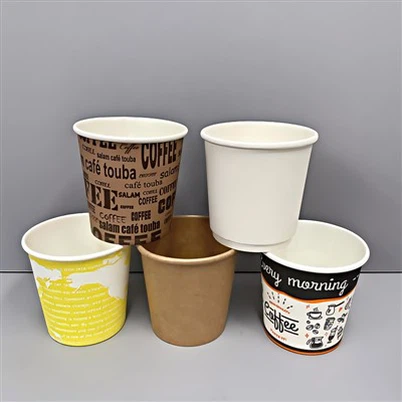
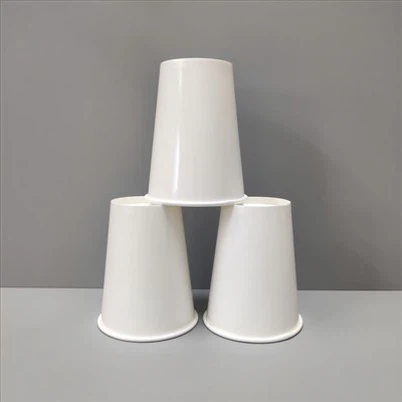
Why Does Coffee Taste Better Out Of A Paper Cup?
Leave a message
Why Does Coffee Taste Better Out of a Paper Cup?
The feel, warmth, and aroma together can make coffee from a paper cup more enjoyable than from harsher or metallic surfaces.
Coffee often tastes better in a paper cup because the material does not interfere with aroma, holds steady warmth, and offers a smooth, familiar drinking experience.

From what I have seen in cafes I supply, customers often choose paper cups not only for convenience but also because they feel natural in hand and mouth. The taste stays pure, without metallic or bitter notes from other materials.
Can you drink coffee out of a paper cup?
Yes. Most modern paper coffee cups are designed for hot drinks.
You can safely drink coffee from a paper cup if it has proper heat-resistant and leak-proof coating, usually PE or PLA, to prevent soaking or leaks.
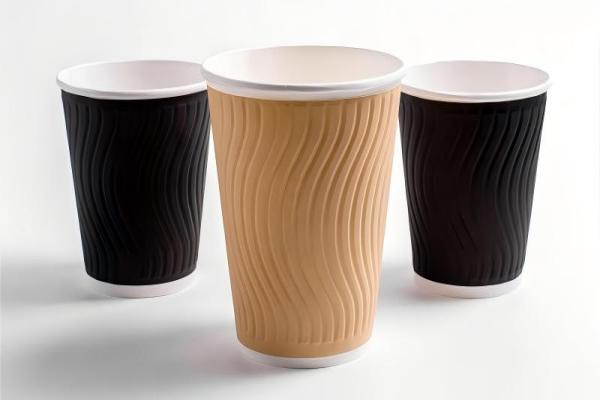
In my factory, we coat coffee cups with either PE plastic lining or compostable PLA bioplastic. This coating keeps the paper fibers from absorbing liquid. Our double wall and ripple wall designs also protect hands from heat.
I drink coffee daily from cups fresh off our production line as part of quality checks. The key is proper sourcing and manufacturing. Low-quality cups can soften over time or leak if the coating is thin or uneven. High-quality cups stay firm, and the coffee's flavor remains intact for the whole drinking period.
The wall design also matters. For hotter drinks, thicker or insulated designs make sipping more comfortable and help retain flavor because temperature stays consistent.
| Cup Type | Safe for Coffee? | Notes |
|---|---|---|
| Single wall | Yes | Sleeve needed for very hot drinks |
| Double wall | Yes | Best for insulation |
| Ripple wall | Yes | Extra grip and heat protection |
Can you put boiling water in a paper cup?
Yes, but only for short periods and with the right cup type.
Boiling water can be poured into high-quality paper cups for brewing coffee or tea, but prolonged exposure may weaken the cup if it is not insulated.
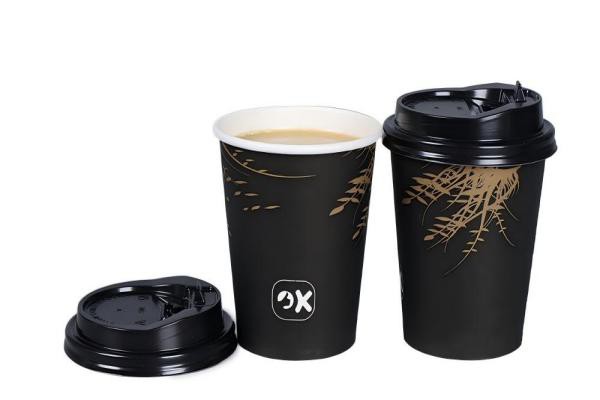
In my early career, I tested boiling water tolerance in plain single wall cups. Without a good PE or PLA coating, the paper softened in minutes. With proper coating and thick walls, the cup held up fine while the drink cooled slightly.
Boiling water stresses materials faster than normal hot coffee. That is why double wall cups or heavy single wall soup cups work better for activities like brewing tea directly in the cup. These have thicker board and stronger coating bonds.
The safe rule I give clients: serve boiling water in high-quality coated paper cups only when the drink is meant to be consumed soon, within 10–15 minutes. For longer holding, use insulated designs.
| Temperature | Recommended Cup Type |
|---|---|
| 70–90°C | Single wall + sleeve or double wall |
| 100°C | Double wall or thick soup cup |
| >100°C | Avoid prolonged holding |
Why do coffee shops use paper cups?
Convenience, branding, and hygiene drive the choice.
Coffee shops use paper cups because they are safe for hot drinks, easy for takeout, customizable for branding, and disposable for improved hygiene.
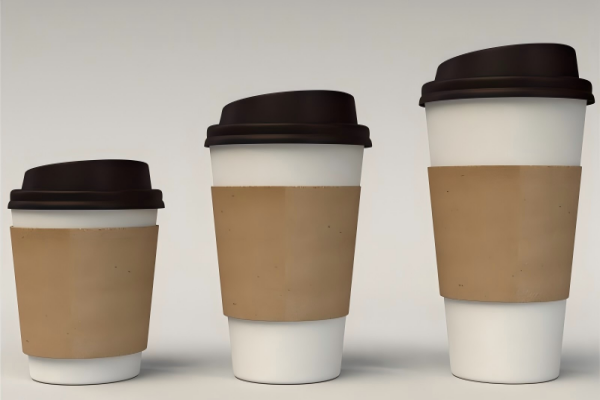
I have supplied thousands of cafes over the years. Paper cups are quick to store, stack, and serve. Printing them with a coffee shop's logo turns each drink into mobile advertising.
Customers often expect takeaway coffee in paper cups. They are lighter than ceramic, and there is no need to return or wash them, which saves labor and water.
Hygiene is another strong factor. Each cup is single-use, so there is less risk of cross-contamination compared to reusable options that require thorough washing. Many shops also choose eco-friendly PLA-coated versions to align with sustainability goals, appealing to customers who care about the environment.
| Reason | Benefit |
|---|---|
| Branding | Logo visibility on-the-go |
| Hygiene | One-time use, no washing |
| Convenience | Lightweight, stackable |
| Sustainability | Optional compostable cups |
Do paper coffee cups have PFAS?
Some do, but many manufacturers now avoid them.
PFAS, or "forever chemicals," have been used for stain and moisture resistance, but high-quality paper cups today often use PFAS-free coatings like PLA or water-based barriers.
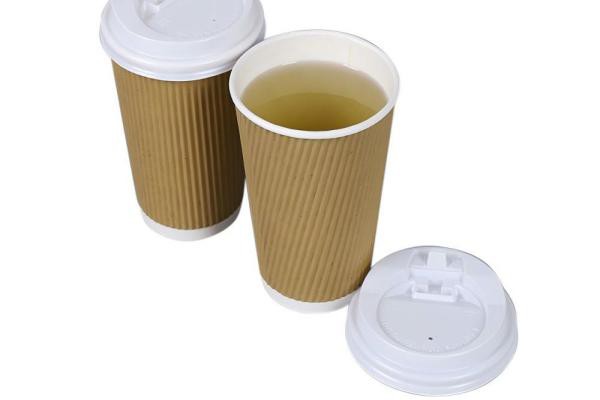
When I first started in the industry, PFAS was common in food packaging for its strong barrier against grease and liquids. In recent years, growing awareness over health and environmental risks has pushed many companies - including mine - to switch to safer alternatives.
We now use biodegradable PLA coating for our eco-friendly cups and standard PE coating for regular cups. Both are PFAS-free. This meets regulations in many regions, especially in the US and EU.
If you are unsure whether your supplier's cups have PFAS, ask for material specifications or certification. Responsible suppliers should be transparent and able to confirm testing results. As demand for non-toxic products grows, PFAS-free is becoming the baseline for reputable manufacturers.
| Coating Type | PFAS Content | Notes |
|---|---|---|
| PE coating | PFAS-free | Standard waterproof layer |
| PLA coating | PFAS-free | Compostable bioplastic layer |
| Wax coating | PFAS-free | Less common, cold use only |
Conclusion
Paper coffee cups can make coffee taste better by keeping flavor pure, holding warmth well, and offering a comfortable, familiar drinking experience - all with modern safe coatings.