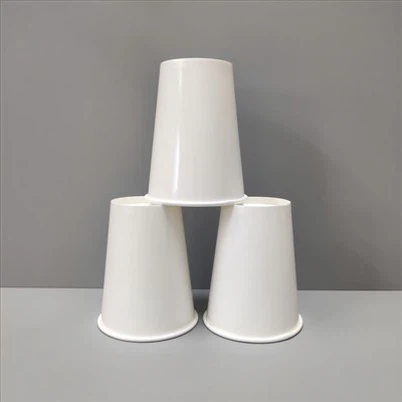
PET (polyethylene Terephthalate) Plastic Cups
Leave a message
PET (polyethylene terephthalate) plastic cups have significant advantages in daily life and commercial applications due to their unique material properties. The following is an analysis of its core practical advantages:
1. Lightweight and durable
Lightweight: PET has a low density, making the cup portable and suitable for outdoor use (such as sports water cups, takeout beverage cups).
Impact resistance: Compared with glass or ceramic, PET is more durable and less prone to breakage, reducing the risk of loss.
2. Transparency and aesthetics
High transparency: With a visual effect close to that of glass, it can clearly display the color of beverages (such as fruit juice and sparkling water), enhancing the appeal to consumers.
Smooth surface: Easy to print logos or patterns, suitable for brand customization (such as promotional cups for milk tea shops).
3. Chemical stability and safety
Food-grade certification: Compliant with FDA and other standards, non-toxic and odorless, suitable for cold drinks and room-temperature beverages.
Acid and alkali resistance: It is not prone to react with beverage components (such as carbonated beverages and acidic fruit juices).
4. Cost effectiveness
Low-cost mass production: Low raw material costs and high production efficiency, suitable for one-time or short-term use scenarios (such as fast food restaurants, event supplies).
Transportation savings: Lightweight reduces logistics costs, and stacking design optimizes warehouse space.
5. Environmental protection and recyclability
100% recyclable: PET is one of the plastics with the highest recycling rate in the circular economy. After regeneration, it can be made into fibers, new preforms, etc.
Lower carbon footprint: Compared with aluminum cans or glass bottles, it consumes less energy in production (but relies on a recycling system to reduce environmental impact).
6. Functional design flexibility
Sealing property: It can be matched with a leak-proof lid (such as a coffee cup lid), suitable for car use or carrying around.
Temperature resistance range: Generally applicable to -20℃ to 60℃. Improved models (such as CPET) can withstand even higher temperatures (please clearly indicate).
7. Hygiene and convenience
Single-use: Avoid cross-infection (in hospital and fast food Settings), and reduce cleaning costs.
Moisture-proof and mold-proof: Stable performance when storing dry items (such as snacks and medicines) for a long time.
Limitations and Precautions
Not heat-resistant: Ordinary PET cups are not suitable for holding boiling water or high-temperature steam for disinfection (they may deform or release trace substances).
Ultraviolet sensitive: Long-term direct exposure to sunlight may cause aging. It should be stored away from light.
Typical application scenarios
Catering industry: milk tea cups, takeout cold drink cups, salad takeout boxes.
Event supplies: Exhibition gift cups, disposable water cups for sports events.
Household use: Portable travel cups, children's anti-drop water cups (food-grade certification required).